







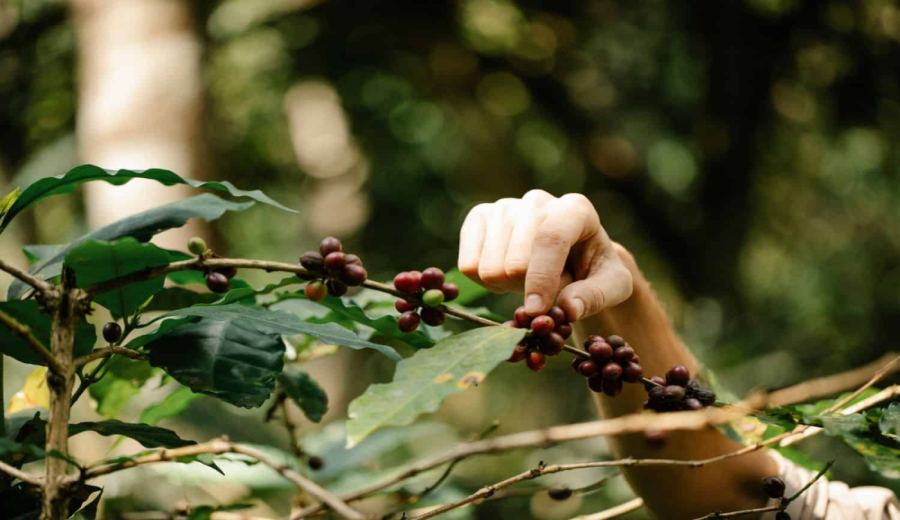
Introduction:Indonesian Mandheling is renowned for its low acidity, rich body, and distinctive spicy and herbal notes, making it highly favored by specialty coffee enthusiasts worldwide. This article will delve into the distribution of Sumatran Mandheling producing regions, grading systems, the wet-hulling processing method, analyze its flavor profile, and provide practical pour-over brewing recommendations along with parameter settings to help you fully grasp the brewing essence of this classic coffee bean.
As a globally significant coffee-producing country, Indonesia's coffee cultivation is primarily concentrated on equatorial islands such as Java, Sumatra, Kalimantan, and Sulawesi. Although the planted varieties are similar, differences in climate, altitude, and processing methods lead to vastly different aromas and flavors across the islands. Among them, Mandheling from Sumatra, with its deep and steady character, has become the representative of Indonesian specialty coffee.
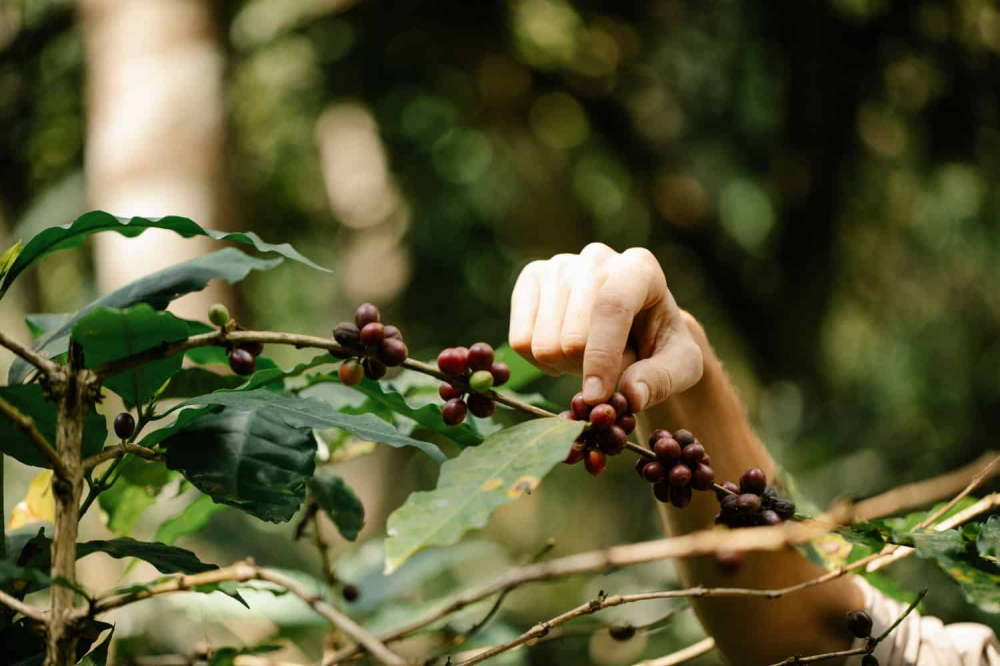
Indonesian coffee is generally known for its low acidity, full body, and complex layers, and Mandheling stands out among them. This Arabica coffee from Sumatra is mainly grown at high altitudes ranging from 750 to 1500 meters, with beans from the Takengon and Sidikalang regions being particularly outstanding. Due to limited production, Mandheling is often regarded as a “rarity” in the specialty market, especially when deeply roasted at high temperatures, showcasing intense caramel, chocolate, and spice aromas, with a well-balanced bitter-sweet profile that leaves a lasting impression.
Mandheling coffee can be subdivided into several types, among which the most well-known are the semi-washed or natural-processed beans produced around Lake Toba in the central-northern part of Sumatra, specifically in the Lintong mountainous region, at an altitude of about 900 to 1200 meters. The Lintong region is especially esteemed for its stable production capacity and standout flavor. In addition, there is “Golden Mandheling,” which undergoes four rounds of manual sorting, featuring a lower defect rate and higher quality; as well as “Lake Tawar Coffee” from near Lake Tawar in Aceh Province at the northernmost tip of Sumatra, grown at altitudes of 800 to 1600 meters, with processing methods including washed, semi-washed, and a small amount of natural. There are also special types such as aged Mandheling and Java coffee, whose flavors possess even deeper layers of maturity.
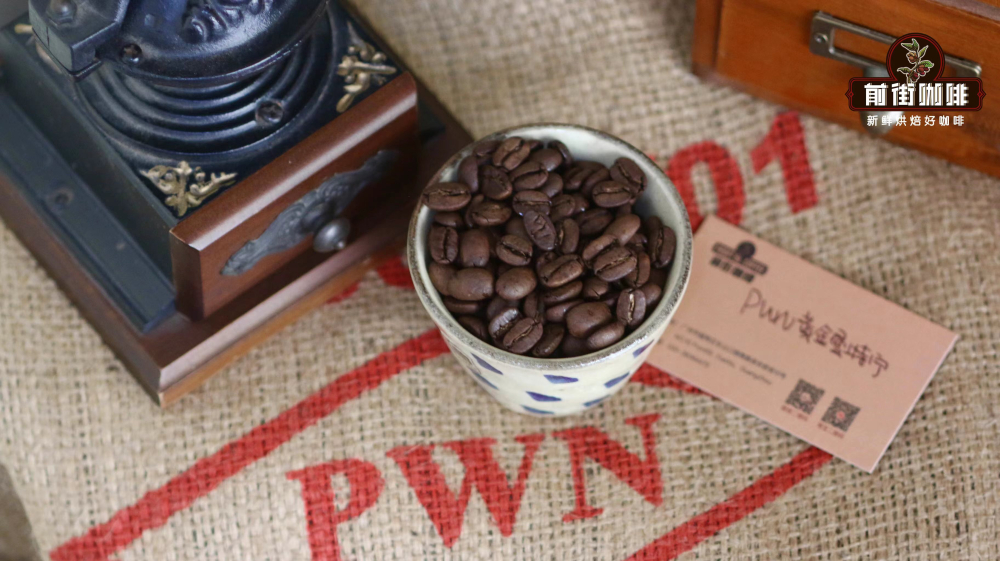
Speaking of Lintong Mandheling, this coffee from the Lintong mountainous area, thanks to the unique wet-hulling processing method used locally, has developed a highly recognizable aroma and flavor profile. The Lintong region began to rise in the 1990s, initially using mostly natural processing. However, due to the humid climate, the quality of naturals was not easily stable. It later shifted to a semi-natural-like method, but due to climatic constraints, a unique “un-dried parchment removal” technique was developed.
The so-called wet-hulling process refers to removing the outer mucilage layer before the parchment-covered beans are completely dry—when their moisture content is approximately 20% to 35% and the pulp layer has not yet solidified—and then proceeding with subsequent drying. This approach effectively prevents the fermentation of the mucilage in high-humidity environments from producing undesirable odors while preserving a rich, full body and low-acid characteristics. Lintong Mandheling is typically dried in a centralized manner once the parchment-covered beans reach around 18% moisture content, eventually achieving the standard 12% moisture level. This staged drying process also contributes to its distinctive herbal and woody notes, becoming a hallmark flavor of Mandheling.
The grading system for Indonesian coffee beans is primarily based on the ratio of defective beans and is divided into six grades, from highest to lowest: G1 to G6. For washed processed beans, the highest grades are G1 and G2; whereas for natural processed beans, G1 and G3 to G5 are mainly used. It is worth noting that regardless of the processing method, G1 represents a specialty grade with extremely few defects and excellent cupping quality, comparable to internationally certified COE (Cup of Excellence) standards. However, even within the same grade—for example, G2 beans from the Lintong region—the performance may still vary depending on the stringency of the exporter’s selection. Moreover, coffee that meets G1 standards is rare in the market due to the high processing costs involved.
For Mandheling pour-over brewing, it is recommended to aim for a rich body and clear flavor profile, while balancing sweetness and aroma expression. In practice, you can use a Kono filter cone, brewing with medium-fine grind (approximately 70–75% passing through a 20-mesh sieve in China) to extract the coffee. Grind size directly affects brew flow rate and flavor release, so adjustments may be needed based on actual conditions.
It is suggested to set the water temperature at 88°C, with a coffee dosage of 15 grams and a coffee-to-water ratio maintained at 1:15, which helps to bring out caramel, chocolate, and herbal aromas while avoiding over-extraction that could intensify bitterness. In practice, a three-stage pouring method can be employed: the first stage involves pouring 30ml of hot water for blooming to help the coffee grounds degas; the second stage pours 100ml to extract the main body of flavors; and the final stage adds another 95ml to enhance sweetness and aftertaste. The overall result is a full-bodied, layered taste that fully reveals the unique charm of Mandheling.
The above content is compiled by CoffeeHunters, a coffee news website.


