







Introduction:Drip bags are a convenient yet flavorful specialty coffee solution, ideal for coffee lovers who are busy but unwilling to compromise on quality. This article features ten drip bag coffees from diverse regions and processing methods, covering a variety of techniques such as natural, washed, and wet-hulled. From the fruity notes of Ethiopia to the bold richness of Indonesia, each coffee is analyzed for its regional characteristics, altitude, variety, and unique flavor profile. Professional pour over parameters are also provided, including coffee-to-water ratio, water temperature control, and pulse pouring techniques, helping you easily recreate café-quality extraction flavors at home.
For those who enjoy coffee but don’t want to be tied down by complicated equipment, drip bags offer the perfect balance. They preserve the refined flavors of pour over coffee while eliminating the steps of grinding beans and filling a filter. Below, we’ll take an in-depth look at ten drip bag coffees from around the world, each representing different regional traits and processing methods, taking you on a journey through the infinite possibilities of coffee flavors.
1. Red Cherry Natural
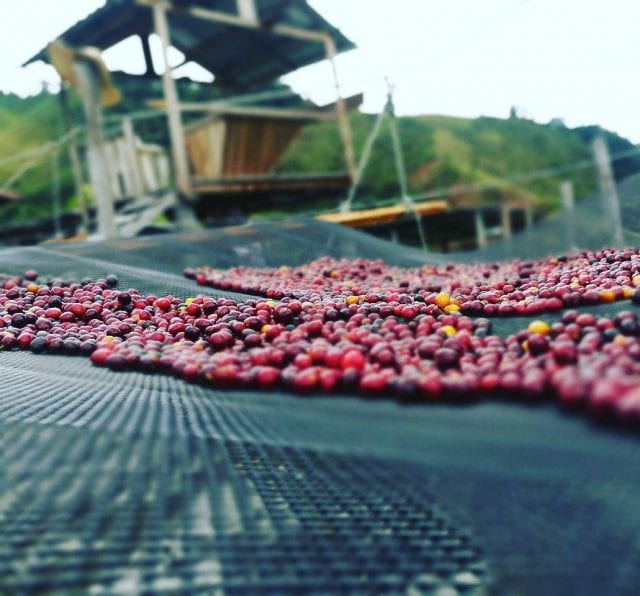
Originating from Yirgacheffe, Ethiopia, this coffee is grown at an altitude of 2000-2200 meters using traditional local heirloom beans and processed via the natural method. Its standout feature is the careful hand selection of fully ripe coffee cherries, which are then sun-dried on raised beds to avoid ground contamination. During the drying process, the coffee absorbs more fruit sugars, resulting in intense tropical fruit aromas. The flavor profile includes strawberry, berries, and a creamy, rich body.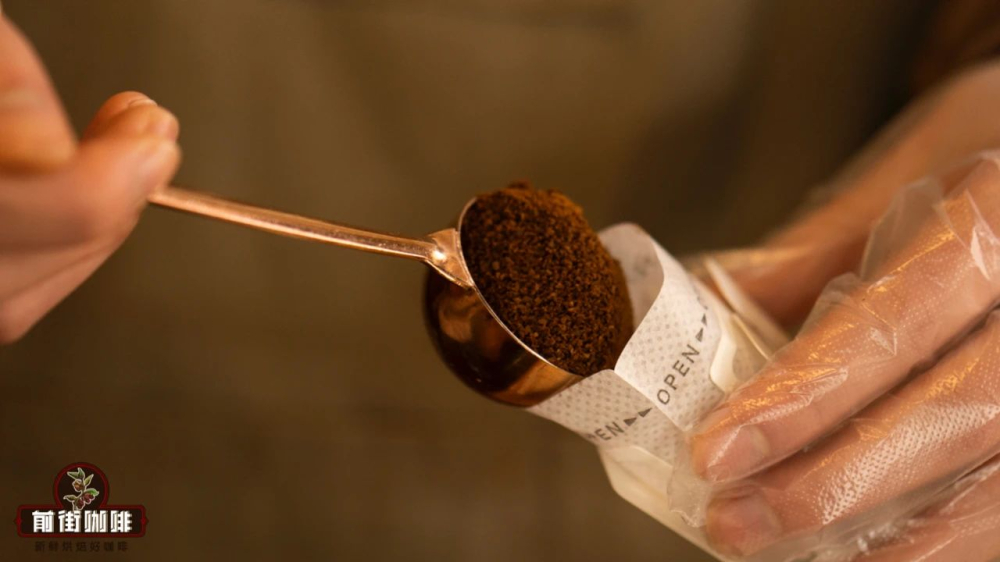
2. Rwanda Red Bourbon
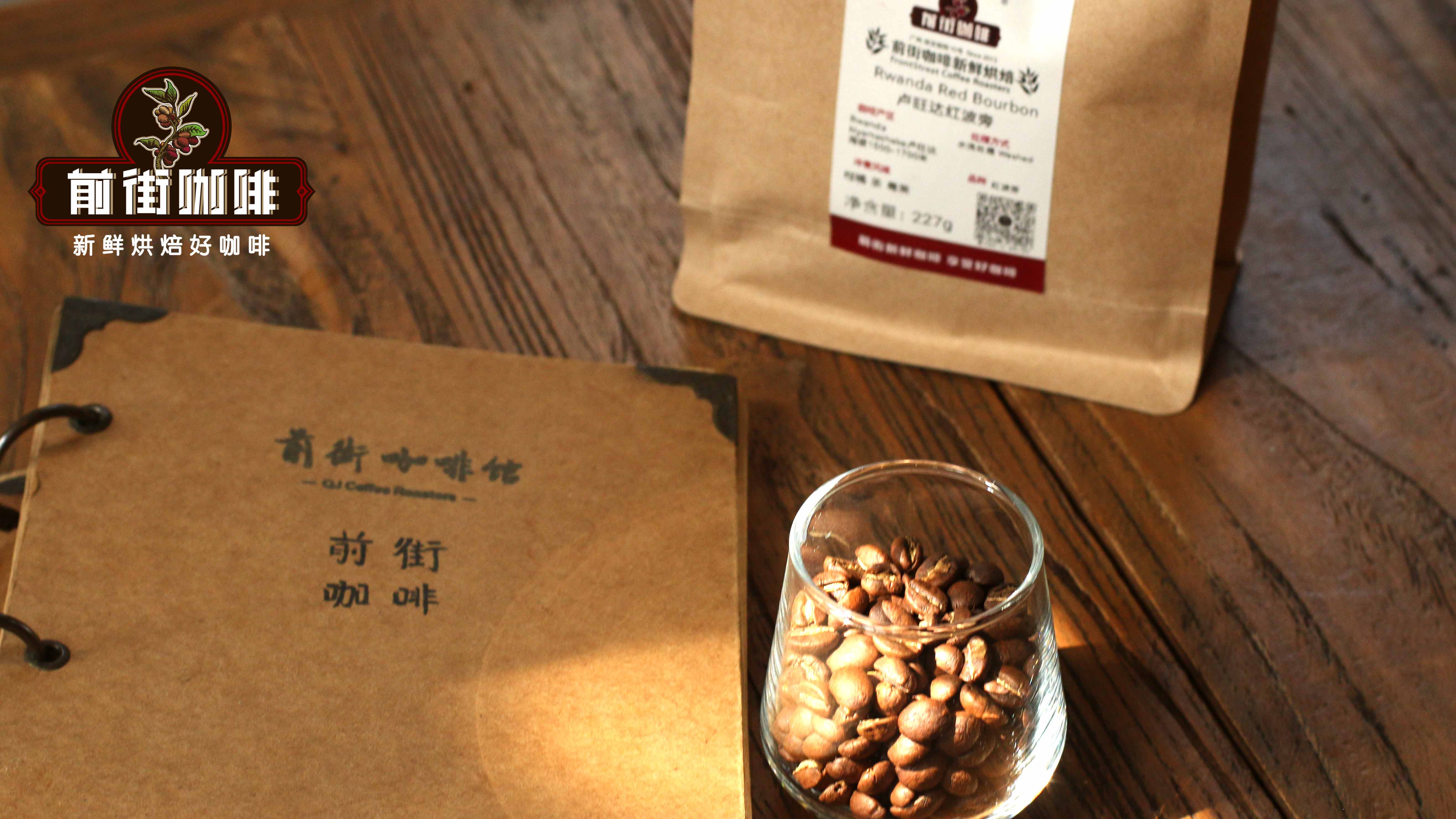
Grown in the Southern Province’s Huye Mountain region of Rwanda at 1500-1700 meters, this coffee is of the Red Bourbon variety. Though Rwanda has a temperate highland climate, its volcanic soil and significant day-night temperature variation make it highly suitable for cultivating premium Arabica. Processed using the washed method, this coffee emphasizes floral and fruity aromas. A medium-light roast highlights bright acidity, with flavors of berries, apple, green tea, and apricot, and a honey-sweet finish with almond chocolate notes.
3. Indonesian Golden Mandheling
Sourced from Gayo Mountain in Aceh, North Sumatra, Indonesia, at 1100-1600 meters, this coffee uses the Ateng variety selected by PWN and is processed with the wet-hulled method. Golden Mandheling undergoes three rounds of manual sorting to remove defective beans, ensuring a plump and consistent appearance in every bean. This strict selection process results in a clean, full-bodied taste, with a flavor profile that includes herbal notes, caramel, and dark chocolate, along with excellent balance and a long-lasting aftertaste.
4. Panama Geisha Flower Butterfly
From the Baru Volcano region in Boquete, Panama, at 1600 meters altitude, this blend consists of 70% Geisha along with Catuaí and Caturra. Processed using the washed method, it emphasizes meticulous harvesting and refined fermentation techniques to highlight the signature floral and citrus notes and smooth acidity of Geisha. The volcanic soil and microclimate contribute to a high-quality flavor profile, even at an accessible price point.
5. Brazil Red Bourbon
Produced in the South Minas region of Brazil at 1000 meters altitude, this coffee is of the Red Bourbon variety and processed via the semi-washed (pulped natural) method. In the past, Brazil’s sun-dried coffees often had earthy and woody tones, but the improved semi-washed technique introduced after 1990 shortens drying time, reduces off-flavors, and enhances sweetness. This coffee offers flavors of nuts, chocolate, cream, and peanuts, with a full body and caramel-like sweetness — a great choice for those who prefer bold profiles.
6. Colombian Huila
Originating from the Huila region of Colombia at 1500-1800 meters, this coffee is of the Caturra variety and processed using the washed method. The mountainous terrain, cool climate, and volcanic soil create flavors of nuts and dark chocolate. Colombian coffee is known for its gentle fruit acidity and rich aroma, and this coffee also showcases a delicate mouthfeel and well-balanced flavor structure.
7. PNG Paradise Bird
From the Paradise Bird Estate in Sigri, Western Highlands, Papua New Guinea, at 1600-1800 meters, this AA-grade coffee is of the Typica variety. The island’s high-altitude climate and organic farming practices produce a bright, clean acidity and mellow taste. This coffee is highly regarded in the Asian market for its balance and Blue Mountain-like characteristics.
8. Yunnan Peaberry
Sourced from Baoshan, Yunnan, China, at 1200 meters altitude, this coffee is of the Catimor variety and processed using the washed method. Yunnan coffee is known for its balanced flavor and nutty, brown sugar base notes. This washed peaberry coffee showcases a tea-like mouthfeel with melon and fruit aromas, a round body, soft acidity, and a sweet aftertaste reminiscent of black tea and caramel.
9. Kenya Little Tomato
From Thika, Kenya, at 1550-1750 meters altitude, this coffee is of the SL28 and SL34 varieties and processed via the K72 washed method. Kenya’s high altitude and two rainy seasons create pronounced fruit acidity and hard bean structure. The legendary SL28 and SL34 varieties give this coffee unique sour notes of cherry tomato, black plum, and cherry tomato, paired with sweet elements of brown sugar and plum, offering a complex and layered flavor profile.
10. Costa Rica Tarrazú
From the Tarrazú region of Costa Rica at 1500 meters altitude, this coffee is of the Caturra and Catuaí varieties and processed using the washed method. Although Costa Rica is famous for its honey-processed coffees, this washed Tarrazú features a rich body and smooth mouthfeel, with flavors of sweet orange, honey, toffee, and nuts. It has moderate acidity and an inviting aroma.
After getting to know the characteristics of each drip bag coffee, let’s now discuss how to brew them correctly to fully bring out their potential. First, each drip bag contains10 gramsof coffee grounds, eliminating the need for additional weighing. We recommend acoffee-to-water ratio of 1:15 to 1:16, yielding approximately140-150 millilitersof brewed coffee. The water temperature should be around90°C. If you don’t have a temperature-controlled kettle, simply let boiling water sit for 2-3 minutes after turning off the heat before use.
Here’s the brewing process: First, tear open the drip bag seal, unfold the two “ears,” and hang them on the edge of your cup, gently shaking to level the coffee bed. The first step is a 30-second bloom, just enough to evenly wet the coffee grounds. Then, pour water in small circles, continuing to add water as the coffee bed descends until you reach the target volume. The entire process takes about1 minute. Master these basic techniques, and you can easily enjoy professional-grade drip bag coffee at home.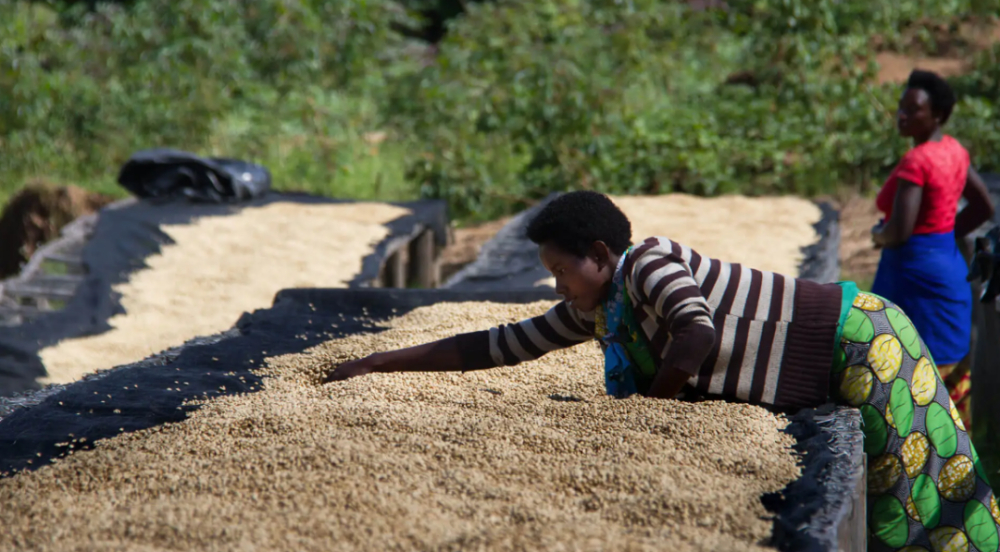

The above content is compiled by CoffeeHunters, a coffee news website.


