








Introduction:Understanding coffee bean varieties is the foundation of appreciating a great cup of coffee. This article takes an in-depth look at the world’s major coffee varieties—including Arabica, Robusta, Liberica, and their key derivatives—covering plant characteristics, disease resistance, and flavor profiles to help you identify the unique traits of different beans and find the coffee that best suits your palate.
The charm of coffee stems not only from its origin but also closely relates to the bean variety. Around 66 countries worldwide grow coffee, roughly divided into three major regions: Latin America, Africa, and Asia. Each region, due to its geographic and climatic differences, imparts distinctly unique flavor profiles to its coffee: Asian coffees often exhibit rich and bold flavors, African beans are renowned for their bright acidity and fruity notes, while Latin American coffees skillfully balance body with citrus tones. Among the many varieties, Arabica, Robusta, and Liberica are the three main pillars, with Arabica giving rise to numerous well-known derivatives such as Typica, Bourbon, Caturra, Catuai, and Catimor. This article will systematically analyze these coffee beans from aspects such as variety origins, cultivation conditions, disease resistance, and flavor characteristics, helping you build a comprehensive understanding of coffee varieties and make precise choices for your preferred coffee flavors.

Many coffee enthusiasts know that origin plays a decisive role in coffee flavor, but the bean variety itself is equally crucial. This article will detail the classification of coffee varieties and the unique flavor profiles they represent, helping you gain a deeper understanding of the essence of the coffee in your cup.
Currently, the coffee beans commercially cultivated around the world mainly fall into three categories: Arabica, Robusta, and Liberica. However, in practice, only Arabica and Robusta are widely used in the market. Among them, Arabica is the mainstream in the specialty coffee market and the top choice for most coffee shops and consumers.
Arabicais the most widely planted and highly regarded coffee variety globally, accounting for approximately 75% of total global coffee production. It primarily grows in tropical high-altitude regions of Central and South America. Arabica beans are relatively small, oval-shaped, with a long, slightly curved central crack and a fully rounded back.This variety is extremely particular about its growing environment, preferring high-altitude slopes with significant day-night temperature variations. It requires manual harvesting and is challenging to cultivate.
Chemically speaking, Arabica hascaffeine content of only 0.9% to 1.2%,much lower than other varieties, but it has relatively higher fat and sugar content, which often results in flavors with pronounced sweetness and soft acidity, frequently accompanied by complex layers such as berries and floral notes. Additionally, Arabica haschlorogenic acid content of about 5.5% to 8%,which, while offering antioxidant benefits, makes it less resistant to pests and sensitive to climate changes. Therefore, it is mostly grown at high altitudes to reduce pest and disease risks.
Currently, Brazil is the world’s largest producer of Arabica, while Colombia focuses on cultivating high-quality Arabica coffee.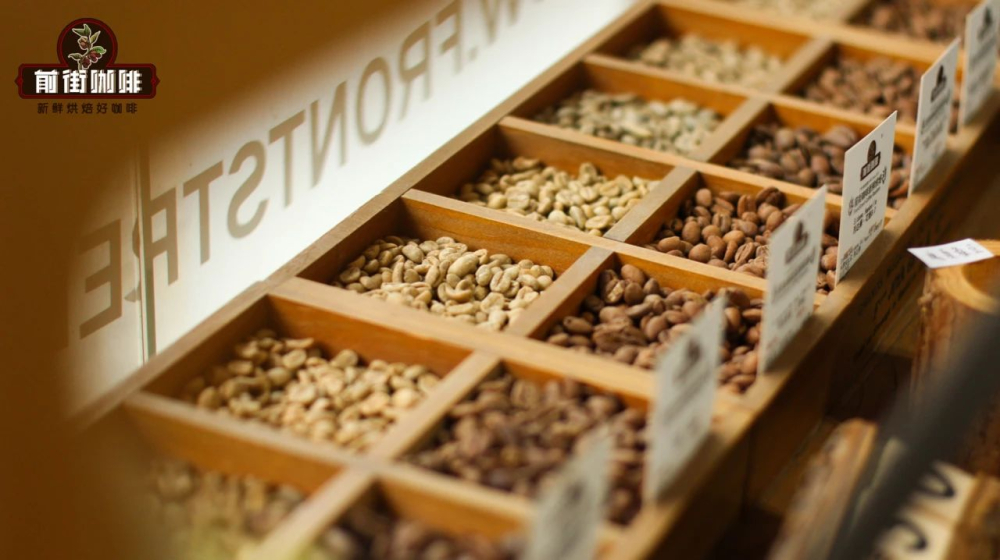
Compared to Arabica,Robusta is generally considered to be of more ordinary qualityand is therefore mainly used in instant coffee, canned coffee, and espresso blends. Robusta is predominantly found in Central and West Africa, Madagascar in the east, and Indonesia in Asia.
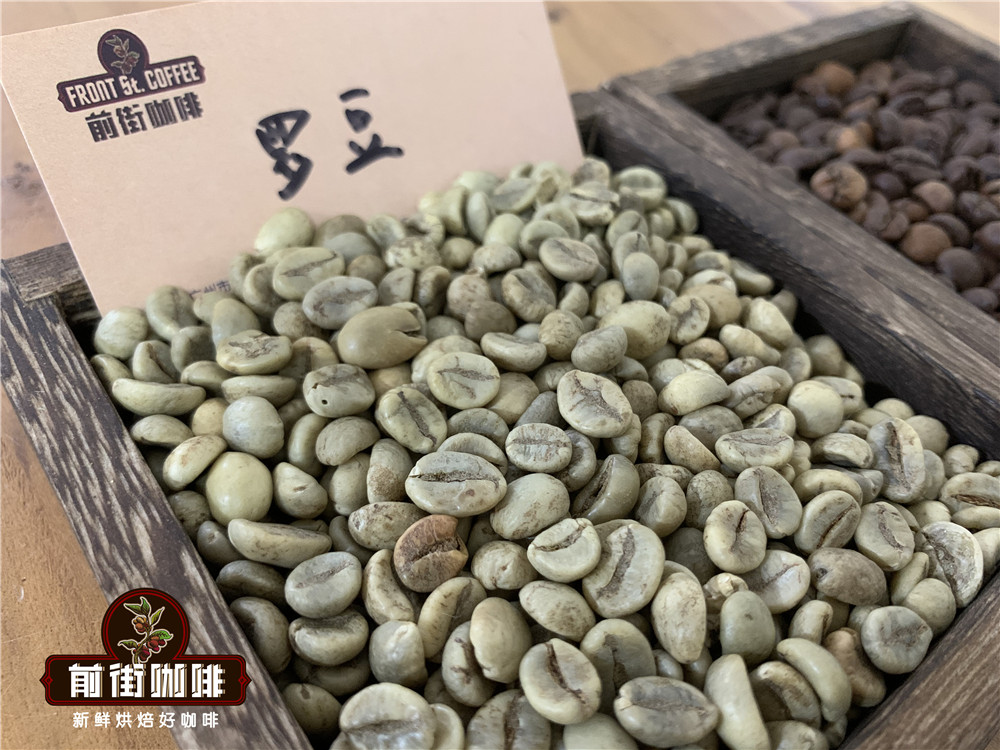
Robusta plants are sturdier, with larger leaves and beans than Arabica. The beans are more round, with a distinctly convex back and straight, clear cracks, resembling large Job’s tears seeds in appearance.This variety has strong environmental adaptability, resisting high temperatures, droughts, and diseases, especially showing high immunity to leaf rust. It can grow at low altitudes, with high harvest efficiency, and some harvesting can even be done mechanically without manual labor.
However, Robusta hascaffeine content as high as 1.6% to 2.4%,with lower fat and sugar content, resulting in flavors that are distinctly bitter, bold in body, and low in acidity, sometimes even carrying off-notes like rubber or wood. As a result, Robusta rarely appears in the specialty coffee market and is more commonly used for espresso bases, iced coffee, and ready-to-drink products.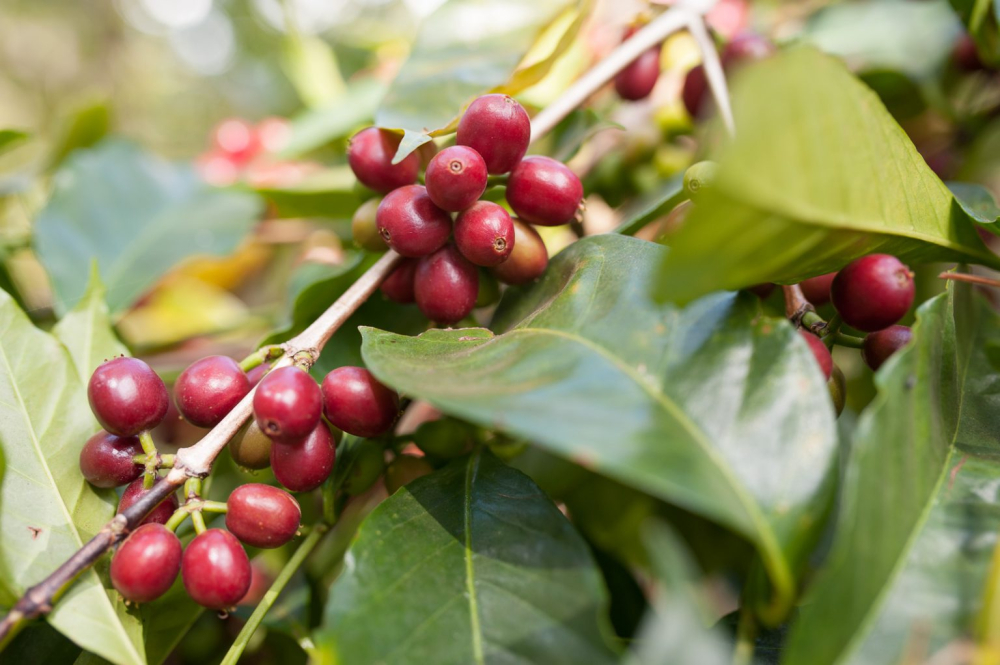
As forLiberica,this variety is relatively rare, as it has limited production and commercial value, and is usually not included in mainstream discussions. Nevertheless, it still represents the diversity of coffee varieties.
If further subdivided, Arabica also includes several well-known derivatives, each with unique cultivation characteristics and flavor expressions.
Typicais the original Arabica variety from Ethiopia and is considered the ancestor of most modern Arabica varieties. Its flavor is elegant and delicate, but the plant is rather fragile, susceptible to leaf rust, and has low yields, gradually being replaced by more disease-resistant varieties such as Caturra and Catuai. It is now relatively rare in Central and South America but remains an important part of coffee history.
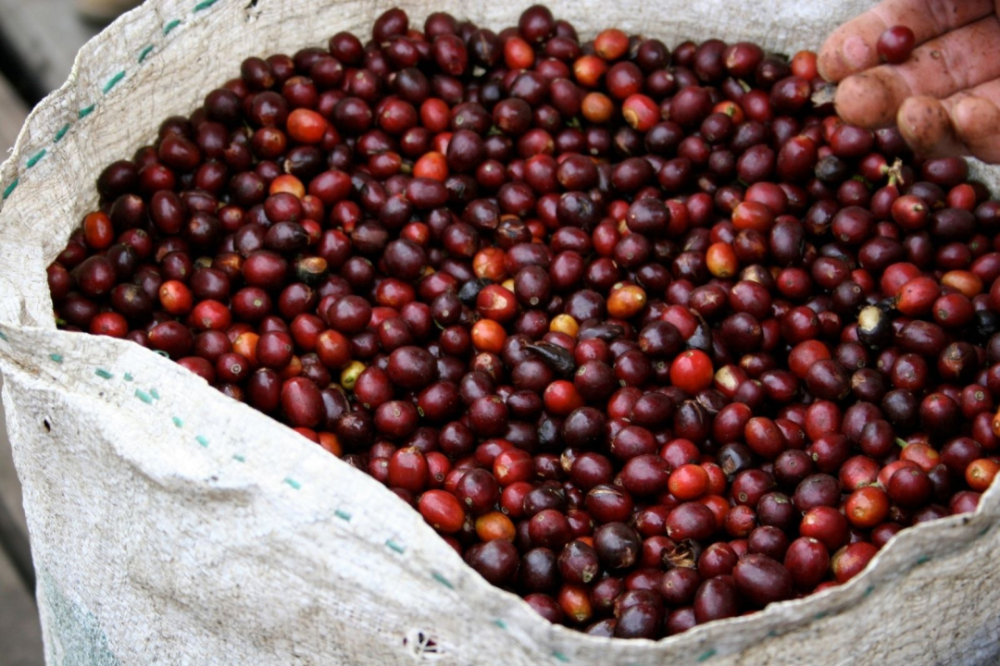
Bourbonis a natural mutation of Typica, where green fruits turn bright red when ripe. Compared to Typica, Bourbon has wider leaves and denser growth, although its yield is slightly higher, it remains relatively low. However, Bourbon coffee is known for itsrich wine-like acidity and sweet aftertaste,making it a classic flavor cherished by many coffee enthusiasts.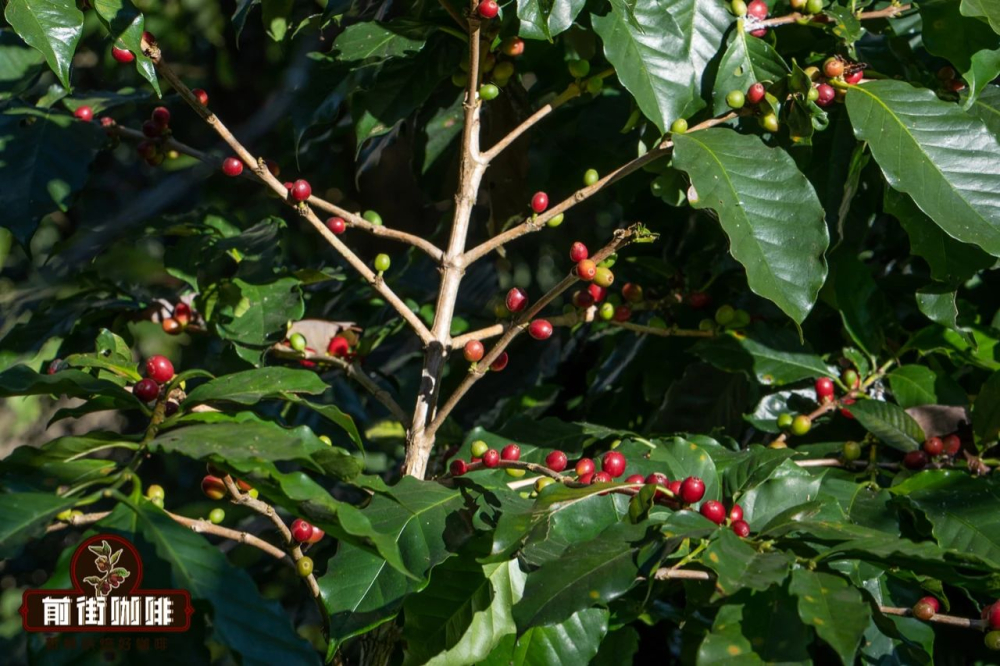
Pacasis a single-gene natural mutation of Bourbon. It has a smaller plant size, is suitable for high-density planting, and yields better than traditional Bourbon. This variety was discovered in 1949 at the Pacas family estate and later identified by experts from the University of Florida as an independent new variety, named after the estate owner. Pacas typically exhibits more concentrated and premium flavor profiles.
Caturrais a single-gene mutation of Bourbon, discovered in Brazil in 1937. Its features includestable yield, good disease resistance, and shorter plant height,making it easier to harvest. In addition, Caturra is suitable for high-density planting and can thrive in high temperatures and strong sunlight, often referred to as “sun-exposed coffee.” However, it has a biennial yield fluctuation issue and requires additional fertilization to maintain growth.
Catuaiis a hybrid of Caturra and Mundo Novo (a hybrid variety), known for its excellent wind and rain resistance, firm fruit that is less prone to dropping, and suitability for varied climates. However, its flavor profile is relatively simple, with less body and complexity compared to Caturra, and its fruit lifespan is only about ten years, which is a major limitation.
Catimoris a hybrid of Timor (a Robusta branch) and Caturra, developed to enhance disease resistance and yield. This varietyhas short plants, suitable for dense planting, with new leaves in reddish-brown color,and offers good resistance to leaf rust and coffee berry disease. However, its flavor performance is generally inferior to pure Arabica varieties, especially when grown at low altitudes, where the flavor becomes more ordinary.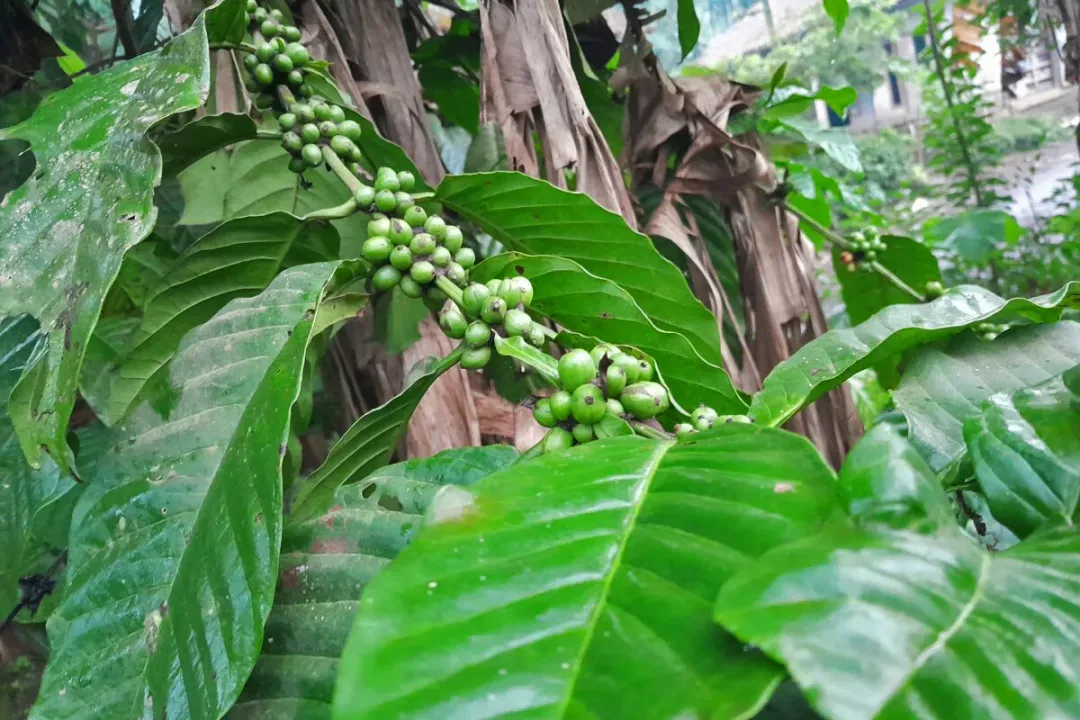
Overall, Arabica and its many derivatives showcase the rich diversity of coffee varieties. Each variety has its suitable environment, cultivation methods, and flavor characteristics. Understanding these details will help you make more accurate choices based on your personal preferences.
Finally, whether you prefer boldness, fruitiness, sweetness, or richness, you can start by exploring bean varieties to discover your own coffee world.
The above content is compiled by CoffeeHunters, a coffee news website.


