







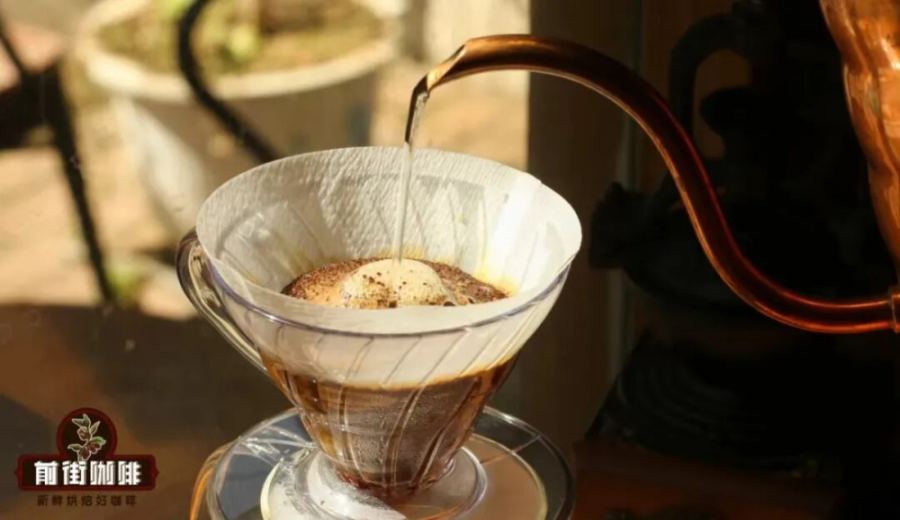
Introduction:The flavor profile of pour over coffee is closely tied to brewing techniques. Different pouring methods affect water temperature, extraction time, and the interaction between coffee grounds and water, thereby altering the acidity-sweetness balance and texture layers of the coffee. This article provides an in-depth analysis of seven mainstream pour over techniques, including single pour, three-part, 4-6 pour, volcano pour, variable temperature brewing, stirring method, and drip method. It explains the operational principles, flavor characteristics, and practical tips of each technique to help you find the most suitable extraction strategy based on the characteristics of your coffee beans and your personal taste preferences.
In the world of pour over coffee, the diversity of brewing techniques directly shapes the unique flavor of each cup. Whether you prefer a bright, crisp acidity or a rich, full-bodied sweetness, choosing the right pouring method is crucial. This article will introduce in detail seven popular pour over coffee techniques, from the basic single pour to the refined drip method, breaking down their operational logic, flavor profiles, and practical skills one by one. This will help you gain a deeper understanding of how to adjust your pouring strategy to bring out the best in your coffee beans.
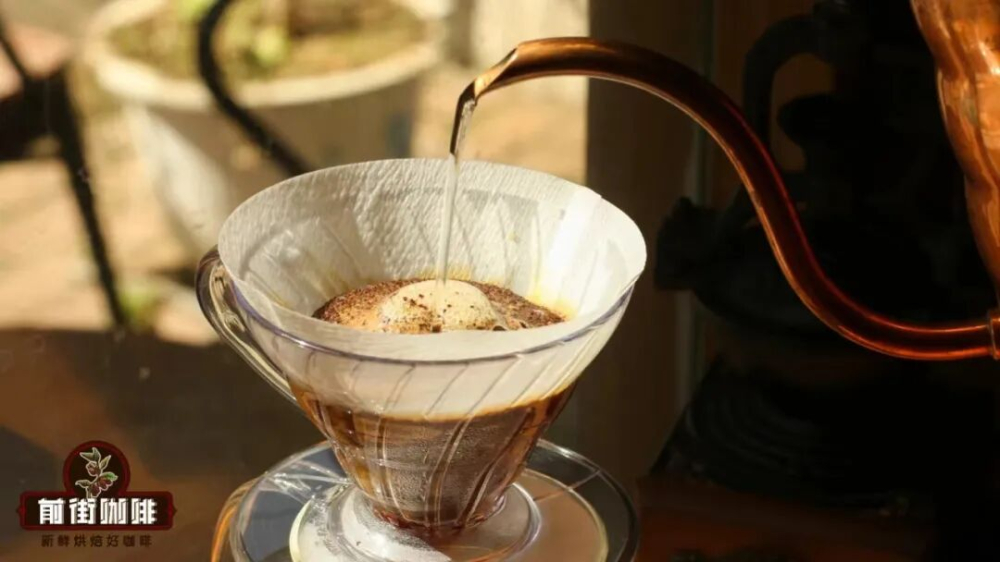
Many coffee enthusiasts have found in practice that changing the pouring method can noticeably impact the final outcome of the coffee. Some techniques highlight sweetness, while others enhance acidity and layering. The key lies in the comprehensive adjustment of water temperature, coffee-to-water ratio, extraction time, and grind size. A slight tweak in any of these variables can change the release ratio of soluble substances in the coffee, thereby affecting the flavor profile. Currently, the industry generally identifies seven mainstream pour over techniques, and the following will detail their unique features and applicable scenarios.
I. Single Pour
Single pour is a technique familiar to both many pour over beginners and seasoned enthusiasts. Its core concept is to pour the remaining water all at once without interruption after the bloom. The term "single pour" symbolizes that the pouring is divided into two stages: bloom and main extraction, rather than literally completing the entire process with a single pour. A common misconception is to treat it as a "one-pour method," which skips the bloom and pours directly — this is actually incorrect.
Because the pouring process is continuous, the extraction time of single pour is usually shorter, with minimal manual intervention, allowing it to faithfully present the original characteristics of the coffee beans. Flavor-wise, it often exhibits a light body and bright acidity, but the downside is its lower margin for error — precise control of water flow is required, otherwise there is a risk of under-extraction.
II. Three-Part
Three-part is currently one of the most widely used pour over techniques. It divides the total water volume into three stages: bloom, first main extraction, and second main extraction. This segmented approach offers greater flexibility for adjustments — if you notice abnormal drainage speed of the coffee bed, you can promptly adjust the rhythm of subsequent pouring.
As the temperature of the coffee bed changes across stages, the three-part method often brings out more rich layers and flavor details. It suits most types of coffee beans and is a practical technique that both beginners and advanced users can flexibly apply.
III. 4-6 Pour
The 4-6 pour was designed by Tetsu Kasuya, World Brewers Cup Champion. It consists of five pouring stages, where the first two stages account for 40% of the total water volume and dominate the foundational flavors of the coffee; the last three stages make up 60%, influencing the body thickness and aftertaste. The original intention of this technique was to lower the barrier to entry — even if you’re not familiar with water control, simply allocating water by proportion can still yield a balanced cup.
For example, if you prefer a pronounced acidity, you can increase the water volume in the first of the first 40%; if you want to emphasize sweetness, adjust the ratio of the second stage. The distribution of the latter 60% determines whether the coffee is rich and smooth or bright and crisp.
IV. Volcano Pour
Volcano pour is a classic Japanese technique. During pouring, hot water is concentrated at the center of the coffee bed, and as the water accumulates, it forms a shape resembling a volcanic cone — hence the name. This technique has a long extraction time, which can fully release the sweetness and body of the coffee, but it has a lower extraction efficiency and is less suitable for light roasts.
The visual effect of volcano pour is captivating, but it’s important to ensure even distribution of coffee and water to avoid channeling that could lead to localized over-extraction.
V. Variable Temperature Brewing
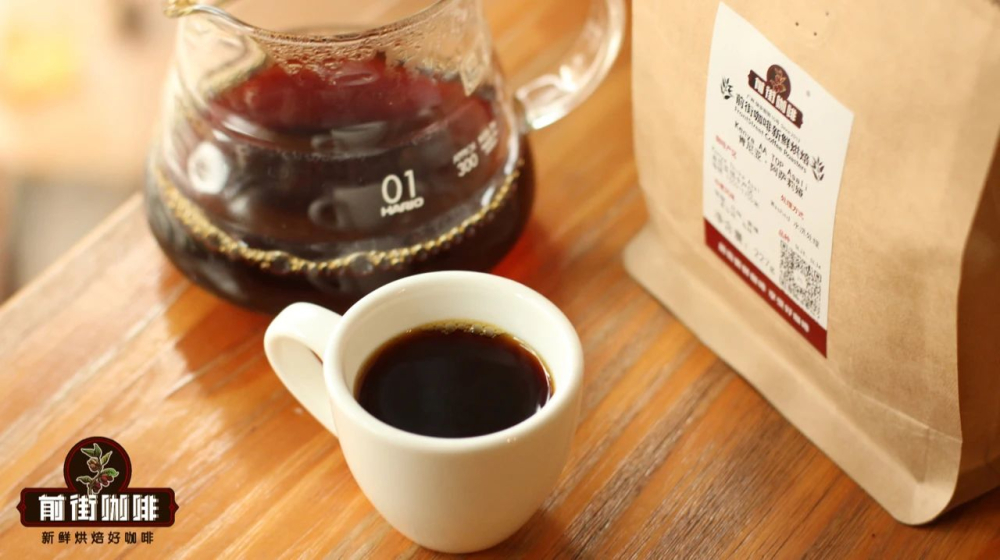
To address situations prone to over-extraction, variable temperature brewing offers an effective solution. This technique uses a higher water temperature (e.g., 93°C) in the early stages of extraction and switches to a lower temperature (e.g., 85–88°C) in the mid to later stages. This helps suppress the release of bitter compounds and enhances the sweetness. It’s particularly suitable for dense or dark roast beans, balancing flavors and reducing off-notes.
VI. Stirring Method
Unlike traditional indirect stirring via circular pouring, the stirring method directly agitates the coffee bed using a tool or manually to accelerate the dissolution of soluble substances. This approach can significantly improve extraction efficiency in a short time, making it suitable for situations where coffee and water interaction is poor. However, strict control over the intensity and frequency of stirring is essential — otherwise, it can easily lead to over-extraction and sharp acidity.
VII. Drip Method
The drip method is another classic Japanese technique. It begins with a fine water drip to bloom the coffee grounds, waiting until CO₂ is sufficiently released before switching to regular water flow for extraction. The extended blooming process results in an unusually thick body, but the technique has a high learning curve — requiring precise control over drip speed and uniformity. It’s recommended to try it only after multiple practice sessions.
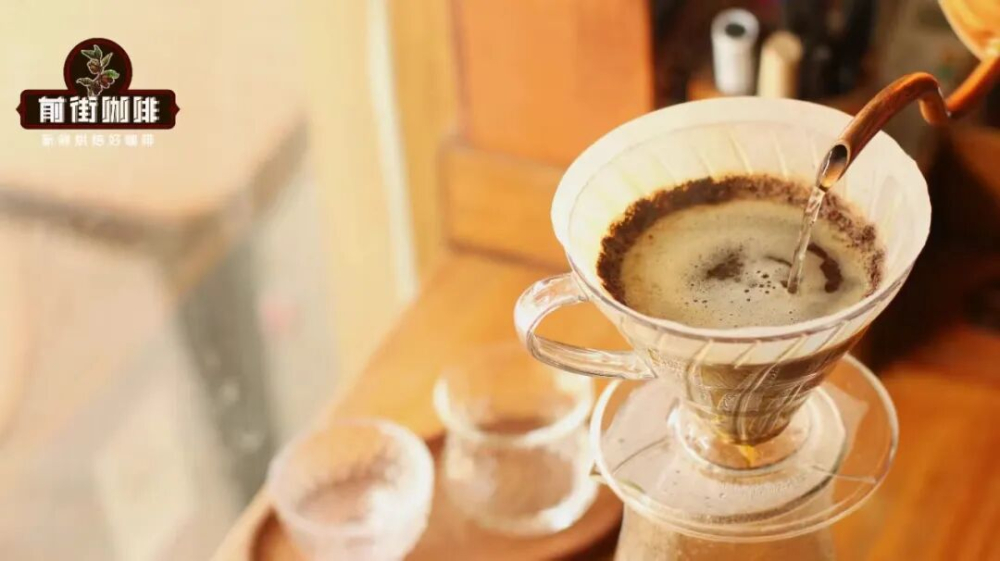
The seven pour over techniques introduced above each have their own distinct characteristics. From the easy-to-master three-part method to the precision-demanding 4-6 pour and drip method, they offer a diverse range of extraction choices. Whether you’re a beginner just starting out or an advanced enthusiast seeking a flavor breakthrough, you can find the most suitable brewing strategy based on bean variety characteristics and your personal preferences — showcasing the multifaceted nature of coffee.
The above content is compiled by CoffeeHunters, a coffee news website.


