







Introduction:Drip bags combine convenience with the flavor of professional pour over brewing, making them a top choice for many busy coffee lovers. This article provides an in-depth analysis of who is best suited to drink drip bags, their flavor characteristics and potential considerations, along with a complete guide from bean selection to brewing—including key parameters such as water temperature, coffee-to-water ratio, and pouring techniques—to help you easily master the brewing essentials and enjoy a high-quality cup of balanced black coffee.
Drip bags are favored by more and more coffee enthusiasts for their portability and ability to deliver flavors close to those of pour over coffee. However, because they contain caffeine, they are not suitable for unrestricted consumption by everyone. This article will detail which groups are suitable for drinking drip bags, what health considerations to keep in mind, and provide an in-depth look at how to choose products that suit your personal taste, as well as the correct brewing methods—including practical details such as water temperature, coffee-to-water ratio, and pouring techniques—so you can brew a professional-grade cup of coffee at home.
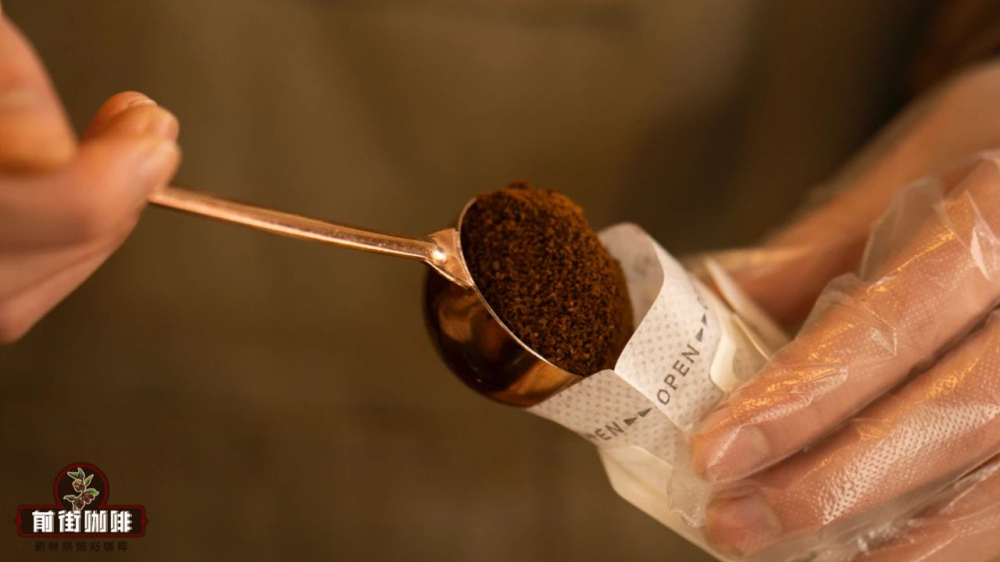
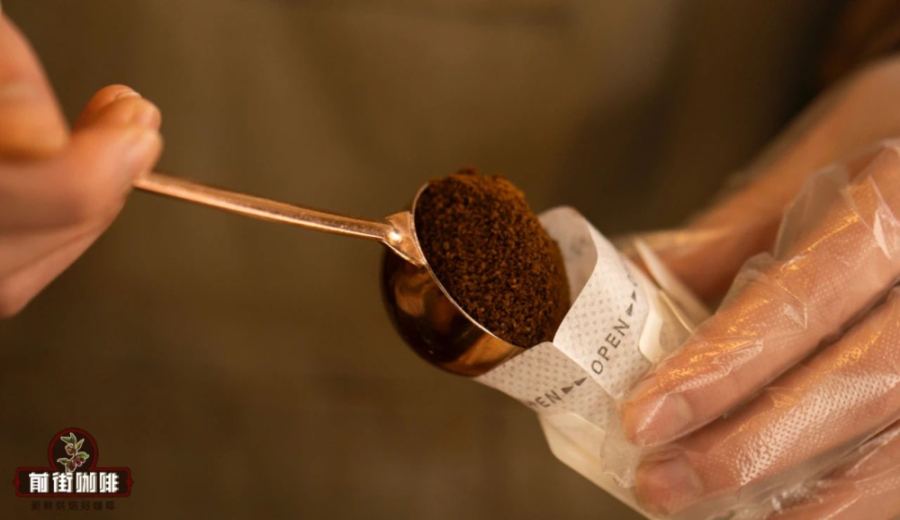
Drip bags are portable drip-filtered coffee made by grinding freshly roasted beans to a medium-coarse consistency, placing them in filter bags equipped with built-in filters, and then packaging them individually in sealed pouches. The brewed coffee is typically pure black coffee, free from added sugar, milk, or flavorings, delivering an authentic representation of the coffee bean’s inherent flavor profile.
The benefits of drinking drip bag coffee include boosting energy, promoting metabolism, and offering a certain degree of fat-burning effect. Studies also indicate that moderate consumption of black coffee can help maintain vascular elasticity and has a positive impact on cardiovascular health. However, excessive intake may stimulate the central nervous system due to caffeine, leading to palpitations, irritability, or even insomnia. Psychologists also warn that long-term heavy consumption may increase psychological stress. It is generally recommended that one 10g drip bag produces about 150ml of coffee liquid, and daily intake should not exceed two cups, adjusted according to individual constitution.
The brewing principle of drip bags is nearly identical to that of pour over coffee—both use appropriately heated water to uniformly extract coffee grounds, releasing flavor compounds. Therefore, choosing freshly roasted drip bag products is key. To maintain optimal flavor, many brands ship their products within five days of roasting to ensure consumers receive them at peak flavor. In the production process, coffee beans are ground immediately after roasting and proper cooling, then packed into individual 10g sealed filter bags to effectively preserve aroma and active compounds.
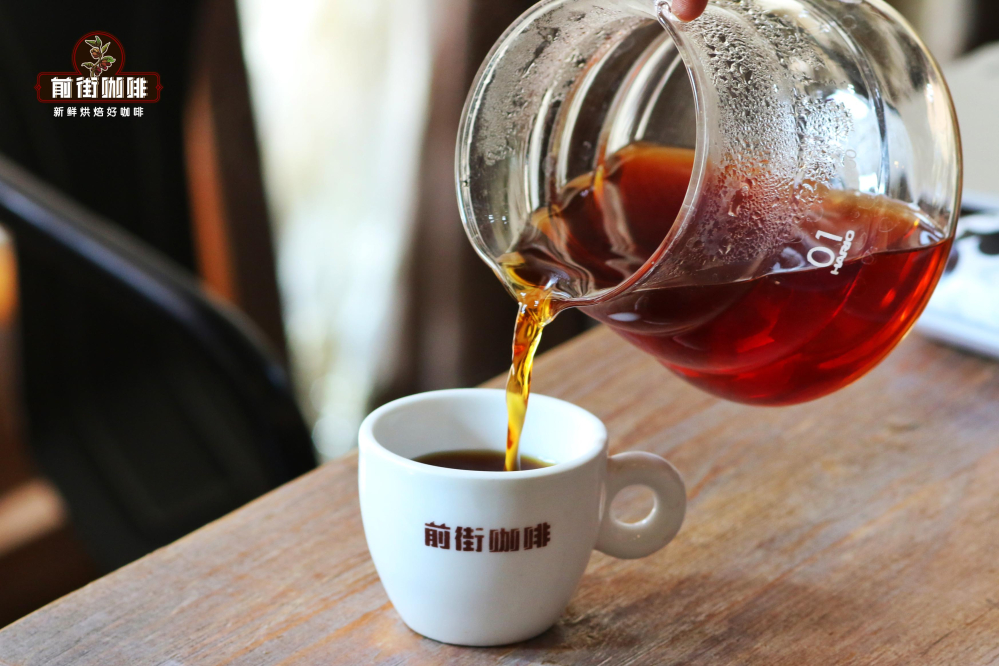
The different flavor profiles of drip bags come from the varieties of coffee beans used and their roast levels. If you prefer bright acidity and floral notes, you can opt for medium-light roasted products—for example, drip bags from the Yirgacheffe region, which often feature refreshing acidity reminiscent of lemon and blueberry. If you prefer a milder taste with balanced acidity and bitterness, medium-dark roasted Brazilian drip bags are a good choice, usually showcasing rich flavors such as nuts, caramel, and chocolate.
The correct way to brew drip bag coffee is completely different from that of tea bags—never soak the entire bag directly or for an extended period in hot water. First, take the drip bag out of its outer packaging, tear open the seal along the dotted line, gently pull apart the two “ears,” and hang it securely on the rim of your cup. It is recommended to use a straight-sided cup with a moderate diameter to avoid the water level rising above the bottom of the drip bag, which can affect extraction uniformity.
The choice of water temperature should be adjusted based on roast level: for light to medium roasted beans, it is recommended to use90-91°Chot water; for medium-dark to dark roasted beans, it is advised to lower the temperature to88-89°Cto avoid over-extraction or burnt, bitter flavors. The recommended coffee-to-water ratio is1:15, meaning 10 grams of coffee grounds to 150 milliliters of hot water—this ratio achieves a good balance between flavor and strength.
In practice, it is recommended to first pour about 20 milliliters of hot water to bloom the coffee, letting it sit for around 30 seconds to allow the grounds to fully expand and release aroma. Then, pour in a circular motion from the inside out to avoid over-extracting any single area. You can pour in three stages, pausing slightly after each pour to let the water fully interact with the coffee grounds. The total water volume is recommended to be 150 milliliters; if you prefer a stronger taste, you can reduce it to around 130 milliliters, adjusting according to personal preference.
Once all the hot water has filtered through, remove the drip bag, gently stir the coffee liquid in the cup, and enjoy. Depending on personal taste, you may also add milk, plant-based milk, or sugar. A special reminder for those sensitive to caffeine: it is advised to consume no more than 1–2 drip bags per day, and try to avoid drinking them after the evening. For a common 10g drip bag producing approximately 120ml of coffee liquid, the caffeine content is about 50mg—if consumed in the morning, it typically will not significantly affect nighttime sleep.
The above content is compiled by CoffeeHunters, a coffee news website.


