







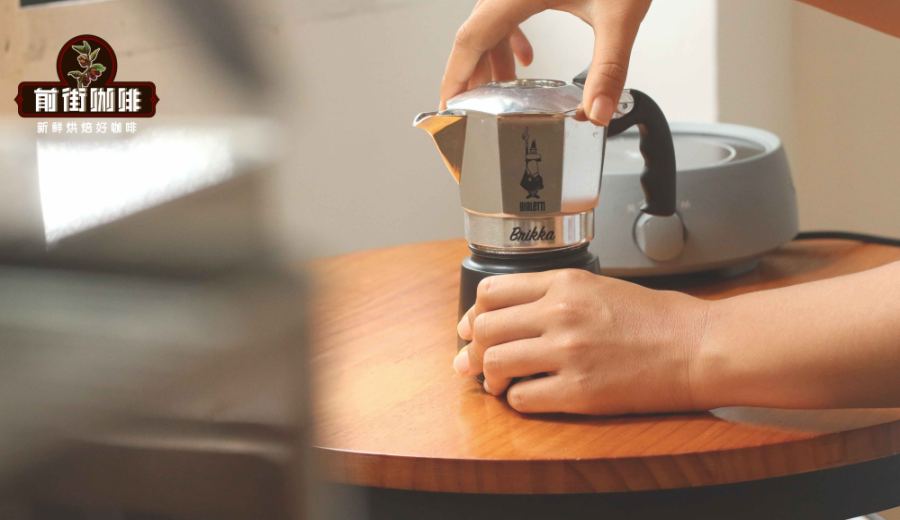
Introduction:Do you often encounter issues such as a burnt bottom or overly bitter coffee when brewing with a moka pot at home? This is often related to choosing an inappropriate roast level, improper heat control, or grinding the coffee too finely. This article takes an in-depth look at these three common mistakes, offering practical advice on bean selection, heat adjustment, and grind size references to help you brew a smooth, non-bitter moka pot coffee with rich aroma.
The moka pot brews coffee using high temperature and pressure, a method similar to that of an espresso machine, capable of releasing rich coffee aroma and intense flavor in a short time. However, many people encounter problems at home, such as burnt black residue at the bottom of the cup or the entire brew tasting excessively burnt and bitter. These issues usually stem from three main factors: the roast level of the coffee beans, heat control during brewing, and the fineness of the coffee grind. By mastering these three key aspects, you can effectively improve extraction quality and brew a smooth, flavorful cup.
1. Too Dark a Roast Can Lead to Bitterness and Residue
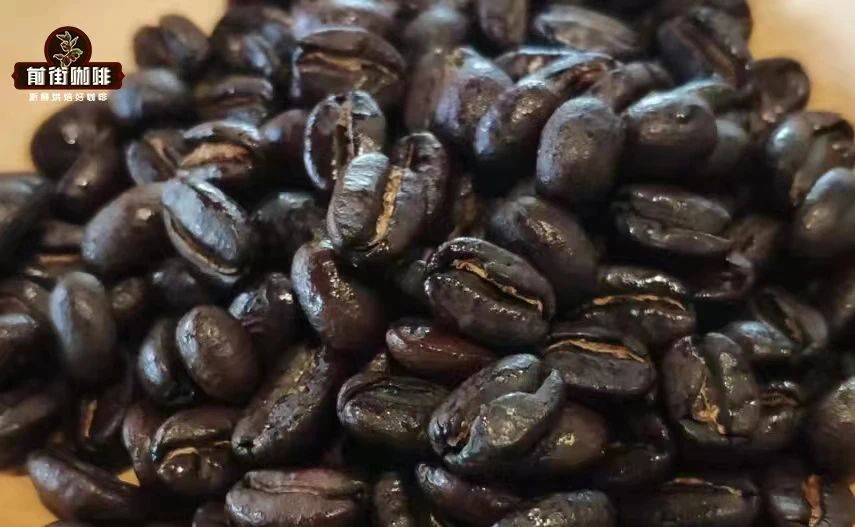
Moka pot extraction is a high-pressure process. Using overly dark-roasted beans can cause excessive caramelization, releasing too many bitter-tasting compounds, resulting in a coffee that is both bitter and astringent, along with black burnt residue at the bottom. It is recommended to choosemedium-dark roastedblends or single-origin beans. This roast level preserves coffee aroma without producing overly heavy bitterness due to over-roasting.
For those just starting out with a moka pot, consider medium-dark roasted blends such as Indonesian Mandheling and Brazilian beans. These beans typically have moderate body and a balanced acidity and sweetness, making them ideal for practicing extraction. If you prefer single-origin beans, try medium-roast beans from Central or South America, such as those from Brazil or Papua New Guinea, which often feature nutty notes and subtle sweetness, showcasing the moka pot’s rich characteristics.
2. Excessive Heat Can Cause Splattering and Burnt Bottoms
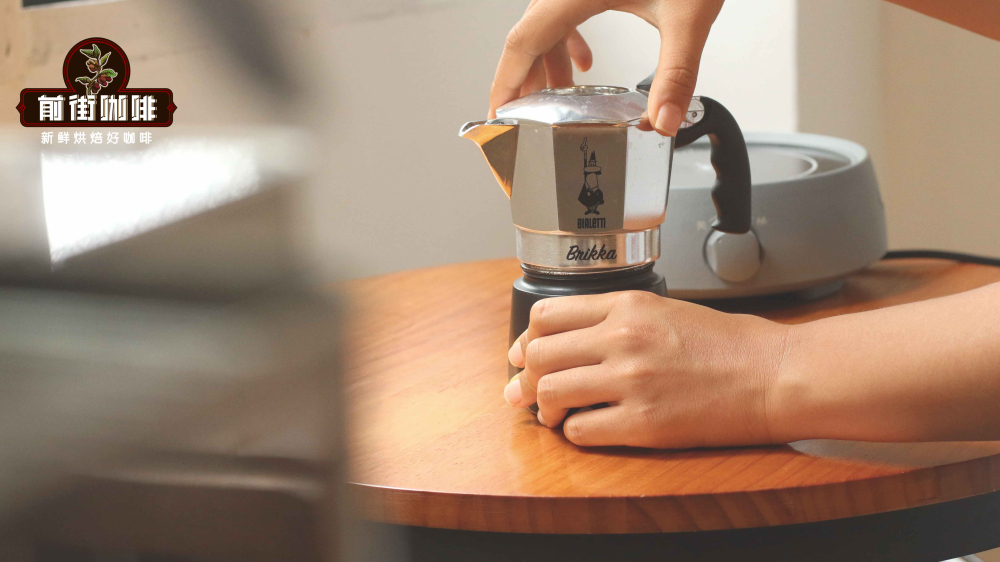
During moka pot brewing, water in the lower chamber is heated to boiling, turning into steam pressure that pushes the coffee up into the upper chamber. Once the coffee begins to flow, it indicates that sufficient pressure has been achieved. If you continue using high heat at this point, the steam volume will rapidly increase, creating excessive pressure that may cause the coffee to erupt in a jet-like stream. This not only affects taste but may also lead to burns or a messy stovetop.
When you notice that the coffee is flowing out steadily,immediately reduce the heator remove the moka pot from the heat source to maintain stable extraction pressure. This not only prevents coffee splattering but also keeps the lower chamber from overheating and burning at the bottom. A steady medium heat is ideal for most household gas stoves, ensuring a smoother brewing process and more balanced coffee flavor.
3. Too Fine a Grind Can Impede Water Flow and Over-Extract
The grind size needed for a moka pot falls between that of pour over and espresso, generally recommended to be around0.3~0.55mmin particle size—similar to fine salt, yet still with a slight grainy feel. If ground too finely, the coffee grounds become overly compacted, hindering water flow, leading to over-extraction, and resulting in a bitter, off-flavored cup. If ground too coarsely, water flows too quickly, making the coffee taste weak and bland, unable to fully extract the flavors.
In practice, you can experiment multiple times to find the optimal grind size for your specific moka pot. If you hear the water in the lower chamber boiling but the coffee isn’t flowing out promptly, it’s likely the grind is too fine—turn off the heat immediately to avoid over-extraction. Conversely, if the coffee flows out too quickly, appearing watery and lacking rich aroma, the grind might be too coarse, so try a slightly finer grind next time. Adjusting grind size is a crucial step in improving moka pot performance, requiring patience and observation.
The above content is compiled by CoffeeHunters, a coffee news website.


