







Introduction:To brew a delicious cup of pour over coffee, mastering the coffee-to-water ratio and pouring technique is key. This article delves into the seven core elements of pour over brewing, including bean freshness, grind size, water temperature, filter choice, water quality, coffee-to-water ratio, and time control. It also details the practical steps of the three-stage pouring method. From blooming to segmented pouring, it guides you step-by-step on how to adjust ratios and techniques based on different flavor preferences, and includes a complete brewing example of the classic Golden Mandheling to help you get started with ease.
One of the most common questions when brewing pour over coffee at home is: how much water should be used with how much coffee? This seemingly simple coffee-to-water ratio is actually one of the key factors that influence the flavor profile of a cup of coffee. An incorrect ratio may lead to over-extraction, resulting in bitterness, or under-extraction, leading to weak flavors. Drawing from years of hands-on experience, we break down the pour over process into seven main elements: fresh coffee beans, grind size, water temperature, water quality, filter type, coffee-to-water ratio, and extraction time. We also provide the most universal and stable reference of a 1:15 coffee-to-water ratio, suitable for most coffee enthusiasts as an entry point.
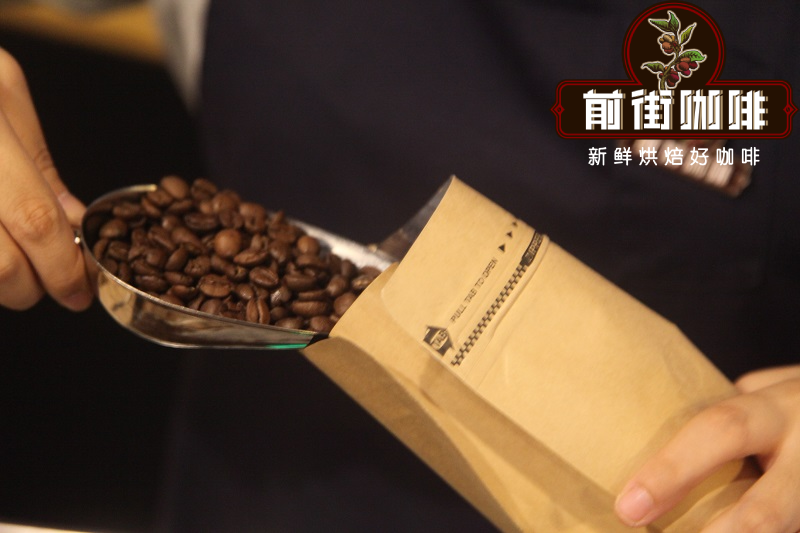
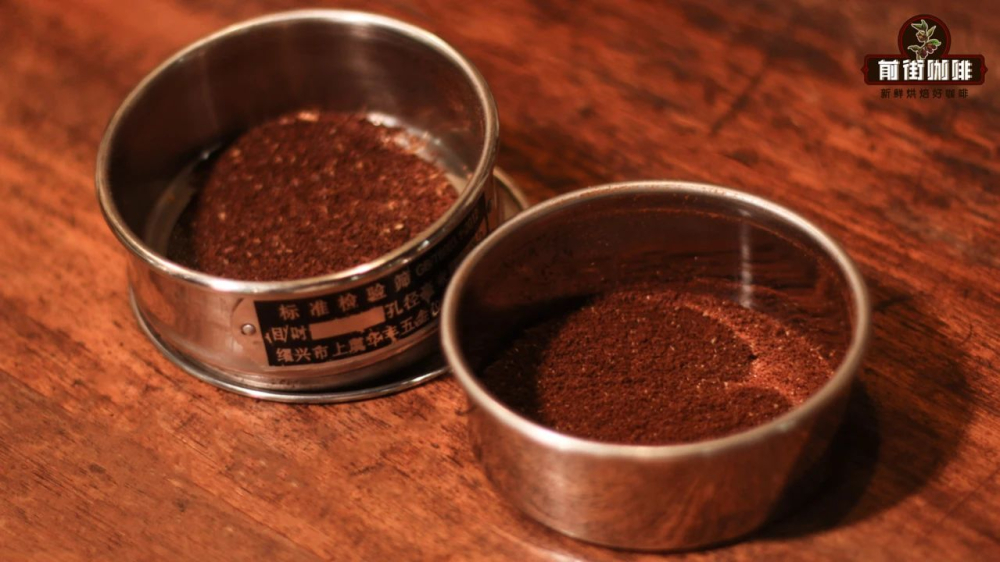
The seven essential elements of pour over coffee are fundamentals that anyone looking to improve their pour over skills should understand. First up isCoffee Bean Freshness. Generally speaking, the first 30 days after roasting are the optimal flavor window for coffee, during which the aromatic compounds in the beans remain highly active and can fully express their flavor characteristics. Beyond this period, the aroma gradually dissipates as carbon dioxide is released, resulting in flat-tasting coffee. Additionally, it’s recommended to use a #20 cupping sieve (0.85mm aperture) to check whether the grind size is appropriate. Take 10 grams of coffee beans, grind them at your target grind setting, and sift them. If the final fine powder ratio is around 80%, it suits medium to light roasts; if it’s 70%–75%, it’s better matched to medium to dark roasts.
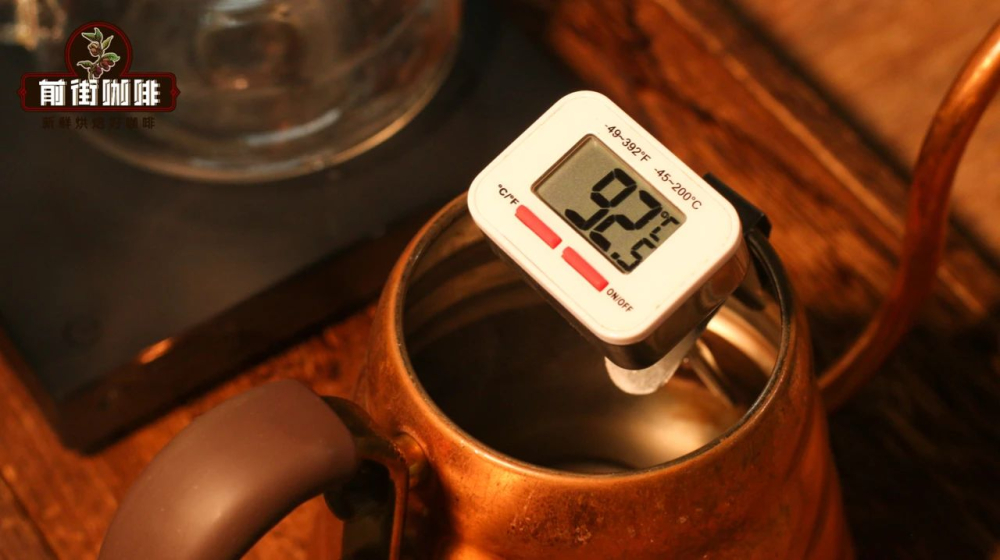
Next isWater Temperature Selection. Water temperature has a significant impact on coffee beans of different roast levels. Generally, for medium to light roasts, a water temperature of 90–91°C is recommended to fully bring out acidity and aroma; for medium to dark roasts, it’s best to lower the temperature to 87–89°C to avoid over-extraction, which can cause off-flavors or bitterness. Too low a temperature can lead to under-extraction, while too high a temperature may release excessive undesirable substances.
When it comes toWater Quality, it should not be overlooked. Minerals in water such as calcium, magnesium, sodium, and potassium directly affect the chemical reactions during extraction, thereby altering the final flavor profile. It’s not advisable to use tap water directly for heating and brewing, as it often contains impurities and chlorine that can produce unpleasant tastes. Filtered soft water or medium-hard water is recommended, as it can better highlight the delicate layers of coffee.
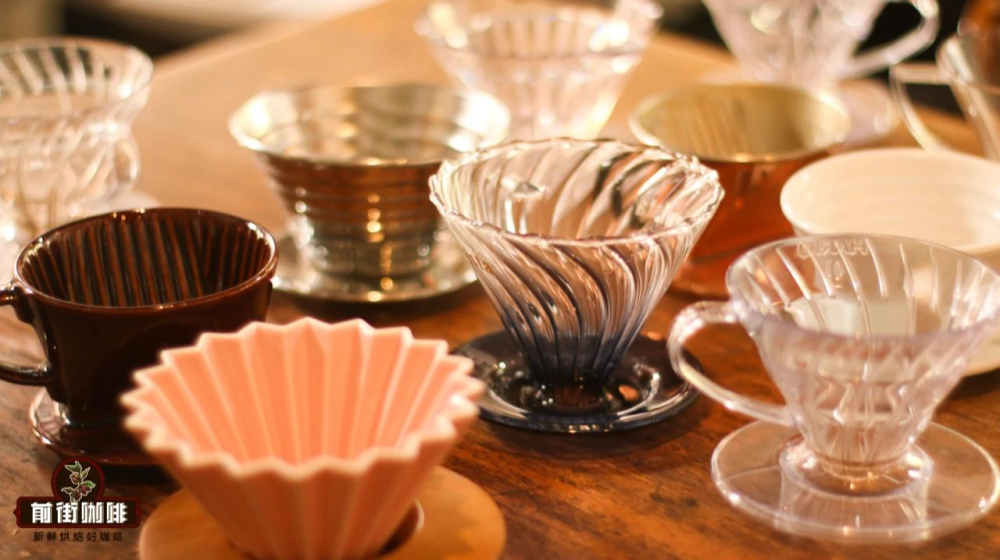
Regarding filter choice,the V60 01 filteris a top pick for many beginners. Its conical design combined with spiral ribs helps ensure smooth airflow, allowing water to pass steadily through the coffee grounds, thereby improving overall extraction uniformity. While the mouthfeel may not be as bold as that from thicker filters, its clear sweetness and acidity along with high aroma expression make it ideal for appreciating the nuances of coffee.
Now, here’s the crucial part—Coffee-to-Water Ratio. This is the most direct factor determining the strength and extraction efficiency of a cup of coffee. According to the SCA Golden Cup extraction theory, different ratios yield distinctly different flavor profiles:
- Bold Flavor: 1:10~1:11 (Golden Cup range approximately 1:12.5~1:13.5)
- Medium Flavor: 1:12~1:13 (Golden Cup range approximately 1:14.5~1:15.5)
- Light & Refreshing: 1:14~1:16 (Golden Cup range approximately 1:16.5~1:18.5)
Among these,1:14.5~1:15.5 is the most recommended golden range, achieving the Golden Cup standard for extraction rate (18%–22%) and concentration (1.15%–1.35%). It’s also the commonly suggested 1:15 ratio. For example, using 15 grams of coffee with 225 grams of water yields a standard single-serving pour over coffee.
Finally,Extraction Timeshould also be taken into account. Under normal circumstances, when using 15 grams of coffee and a 1:15 coffee-to-water ratio, the total extraction time is recommended to be within 2 to 2 minutes and 30 seconds. This balances flavor intensity and complexity, avoiding over-extraction or under-extraction issues.
After discussing the seven key elements, let’s move on to the practical focus—Three-Stage Pouring Technique. This pouring method is favored by many beginners, as it allows for clear differentiation between the front, middle, and back notes of the coffee, and helps stabilize extraction performance by controlling the pouring rhythm.
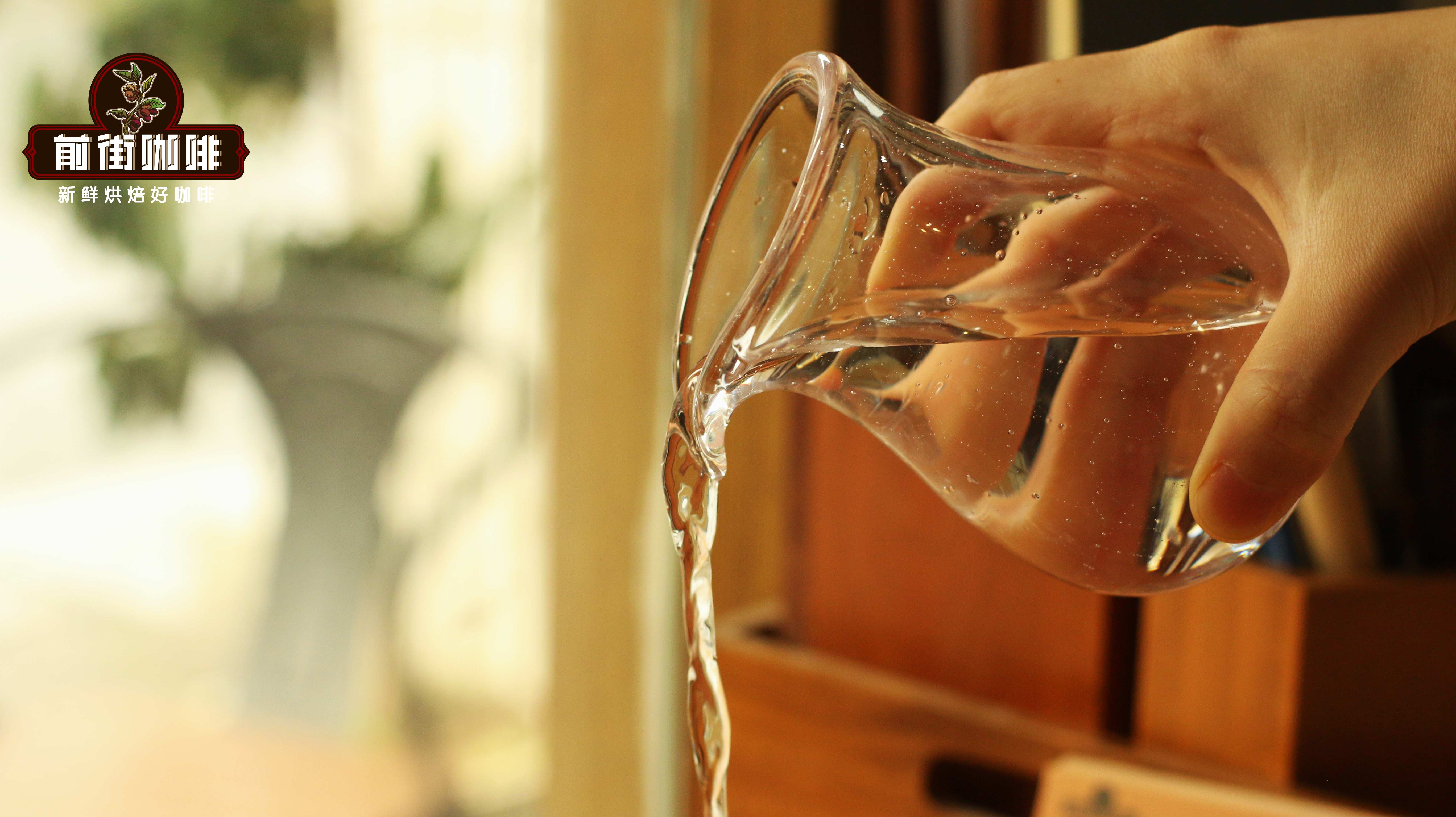
The basic logic of the three-stage pouring method is to divide the total water volume into three stages. Typically, water is added again when the liquid level is about to drop to the surface of the coffee bed, with adjustments made to the pouring speed as needed. First comes theBloom. This step releases carbon dioxide from the coffee grounds, allowing subsequent water to penetrate more evenly. It’s recommended to use about twice the amount of water as coffee grounds (e.g., 30 grams of water for 15 grams of beans) for blooming, for around 30–40 seconds. The blooming pour should be gentle to avoid too much liquid flowing through quickly, which could cause premature loss of aromatic compounds or over-extraction of unwanted flavors.
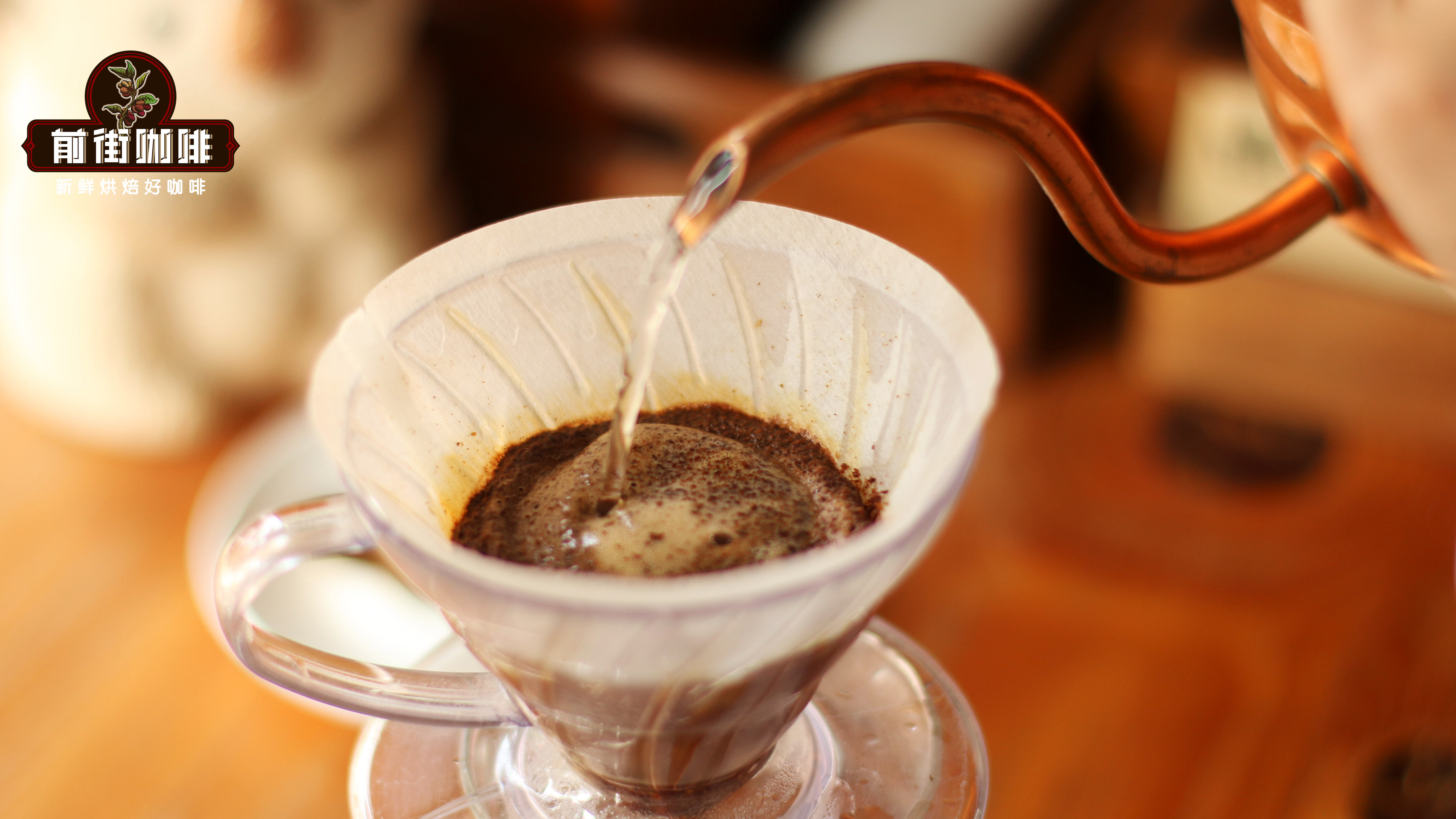
After blooming, proceed to the first main pour. It’s recommended to start pouring from the center of the coffee bed in small circular motions, covering an area about the size of a coin, gradually expanding outward, and pausing when the water volume reaches around 125 grams, allowing the coffee bed to absorb the water and begin releasing its flavors.
Next is the second pour. When the water level begins to noticeably drop, just before the coffee bed becomes exposed, continue adding water in circular motions from the center until the total volume reaches 225 grams. This stage can involve slightly increasing the pour speed to agitate the bottom coffee particles, encouraging the release of more soluble substances. At the same time, be mindful of the rhythm to avoid long pauses that might result in uneven extraction in the final phase.
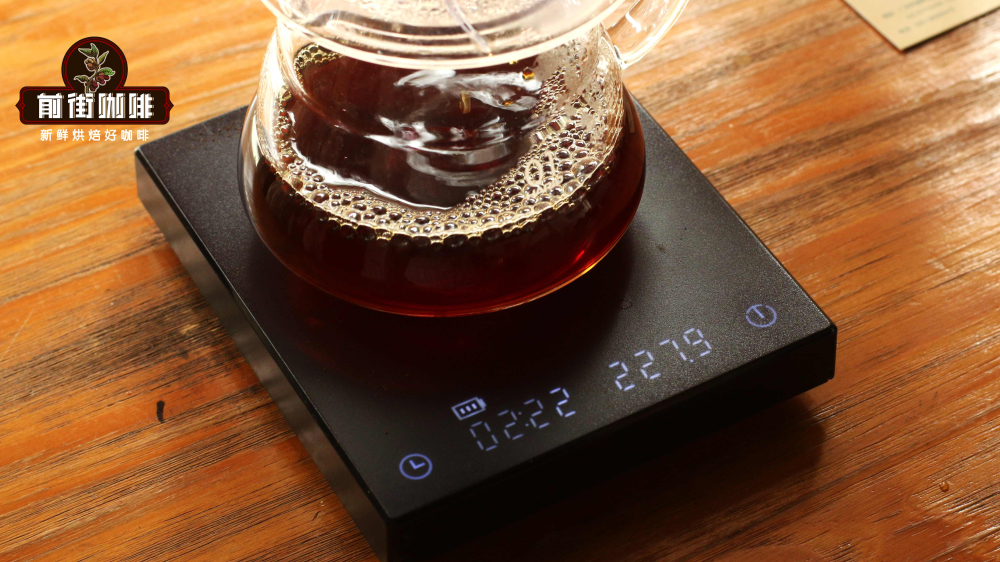
Finally, using Golden Mandheling as an example, here’s a complete practical guide. This bean, produced in Sumatra, Indonesia, is a dark roast with rich aromas of nuts, spices, and caramel. It’s recommended to use a Kono filter, with water temperature controlled at 86°C, grind size around EK43s setting 11 (medium-fine, akin to superfine sugar), 15 grams of coffee, paired with a 1:15 coffee-to-water ratio, and a total of 225 grams of water. After a 30-second bloom, pour sequentially to 125 grams and then 225 grams, with the total extraction time kept around 2 minutes to fully showcase its full-bodied and balanced flavor profile.
By mastering these foundational elements and practical techniques, even novice pour over enthusiasts can consistently brew a cup of coffee with clear flavors and layered complexity. Remember, each bean has its own personality. Through continuous adjustments and experimentation, you’ll discover the golden combination that best suits your palate.
The above content is compiled by CoffeeHunters, a coffee news website.


