







Introduction:Delve into the origin of Yunnan’s small-grain coffee varieties, the distinctive characteristics of its major growing regions, and the differences in processing methods. Explore how washed and natural processes impact flavor. This article takes you through the history of the Catimor variety and offers a practical hand-brewing guide using the KONO filter along with precise parameters to help you fully highlight Yunnan coffee’s charming notes of nuts, chocolate, and brown sugar.
Many people’s first impression of coffee is that it’s a foreign beverage, but in fact, Yunnan, China, has long been one of the world’s important coffee-producing regions. According to data, Yunnan Province produced a total of 108,700 tons of coffee in 2021, gradually making its mark on the international market. Centered around Yunnan’s small-grain coffee, this article provides a comprehensive analysis of its unique flavor profile—from varietal evolution, regional terroir, to processing methods and hand-brewing techniques—and offers practical extraction suggestions to help you better appreciate the charm of this homegrown Chinese coffee.
What exactly is Yunnan’s “small-grain coffee”?
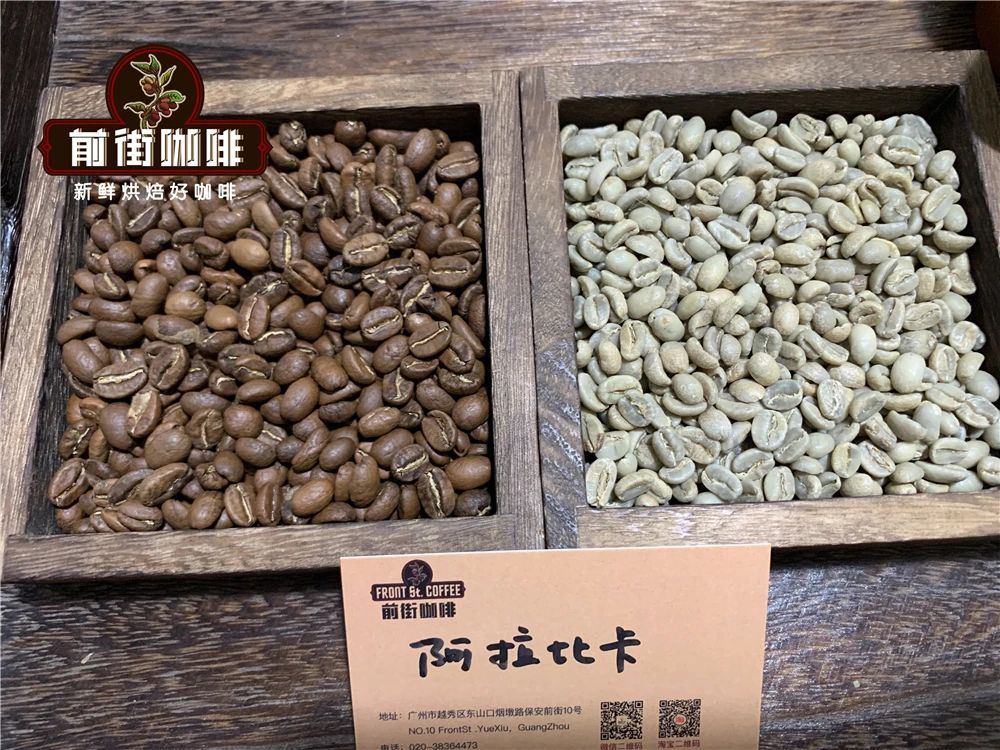
Yunnan’s small-grain coffee belongs to the Arabica species. Because its beans are relatively smaller compared to the medium-sized Robusta varieties grown in places like Hainan, it is commonly referred to as “small-grain coffee.” As early as 1904, French missionary Térrante des Essarts introduced the first batch of Typica variety coffee seeds to Zhukula Village, Binchuan, Dali, Yunnan, marking the beginning of local coffee cultivation. Typica, as a pure Arabica lineage, is known for its delicate taste and rich fruit acidity, and is considered a high-quality coffee variety.
However, due to the global outbreak of coffee leaf rust and low market returns, Yunnan’s coffee cultivation once declined. It wasn’t until the 1980s, after the reform and opening-up period, that with the push of foreign enterprises like Nestlé, the disease-resistant and high-yield Catimor variety was introduced, along with a stable purchasing mechanism, which revitalized Yunnan’s coffee industry. Today, Catimor has become the dominant variety planted in Yunnan, accounting for over 90% of production.
It’s worth noting that although Catimor is classified as Arabica, it is actually a hybrid of Timor (a rust-resistant variety) and Caturra, and contains about 25% Robusta genes. As a result, some Catimor beans are often considered less pure in flavor, sometimes exhibiting herbal or rough aftertastes. However, in recent years, local Yunnan producers have been committed to improving cultivation and post-harvest processing techniques, leading to significant quality improvements.
Major Coffee-Growing Regions and Terroir in Yunnan
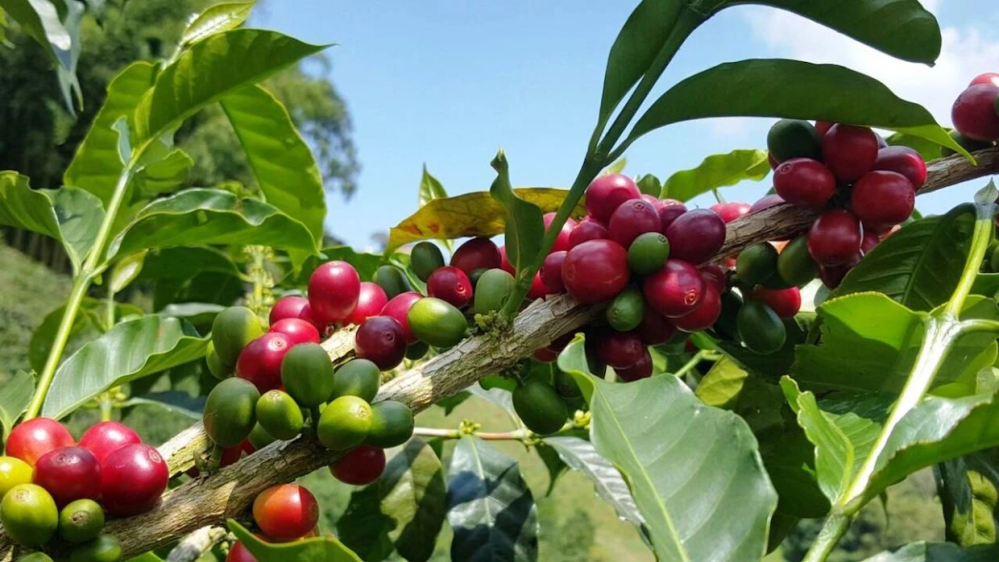
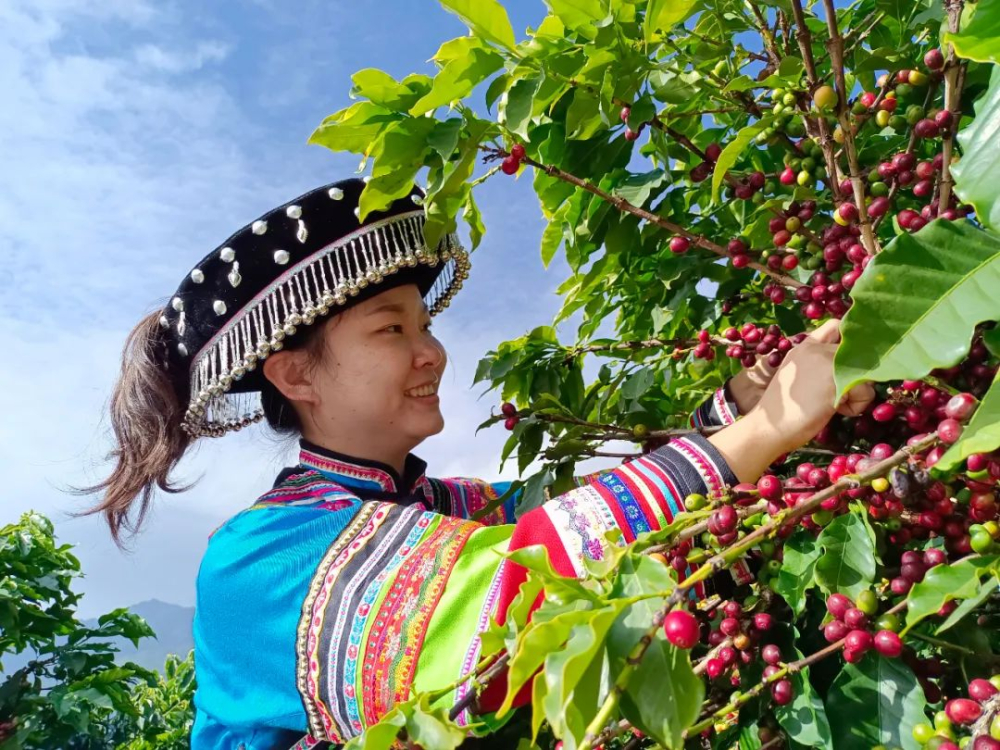
Currently, Yunnan’s coffee is cultivated across nine prefecture-level cities including Pu’er, Baoshan, Dehong, Lincang, and Xishuangbanna, spanning a total of 35 counties. Among them, Baoshan, as a pioneer in the industrialization of Yunnan’s coffee industry, has a history dating back to the mid-1950s. In particular, the Lugujiangba area, located in a dry-hot valley, benefits from a unique climate with no frost all year round and large diurnal temperature variations, giving rise to small-grain coffee with intense flavors and pronounced sweetness.
Yunnan’s small-grain coffee from Baoshan was exported to the UK in the late 1950s, where it was rated as a first-class product and earned the reputation of “Lugujiang No. 1,” demonstrating its internationally recognized quality. Coffee from this region typically features uniformly plump beans, a fresh aroma, and a rich mouthfeel, making it one of the representative producing areas to experience authentic Yunnan flavor.
The Impact of Processing Methods on Yunnan Coffee Flavor
Due to limitations in local processing equipment and technical conditions, most Yunnan coffee still primarily uses traditional washed and natural processes. Washed processing reduces defect rates, enhancing overall cleanliness and stability of the coffee, making it suitable for showcasing clear, bright acidity and a balanced flavor profile. Natural processing, on the other hand, can intensify sweetness and fruitiness, but requires strict control of the fermentation process to avoid off-flavors.
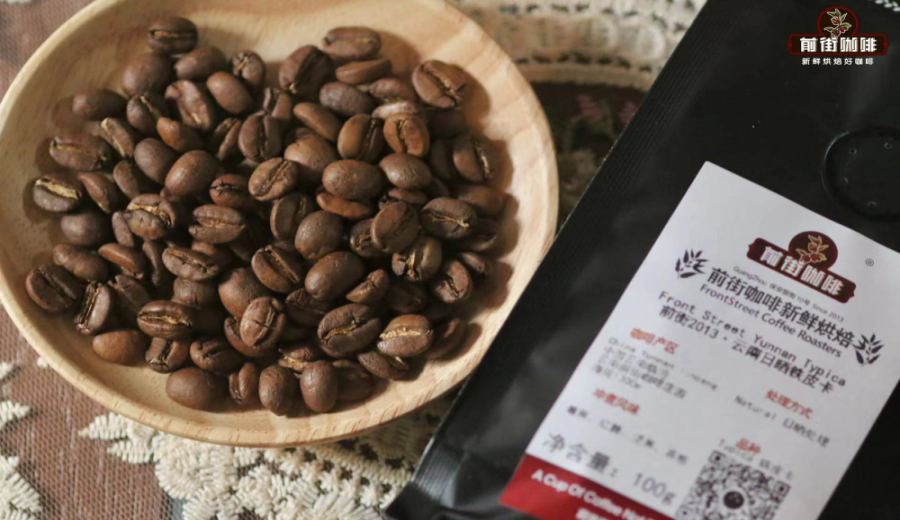
For example, one brand once launched a “2013 Natural Typica” sourced from its own estate in Lincang. Using high-quality Typica beans and undergoing prolonged sun drying, the coffee exhibited a rich tropical fruit fermentation character and a long-lasting aftertaste. In contrast, washed Catimor displayed nutty and berry dry aromas, with a soft sweetness of chocolate, brown sugar, and herbs on the palate, balanced acidity akin to plums, and an overall harmonious and layered performance.Generally speaking, Yunnan’s small-grain coffee does not possess the intense floral and fruity notes of African beans, nor the bold and heavy body of American beans, nor the unique spice flavors of Indonesian beans. Its overall performance tends to be balanced, with a mix of acidity, sweetness, and bitterness. It is well-suited for medium roasting to highlight chocolate and nut aromas while retaining moderate acidity.
Hand-Brewing Recommendations and Practical Parameters for Yunnan Small-Grain Coffee
If you’d like to brew Yunnan small-grain coffee at home to bring out its richness and sweetness, it is recommended to use the KONO filter along with a medium-roast everyday drinking bean. Since such beans are relatively loose in texture and have a high water absorption rate, it is suggested to usea 20-number standard sieve with an approximately 75% filtration rate, ground to a medium-coarse level, and brewed at90°C water temperatureto better highlight the nutty and chocolatey tones.
Below are the experimentally recommended KONO filter hand-brewing parameters:
- Filter:KONO filter
- Water Temperature:90°C
- Grind Size:20-number sieve with approximately 75% filtration rate (medium-coarse)
- Coffee-to-Water Ratio:1:15
- Coffee Dosage:15 grams
- Total Extraction Time:Approximately 2 minutes (±10 seconds allowable error)
It is recommended to use a three-stage extraction method: first, pour 30 grams of water for a 30-second bloom, using a small stream to circle evenly from the inside out; then pour 95 grams of water, and after the flow slows, pour the final 100 grams until extraction is complete. This method helps enhance body and flavor balance.
The KONO filter only has exhaust ribs at the one-quarter position. When the water level exceeds this point, increased internal pressure extends the contact time between water and coffee grounds, allowing more soluble substances to be fully released, thereby enhancing the coffee’s full-bodied mouthfeel.
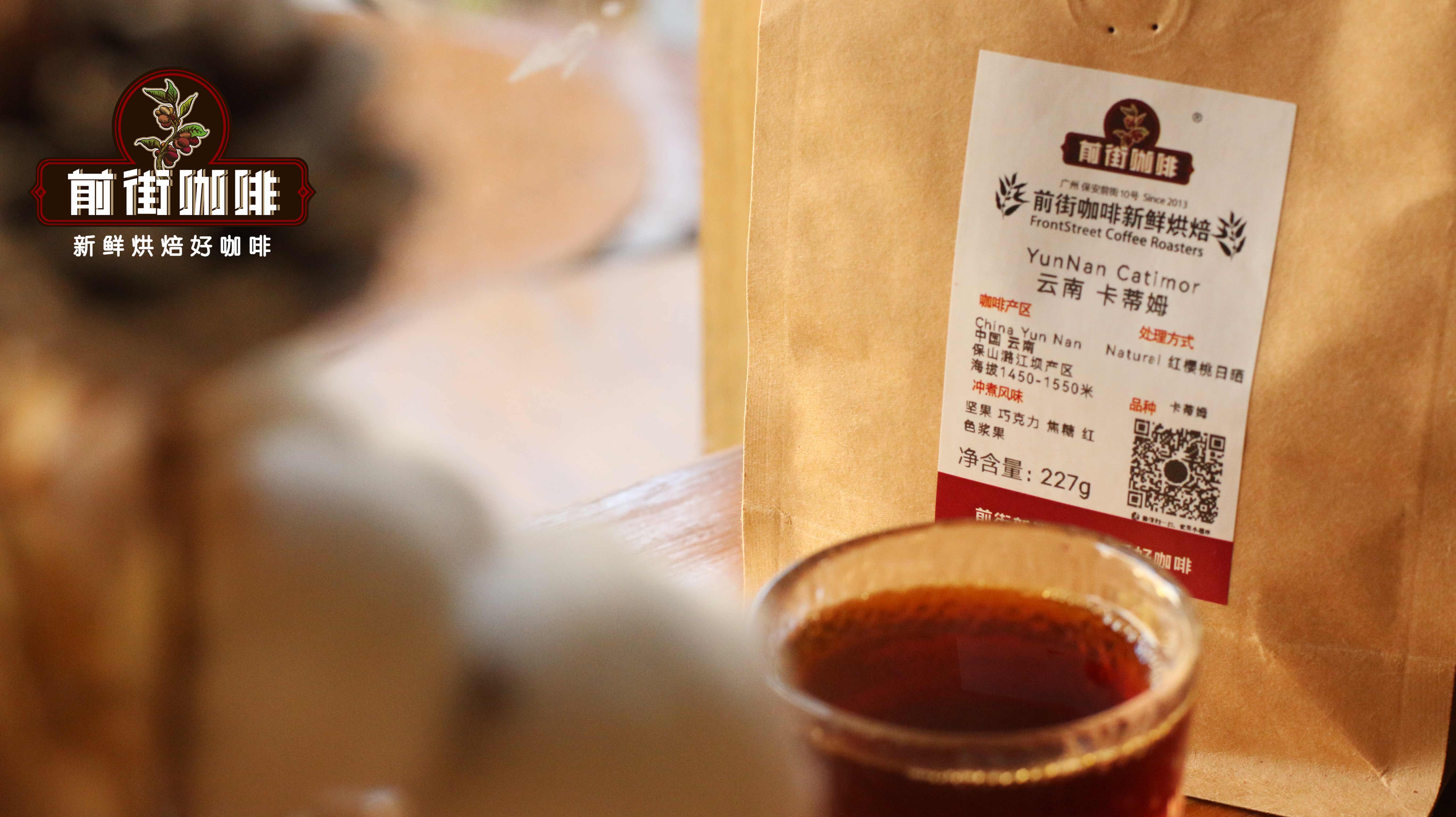
In summary, Yunnan small-grain coffee, with its balanced flavor, nutty and chocolatey core, and moderate acidity, has become the top choice for many coffee enthusiasts exploring homegrown Chinese coffee. Whether it’s the clarity and layering of washed coffee or the sweet fermentation notes of natural coffee, mastering the right roast level and brewing parameters will allow you to fully showcase its unique charm.
The above content is compiled by CoffeeHunters, a coffee news website.


