







Introduction:An in-depth analysis of the washed, natural, and honey processing methods of Panama’s Finca El Velo Geisha, helping you understand the unique flavor profiles brought by each method. We also detail the V60 three-stage pour over technique and key parameters, offering practical advice on everything from light to medium roast levels to coffee-to-water ratios, all designed to fully unlock the floral, fruity aromas and layered complexity of Geisha.
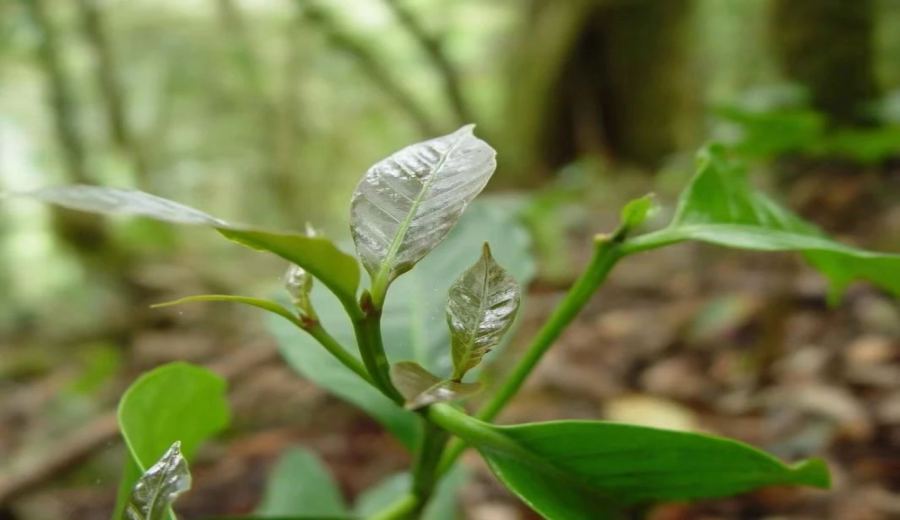
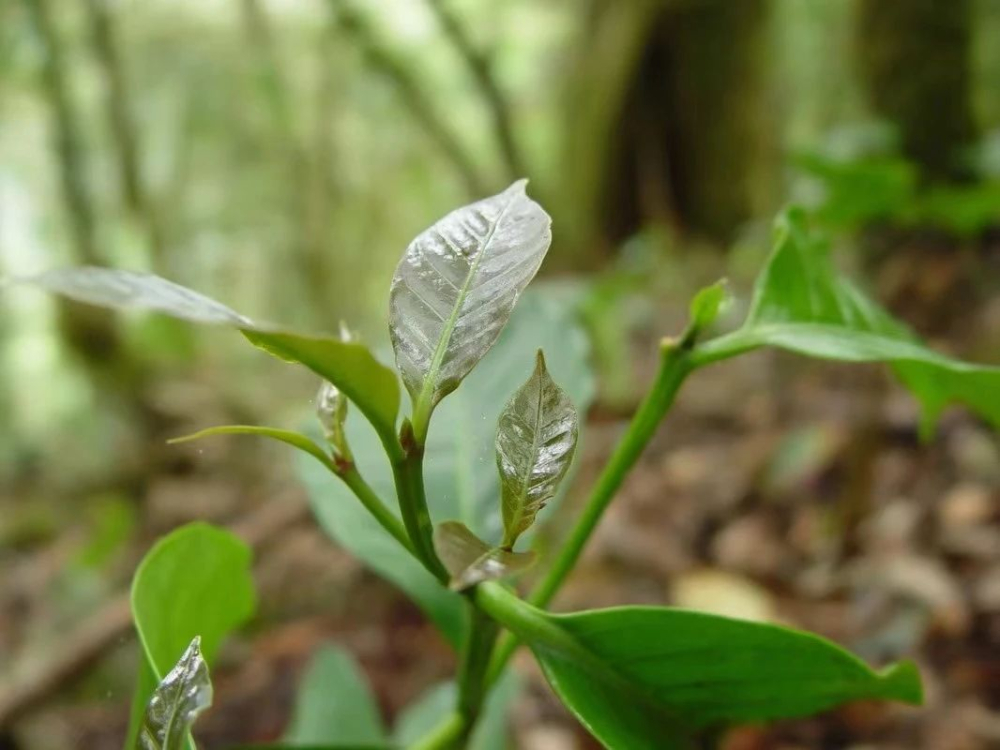
Geisha coffee is renowned in the specialty coffee market for its delicate floral notes and vibrant fruit character. Originating from the Gesha forest in Ethiopia, it made its way to Panama via Costa Rica, eventually shining at Finca El Velo and becoming a star variety in international competitions. This cultivar is particularly demanding in terms of growing conditions, thriving best at altitudes above 1,500 meters, and its challenging cultivation and harvesting process contribute to its rarity and high price.
At Finca El Velo in the Boquete region of Panama, Geisha benefits from an exceptional microclimate, showcasing intense floral, citrus, and tea-like qualities. The coffee’s washed, natural, and honey processing methods further impart distinctly different flavor directions. Understanding these processing differences can help you choose the Geisha beans that best suit your taste.
Washed Geisha typically exhibits higher acidity and a clean mouthfeel, with flavors dominated by citrus, lemon, and white flowers, and a finish that carries light green tea and honey notes. This method removes the fruit pulp and ferments to remove the mucilage, resulting in a bright acidity and clear layered profile — ideal for those who prefer a refreshing cup.
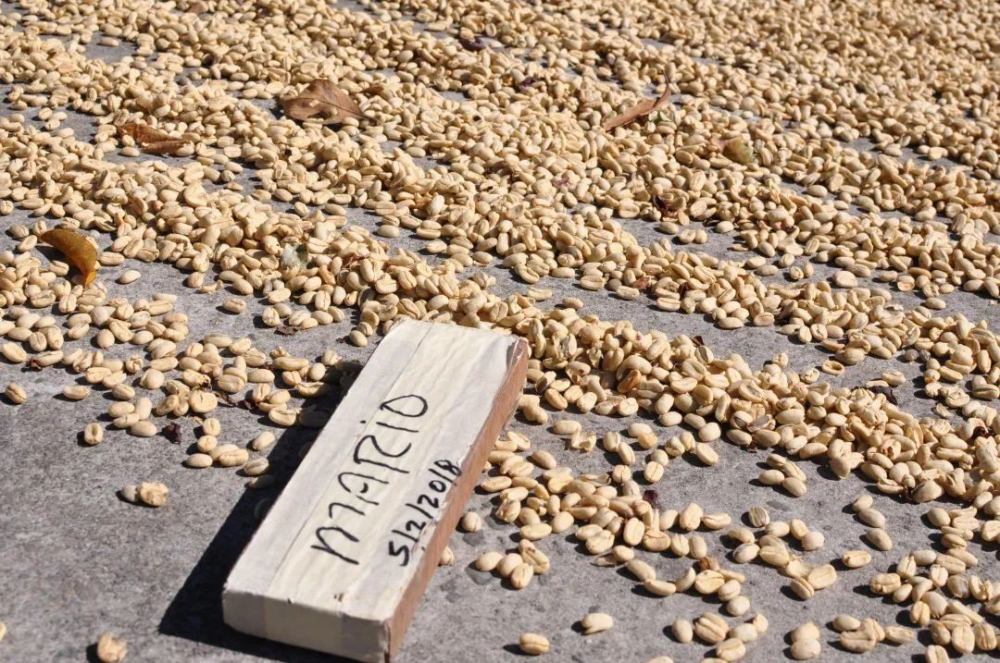
In contrast, naturally processed Geisha displays intense fruitiness and a syrupy sweetness, often featuring tropical fruits such as mango and berries, along with wine-like and chocolatey finishes. As the fruit dries in prolonged contact with the seeds, the resulting flavors are richer and more full-bodied — perfect for coffee lovers who enjoy sweet and complex profiles.
Honey processing falls between washed and natural methods. By retaining part of the fruit mucilage during drying, it gives the coffee a fuller body, along with pronounced caramel, honey, and peach notes. This method demands strict control of weather and technique, but when done right, it achieves an exceptionally balanced cup — sweet yet not cloying, with rich aromatic complexity.
Thanks to its high-altitude cultivation and meticulous processing, Finca El Velo’s Geisha is typically roasted to a light to medium level, aiming to preserve the bean’s inherent acidity and aroma. While light to medium roasts highlight fruity and floral characteristics, they also require more precise extraction to avoid underdeveloped or over-extracted flavors. It is recommended to use water at 91–92°C and a grind size as fine as caster sugar (approximately 80% passing through a #20 sieve) to fully release the aromatic compounds.
To enhance extraction evenness and layered expression, it is recommended to use the V60 dripper with a three-stage pour over method. The design of this dripper features a large central hole and spiral flow ribs, which extend the contact time between water and coffee grounds while improving extraction stability. The suggested coffee-to-water ratio is set at1:16, to highlight the floral and fruity notes of Geisha while maintaining overall flavor balance.
Practical pour over recommendations are as follows: coffee dose15 grams; the first stage involves pouring30 grams of waterfor a 30-second bloom to evenly saturate the coffee grounds and form a consistent dome; the second stage slowly adds95 grams of hot water, and once the coffee bed visibly sinks, proceed to the third stage with100 grams of wateruntil the dripping is complete. Throughout the process, use a small stream and circular pouring centered around the dripper to avoid over-extraction at the edges or under-extraction in the center.
After brewing, let it rest briefly and give it a gentle swirl before tasting. Starting from a high temperature, the Emerald Label Geisha offers a bright lemony acidity and delicate floral notes, such as the freshness of jasmine; as it cools, the flavors shift to berry sweetness and honey-like taste, with a finish that delivers the mellowness of green tea and a subtle hint of caramel. The overall mouthfeel is smooth and distinctly layered.
Whether you’re a beginner pour over enthusiast or a seasoned coffee connoisseur seeking specific flavor profiles, understanding the differences in Geisha processing methods and mastering the correct brewing techniques will allow you to experience the boundless charm of this exceptional specialty coffee more fully.
The above content is compiled by CoffeeHunters, a coffee news website.


