







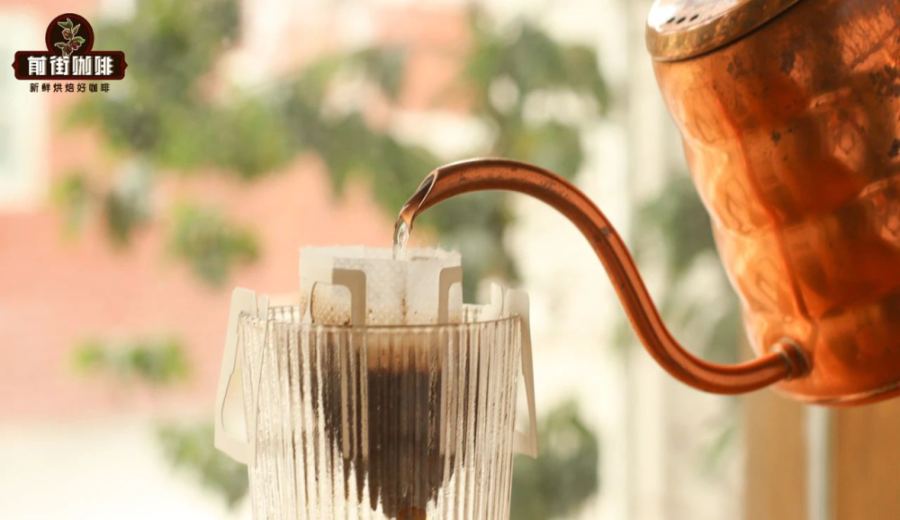
Introduction:Drip bags are often the first step for many people entering the world of specialty coffee, combining convenience with quality. But how do you get the right coffee-to-water ratio? What’s the ideal water temperature? Can you brew it more than once? This article will explain in detail the brewing parameters and techniques for drip bags, and take an in-depth look at the flavor profiles of drip bags from five major regions—Ethiopia, Kenya, Panama, Indonesia, and Honduras—so you can brew a cup of distinctly flavorful coffee either at home or in the office.
Thanks to their portability and ease of use, drip bags have become the go-to choice for many coffee beginners looking to explore specialty coffee. However, newcomers often have questions about “how much water to use, what water temperature to set, and whether it can be brewed multiple times.” This article will guide you through the key points of brewing drip coffee, including coffee-to-water ratios, pouring methods, optimal number of brews, and introduce the flavor characteristics of drip bags from five renowned producing regions one by one, enabling you to enjoy a consistently good cup of coffee on various occasions.
Many first-time coffee drinkers tend to confuse drip bags with pour over. Although both are forms of filtered brewing, due to their packaging and convenience-focused design, drip bags are usually slightly more expensive than regular roasted beans. So, can drip bags be “fully utilized” like tea, by repeatedly adding water for multiple infusions? In fact, the coffee grounds inside a drip bag can only be extracted once—repeated pouring will only bring out excessive woody off-flavors and bitterness.
This is because only about 30% of the flavor compounds in coffee beans are extractable, and these mainly come from compounds released during the roasting process. The remaining 70% consists of fiber, which cannot be transformed into pleasant flavors. Therefore,drip coffee is only suitable for single brewing.Multiple extractions not only degrade the taste but also waste high-quality coffee ingredients.
So, how do you properly brew a drip bag? First, most commercially available drip bags contain about10 gramsof coffee grounds, which eliminates the hassle of weighing them yourself. It is recommended to use a1:15 coffee-to-water ratio,meaning using 10 grams of coffee grounds with 150 milliliters of water, achieving the most balanced concentration and taste.
As for water temperature, it should be adjusted according to the roast level:medium-light roasts suit around 90°C, while medium-dark roasts are better at 88°C.If you don’t have a thermometer, you can turn off the heat after boiling the water, leave the lid slightly open, and let it sit for 2–3 minutes—the temperature will then be around 90°C (at room temperature of about 28°C). This temperature helps properly release the flavor compounds without causing over-extraction due to excessive heat.
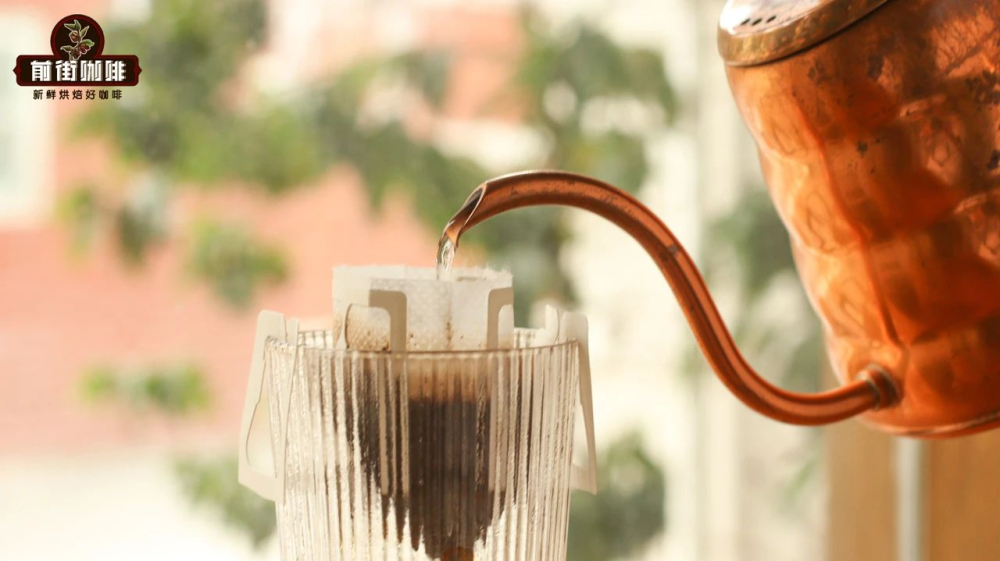
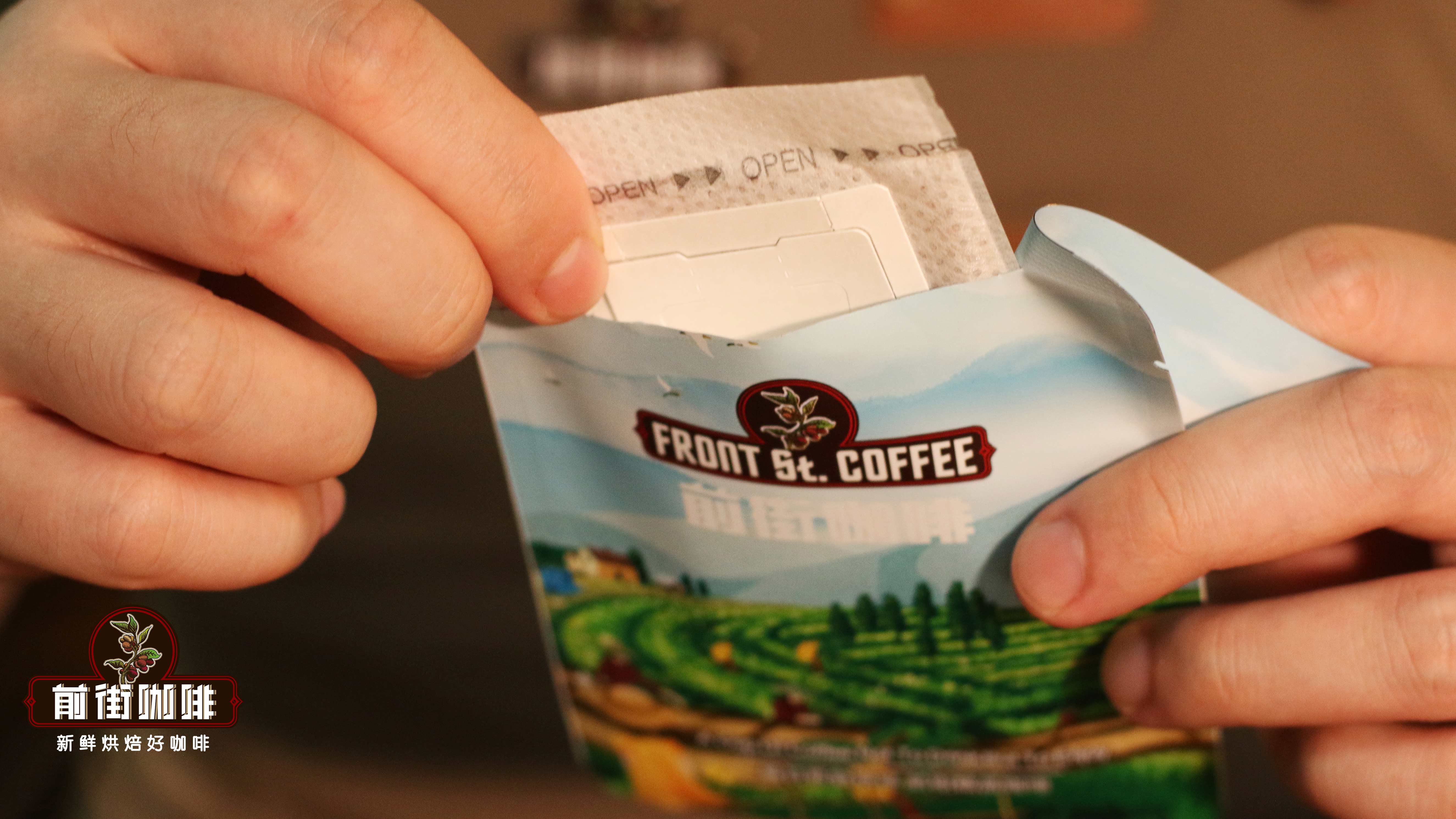
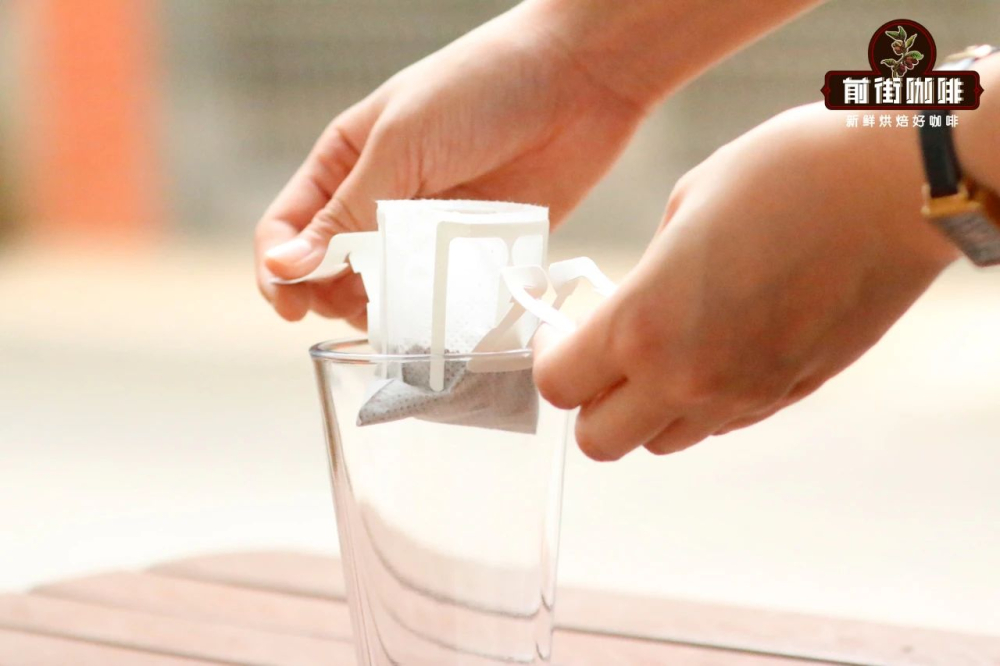
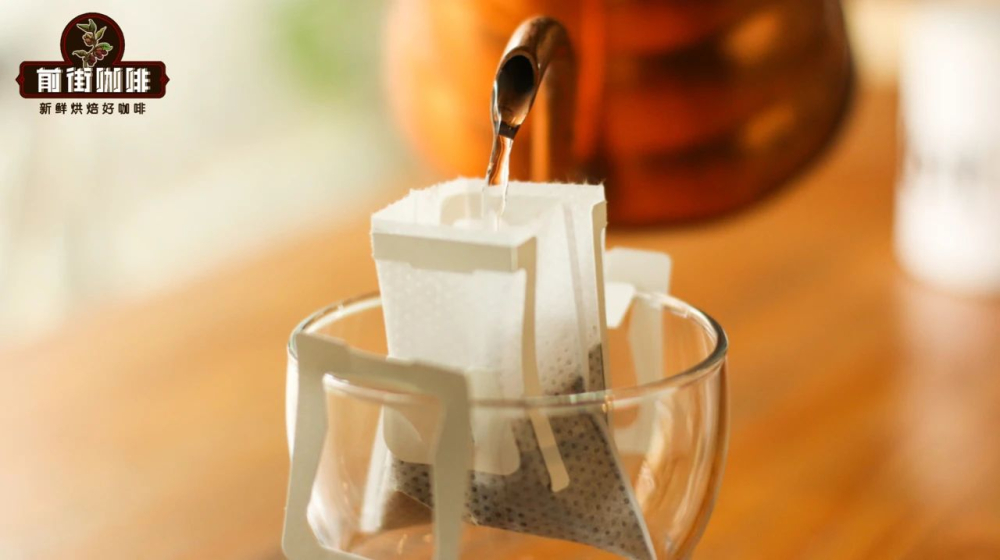
Once prepared, warm your cup to maintain the coffee temperature. Then, open the drip bag, unfold the two filter paper panels, and place it steadily over the cup’s rim. Gently shake the coffee bed to even it out, ensuring uniform water distribution in the next step. Start with the bloom phase by pouring20–30 grams of water,and let it sit for about 30 seconds. This step awakens the aromas in the coffee grounds, similar to the initial step in pour over.
After the bloom, begin the main pour. It’s recommended to use a slow, circular motion with a thin stream of water, waiting for the water level to drop slightly before continuing to pour until the total volume reaches140–150 milliliters.At this point, the coffee liquid should appear clear with an even color. For more precision, you can also pre-fill with 150–160 milliliters of water, pour all at once, wait for it to filter through, and then remove the drip bag. The whole process takes about one minute.
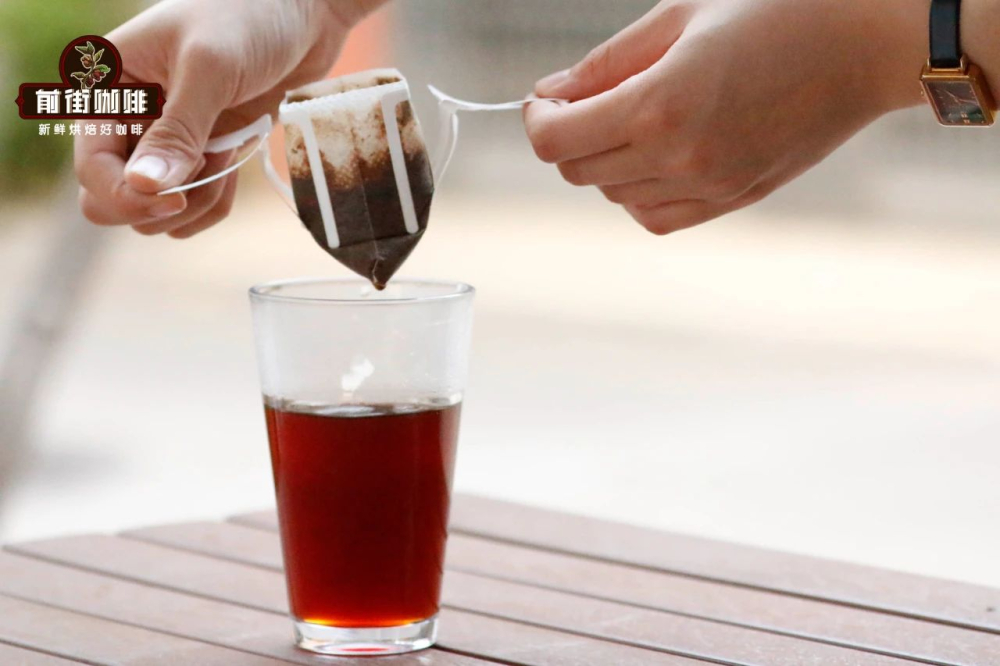
Since drip bags use pre-ground coffee, compared to whole beans, the flavor deteriorates more quickly. Therefore,it is recommended to drink it soon after brewingto enjoy the best flavor.
If you want to explore the unique characteristics of different coffee regions, there are also multi-region blend drip bags available on the market, allowing you to experience the distinctive flavors of globally renowned coffee-producing areas in one go. Below are five representative regional flavor profiles:
Ethiopia Yirgacheffe Natural Red Cherry
This naturally processed drip bag comes from the well-known Yirgacheffe region and is part of the local “Red Cherry Project,” initiated by Dutch green coffee trader Trabocca in collaboration with local farmers. By offering higher purchase prices, the project encourages careful harvesting and processing. During the natural drying process, the coffee cherries are fully retained with their pulp and dried on raised beds until they turn deep brown, resulting in rich sweetness and fermentation aromas.
Flavor profile: pronounced sweet and sour notes, with hints of lemon, berries, and wine-like aromas; the finish has a lasting citrus tone and a sweet aftertaste.
Kenya Assaliya
Kenyan coffee is known for its high-altitude cultivation and unique processing methods, mostly coming from smallholder farms around Mount Kenya. Its grading system is strict, with Grade AA and AB representing high quality. Kenyan coffee typically undergoes a longer fermentation period, often up to 72 hours, which contributes to its distinctive acidity and layered complexity.
Flavor profile: bright acidity with prominent notes of cherry tomato and black plum, a full-bodied mid-palate sweetness, and a finish that carries berry and brown sugar aromas, along with a subtle green tea note.
Panama Geisha Flower Butterfly
Panama is famous for its Geisha variety, and this Flower Butterfly drip bag contains 70% Geisha lineage, blended with Catuai and Caturra, grown at an altitude of 1,600 meters in the Baru Volcano region. The unique microclimate and meticulous processing give this coffee remarkable complexity and aroma, despite its accessible price.
Flavor profile: citrus, floral notes, honey-like sweetness, and a distinct tea-like body; overall the flavor is balanced and layered.
Indonesia Lintong Mandheling
Indonesian coffee is influenced by the region’s rainy climate, making traditional sun-drying or washed processing difficult. As a result, the unique wet-hulling method was developed. This method involves partial removal of the parchment layer before sun-drying, resulting in a thick, bold mouthfeel—a hallmark of Sumatran Mandheling flavor.
Flavor profile: prominent herbal, nutty, and cocoa notes, with a rich and steady taste.
Honduras Sherry
Honduras boasts a favorable geographical environment, and much of its coffee is grown by small estates. This sherry-flavored drip bag comes from the Mocha Estate in Masaguara, southern Honduras, and is known for its winey and creamy characteristics—an increasingly popular flavor profile in recent years.
Flavor profile: notes of vanilla, cream, and a pronounced sherry wine aroma; the flavor is bold and memorable.
By understanding the characteristics and processing methods of different regions, you’ll be able to more deeply appreciate the diverse flavors of drip coffee. Whether at home, in the office, or while traveling, you can enjoy your own unique coffee moment.
The above content is compiled by CoffeeHunters, a coffee news website.


