







Introduction:The Golden Mandheling from Gayo Mountain in Aceh, Sumatra, Indonesia, processed using the wet-hulling method, boasts a rich and sweet flavor profile with a full body. This article provides an in-depth look at the growing region, PWN’s rigorous selection process, characteristics of the Ateng variety, optimizations in the wet-hulling method, as well as professional roasting profiles and Kono filter cup three-stage pour over parameters to help you master the brewing techniques and layered flavors of this classic Mandheling.
Gayo Mountain in Aceh, Sumatra, is a renowned high-altitude coffee-growing region. The Golden Mandheling from here, with its rich, full-bodied and sweet characteristics, has become a top choice for many coffee enthusiasts trying Indonesian beans. Many assume that bold coffee must be bitter, but in fact, when the body is sufficiently rich, it can bring out a sugarcane or brown sugar-like sweetness, making the overall flavor more rounded. A well-known coffee brand’s Golden Mandheling is just such a classic bean that can overturn beginners’ stereotypes about “boldness.”
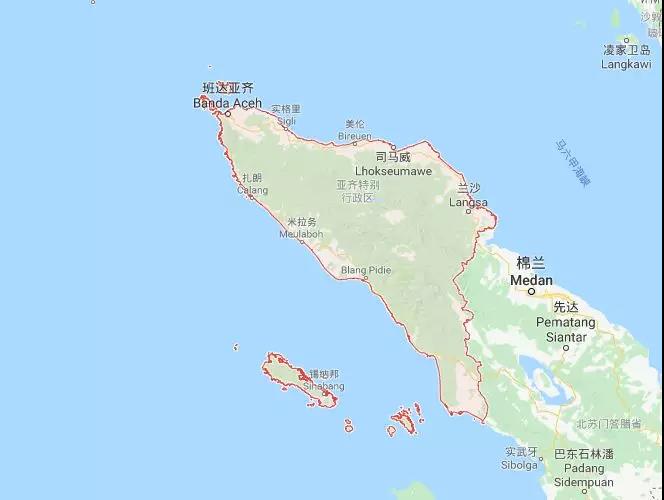
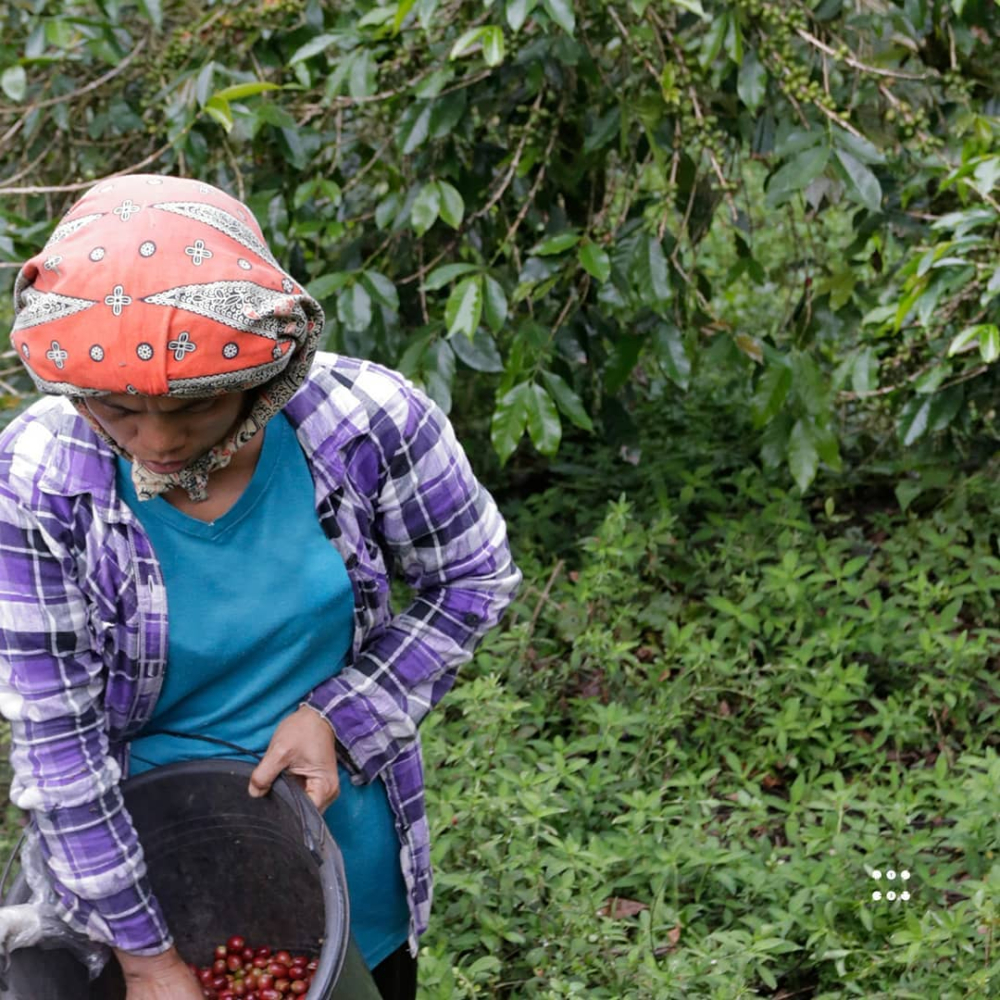
The production area of Golden Mandheling is concentrated around the Gayo mountain range in Aceh Province, at altitudes ranging from approximately 1110 to 1600 meters. Coffee farmers mostly grow their crops on slopes with shade trees and use the wet-hulled processing method. This area has long received little attention due to political factors, which has also helped preserve its traditional and unique coffee processing style.
Behind Golden Mandheling is the well-known Indonesian Pawani Coffee Company (abbreviated as PWN), which is also the registered holder of the “Golden Mandheling” trademark. Through a process of three manual screenings and one machine sorting, PWN selects beans with uniform appearance and minimal defects, resulting in a cleaner and brighter cup profile after roasting, with significantly reduced off-flavors. It’s worth noting that while many Indonesian beans are sold under the name “Golden Mandheling,” only those produced by PWN actually hold the official trademark certification. A well-known coffee brand offers the authentic version sourced directly from PWN.
PWN’s Golden Mandheling features the PWN logo and certification printed on both the inner and outer packaging. The beans are sized at 18 mesh and above, with a dark green color and flat bean shape. Through strict selection, PWN’s Golden Mandheling not only eliminates the earthy and dirty flavors often found in regular Mandhelings, but also highlights a clear sweetness and layered complexity, making this classic Sumatran flavor more approachable.
The name “Golden Mandheling” has been registered as a trademark by PWN, meaning that only beans produced by PWN are considered genuine. A well-known coffee brand chooses to stock this coffee precisely because it accurately represents the signature style of Sumatran Mandheling. According to the brand’s internal experience of cupping 300 to 500 coffee lots per year, Golden Mandheling stands out as one of the most representative beans of the region and serves as an ideal entry point for many beginners to explore the flavors of Mandheling.
In terms of variety, Golden Mandheling uses Ateng, the local term for a branch of Catimor, which is a hybrid of Arabica and Robusta and is widely planted across the Indonesian archipelago. Although Ateng is not commonly found among top-tier specialty coffees, it can still showcase unique regional characteristics when processed and selected properly.
Golden Mandheling is processed using Indonesia’s unique wet-hulling method, which originated from local economic conditions and climate factors that made fully washed processing unfeasible. Its characteristic is that after the pulping (removal of the skin) during washing, the beans are left in their parchment with a short period of sun drying (about 2 to 3 days). Once the moisture content drops to around 20–24%, the parchment is removed and drying continues. While this method accelerates the processing, it can also lead to a higher rate of defects. However, PWN’s Golden Mandheling maintains defect rates at extremely low levels (fewer than 3 in a 300g sample) through high-standard selection, achieving the highest grade G1, with beans featuring a dark green color and neat shape.
For roasting recommendations, it is advised to start at 200°C with a fan setting of 3. After about 1 minute, reduce the heat to 160°C while keeping the fan setting unchanged. Continue until 5 minutes and 40 seconds when the bean surface turns yellow and the grassy aroma fades—this occurs at around 148°C, indicating that dehydration is complete. Then adjust the heat to 140°C and the fan to 4. By 9 minutes and 40 seconds, the bean surface will show obvious wrinkles and dark spots, and you should begin to smell the transition from baked bread aroma to coffee aroma, signaling the approach of first crack. When first crack begins at 9 minutes and 54 seconds, reduce the heat to 60°C and fully open the fan (be careful not to lower the heat too much to the point where the cracking sound ceases). Finally, drop the beans at 204.5°C.
For pour over recommendations, the Kono filter cup can be used to fully highlight its bold characteristics. Suggested brewing parameters include a water temperature of 88°C, 15 grams of coffee grounds, a 1:15 coffee-to-water ratio, and a medium-fine grind size (70–75% passing through a Chinese standard No. 20 sieve).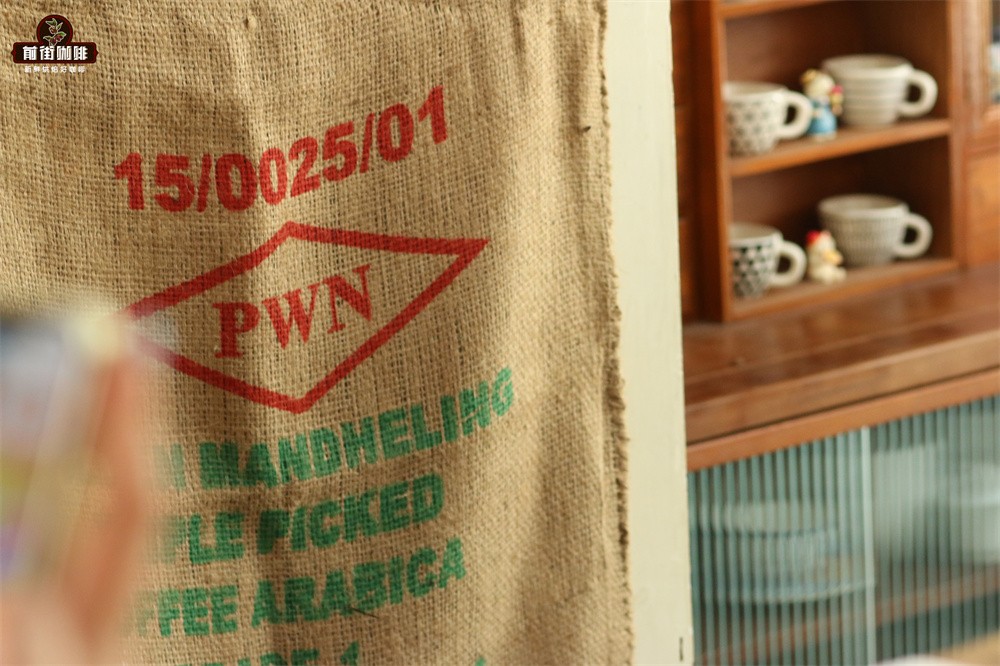
The Kono filter cup features a rib design concentrated mostly at the bottom and not very numerous, allowing the filter paper to adhere tightly to the cup wall. This effectively slows down the water flow and extends the contact time between water and coffee grounds, helping to extract more body-rich compounds. A well-known coffee brand recommends a three-stage extraction method: start with a 30-second bloom using 30 grams of water, then pour in a slow circular motion until reaching 125 grams for the first pour. When the water level drops and is about to expose the coffee bed, pour again up to 225 grams and stop. Once the water level drops again and is about to expose the coffee bed, remove the filter cup. The total brew time is recommended to be controlled between 2 minutes and 5 seconds to 2 minutes and 15 seconds.
The final brewed cup delivers a flavor profile interwoven with spices and herbal notes, with a full and clean body and excellent balance. It showcases intense nutty and brown sugar aromas, along with a soft chocolate undertone, and has a long-lasting finish that lingers pleasantly. It is a classic Sumatran pour over coffee bean that is truly worth savoring.
The above content is compiled by CoffeeHunters, a coffee news website.


