







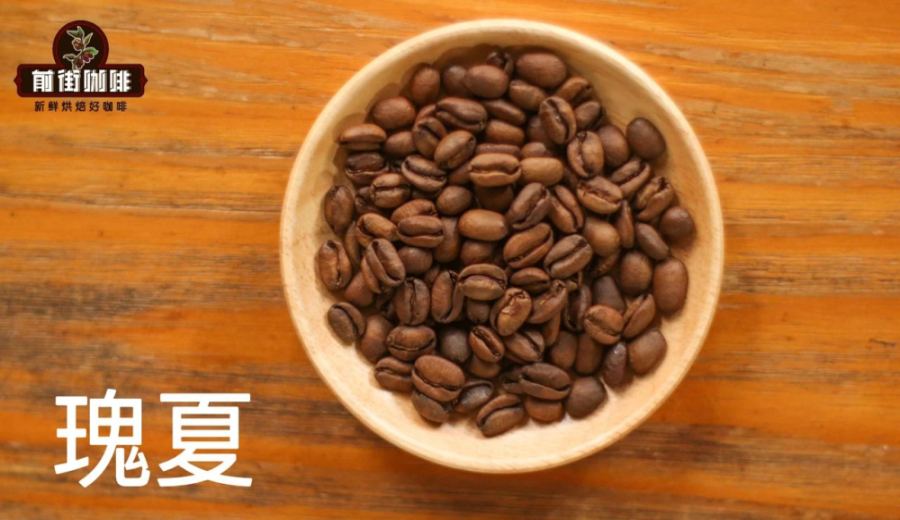
Introduction:Panama’s Geisha coffee from Hacienda Esmeralda is a dream coffee for specialty coffee enthusiasts worldwide. This article delves into the origin and evolution of the Geisha variety, explores the unique terroir of the Boquete region, and provides a detailed breakdown of the grading logic and flavor profiles of the three main tiers: Red Label, Green Label, and Blue Label. In addition, it offers expert pour over brewing recommendations and roasting parameters. Whether you’re new to specialty coffee or a seasoned connoisseur on the quest for the perfect Geisha, you’ll find practical guidance here.
In the world of specialty coffee, Geisha (also spelled Gesha) is undoubtedly one of the most celebrated varieties, and the Geisha produced by Panama’s Hacienda Esmeralda represents the pinnacle of this variety. This article begins with the background of the Geisha variety, takes you through its growth environment in Panama’s Boquete region, and fully analyzes the classification criteria and flavor characteristics of the estate’s three classic grades — Red Label, Green Label, and Blue Label. Moreover, we provide practical pour over brewing suggestions and roasting curve parameters to help you better understand how to fully showcase the delicate flavors of Geisha.
The Geisha variety can be traced back to its discovery in 1931 in the Gesha forest of Ethiopia. It then traveled through Kenya, Uganda, Tanzania, and Costa Rica, before finally being introduced to Panama in the 1960s. However, due to its initially low yield and unremarkable appearance, Geisha long remained overlooked, used primarily for breeding research. It wasn’t until 2004, when Hacienda Esmeralda isolated it from other varieties and won the prestigious Best of Panama (BOP) competition with its astonishing flavor profile, that the variety truly stepped into the global spotlight of the specialty coffee market.
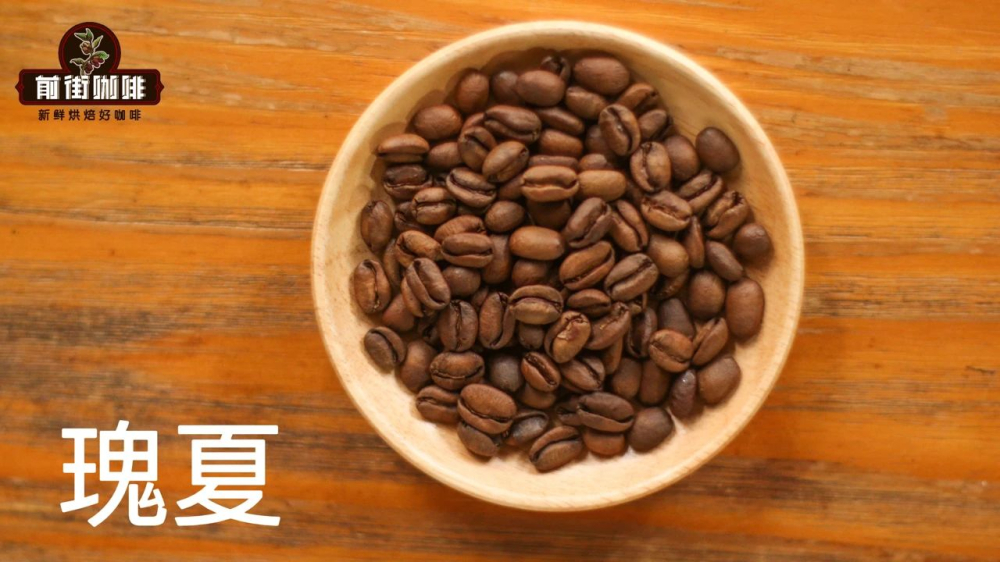
Panama’s Boquete region is the golden growing area for Geisha coffee. Influenced by the Central Mountain Range, the region enjoys a unique microclimate with significant day-night temperature variations, high humidity and frequent fog, along with fertile volcanic soil — all providing nearly ideal growing conditions for Geisha. Especially at higher altitudes, the slower ripening of coffee cherries helps accumulate flavor compounds, resulting in Geisha’s distinctive delicate floral notes and bright acidity.
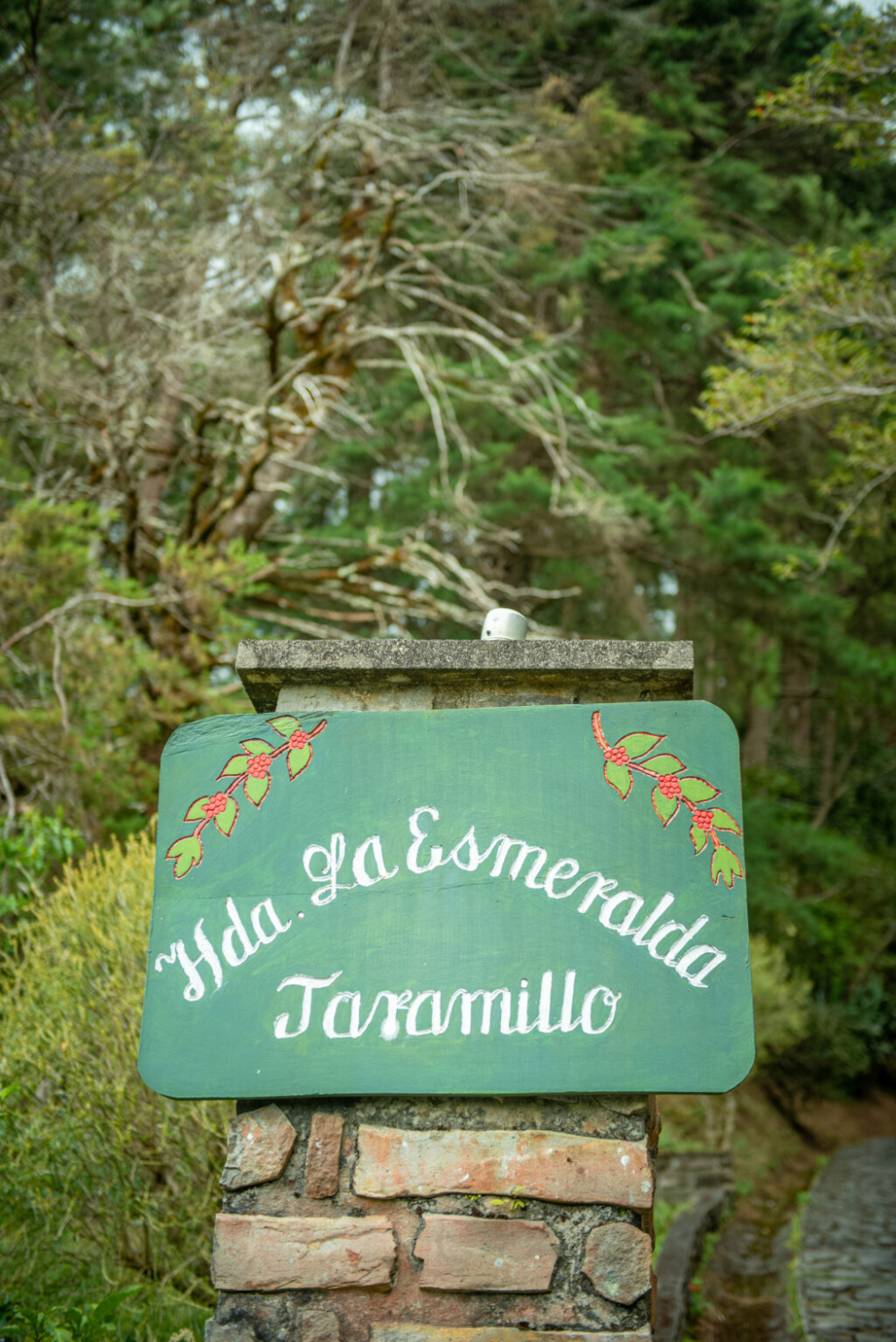
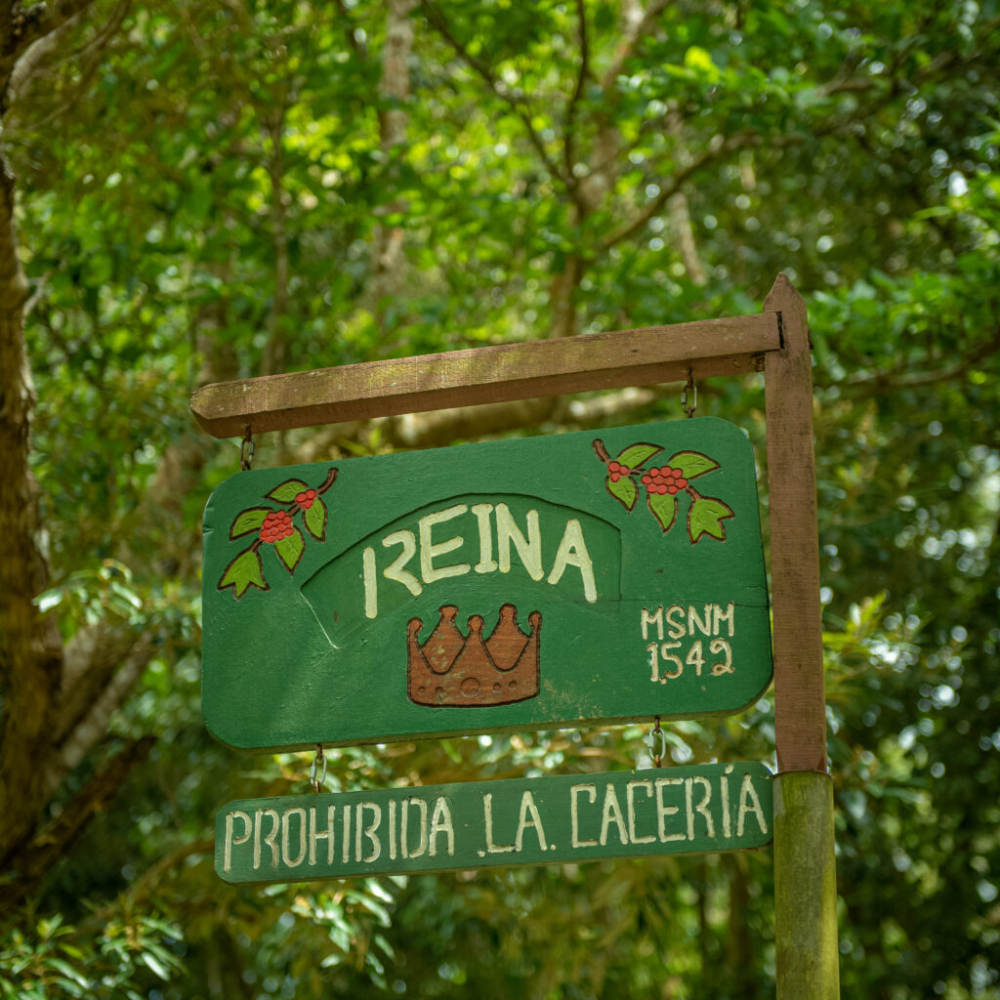
Hacienda Esmeralda was originally a dairy farm. It was purchased in 1964 by American banker Rudolph Peterson and gradually transformed into a coffee farm. Starting in 1987, his son, Dr. Price, joined the management, and in 1994, a wet processing mill was established, marking the estate’s official entry into the specialty coffee arena. Currently, the estate’s Geisha plantings are mainly concentrated in three key areas — Jaramillo, Canas Verdes, and the high-altitude El Velo estate (acquired after 2012). Among them, Jaramillo is the core plot where Geisha’s potential was first discovered.
Hacienda Esmeralda classifies its Geisha into three main grades based on altitude and cupping scores: Red Label, Green Label, and Blue Label. Among them,Red Label (Esmeralda Special)is the highest grade, sourced from Jaramillo and Canas Verdes at elevations of 1600–1800 meters. These coffees often score 90 points or above in cupping and are limited to 22 carefully selected micro-lots, typically released via auction. The Red Label Geisha is mostly processed using washed or natural methods, and its flavor profile is dominated by bright citrus and floral notes, complemented by layered fruitiness and honey-like sweetness.Green Label (Private Collection)is a non-auctioned micro-lot blend of Geisha, also grown at high altitudes. While individual plots cannot be traced, the flavor still showcases the classic traits of Geisha and offers relatively higher value for money.Blue Label (Geisha 1500)is sourced from a blend of three regions at elevations of 1400–1500 meters. Previously offered only in washed versions, it has recently added a natural process option, delivering richer fermentation notes and juicy berry-like flavors.
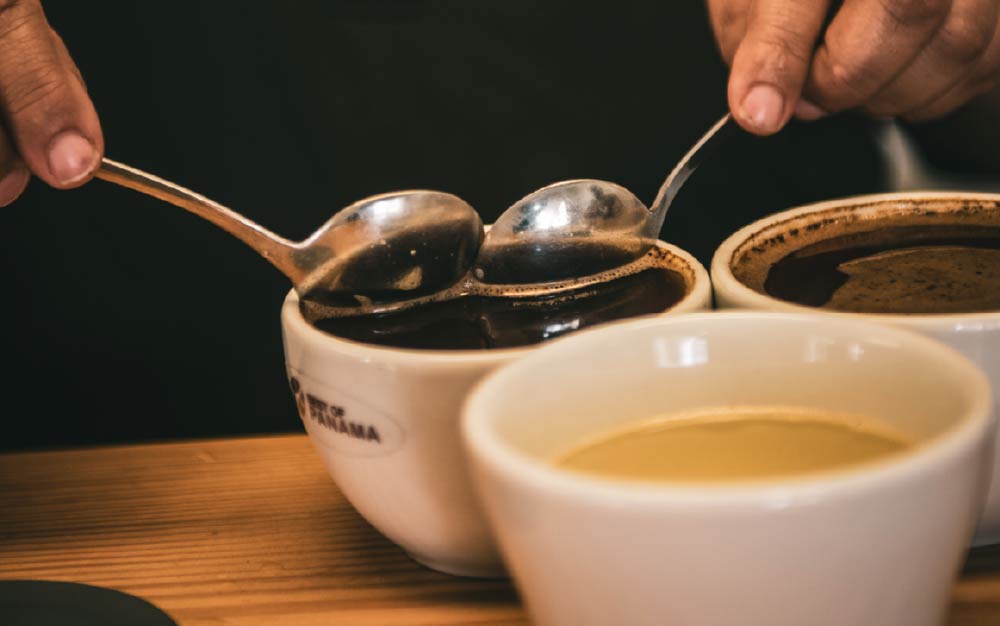
In terms of processing methods, the most common approaches for Geisha include washed and natural. The washed method highlights the coffee’s cleanliness and clarity of acidity. It involves fermenting to remove the mucilage followed by prolonged drying, making it ideal for showcasing Geisha’s delicate citrus and floral tones. The natural method dries the entire coffee cherry, allowing the sugars and aromatic compounds in the fruit pulp to deeply penetrate the beans, resulting in rich tropical fruit and berry fermentation notes — perfect for coffee lovers who enjoy bold flavors.
For roasting and pour over brewing, it is recommended to use a medium-light to light roast for Red Label Geisha to highlight its floral and citrus notes. When brewing, a water temperature of 90–91°C with a fine grind (such as V60 #01, 80% passing through a 20-mesh sieve) and a three-stage extraction method can effectively bring out its complex layers. For Green Label and Blue Label, you may choose slightly darker or lighter roast levels according to personal taste preference. A fine grind and moderate water temperature are also recommended to fully express their fruity and sweet characteristics.
In summary, Hacienda Esmeralda’s Geisha coffee achieves its prestigious status in the global specialty coffee market thanks to its exceptional terroir, rigorous grading system, and diverse processing methods. Whether you’re encountering Geisha for the first time or are already an experienced coffee enthusiast, understanding the variety’s characteristics, grading logic, and brewing essentials will allow you to enjoy a more sensory-rich experience when savoring this top-tier coffee.
The above content is compiled by CoffeeHunters, a coffee news website.


