







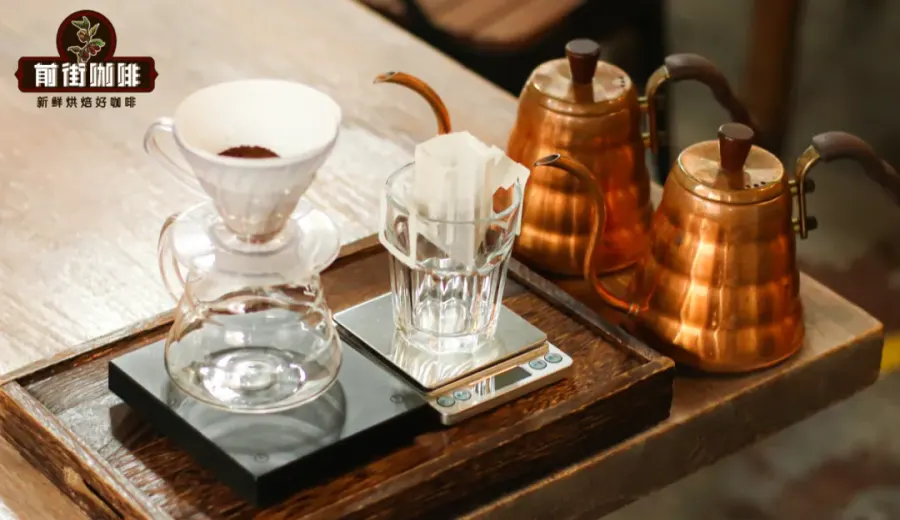
Introduction:Both drip-bag coffee and pour over coffee belong to the drip extraction method, but they differ significantly in operation, flavor profile, and usage scenarios. This article explores their core differences from the perspectives of extraction principles and coffee grounds status, explains why pre-ground coffee affects aroma retention, and provides practical advice and answers to common questions to help you choose the most suitable brewing method based on your needs.
Both drip-bag coffee and pour over coffee use the same drip extraction principle — hot water relies on gravity to pass through a bed of coffee grounds, dissolving soluble flavor compounds into the water. However, they have very different design intentions and user experiences in terms of practical application, operational flexibility, and the final cup of coffee’s flavor.
Pour over coffee emphasizes precise manual control of water pouring and the versatility of equipment. It involves attention to every detail from weighing beans, grinding, to pouring, which makes it a favorite starting point for many coffee enthusiasts exploring flavors. Drip-bag coffee, on the other hand, is a convenient version developed from pour over. It comes with pre-ground coffee sealed in filter bags, requiring only hot water and a cup to brew, significantly lowering the barrier to entry and saving time.
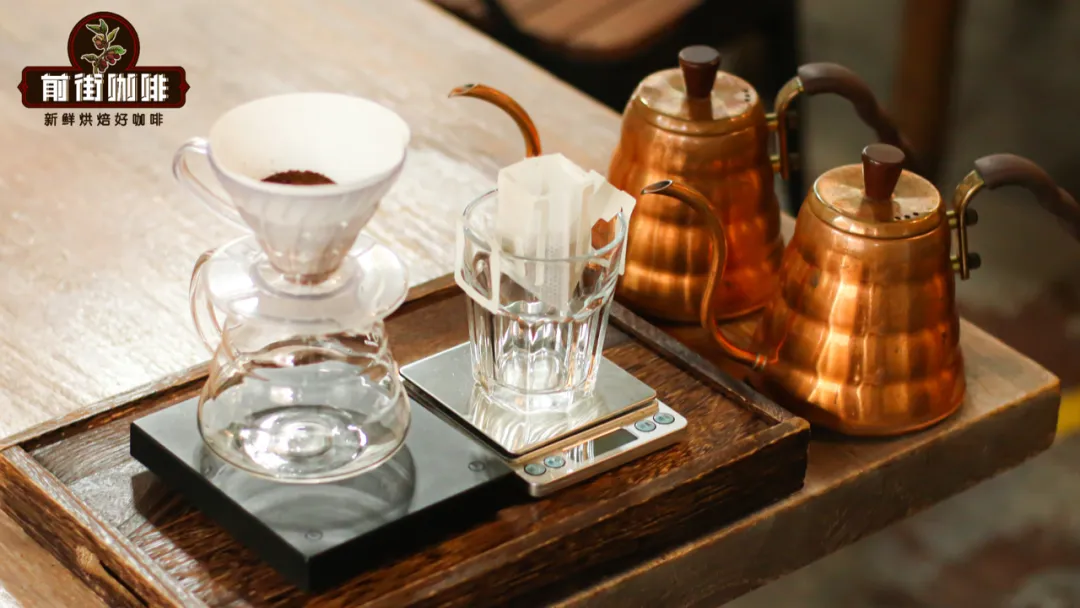
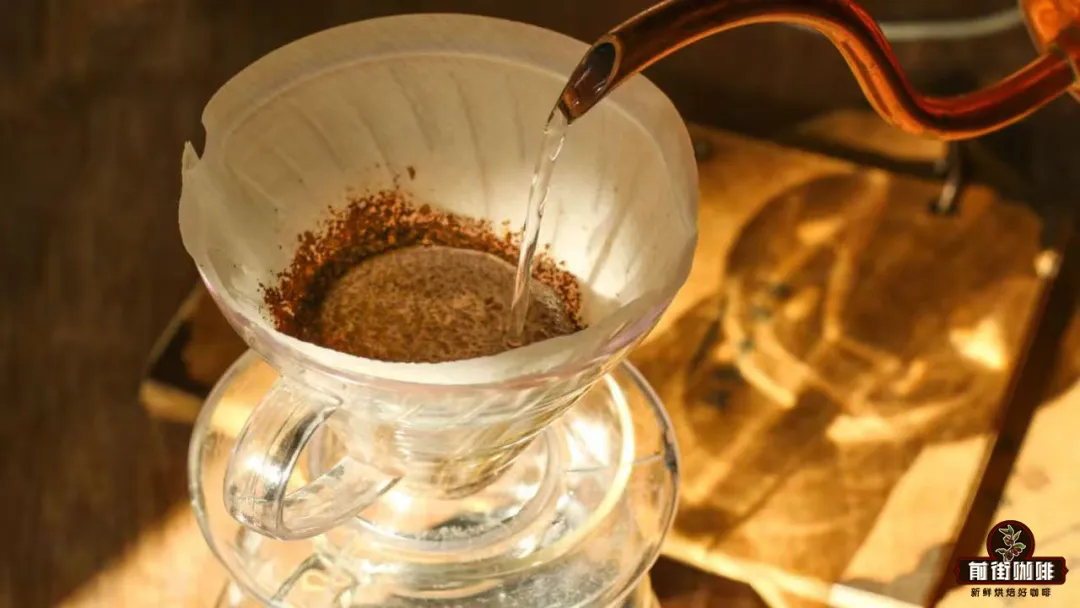
To deeply understand the differences between them, we need to start with their basic definitions and methods of use. Pour over coffee is an extraction method that relies on manually controlling the water flow, typically using tools such as a dripper, paper filter, and scale. This allows users to adjust variables like water temperature, brew ratio, and pouring speed based on bean origin, roast level, thereby highlighting the unique flavor layers of the coffee beans. This brewing style is not only highly flexible but also fully showcases the regional characteristics and processing method differences of single-origin beans, making it widely praised in the specialty coffee community.
In contrast, drip-bag coffee encapsulates pre-ground coffee in packaging with built-in filter bags. Using non-woven filter material and two paper "ears" on either side, users can simply hang the bag on the rim of a cup and pour hot water through it. This design greatly simplifies the brewing process, eliminating the need for a separate dripper or grinder. With just a cup that can hold water and a pouring tool, one can enjoy a cup of drip coffee anytime, anywhere — especially suitable for travel, office use, or quick daily brewing.
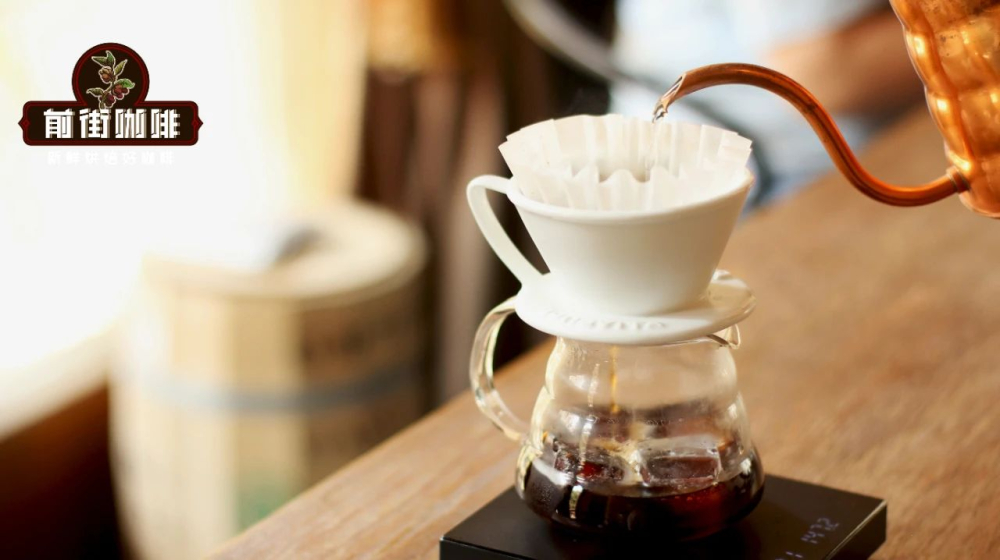
So, what exactly are the differences in extraction principles between drip-bag and pour over? Technically, both use the drip method where hot water passes through coffee grounds to extract flavors, but the key difference lies in the state of the coffee grounds used. Pour over uses freshly ground coffee — the beans are ground just before brewing. This method preserves the volatile aromatic compounds in the coffee beans to the greatest extent. These compounds dissipate quickly once exposed to air, affecting the vibrancy and complexity of the final flavor.
In contrast, drip-bag coffee uses pre-ground coffee, whose aroma begins to degrade as soon as it is packaged. The longer it is stored, the more likely the overall flavor integrity will be compromised. As a result, even when using coffee beans with the same roast date and origin, drip-bag coffee often lacks the richness and nuance in flavor compared to pour over — particularly in terms of aroma freshness and sustained flavor layering.
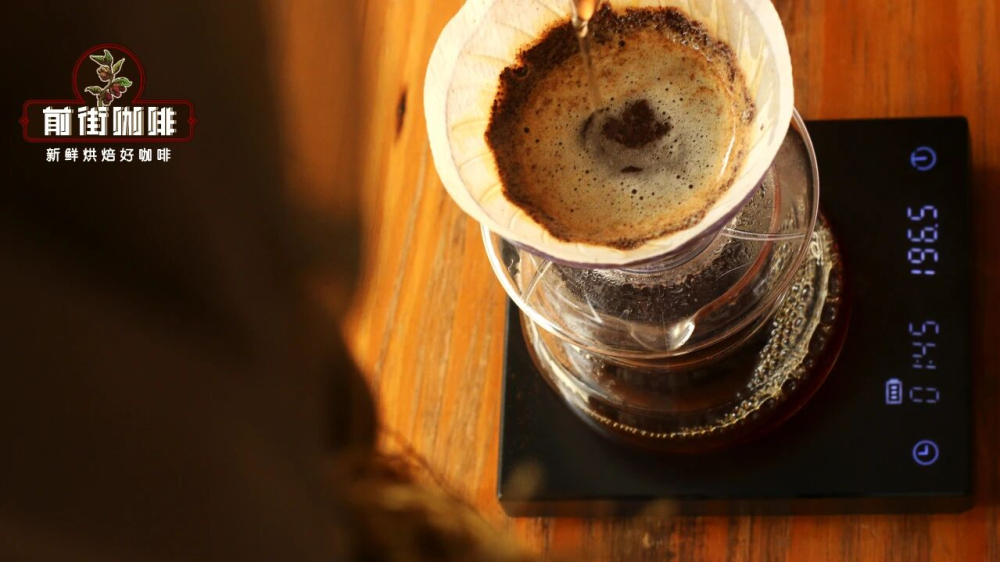
Beyond aroma retention, there are also significant differences in operational flexibility. Pour over allows users to adjust grind size, water temperature, pouring technique, and brew ratio according to personal preferences. This high degree of adjustability enables the same coffee beans to yield vastly different flavor profiles — from rich and full-bodied to bright and refreshing — all achievable through fine-tuned control. Drip-bag coffee, however, comes with pre-ground coffee of a fixed grind size, and the filter bag structure limits parameter adjustments, offering less flexibility. It is thus better suited for those prioritizing convenience over deep flavor exploration.
Overall, neither drip-bag nor pour over coffee is absolutely superior — they are solutions tailored for different usage situations and needs. If you value flavor intricacy, layered complexity, and the ritualistic aspect of brewing, pour over coffee is undoubtedly the better choice. If you hope to quickly enjoy a consistently quality cup of drip coffee amid a busy lifestyle, drip-bag coffee offers unparalleled convenience. Understanding these differences will allow you to more accurately select the coffee experience that best fits your personal needs.
The above content is compiled by CoffeeHunters, a coffee news website.


