







Introduction:Although espresso and Americano are commonly found on café menus, their brewing logic and flavor profiles are vastly different. This article delves into the historical origins of espresso, key extraction parameters (such as dose, water temperature, pressure, etc.), explores the flavor characteristics of various blends, and finally clarifies the essential differences between espresso and Americano to help readers grasp the distinctions from fundamental principles.
For those new to coffee, the difference between espresso and Americano can often be confusing. Especially on café menus, the two are frequently listed together, yet in reality, they differ significantly in both brewing method and flavor expression. This article will start with the origins of espresso, gradually break down its core extraction parameters, analyze the flavor profiles of common blends, and finally provide a clear comparison of the essential differences between espresso and Americano.
In recent years, with the rise of the specialty coffee movement, espresso has become a standard offering in cafés. However, many customers often notice that 'Americano' is listed under the espresso section on the menu, which naturally raises the question: what exactly is the difference? In fact, an Americano is typically made by diluting espresso with hot water, but its foundation—espresso—is the key to understanding the difference.
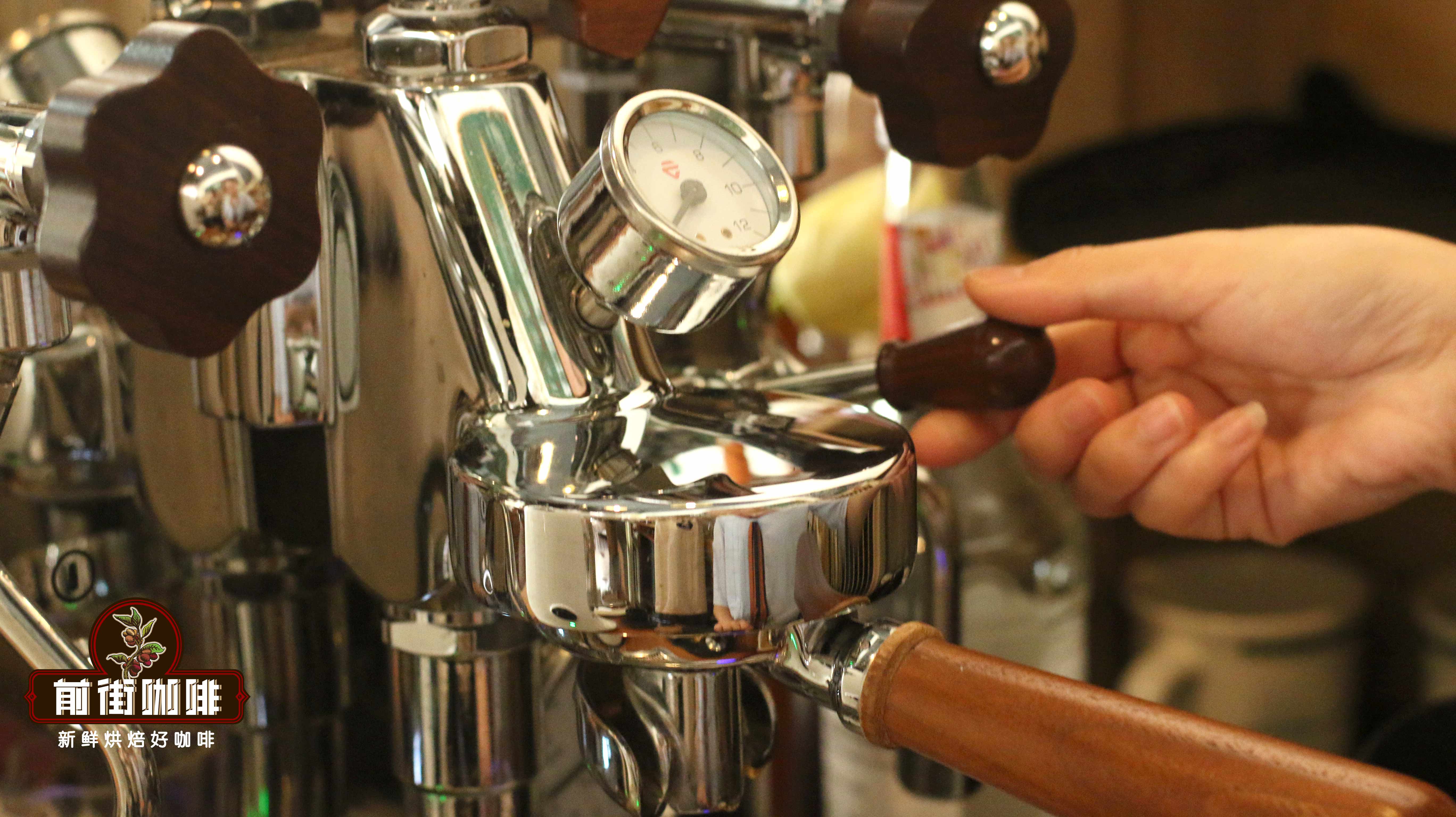
The preparation of espresso relies on one essential piece of equipment: the semi-automatic espresso machine. This seemingly bulky machine is actually the soul of the espresso system. From early simple models to modern professional machines capable of precisely controlling parameters, its evolution reflects the technological advancements in espresso.
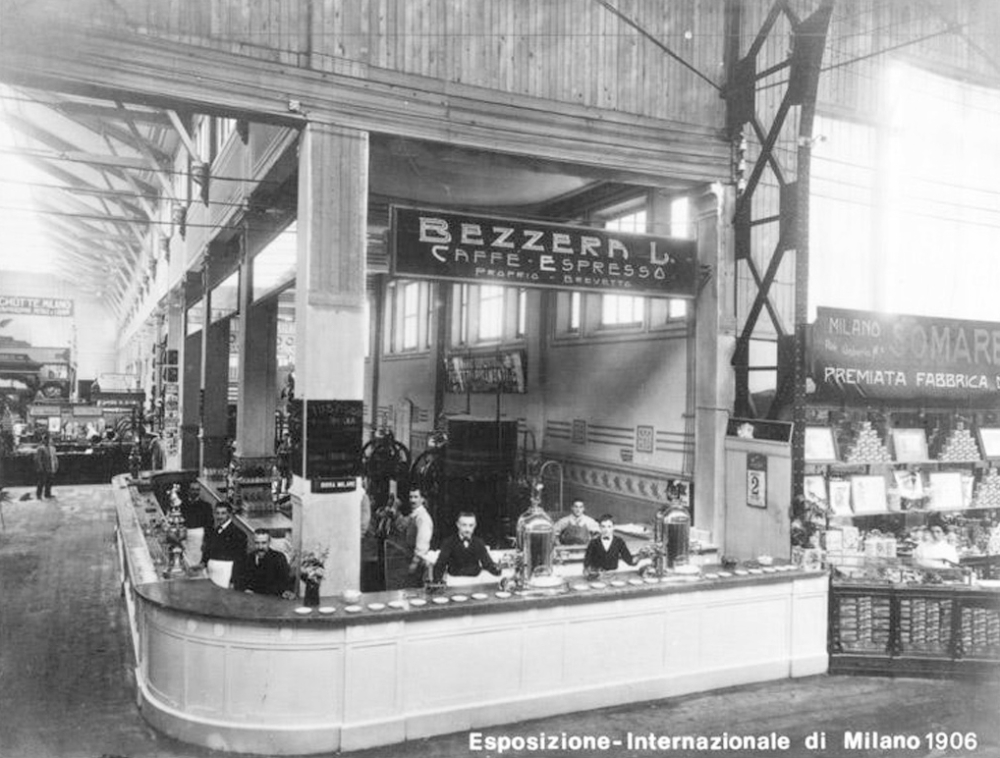
Looking back at history, the world’s first espresso machine was invented in 1884 by Angelo Moriondo of Turin, Italy. This early machine had a rudimentary design but already featured the prototype of high-pressure extraction. In 1901, Luigi Bezzera of Milan improved it with a multi-spout model, increasing service efficiency. It wasn’t until 1961, when Faema introduced the E61 model, that the foundation of the modern espresso machine was truly laid—allowing baristas to independently adjust variables such as pressure and time to achieve more precise extraction.
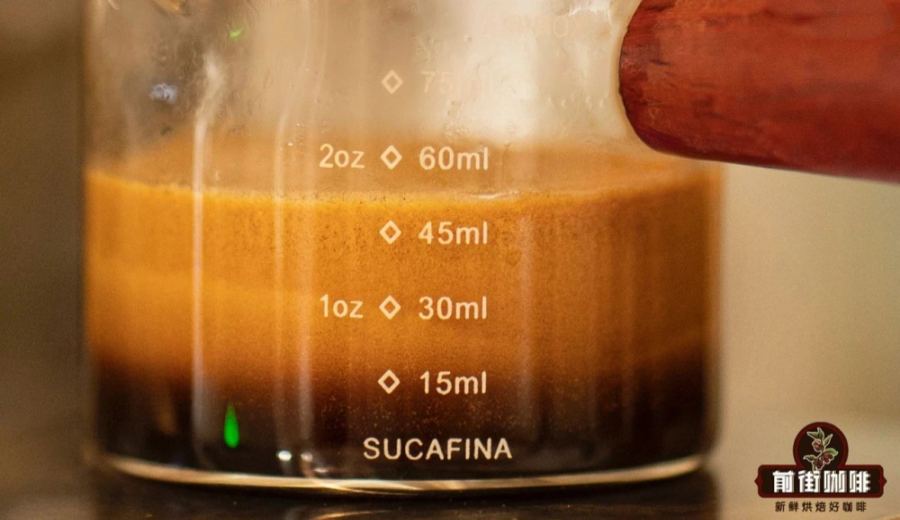
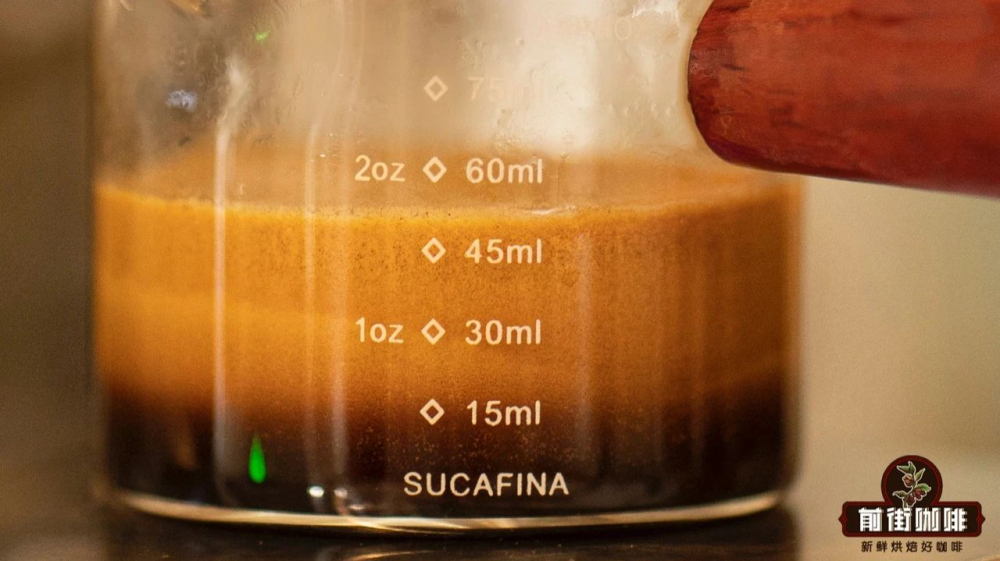
The standard parameters for modern espresso have been optimized over the years, with internationally accepted ideal settings being: a coffee dose of 7 grams, water temperature of 92°C, pressure of 9Bar, extraction time of 20 to 30 seconds, yielding 20 to 30 milliliters of espresso. However, in practice, these values may be adjusted based on equipment, bean type, and flavor preferences.
Taking common variables as examples:Doseshould match the portafilter basket capacity (it’s recommended to avoid extreme sizes),Coffee-to-water ratio(the ratio of coffee grounds to extracted liquid) typically ranges from 1:1.5 to 1:2.5, with 1:2 being the golden ratio—ratios that are too low can result in bitterness and astringency, while ratios that are too high may lead to weak flavors and possible sourness.Timeis influenced by both grind size and coffee-to-water ratio: a higher ratio or finer grind increases water resistance, thus extending the time, but overextending can lead to over-extraction.Pressuremaintained at around 9Bar produces a fine crema; insufficient pressure results in sparse crema, while excessive pressure can damage the coffee structure.Water temperatureis recommended to be controlled between 90 to 94°C; temperatures that are too high can over-extract bitter flavors, while too low may result in under-extraction and pronounced acidity.
As a practical example: one café using a Faema E98 machine, with a 20-gram dose, water temperature of about 92°C, extraction time of 26 to 28 seconds, achieves 35 grams of espresso. These parameters can serve as a reference for adjustments, but are not absolute standards.
The choice of espresso blend directly affects flavor expression. One café’s Sunflower Warm Sunshine blend (70% Honduras Sherry + 30% Ethiopia Natural Red Cherry), under standard parameters, presents noticeable fruity acidity and berry aromas, followed by layers of wine-like and chocolate notes, with a sweet and comfortable aftertaste. It’s important to note that the roast profile for espresso blends is entirely different from that of pour over beans—the former emphasizes richness and layered integration, while the latter focuses on clear flavor expression; the two should not be used interchangeably.
Besides the Sunflower Warm Sunshine, one café also offers several other espresso blend options:Premium Blend(70% Brazil + 30% Colombia) with a balanced flavor, featuring gentle fruit acidity and nutty sweetness;Dark Cocoa Blend(60% Brazil + 40% Yunnan) showcasing creamy, nutty, and chocolatey tones;Commercial Blend(60% Brazil + 30% Colombia + 10% Robusta) excels in rich crema, caramel sweetness, and nutty-chocolate flavors, with balanced acidity and sweetness and a long-lasting aftertaste.
When discussing the difference between espresso and Americano, the core lies in the brewing logic. An Americano is mostly made by diluting espresso with hot water—for example, extracting 40 grams of espresso from 20 grams of coffee grounds, then adding 240 grams of water at a 1:6 ratio to make a standard Americano. Additionally, there are versions made with Americano drip machines, but their flavor intensity is usually not as strong as those based on espresso.
In summary, espresso is centered around high-pressure extraction, delivering rich layers through precise parameter control; Americano is a variation that adjusts concentration based on this foundation to cater to different taste preferences. Understanding these essential differences helps coffee enthusiasts build a more systematic knowledge framework, from bean selection and extraction to tasting.
The above content is compiled by CoffeeHunters, a coffee news website.


