







Introduction:Brewing a well-balanced espresso at home hinges on selecting the right beans. This article delves into the differences between blended and single-origin espresso (SOE) beans, examines the pros and cons of pre-blend and post-roast blending techniques, and highlights five versatile blends suited to various scenarios — from commercial-grade to entry-level options. We also recommend a Huaguila SOE ideal for those wanting to explore single-origin flavors, helping readers quickly find their ideal everyday bean based on their needs.
To pull a balanced shot of espresso at home — one with harmonious acidity, sweetness, and bitterness — the most important step is choosing the right beans. Currently, espresso beans on the market mainly fall into two categories: SOE (Single Origin Espresso), which emphasizes the unique characteristics of a single origin, and blends, which focus on stable flavor profiles and balanced taste. Most cafés opt for blends to ensure consistent supply and uniform flavor. This article starts with fundamental definitions, introduces the core concepts and technical differences of blends, provides an in-depth analysis of five highly practical blend options, and recommends an SOE variety suitable for beginners.
The quality of a great espresso — whether enjoyed black or as the base for milk-based drinks like lattes and cappuccinos — is largely determined by its flavor balance. An ideal shot should offer moderate acidity, a rich body, and pronounced sweetness, with all three elements complementing each other to create a cohesive tasting experience. Achieving this balance is most commonly and effectively done through skillful blending. Blending refers to combining beans from different regions, each with distinct flavor profiles, in specific proportions to achieve complementary characteristics and improved consistency.
The origins and evolution of espresso blends are quite interesting. In the early days, some roasters mixed beans of varying quality primarily to mask defects or compensate for roasting errors. However, as coffee culture evolved and consumer palates became more discerning, blends gradually transformed into a means for roasters to showcase their craftsmanship and create distinctive flavors. Today, many cafés prefer using blends not only for their consistent taste but also because they allow seasonal recipe adjustments to accommodate fluctuations in flavor profiles from different origins.
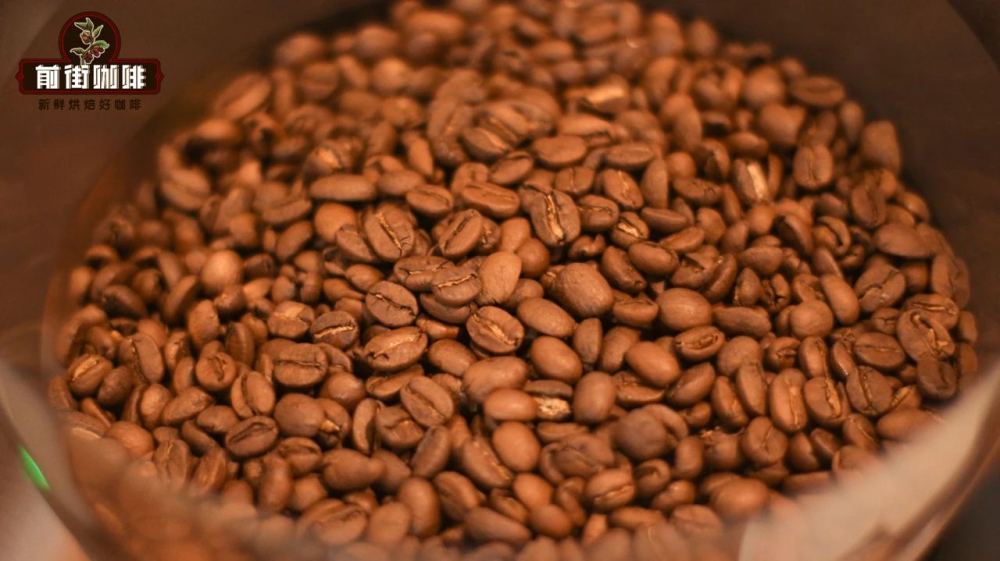
The biggest advantage of blends lies in their ability to maintain consistent flavor stability. Since beans from a single origin can vary in flavor from year to year or season to season due to factors like climate and harvest conditions, blending beans from multiple regions allows roasters to combine the strengths of each, resulting in beans with a full body, bold flavors, and excellent milk compatibility — ensuring a similar experience for customers every time.
In terms of blending techniques, there are two main methods: ‘pre-blend’ (生拼) and ‘post-roast blend’ (熟拼). Pre-blend refers to mixing green beans from different origins in predetermined ratios before roasting them together. This approach ensures that all beans are roasted under the same conditions, leading to greater consistency in roast level and flavor stability. However, it’s important to select beans of similar size when pre-blending to avoid uneven roasting. In contrast, post-roast blending involves roasting each bean variety individually to its optimal state before combining them. This method allows each bean to fully express its unique flavor potential, with the final blend achieving a balance of strengths. Both methods have their advantages and disadvantages, and neither is inherently better — the choice depends on the roaster’s goals and priorities.
Below are five high-value, uniquely featured espresso blends suitable for different needs and budgets:
1. Premium Blend (Colombia : Brazil)
Flavor Profile: Balanced bitterness and sweetness, smooth mouthfeel with a hint of grassy aroma, and a comforting, relaxing finish. This blend combines the acidity and aroma of Colombian Huila beans with the rich bitterness of Brazilian Cerrado beans, making it suitable for most specialty coffee shops.
2. Commercial Blend (Colombia : Brazil : Vietnam)
Flavor Characteristics: Classic caramel sweetness with notes of nuts and dark chocolate, moderate acidity and sweetness, and a long-lasting aftertaste. The inclusion of Robusta beans boosts crema richness, making it suitable for coffee shops of all sizes.
3. Dark Cocoa Blend (Yunnan AA : Brazil)
Flavor Description: Gentle fruit acidity, prominent caramel and nut aromas, smooth mouthfeel but overall lighter in flavor. Yunnan beans, with their high-altitude characteristics, produce flavors close to those of Colombian beans. Paired with the bitterness of Brazilian beans, this blend is ideal for small cafés or bakeries.
4. Sunflower Sunshine Blend (Honduras : Ethiopian Yirgacheffe)
Flavor Highlights: Bright fruit acidity, intense berry and wine-like aromas, with a chocolatey finish. This blend is mainly available in half-pound packs, perfect for coffee enthusiasts who seek unique flavors and don’t need large quantities.
5. Strawberry Candy Blend (Costa Rica : Colombia : Ethiopia)
Flavor Features: Prominent rose, strawberry soft candy, and blueberry aromas, paired with citrus and grape acidity, and a nutty almond aftertaste. This blend suits coffee enthusiasts who enjoy sweet flavors and delicate textures.
If you prefer coffee with pronounced fruit acidity and layered complexity, SOE is another excellent option to explore. Compared to blends, SOEs are typically light to medium roasted to highlight the unique characteristics of a single origin. For example, the Huaguila SOE from Ethiopia’s Guji Hambela region, processed via natural drying, produces an espresso with red berry, citrus, and creamy delicate flavors — perfect for coffee lovers eager to explore the charm of single-origin beans.
The above content is compiled by CoffeeHunters, a coffee news website.


