







Introduction:Thanks to its low-temperature slow extraction characteristics, cold drip coffee delivers a rich yet non-bitter unique flavor, making it a top choice for coffee lovers in summer. This article delves into the Dutch origins and Japanese refinement of cold drip coffee, analyzes the differences between cold drip, cold brew, and Dutch coffee, and provides a detailed explanation of the structure and operation steps of a cold drip brewer. With a real-world example, it shares brewing parameters for Costa Rica Mozart coffee, while also recommending four major flavor profiles of suitable beans to help you create richly layered cold drip coffee at home.
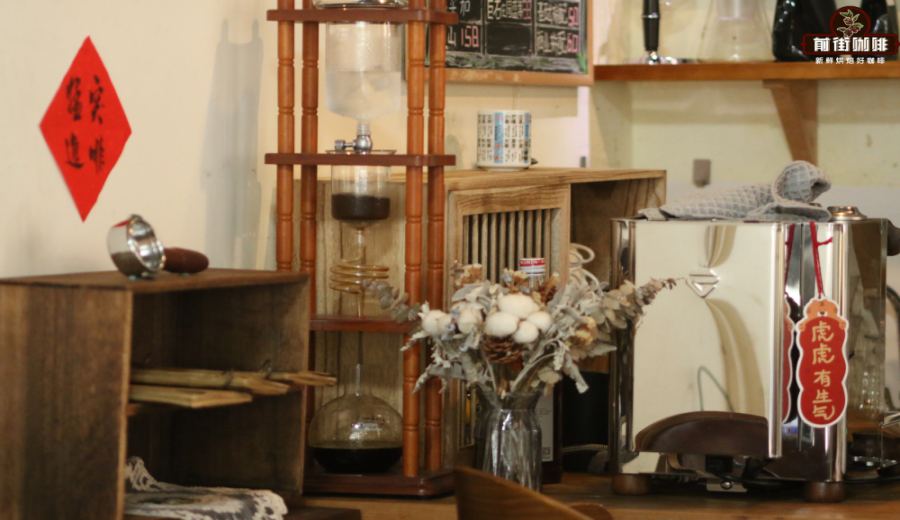
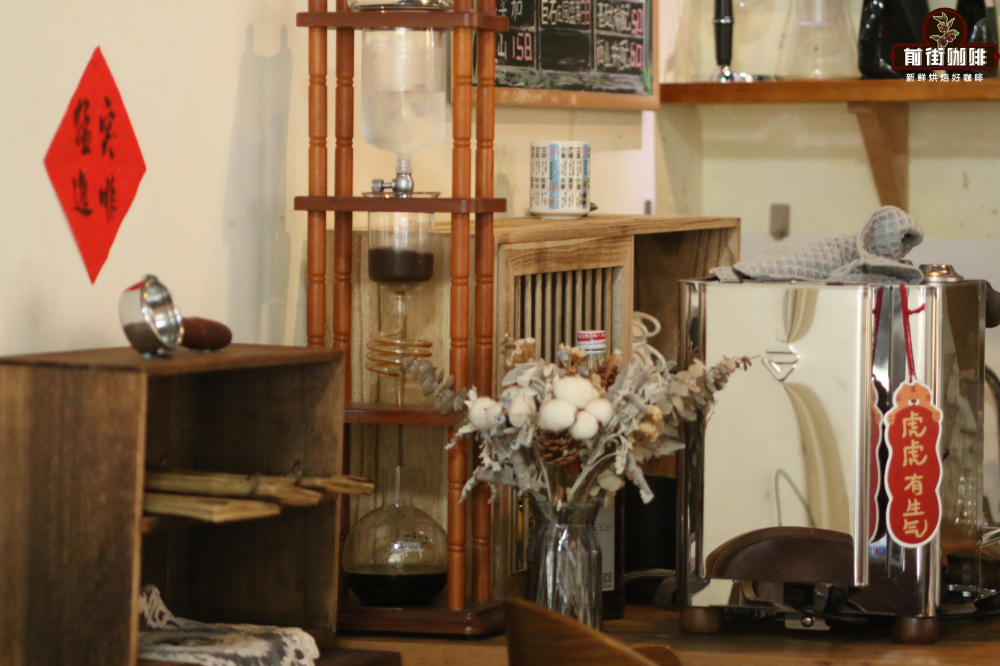
Many customers who walk into coffee shops are often drawn to the sight of ice water slowly dripping from a cold drip brewer, curious about what kind of coffee this is. The extraction process for cold drip coffee takes 6 to 8 hours, with limited output, which is why it’s often in high demand and short supply. This extraction method, which filters ground coffee with a steady drip of ice water, is not only visually soothing but also highlights the delicate and refreshing flavors of the coffee.
The history of cold drip coffee can be traced back to the early 18th century in the Netherlands. At that time, Dutch merchant ships transported coffee beans from their Indonesian colonies to Europe. Due to the lack of hot water on board, merchants invented a method of soaking ground coffee in cold water. This heating-free brewing method not only solved the need for coffee during voyages but also unexpectedly revealed that cold water extraction could bring out the sweetness of the coffee, with almost no bitterness. This method was later refined in Japan, evolving into the familiar form of cold drip coffee we know today.
What are the differences between common cold drip coffee (Cold drip coffee), cold brew coffee (Cold brew coffee), and Dutch coffee (Dutch Coffee)? Simply put, Dutch coffee refers to coffee extracted slowly using cold water over a long period, with cold drip coffee being the type that uses a dripping method. Cold brew coffee, on the other hand, is a static extraction method where coffee grounds are left to steep in ice water. All three methods are forms of low-temperature extraction, preserving the original flavor characteristics of the coffee.
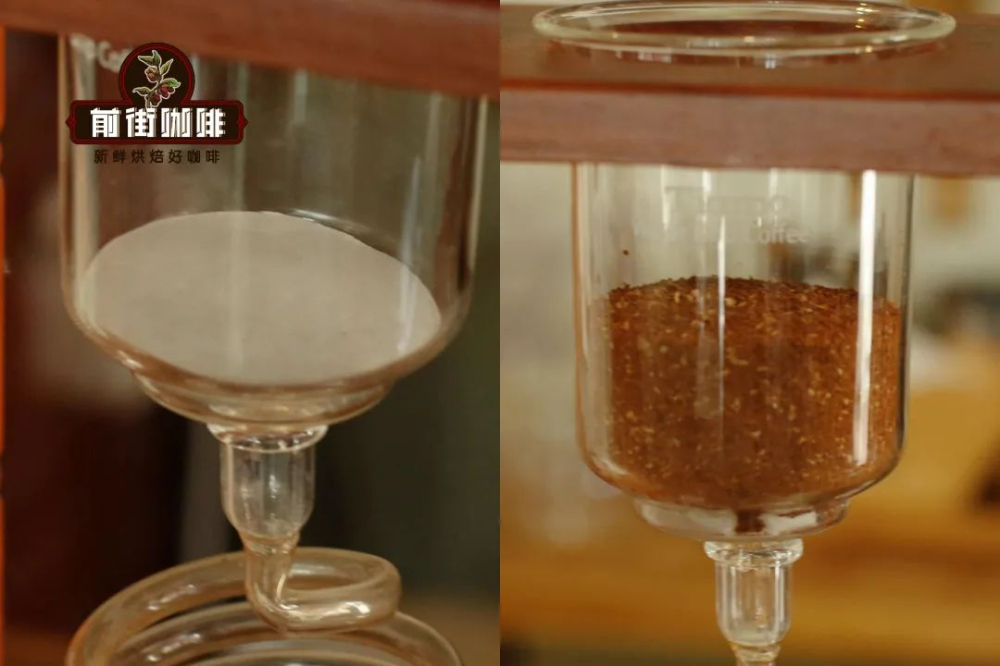
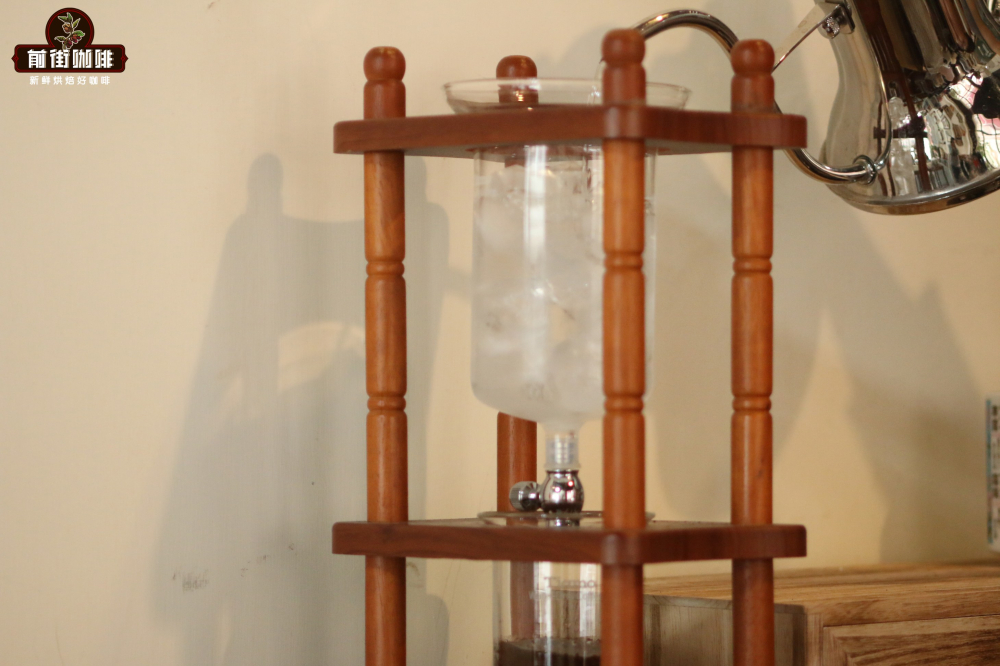
The structure of a cold drip brewer can be divided into four main parts: the top chamber, valve, coffee grounds chamber, and bottom chamber. The top chamber is used to hold ice and water, with an adjustable valve controlling the drip speed of the ice water; the middle coffee grounds chamber holds the ground coffee, with holes at the bottom allowing the extracted liquid to drip into the bottom chamber for collection. It is recommended to choose a cold drip brewer made of stable material with good sealing to ensure a smooth extraction process.
Taking Costa Rica Mozart coffee as an example, this bean, processed using a raisin anaerobic honey method, boasts intense raisin, osmanthus, and fruit fermentation aromas, making it highly suitable for cold drip coffee. The grind size is recommended to be adjusted to medium-fine, similar to settings for ice pour over, using an 85% passing rate through a Chinese No. 20 standard sieve or a 9-setting on the ek-43s grinder as a reference, which can improve extraction efficiency at low temperatures.

In actual operation, it is recommended to use a coffee-to-water ratio of 1:10 to 1:12, such as 60 grams of coffee grounds to extract 600 grams of coffee liquid. The recommended ice-to-water ratio is 1:1, with the valve flow rate controlled at 7 drops per 10 seconds, and the entire process taking approximately 6 to 8 hours. Before starting the extraction, wetting the coffee grounds layer with cold water first helps achieve even extraction and can shorten the time. Placing a round filter paper on both the top and bottom of the coffee grounds layer can prevent the layer from being dispersed by the dripping water, ensuring extraction stability.
After extraction, it is recommended to pour the coffee liquid into a sealed container and refrigerate it for more than 12 hours to allow the flavors to further mature. This post-maturation step can bring out more pronounced wine-like and fermented notes in the coffee, making it especially suitable for summer consumption. The chilled cold drip coffee, when diluted with ice cubes, can exhibit a refreshing flavor similar to fruit wine.
When selecting coffee beans suitable for cold drip, it is recommended to prioritize types with distinct flavor profiles. Tropical fruit and fermented wine aroma types, such as Mozart coffee, Colombia Flor de Luna, or Ethiopia Guji Dukundu Cooperative beans, can showcase rich fruit acidity and layers of fermentation. Clean and refreshing types are represented by washed Kenyan AA Assaliya or Panamanian Geisha, delivering a juice-like bright acidity.
Deep-roasted sweet and mellow types, such as Indonesia’s Golden Mandheling or Brazil’s Queen Estate, are often thought unsuitable for cold drip, but they can actually present intense chocolate and cream aromas without any bitterness. Flavor-blended types offer more creative possibilities—for example, blending Honduran Lishan with Musician Beethoven coffee can merge wine-like notes, fruit acidity, and honey sweetness, creating a unique cold drip flavor.
Regardless of the type of coffee bean chosen, freshness is a key factor affecting flavor performance. It is recommended to use freshly roasted beans within 5 days of roasting and store them properly to ensure optimal flavor. By adjusting grind size, coffee-to-water ratio, and drip speed, you can easily create cold drip coffee tailored to your personal taste at home, enjoying the layers and refreshment brought by low-temperature slow extraction.
The above content is compiled by CoffeeHunters, a coffee news website.


