







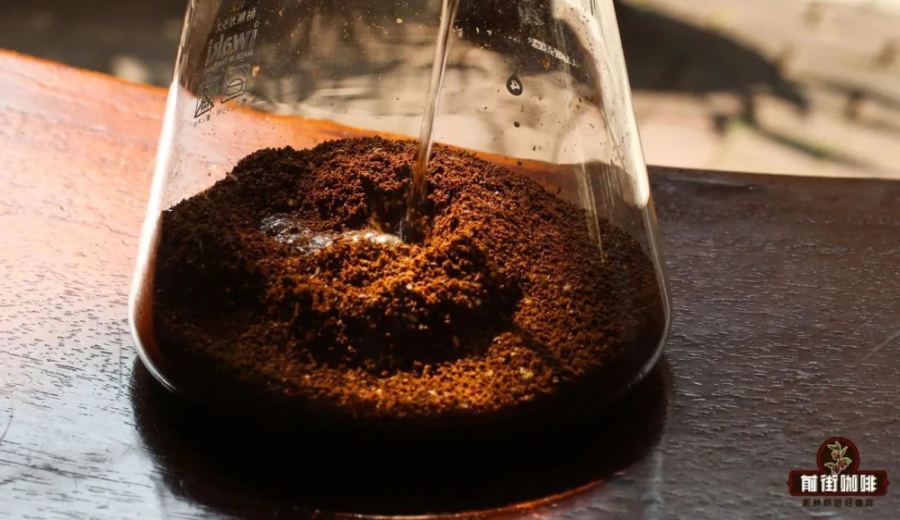
Introduction:Using a French press to make cold brew coffee is not only simple and convenient, but also helps retain a rich and layered flavor. This article will provide a detailed analysis of the types of coffee beans suitable for cold brew, the optimal coffee-to-water ratio and steeping time, along with a clear step-by-step brewing process and filtration & storage recommendations — allowing you to easily brew clean, sweet, and smooth cold brew coffee at home, perfect for both beginners and advanced enthusiasts.
To enjoy a refreshing and smooth cold brew coffee, you don’t need expensive equipment or complicated techniques. With just a common French press, you can get it done effortlessly. The French press uses an immersion brewing method that allows the coffee to stay in contact with water for a long period, slowly releasing flavors. The process is less prone to errors, making it highly suitable for first-time cold brew brewers. Below, we’ll dive deep into how to use a French press to create your ideal cup of cold brew coffee, covering everything from bean selection, grind size, coffee-to-water ratio, steeping time, to filtration and storage methods — all explained comprehensively.
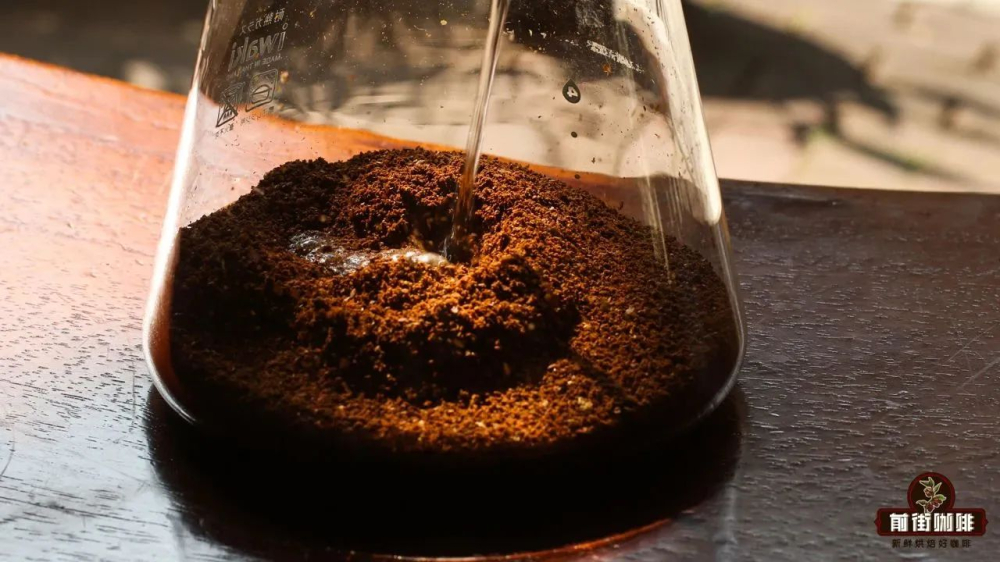
The reason why the French press is well-suited for cold brew is mainly due to its high fault tolerance in immersion brewing. During the steeping process, as the concentration between coffee and water gradually balances, the rate of flavor release naturally slows down. This makes it less likely to over-extract even if parameters are slightly off. Moreover, it doesn't require precise pouring techniques — just control the amount of coffee grounds, water temperature, and time, and you can consistently brew cold brew with a uniform taste, as straightforward and intuitive as brewing tea.
When choosing coffee beans, although any type can be tried, selecting beans based on personal flavor preferences is recommended for brewing cold brew with outstanding and distinct layers of flavor. If you prefer bright, refreshing floral and fruity notes, light to medium roasted beans are usually the top choice — these beans often carry pronounced floral, citrus, or berry flavors. If you favor rich and bold chocolate, nutty, or caramel profiles, medium-dark or dark roasted beans are also great options. Generally, a medium-coarse grind, similar in texture to sea salt, is advised. This allows water to flow smoothly while avoiding over-extraction caused by too fine a grind.
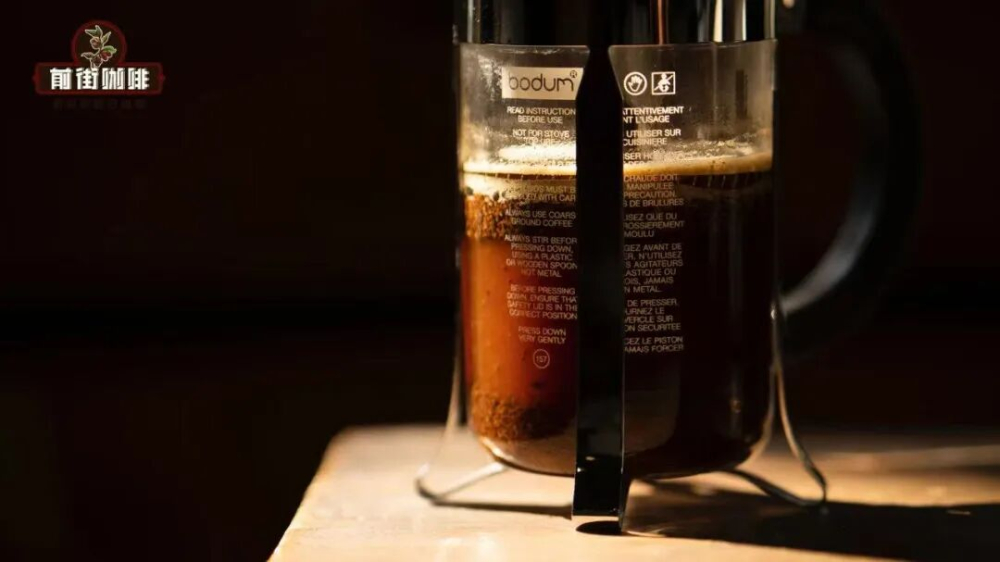
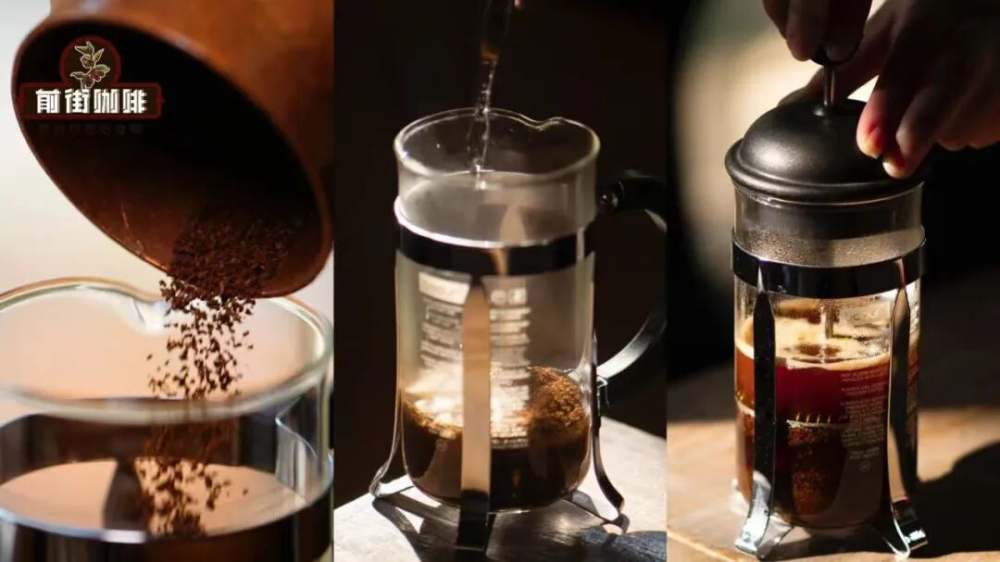
For specific preparation, taking a common 300ml French press as an example, if following a 1:10 coffee-to-water ratio, it is recommended to use 30 grams of coffee grounds and add 300 milliliters of room-temperature cold water. The grind size of the coffee should be adjusted so that about 85% of the grounds can pass through a standard #20 sieve. This ensures sufficient extraction while avoiding overly fine particles that could lead to over-extraction or clogging of the filter. After adding the coffee grounds to the French press, slowly pour in the cold water and gently stir to ensure all coffee particles are fully saturated. Then immediately seal the press and place it in the refrigerator to steep.
Steeping time is one of the key factors affecting the flavor profile of cold brew coffee. It is recommended to let it steep for 8 to 16 hours. Steeping for too short a time may result in under-extraction and a weak flavor, while steeping too long can bring out excessive bitterness or unwanted impurities. Generally speaking, 8–12 hours is more suitable for those who prefer a bright, acidic, and sweet taste, whereas 12–16 hours better highlights a full-bodied and rich mouthfeel. Once steeping is complete, gently press down the French press filter to first separate the larger coffee grounds. For an even clearer coffee liquid, a secondary filtration using filter paper can be performed to achieve a smoother taste.
If the freshly filtered cold brew feels too strong, you can adjust the concentration to your preference by adding a small amount of ice, or pour the coffee liquid into a clean, airtight container and let it sit refrigerated for another 3–4 hours. This allows the flavors to meld further, often resulting in a sweeter and rounder taste. These subtle adjustments can enrich the flavor layers of your cold brew, making it more enjoyable to sip slowly.
Regarding storage, it is recommended to keep filtered cold brew coffee in a sealed container in the refrigerator, where it can last for about 5 days. Although many believe that cold brew becomes richer in flavor the longer it’s stored, in a typical home refrigerator environment, bacterial growth or unwanted odors can’t be entirely avoided. Additionally, each time the container is opened, air enters and accelerates oxidation, which affects overall flavor. Therefore, it is best to consume the cold brew within a week to ensure optimal taste quality and safety.
The above content is compiled by CoffeeHunters, a coffee news website.


