







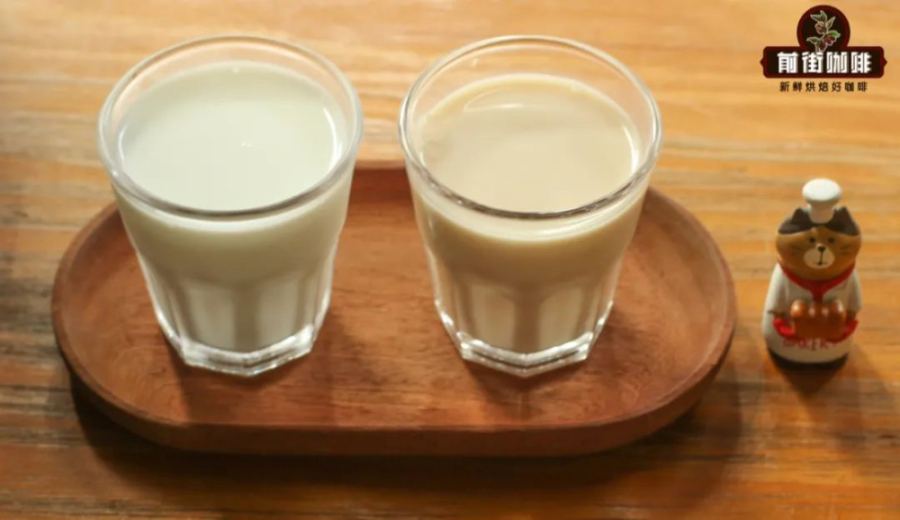
Introduction:Oat milk lattes, being lactose-free and having a mild flavor, have gradually become a new favorite among coffee enthusiasts. However, they differ significantly from dairy milk in terms of composition, texture, and reaction during preparation, often leading to issues such as unstable foam and failed latte art. This article delves into the fundamental differences between oat milk and fresh cow’s milk, and provides practical tips on steaming and pouring latte art to help you master the essentials of plant-based milk coffee.
In recent years, more and more customers walking into coffee shops actively ask whether oat milk lattes are available, and some even hope to learn how to steam oat milk into fine microfoam. Although many professional cafes still prefer using whole fresh milk for milk-based coffee, to address the public’s curiosity about plant-based milk, we will explore the uniqueness of oat milk lattes and share key considerations when steaming and pouring latte art.
First, although called “milk,” oat milk actually contains no dairy components at all. It is made by blending oats with water into a slurry, then adding fats, thickeners, and stabilizers, followed by high-temperature sterilization—making it a plant-based beverage. Being lactose-free, it is a more friendly option for those who are lactose intolerant.
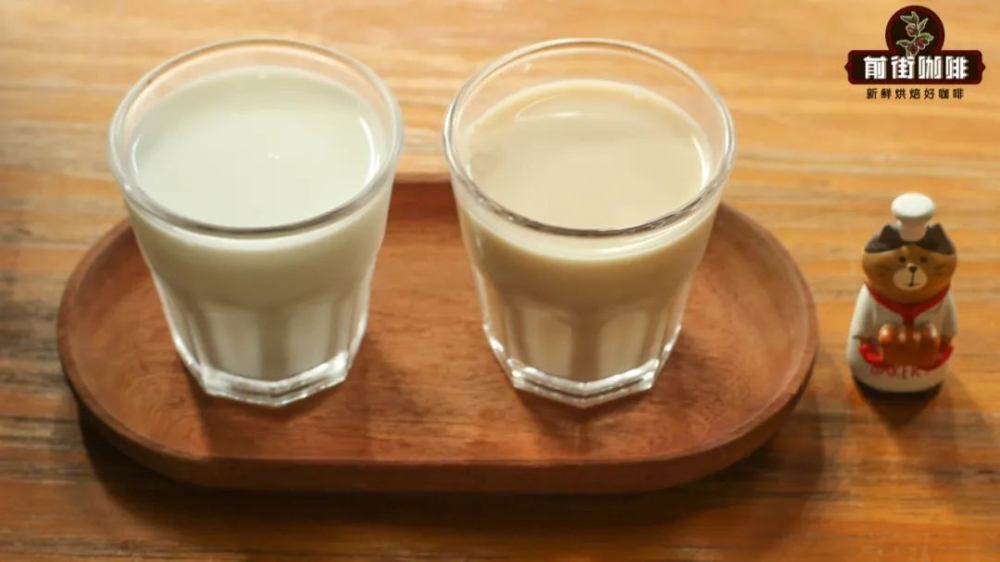
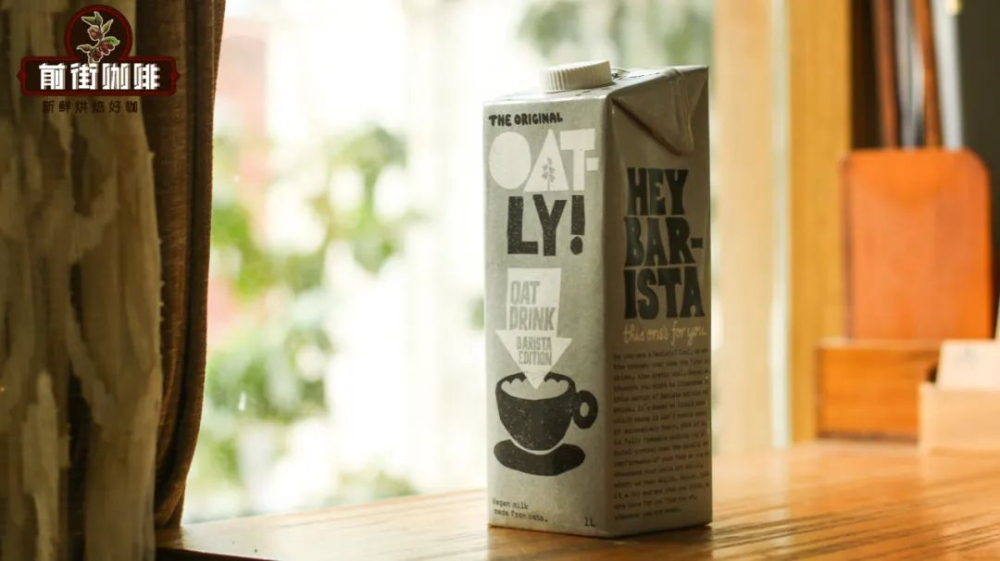
Compared to traditional fresh cow’s milk, oat milk has a lighter texture, but compared to other common plant milks such as soy or almond milk, it offers a richer mouthfeel. There are many brands on the market, with popular ones like OATLY exhibiting a distinct grainy aroma and a creamy, smooth texture. It should be noted that oat milk tends to separate when left standing, so it is recommended to shake it well before use.
In terms of performance in hot milk coffee, oat milk lattes and fresh milk lattes differ in flavor profile. Whole fresh milk is rich in lactose, fat, and protein. When heated above 30°C, lactose breaks down into sweeter monosaccharides, making the overall sweetness more pronounced. This sweetness, along with the creamy aroma, balances well with espresso, creating a full-bodied and smooth mouthfeel.
Oat milk, on the other hand, balances the bitterness and acidity in coffee with its inherent grainy aroma, bringing out a unique cereal-like sweetness. When selecting coffee beans, it is recommended to use medium-roast beans, such as a blend of Brazilian Red Bourbon and Yunnan small beans, which can showcase a maltose-like gentle sweetness that complements the texture of oat milk. However, if the oat milk itself has a relatively high fat content, it may suppress the delicate flavors of the coffee, so it’s advisable to choose an appropriate brand based on actual conditions.
When it comes to latte art, oat milk and dairy milk show significant differences in steaming characteristics. Due to its lower protein content and different molecular structure, oat milk foam is usually less fine and tends to dissipate more quickly. The key point is that oat milk requires more air incorporation to form a stable structure that can support the design. Generally, the foam thickness of fresh milk is about 1–2 cm, while oat milk can be steamed to 2–2.5 cm.
In terms of temperature control, oat milk has stronger heat tolerance and can maintain good performance even when heated to 65°C. To achieve better foam texture and clearer patterns, it is recommended to use the vortex technique, extending the heating and texturing time appropriately until the milk reaches a temperature that is too hot to touch, which helps stabilize the foam structure.
During the blending step before pouring latte art, you can first pour a small amount of oat milk into the cup and gently swirl the cup to promote even mixing of the milk and coffee. This helps avoid layering and ensures a cleaner surface for latte art. When actually pouring the design, it is recommended to release the milk stream as finely as possible and to move more gently, as too large a flow can cause turbulence, disrupting the surface foam and any existing patterns.
In summary, although oat milk lattes have advantages in flavor and healthiness, their preparation requires adjustments tailored to their unique properties. Mastering foam thickness control, appropriately extending heating time, and carefully handling the blending and pouring steps are all key to crafting a beautiful and delicious plant-based milk latte.
The above content is compiled by CoffeeHunters, a coffee news website.


