








Introduction:Want to brew rich, crema-filled coffee at home with a moka pot? This article dives deep into the types of coffee beans best suited for the moka pot, the optimal grind size, and a detailed brewing guide to help you master this classic Italian tool. Whether you're a beginner or an experienced coffee enthusiast, you'll learn how to adjust parameters to brew balanced, aromatic coffee.
The moka pot is many households' first choice for getting into espresso-style coffee. Invented in 1933 by Italian designer Alfonso Bialetti, its working principle is similar to steam extraction, sharing similarities with early espresso machines. This affordable and easy-to-use device remains a daily essential in many Italian homes to this day. This article will guide you on how to choose the right coffee beans, master the correct grind size, and complete the full moka pot brewing process step-by-step, helping you easily brew coffee with rich crema and distinct flavor layers.
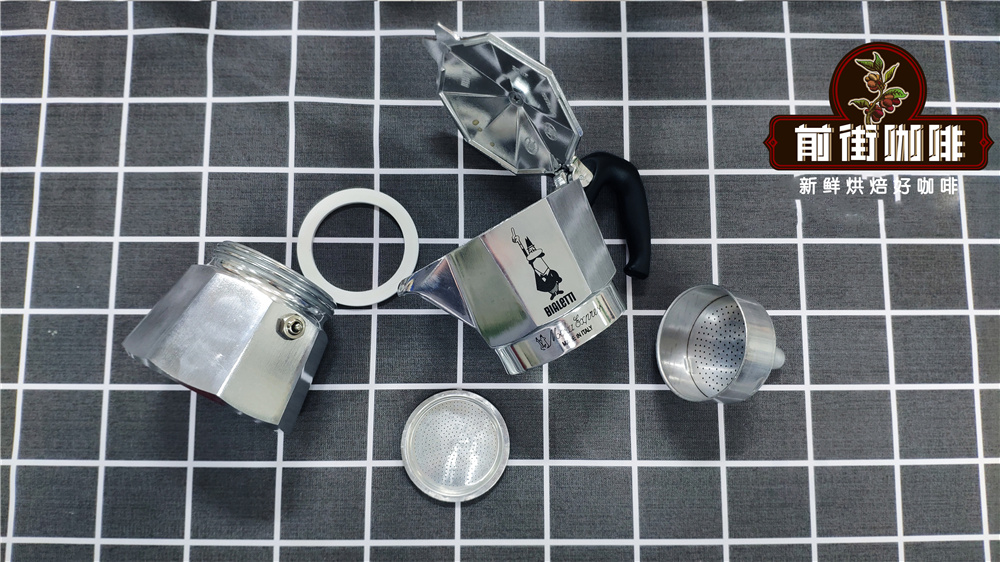
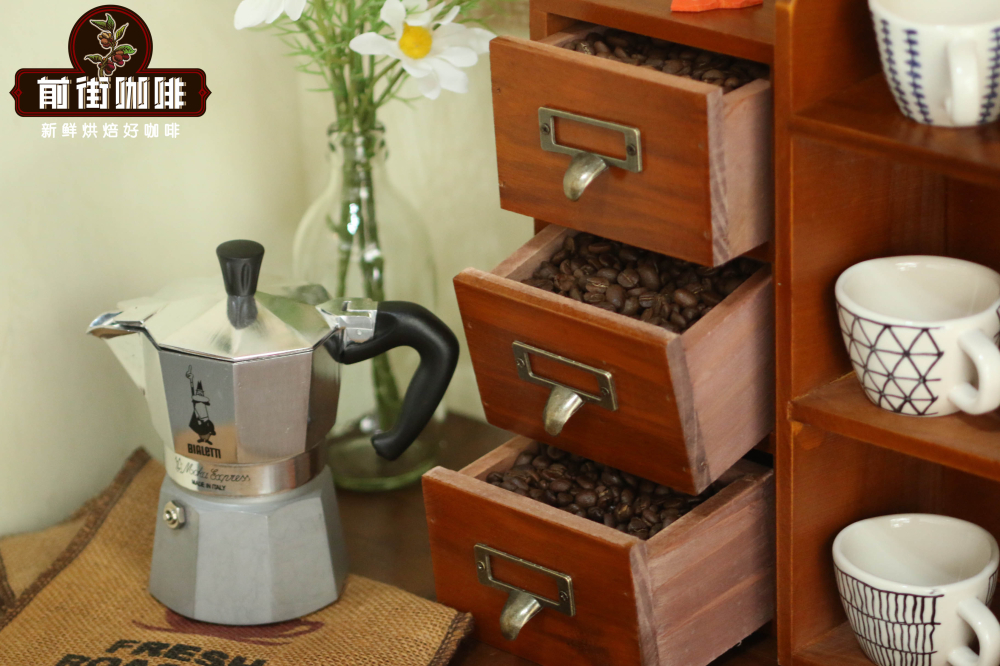
Among the many espresso tools, the moka pot stands out for its affordability and ease of use, and is almost a staple in Italian kitchens. Its design was inspired by early espresso machines, using steam pressure generated by heating the lower chamber to force hot water through ground coffee, extracting a highly concentrated coffee liquid. Although not as sophisticated as modern espresso machines, with the right technique, it can still produce café-quality espresso-like flavors.
So, what kind of coffee beans are suitable for the moka pot? In Italy, many households don’t use professional grinders but instead buy pre-packaged “moka pot coffee” directly from stores. These coffee grounds are usually adjusted in roast level and grind size specifically for the moka pot, making it easy even for beginners to brew fragrant coffee. However, in Taiwan or overseas, it’s not easy to find coffee labeled as “for moka pot,” so it’s recommended to select and grind your own beans.
Since the coffee brewed with a moka pot is quite concentrated, it’s recommended to choose medium-dark to dark roasted beans, avoiding light roasts with prominent acidity or light flavors, which can result in sourness and insufficient crema. If you prefer balanced and beginner-friendly flavors, consider espresso blends, which typically combine beans from different regions and are formulated for flavor harmony and stable taste. For example, a common Brazilian and Colombian blend often features aromas of nuts, cream, and white chocolate, with a sweet and smooth mouthfeel and excellent crema performance.
If you want to explore more regional flavor characteristics, medium-dark roasted single-origin beans are also a good choice. For instance, beans from Queen Estate or Bird of Paradise Estate are known for their balanced profile with distinct nutty notes, often accompanied by a soft fruity sweetness in the aftertaste. If you’re after more intense and bold aromas, go for darker roasted beans, such as Indonesia’s Golden Mandheling, whose herbal and earthy complex aromas complement the high-pressure extraction of the moka pot. Additionally, if you enjoy floral and fruity notes, you might choose blends with pronounced profiles like strawberry candy—these can also showcase rich crema and layered flavors.
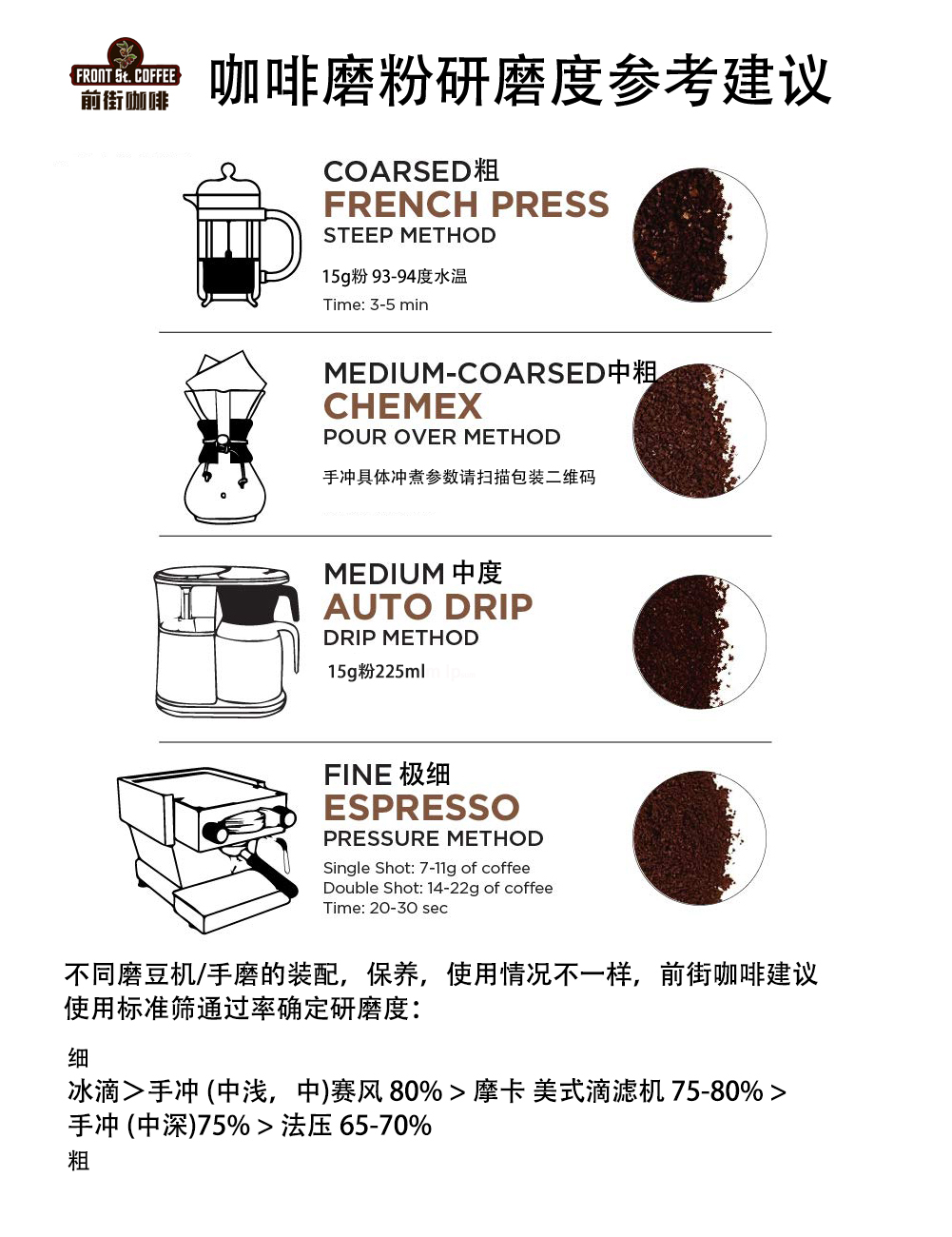
Grind size is one of the most common questions when using a moka pot. Many users mistakenly think the moka pot should use the same fine grind as an espresso machine, but due to differences in extraction principles and pressure conditions, the required grind size is actually different. The coffee grounds for a moka pot should be between 0.3 mm and 0.55 mm in size—slightly coarser than espresso machine grounds, but not too coarse, otherwise it may lead to insufficient extraction pressure, difficulty in releasing crema, or even overly fast water flow and incomplete extraction.
To judge whether the grind size is appropriate, observe the brewing process: if very little coffee comes out and you hear a clear “wuu wuu” boiling sound inside the pot, it may be too fine, causing channeling or excessive pressure—in this case, turn off the heat immediately. Conversely, if the coffee sprays out like a fountain, the grind may be too coarse, resulting in insufficient pressure. You can also use a particle size gauge or visually and tactilely compare with commercially available moka pot-specific coffee to ensure the coffee bed is even and compact, avoiding over-extraction in some areas and under-extraction in others.
Grind size also affects extraction time and flavor balance: the finer the grind, the slower the water flow, the longer the extraction time, which helps extract more flavor compounds but can also over-extract bitter compounds; the coarser the grind, the shorter the extraction time, the less flavor released, but it effectively reduces the risk of over-extraction. Generally, dark roasted beans, with their already compromised fibers, suit a slightly coarser grind to reduce bitterness; light roasted beans, with more intact fibers, can have a slightly finer grind to fully release their acidity and aroma, but still avoid being too fine, which could cause pressure imbalance.

Here are practical steps for using a moka pot: First, fill the lower chamber with clean water, keeping the water level about 0.5 cm below the safety valve to avoid contacting the filter plate, which can affect extraction pressure and flavor. Next, add the selected coffee grounds into the filter basket, gently tap the basket to distribute the grounds evenly, then use your fingers or a leveling tool to shape the coffee surface into a flat, small mound, ensuring the layer is compact and consistent to allow even pressure distribution and avoid localized over- or under-extraction.
Place the filled filter basket into the lower chamber, then tightly seal the upper and lower chambers to ensure no air leakage. It’s recommended to use a stove with an electric ceramic burner for more stable heat control. When the moka pot starts making a clear “gurgling” sound, it indicates that pressure is gradually building—reduce the heat to low at this point, and slightly open the upper chamber lid to observe the dripping coffee. When about half the upper chamber is filled with coffee, turn off the heat and let the residual heat and remaining pressure push the rest of the coffee up, avoiding over-extraction. Once all the coffee has entered the upper chamber, it’s ready to pour. This rich coffee usually has a noticeable crema layer, and you can adjust the flavor to your liking by adding water or milk.

The above content is compiled by CoffeeHunters, a coffee news website.


