







Introduction:As one of the world’s major coffee-producing regions, Asia boasts a diverse range of climates—from tropical to highland—giving rise to uniquely distinctive coffee flavors. This article will guide you through the main coffee-growing regions in Asia, including Yemen, India, Indonesia, and Vietnam, analyzing their geographical conditions, processing methods, and unique flavor profiles. We’ll also provide practical pour over brewing recommendations to help you better appreciate and select fine Asian specialty coffees.
Asia’s coffee-growing regions are widely distributed across both sides of the equator. The region’s abundant sunshine and humid monsoons create ideal growing environments for coffee trees. The beans produced here often exhibit pronounced herbal, spicy notes, and rich body, forming a sharp contrast with the coffees of Africa and Central and South America. From the ancient ports of Mocha in Yemen, to the highland ecology of Sumatra in Indonesia, to the large-scale cultivation of Robusta in Vietnam—each area holds a unique coffee culture and history.
Overall, Asian coffees often feature herbaceous tones, woody aromas, low acidity, and a full, rich body. These characteristics make Asian coffees particularly appealing to drinkers who prefer bold flavors and are not drawn to high-acidity or bright-tasting brews. Whether you’re a beginner just starting out with pour over or a coffee enthusiast seeking unique flavor experiences, understanding the traits of these regions can help you choose and brew your ideal cup more precisely.
When discussing the origins of coffee and global trade, one cannot overlook Yemen. Although coffee was first discovered in Ethiopia, it was Yemen in the 17th century that brought it onto the world stage. At that time, Yemen’s Mocha port was a key gateway for exporting coffee to Europe, making the term "Mocha" synonymous with coffee. Yemeni coffees typically have spicy finishes, fermented fruit notes, and complex layers, which are closely related to their dry highland climate and unique sun-drying processing methods. It’s worth noting that the “mocha coffee” commonly heard in coffee shops today usually refers to an espresso-based drink mixed with cocoa and milk—a far cry from the original Yemeni Mocha beans—but the subtle flavor connection still makes for an intriguing footnote.
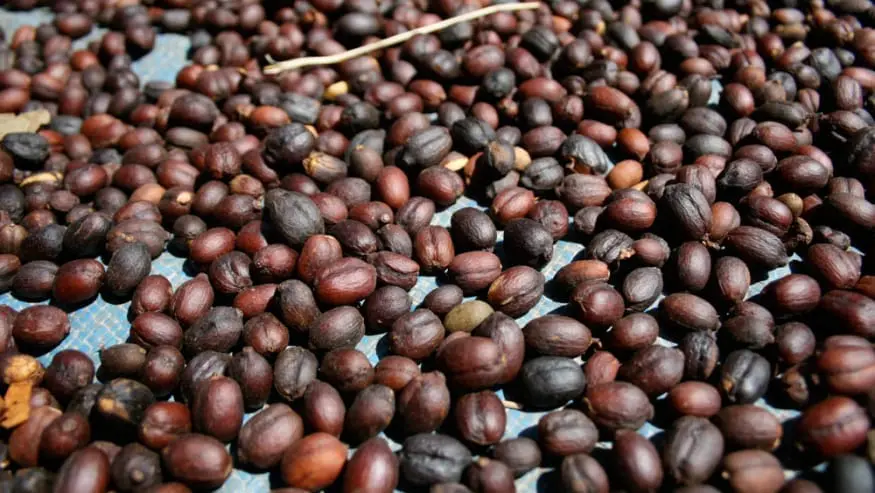
India’s coffee history is equally legendary. Legend has it that a missionary named Baba Budan smuggled seven coffee beans from Yemen back to India and planted them in the country’s southwest, thus beginning India’s coffee-growing legacy. Today, India’s coffee production is mainly concentrated in coastal regions such as Kerala, Karnataka, and Tamil Nadu, where the monsoon climate significantly influences the flavor profile of the beans. Notably, India developed a unique "monsooned" processing method, where pre-processed green beans are naturally dried along the coast under strong monsoon winds. During this process, the beans gradually expand and develop richer flavors with distinct woody and spicy notes. This processing method has secured India a place in the global coffee market and makes it a popular choice among pour over enthusiasts looking to try something new.
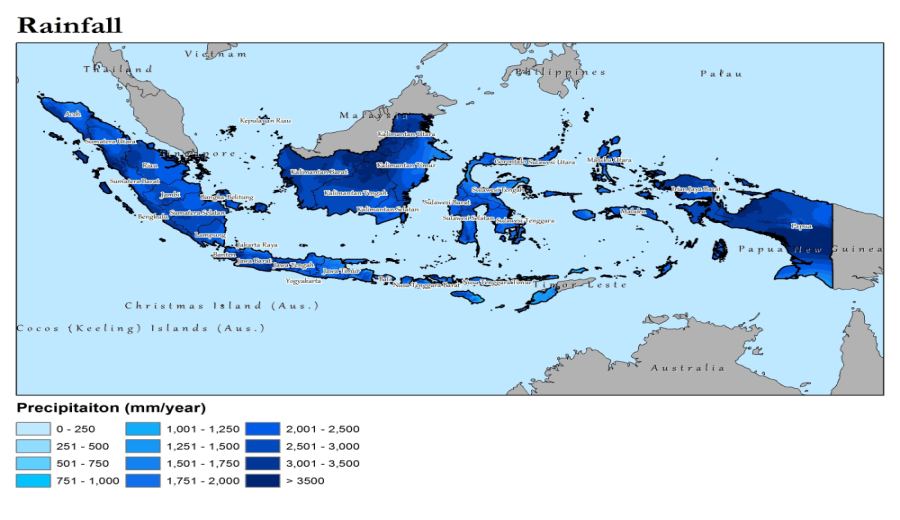
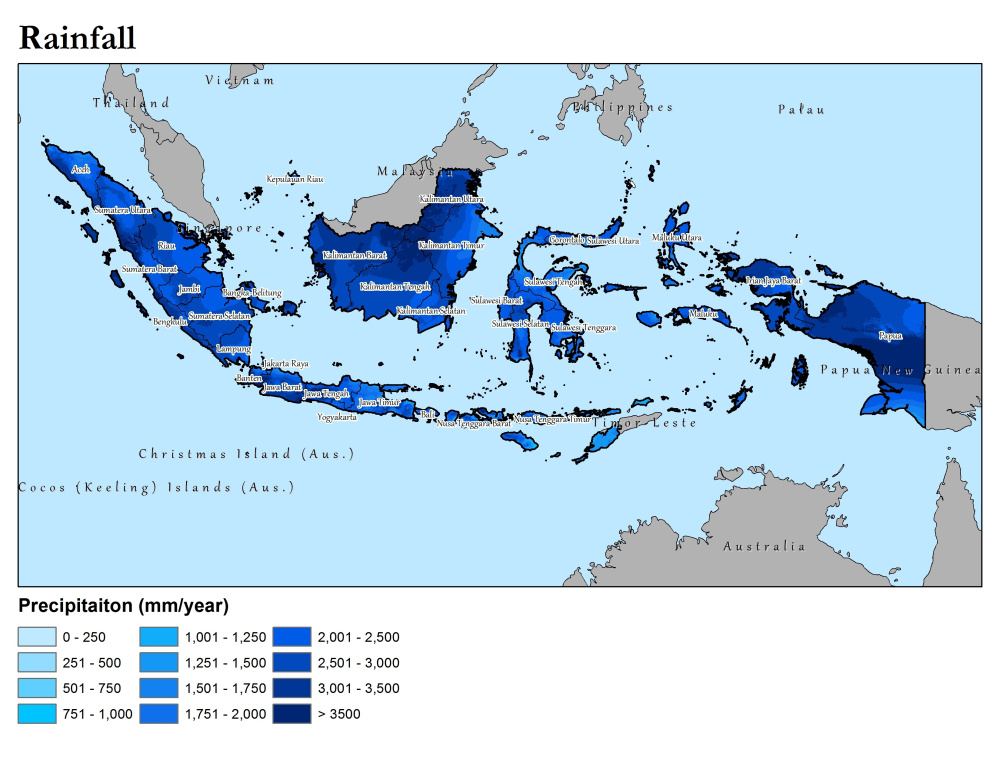
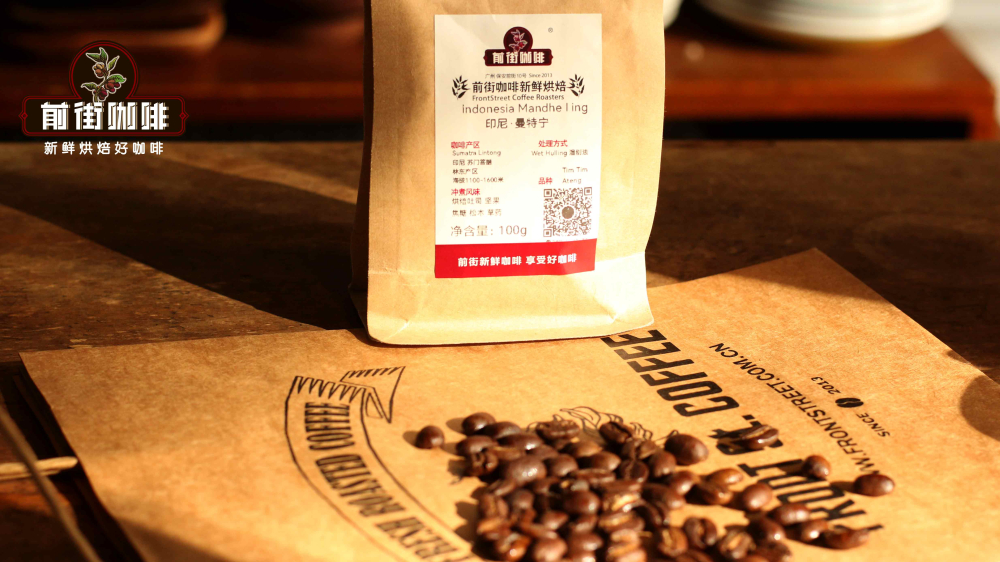
When talking about Asian coffee, Indonesia—this island nation with diverse microclimates—absolutely cannot be missed. Regions like Sumatra, Java, Sulawesi, Flores, and Bali in Indonesia mostly employ semi-washed processing methods, resulting in coffees that are low in acidity, full-bodied, and rich in woody and spicy notes. Among these, Sumatra’s Mandheling coffee is considered one of the representatives of Indonesian coffee. Its name originates from a linguistic misunderstanding: during World War II, a Japanese soldier mistook “Mandheling” (a local ethnic group) for the name of the coffee, and the name stuck ever since. Notably, Golden Mandheling, which undergoes multiple rounds of careful manual and mechanical selection followed by medium-dark roasting, presents intense notes of spice, caramel, and dark chocolate. It’s highly suitable for extraction using a moka pot, offering a full body and rich crema, making it a favorite among those who prefer low-acid coffees.
In addition to the common Mandheling, Indonesia also produces a highly controversial type of coffee known as kopi luwak, or civet coffee. This coffee is processed after being eaten and excreted by civets; the beans ferment inside the animal’s digestive tract, which is said to reduce bitterness and add a unique sweet and rounded mouthfeel. Due to its rarity and unique processing, kopi luwak is often three to four times more expensive than regular coffee beans, making it a sought-after delicacy among coffee collectors and extreme flavor enthusiasts. However, consumers should also pay attention to animal welfare and the legality of sourcing, choosing ethically produced products.
Finally, we come to Vietnam, the world’s second-largest coffee producer. Vietnam is renowned for its mass cultivation of Robusta beans, ranking only behind Brazil as the world’s primary supplier of Robusta coffee. Compared to Arabica, Robusta has stronger disease resistance and adaptability, can be grown at low altitudes, and has lower production costs. However, its flavor is often considered stronger, more bitter, lower in acidity, and frequently carries woody undertones. Although Robusta is often seen as more ordinary within the specialty coffee community, its high caffeine content and bold body make it an essential base for many espresso blends. For those who prefer strong flavors or use coffee primarily for instant or three-in-one blends, Vietnamese Robusta still holds market value.
In summary, Asia’s coffee-growing regions, with their diverse geographical environments, climatic conditions, and processing methods, have created a rich and varied spectrum of flavors. Whether you’re an explorer, a pour over enthusiast, or someone simply looking for a reliable daily brew, gaining a deeper understanding of the characteristics of these regions can help you find the coffee that best suits your taste and elevate your overall coffee experience.
The above content is compiled by CoffeeHunters, a coffee news website.


