







Introduction:Want to learn the basics of espresso? From the difference between single and double shots, extraction ratios, to how to judge whether an espresso is well-made, this article thoroughly explains the key techniques for making espresso and how to taste it. It also introduces suitable coffee bean choices and blending principles for espresso, helping you master the fundamentals of this coffee art.
Regular espresso drinkers may have noticed that different drinks such as cappuccinos, lattes, or macchiatos use varying amounts of espresso — some with a single shot, others with a double. This isn’t just about differences in strength, but also involves grind size and extraction ratios. What exactly is the difference between a single and a double shot of espresso? How do you choose the right beans? And how do you evaluate the quality of an espresso? The following will explain each point in detail.
What is espresso?
Espresso, commonly referred to as 意式濃縮咖啡, is a rich, concentrated coffee made by forcing hot water under high pressure through finely ground coffee. This brewing method produces a thick layer of crema (coffee foam), resulting in an intense and layered flavor. It serves as the base for many coffee drinks such as lattes and cappuccinos. Even without any additives, many people enjoy pure espresso for its bold and rich taste.
Differences between single and double shots of espresso
The main difference between single and double shots lies in the amount of coffee grounds used and the resulting volume of extracted liquid. Typically, a single shot uses around 10 grams of coffee grounds, while a double uses about 20 grams. The extraction ratio is often 1:2 — meaning 10 grams of coffee yields 20 grams of espresso, and 20 grams yields 40 grams. A single shot usually employs a single spout portafilter with a single basket, whereas a double shot requires a bottomless basket and corresponding portafilter to extract both doses at once.
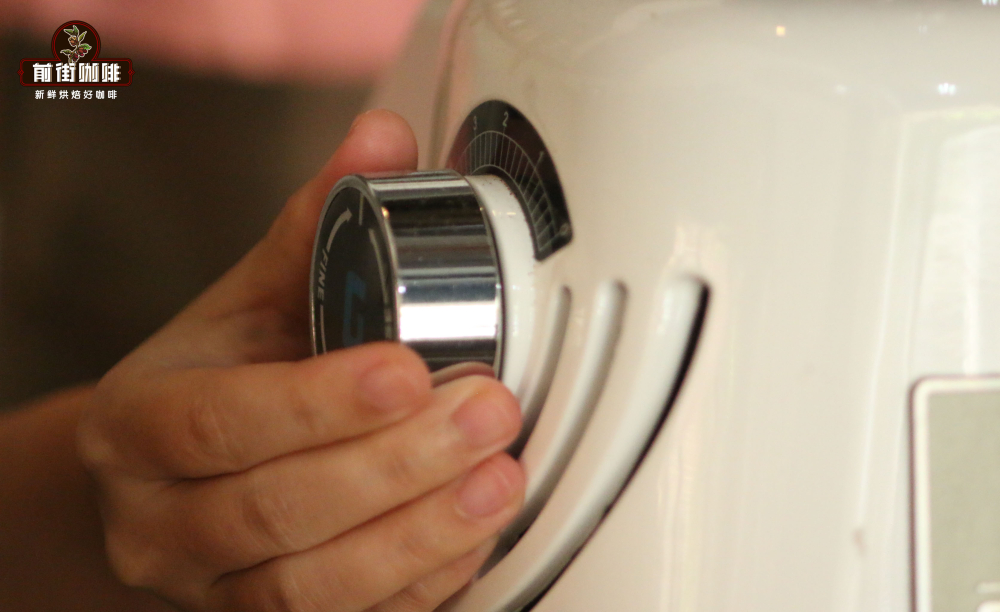
Additionally, since ground coffee can change due to environmental humidity and storage time, affecting the grinder’s performance, it’s necessary to fine-tune the grind size regularly to ensure consistent and stable flavor extraction each time. No matter which machine you use, parameters should be adjusted according to actual conditions — there’s no one-size-fits-all standard setting.
How to judge if an espresso is good?
To evaluate the quality of an espresso, focus on three aspects: visual, aroma, and taste.
1. Observe the crema
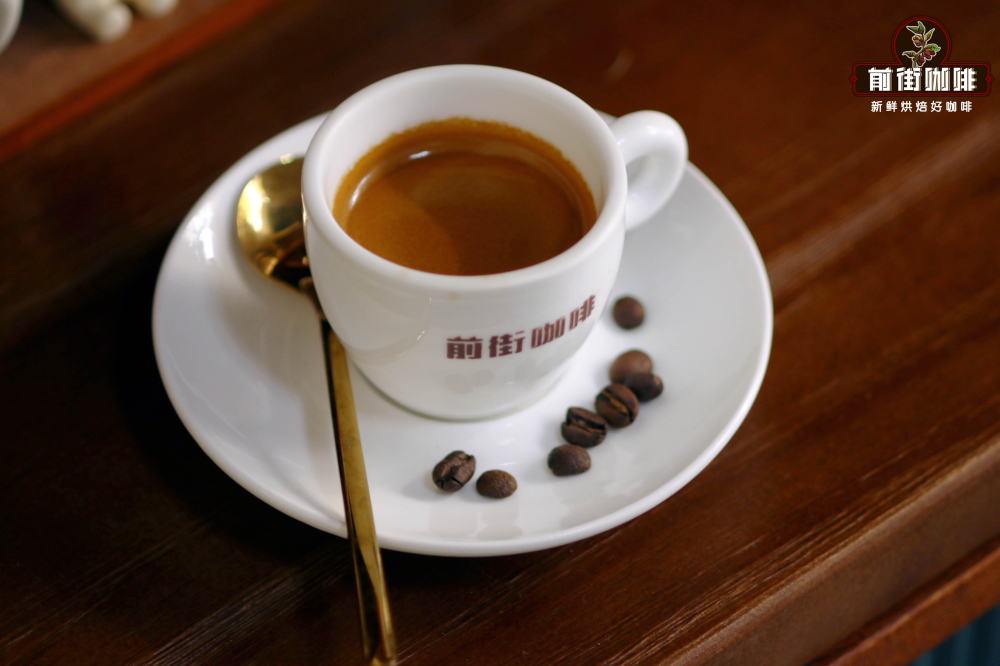
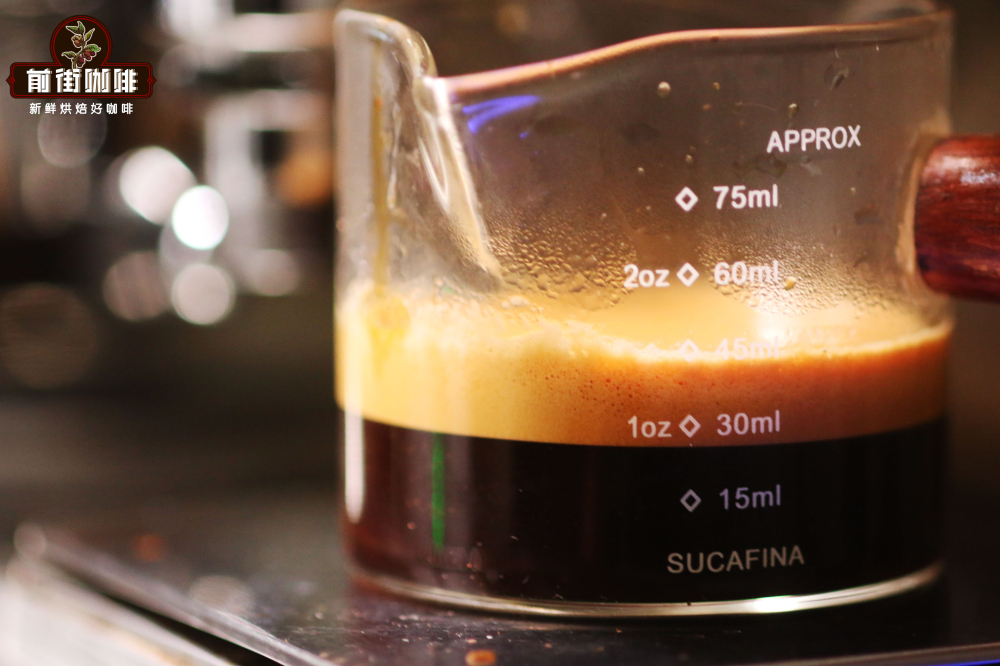
Crema is the dense, caramel-colored foam on the surface of espresso. Ideal crema should be dark brown to reddish-brown, fine-textured, and cling steadily to the liquid. The tiger striping (dark streaks) in the crema are formed by tiny coffee particles and usually indicate even extraction and stable pressure. This layer not only affects appearance but also plays a crucial role in preserving and releasing aroma.
2. Smell the aroma
Gently stir the crema to release the aroma. A high-quality espresso will emit positive scents such as caramel, bread, honey, citrus, or floral notes. If you detect rancid, moldy, woody, or plastic-like odors, it may indicate poor bean quality or a failed extraction.
3. Taste the flavor
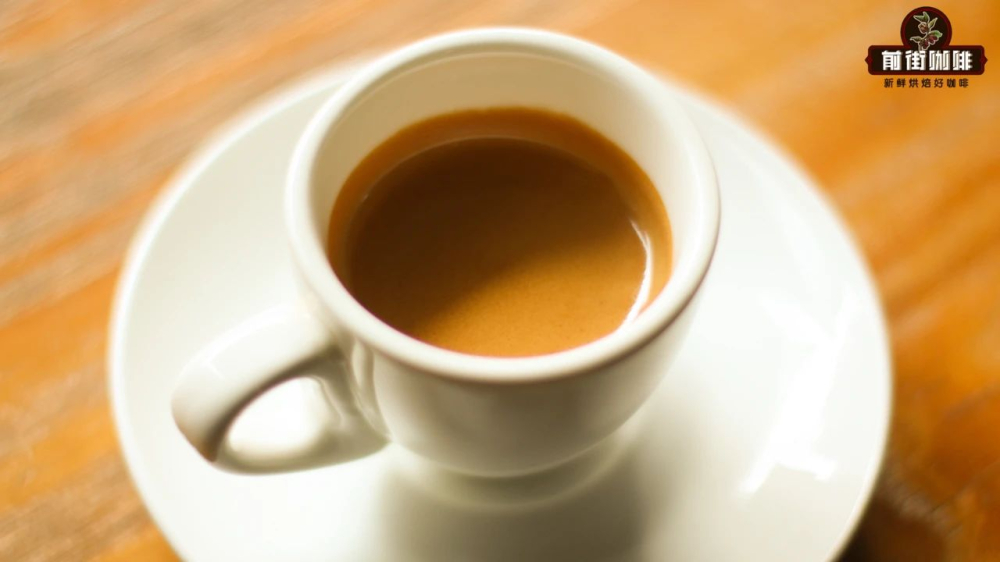
An ideal espresso should have a balanced combination of acidity, bitterness, and sweetness, with a rich yet smooth mouthfeel and a sweet aftertaste without harshness. A good shot will feature bright fruity acidity and a deep finish, reminiscent of citrus-like vibrancy along with rich chocolate or nutty tones.
What kind of coffee beans are suitable for espresso?
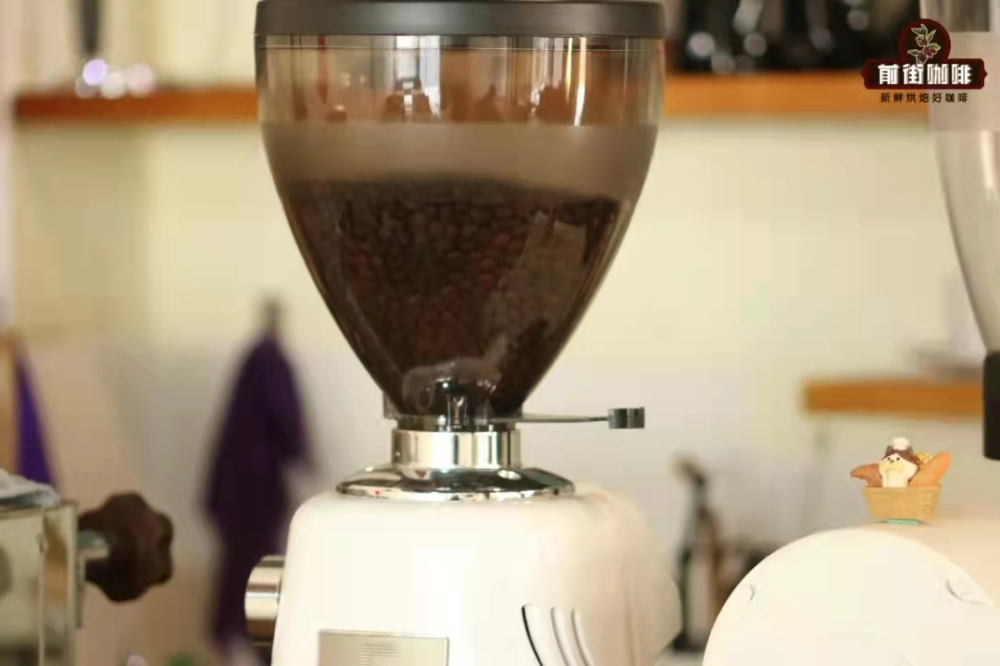
Because espresso machines use high-pressure extraction, which amplifies the inherent flavor characteristics of the beans, single-origin beans often highlight overly prominent acidity or other distinctive traits, which may not suit all palates. Therefore, in most cases, espresso is made using blended beans (blend), combining 2 to 4 different origin beans in specific proportions to achieve a more balanced and stable flavor profile in the final cup.
Of course, some coffee shops offer what’s called SOE (Single Origin Espresso), using beans from a single origin. However, this usually requires more precise adjustments to grind size and extraction parameters to maintain stable flavor expression.
Recommended blends for espresso
Here are several common and suitable espresso blend combinations along with their characteristics:
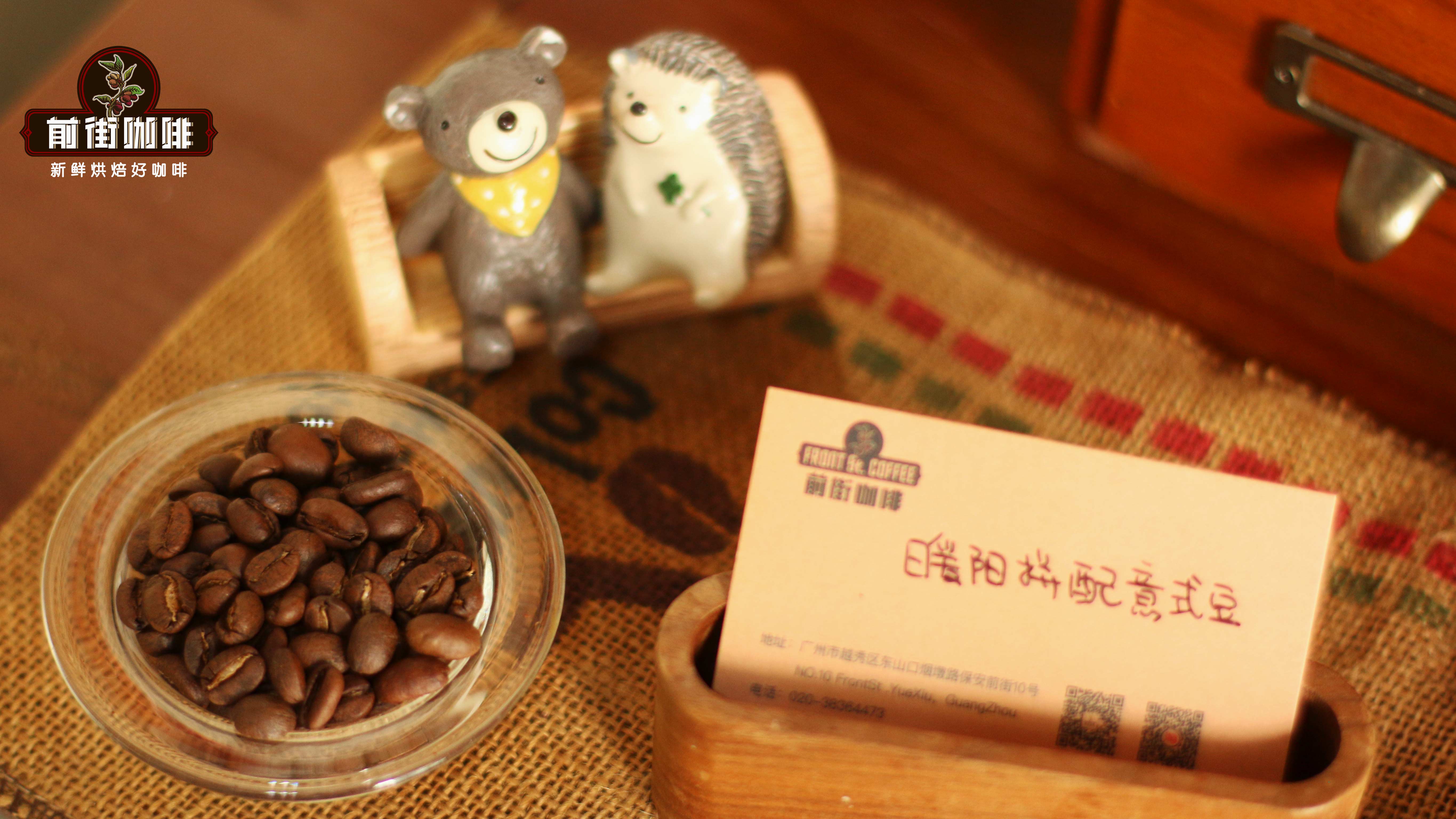
1. Sunflower Warm Sun Blend
Made with a blend of Yirgacheffe natural red cherry and Honduran sherry beans in a ratio of approximately 7:3. This blend combines fermented wine-like aromas, citrus, and berry acidity, with a rich dark chocolate finish. It’s ideal for those who enjoy fruity and wine-like layered flavors.
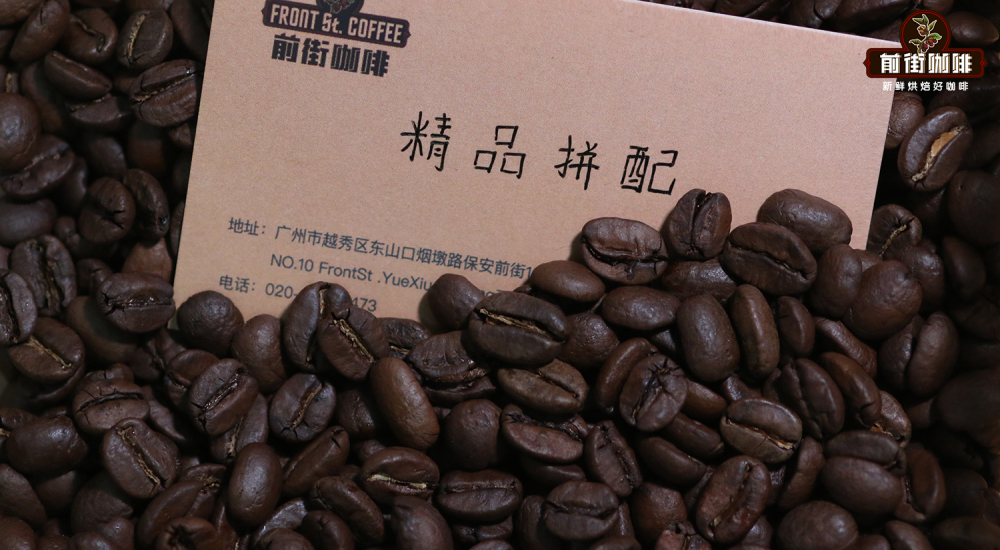
2. Premium Blend
A mix of Brazilian and Colombian beans in a 3:7 ratio, offering a mild flavor with subtle roasty notes and a nutty aftertaste. The overall profile is balanced and non-aggressive, making it suitable for everyday drinking.
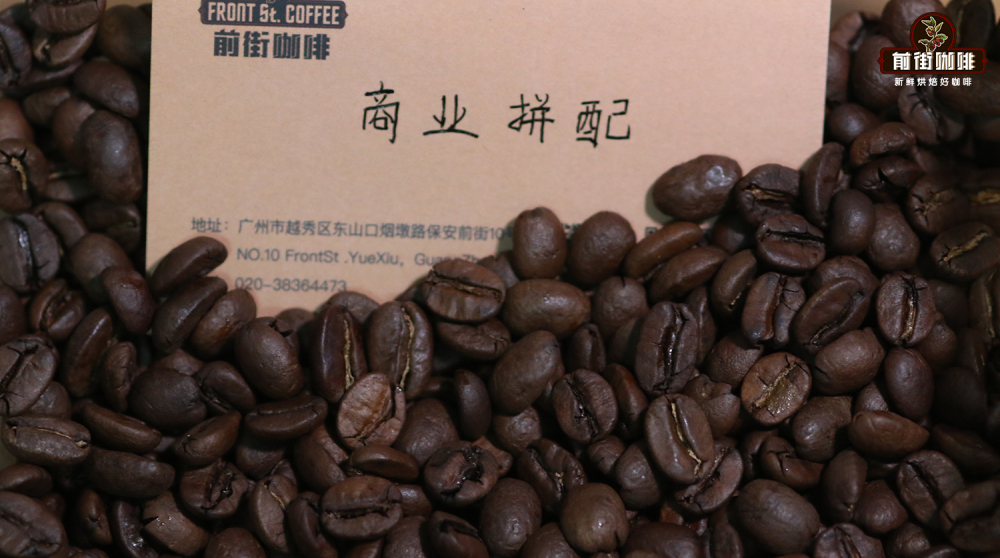
3. Commercial Blend
Combines Brazilian, Colombian, and a small amount of Robusta beans (ratio 3:6:1). It has a rich crema, a full-bodied mouthfeel, and flavors of caramel and chocolate. It’s well-suited for milk-based coffees like lattes or cappuccinos.
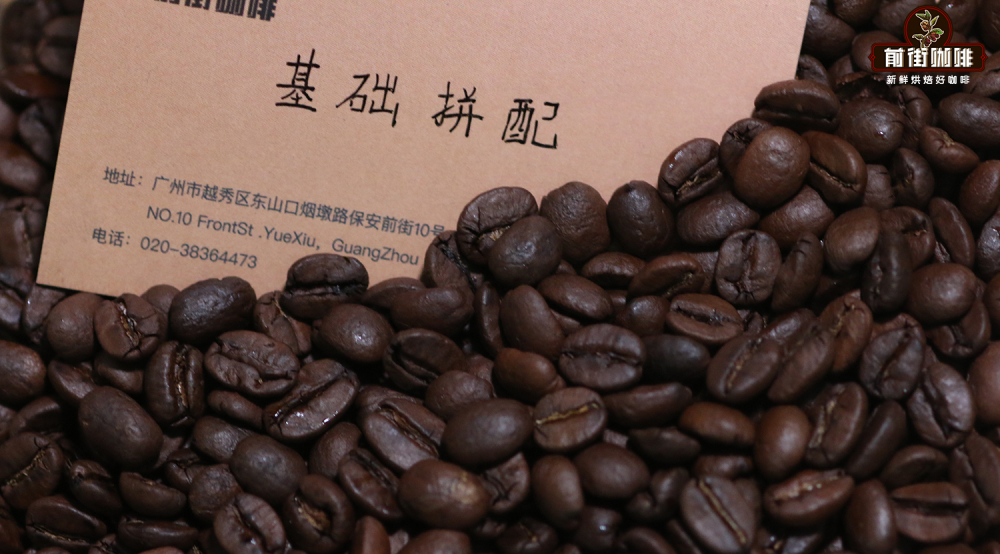
4. Dark Cocoa Blend
Uses Yunnan and Brazilian beans in a 3:7 ratio. The flavor is soft, featuring fruity acidity, caramel, and dark chocolate notes. It has a smooth but relatively light body, making it suitable for espresso beginners or smaller coffee shops.
Can espresso beans be used for pour over?
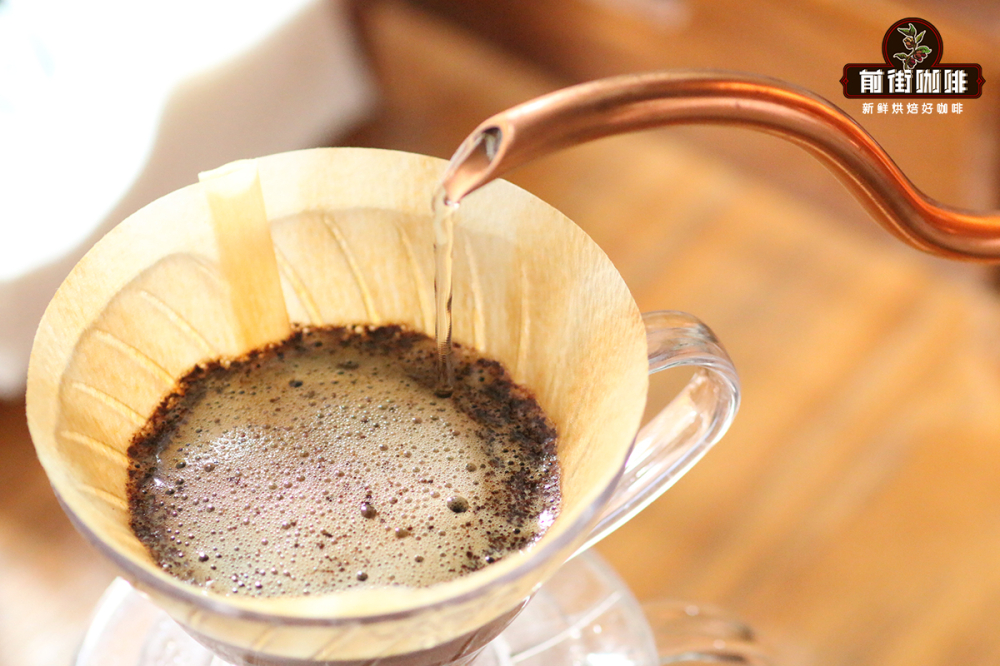
The answer is yes. Although espresso beans are typically ground finer for high-pressure brewing, you can still use them for pour over by adjusting the grind size and brewing parameters. It’s recommended to use a coarser grind (e.g., around 80% passing through a #20 sieve), paired with a V60 dripper, water temperature of about 90°C, a 1:15 coffee-to-water ratio, and a multi-pour method to highlight different flavor layers.
In summary, understanding the basics of espresso, the differences between single and double shots, tasting essentials, and bean selection can give you more direction when choosing or brewing espresso. Whether you’re just starting out or already have some experience, these practical tips will help you better appreciate the unique charm of every cup of espresso.
The above content is compiled by CoffeeHunters, a coffee news website.


