








Introduction:Espresso, as the base for many classic coffee beverages, is rich, aromatic, and intensely flavorful—a fundamental that every coffee enthusiast should know. This article will delve into the unique characteristics of espresso, including its golden crema, bold taste, and extraction principles. It also provides practical at-home parameters and steps for making espresso, along with recommendations for blends well-suited for espresso extraction, helping you master the soul of this iconic coffee.
Core Characteristics of Espresso
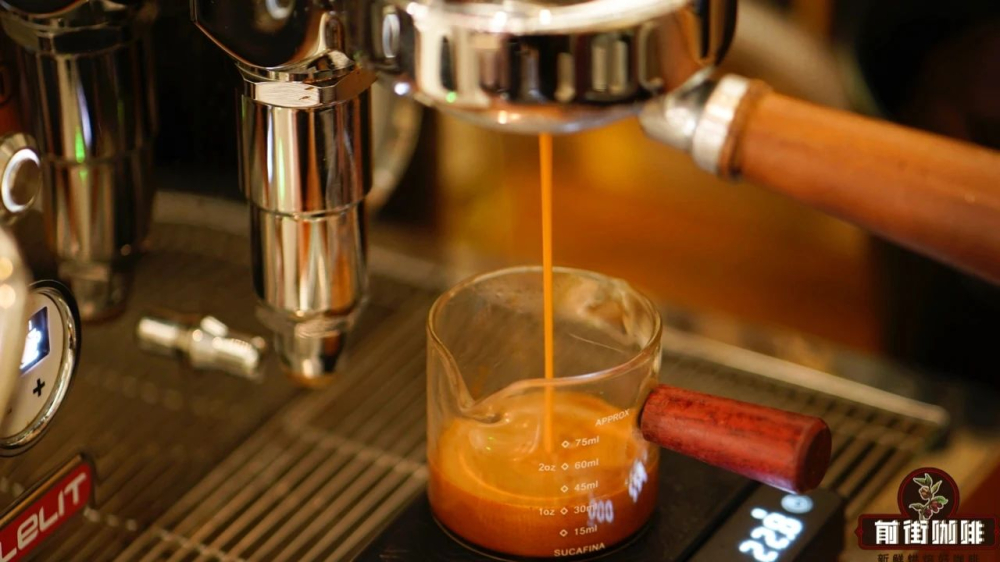
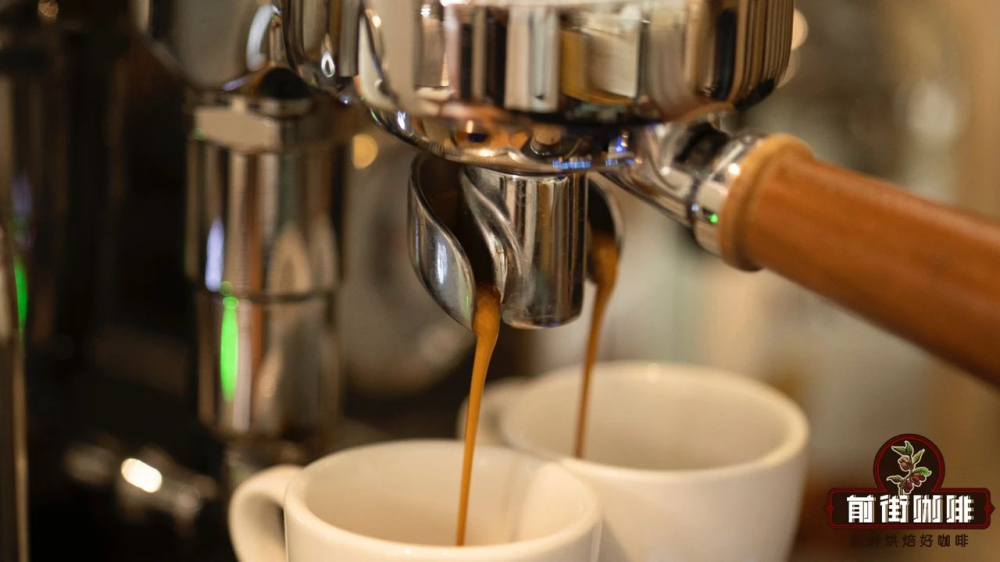
Espresso is a concentrated coffee made by rapidly extracting finely ground coffee under high pressure (approximately 9–11 bar) with near-boiling water in an extremely short time (20–30 seconds). One of its most distinctive features is the formation of a fine, densegolden-brown foam on the surface of the coffee, known as Crema. This layer of crema is not only a visual delight but also an indicator of the coffee beans’ freshness and the success of the extraction process.
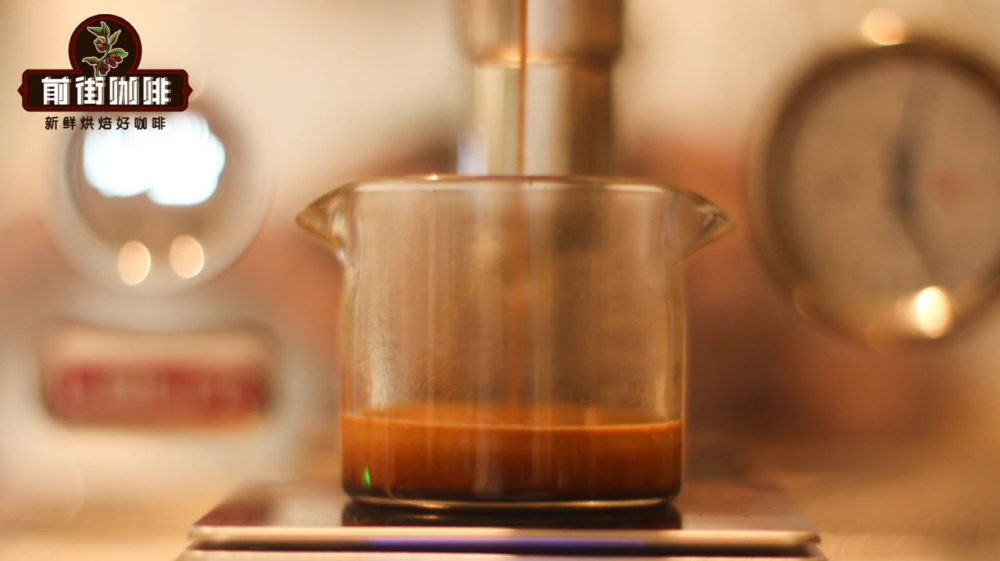
Additionally, espresso is known for its intense flavor and strong mouthfeel because the short extraction time releases a large amount of soluble substances from the coffee, resulting in a layered and sweet-aftertaste sip. It serves as the foundation for many coffee drinks such as lattes, cappuccinos, and Americanos.
The Secret of Crema (Golden Oily Layer)
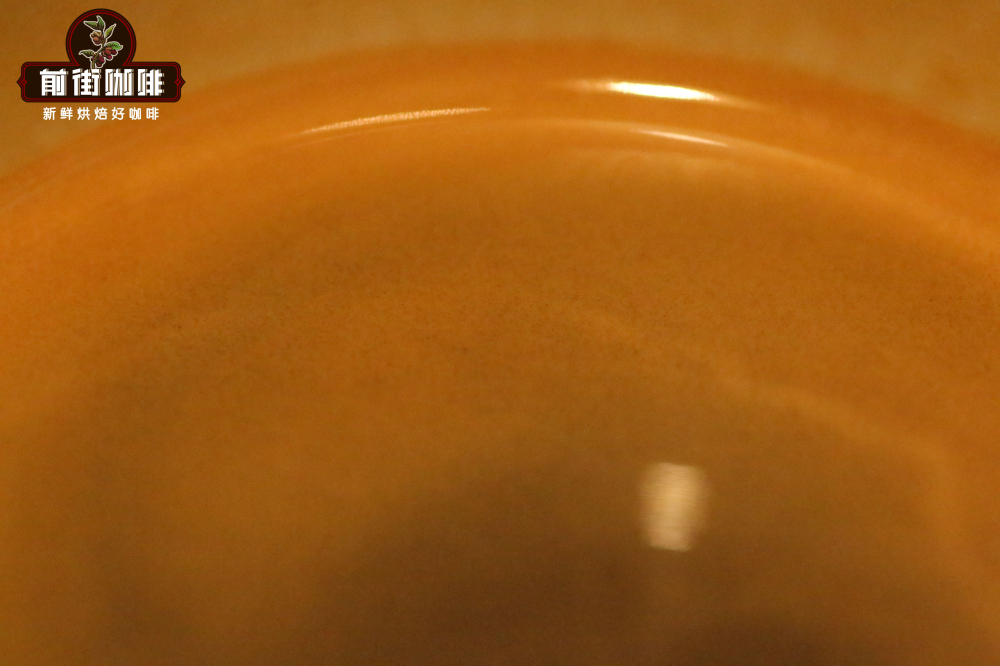
When you order an espresso, the first thing you usually notice is thethick, golden-brown foam floating on top of the coffee—Crema. This crema is formed when carbon dioxide produced during the roasting process is released under high pressure and becomes trapped on the liquid’s surface once the pressure dissipates. The thickness, color, and stability of the crema often reflect the roast level and freshness of the coffee.
Generally speaking,a darker brown crema, even with hints of amber, usually indicates a darker roast and a bolder flavor. If the crema is thin or dissipates quickly after extraction, it may suggest that the coffee beans are not fresh enough or that the extraction parameters were off.
The “High Concentration” Feature of Espresso
One of the appeals of espresso lies in its high concentration. To extract enough flavor and substances within a short period, the coffee grounds must be ground veryfinely and evenly, and then passed through by a high-pressure stream of water compacted into a tightly packed coffee puck. This extraction method highly concentrates the oils, aromas, and the balance of acidity, sweetness, bitterness, and saltiness in the coffee, resulting in a beverage where flavors hit you instantly with each sip.
That’s why many cafés serve a glass of water alongside espresso, allowing customers to cleanse their palates after the intense flavors and better perceive the full range of flavor layers.
Can You Make Espresso at Home? Practical Extraction Parameters and Steps
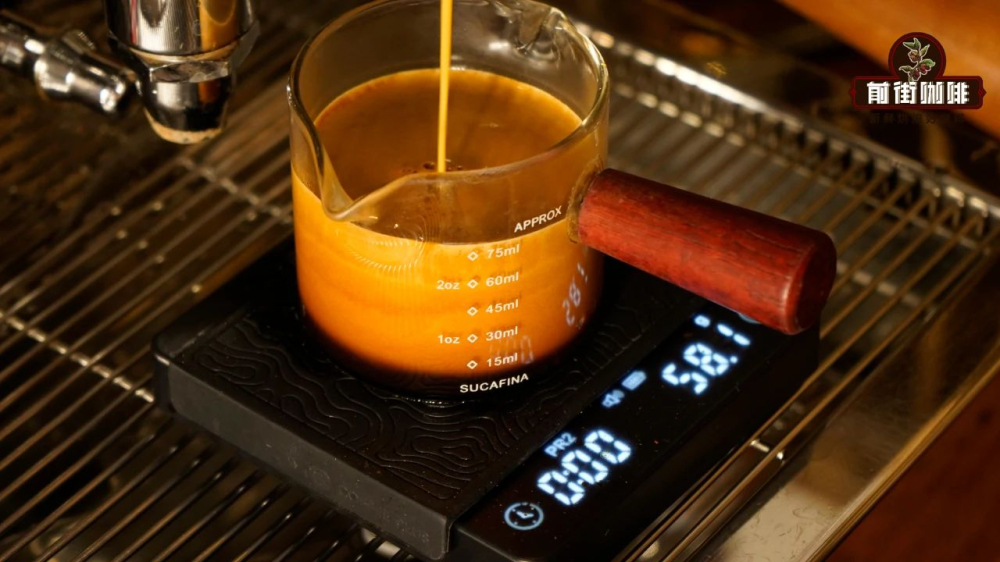
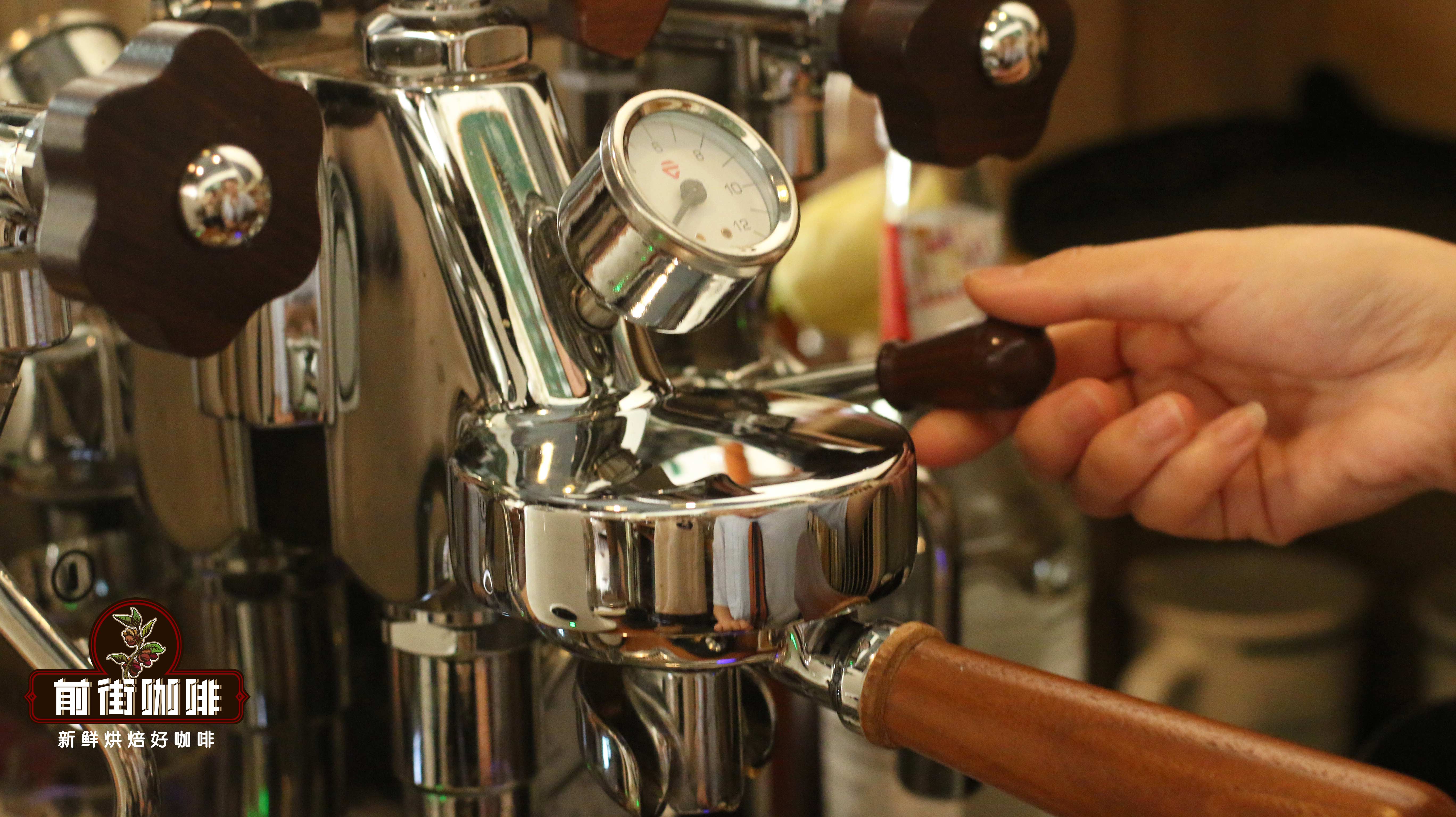
Replicating café-quality espresso at home isn’t difficult—you just need to master a few key parameters and steps. First, you’ll need an espresso machine capable of providing at least9 bar of pressure, as well as a grinder that allows precise adjustment of grind size. A double-shot (doppio) portafilter basket is recommended, which typically holds about18–20 grams of coffee grounds.
For the extraction ratio, a common recommendation is 1:2—that is, 20 grams of coffee grounds yielding 40 grams of espresso, with an extraction time controlled between25–30 seconds. If the extraction time is too short (e.g., below 20 seconds), the flavor tends to be weak; if it exceeds 35 seconds, over-extraction and burnt bitterness can occur.
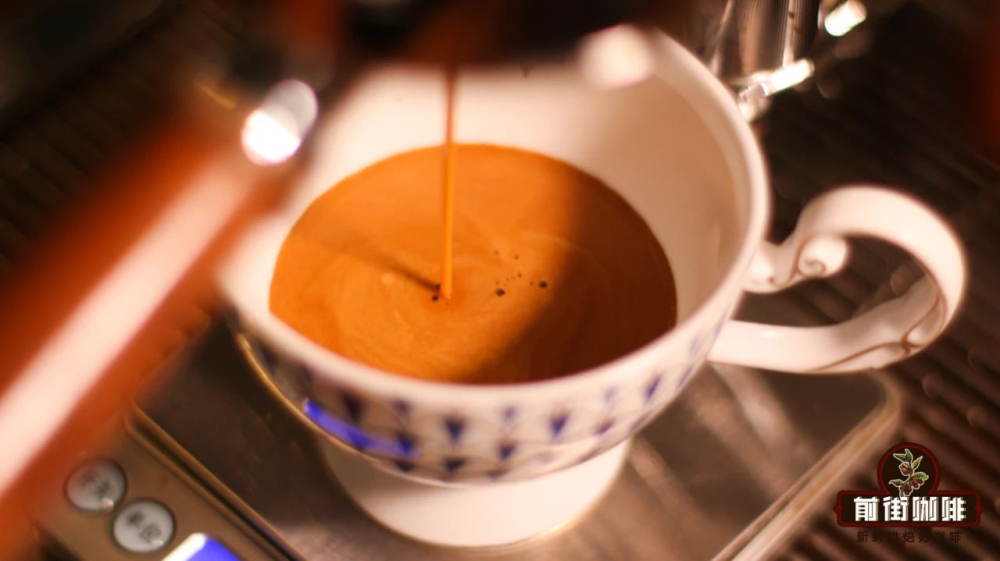
In practice, start by grinding the coffee, filling the portafilter basket, and leveling the surface. Then use a tamper to evenly compress the grounds, ensuring a compact and level puck. Pre-wet the group head to rinse it and remove any old coffee grounds, lock the portafilter into the machine, and start the extraction. Once the target weight and time are reached, stop the extraction and pour the espresso into your cup to enjoy.
Recommended Coffee Beans for Espresso Extraction
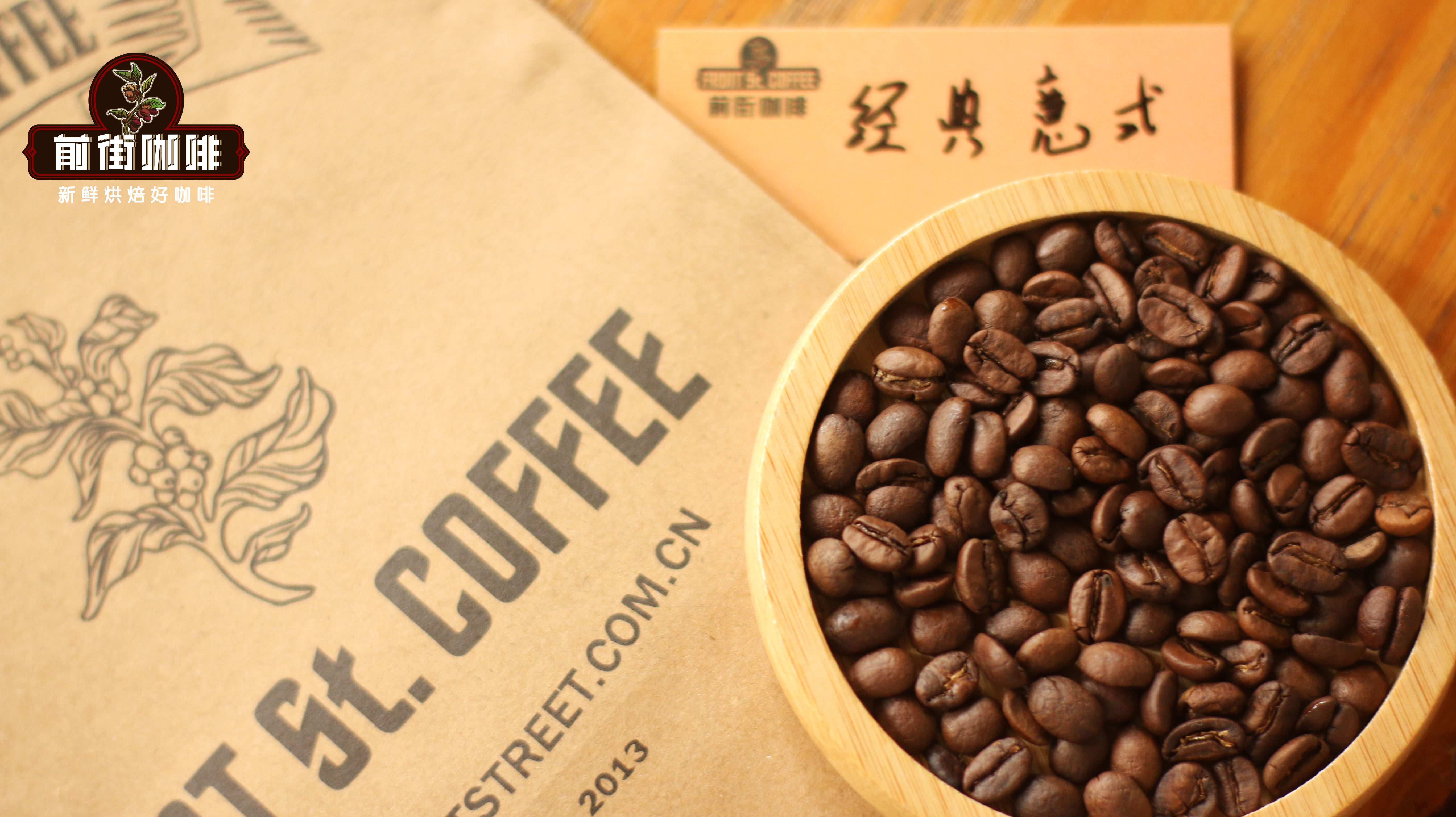
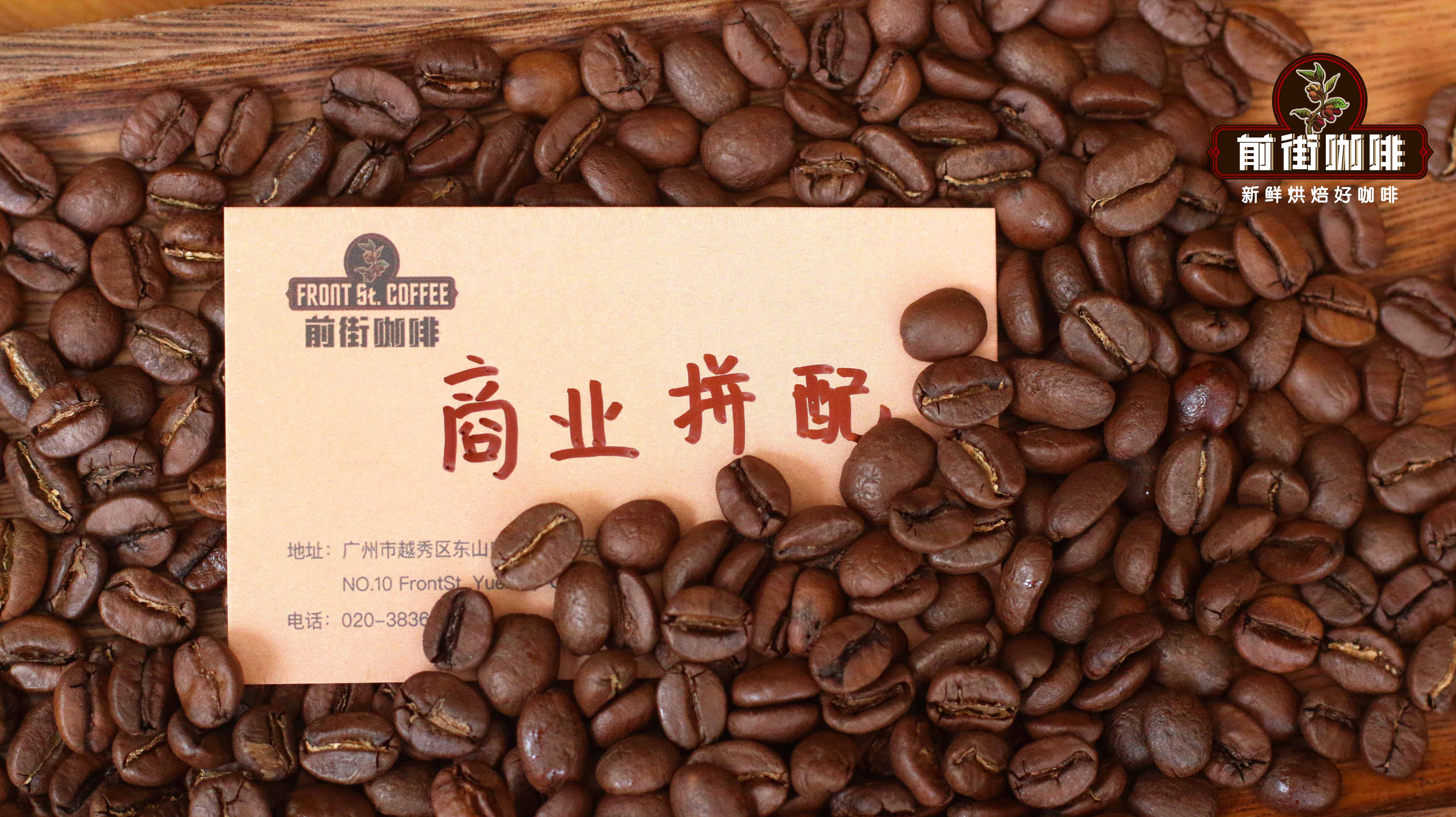
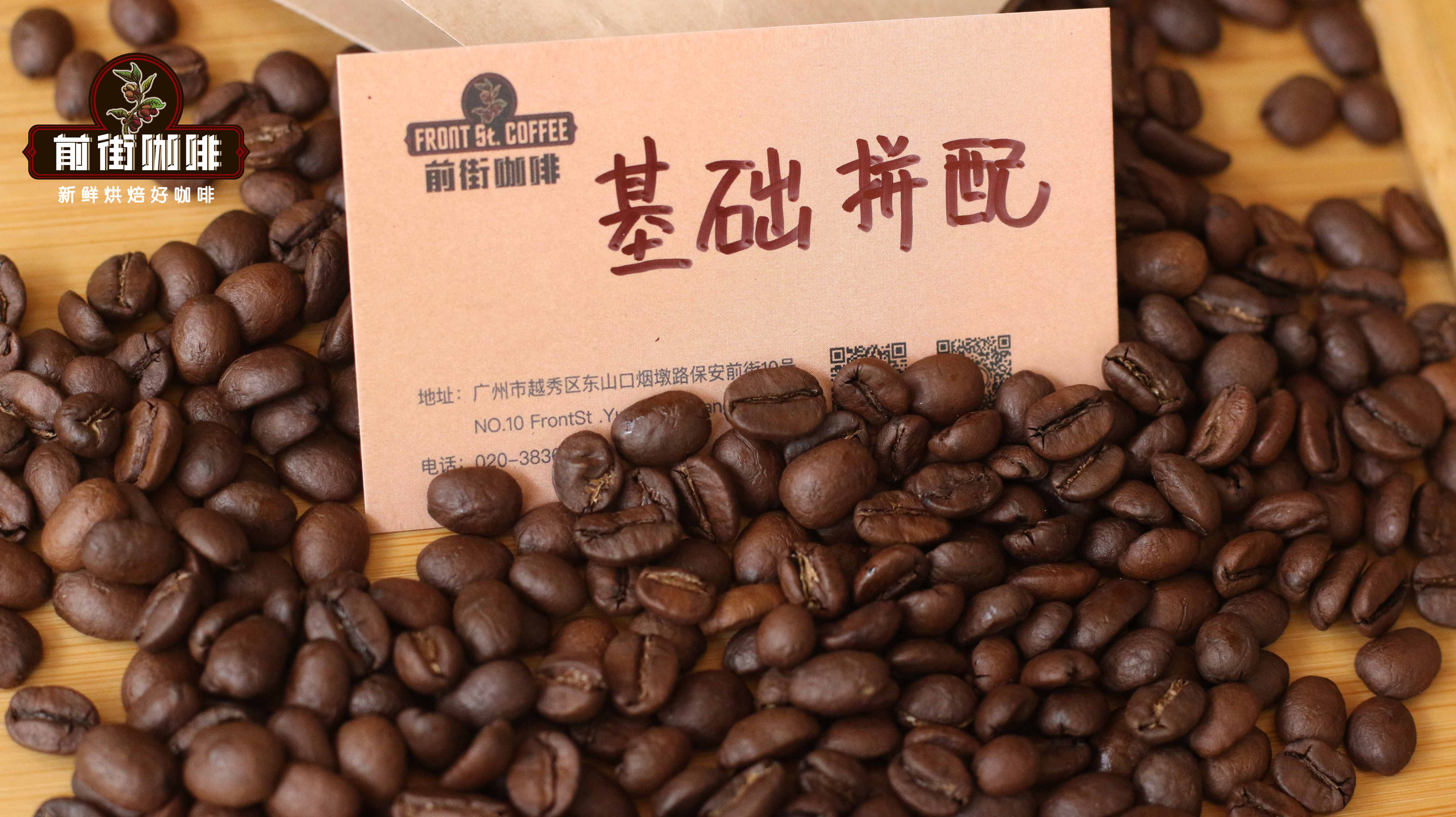
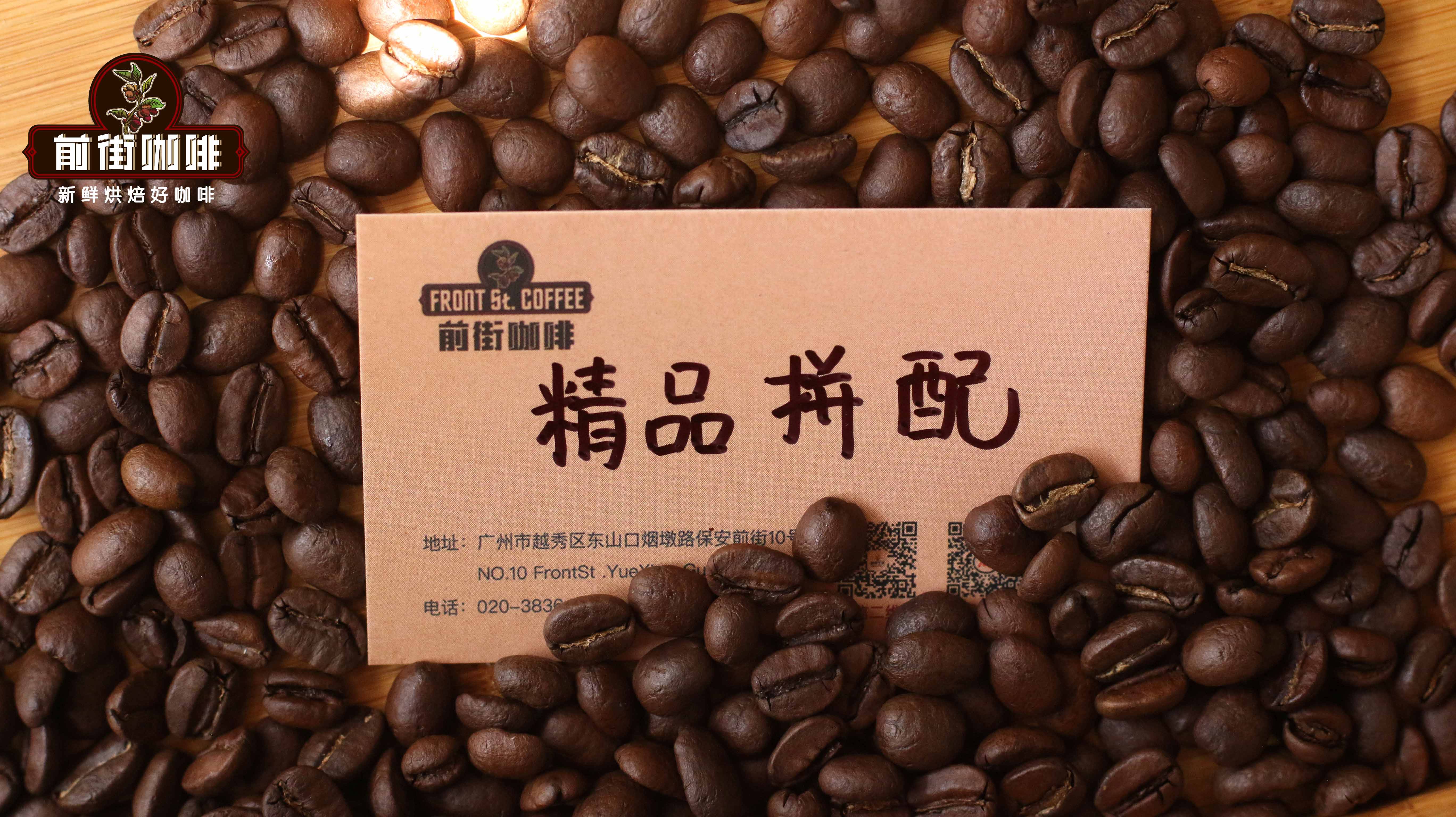
Not all coffee beans are suitable for espresso. Generally,medium to dark roasted blends are better at highlighting the bold, crema-rich characteristics. Below are a few commonly available and beginner-friendly blend combinations:
1. Classic Bold Type: Composed of 10% Robusta, 30% Colombian, and 60% Brazilian beans, it delivers intense nutty aromas and a creamy mouthfeel, with a noticeable bitterness but a smooth finish.
2. Mildly Acidic Bold Type: Made up of 30% Yunnan small beans and 70% Brazilian coffee, it offers a soft acidity with a balanced flavor of caramel and plum-like tartness.
3. Balanced Rich Type: A mix of 30% Colombian and 70% Brazilian beans, showcasing chocolate, caramel, and nut aromas, ideal for those who prefer a balanced taste profile.

Quick Tip: Freshness Is Key
No matter which coffee beans you choose,freshly roasted beans are the primary requirement for brewing great espresso. It’s recommended to select beans 7–10 days post-roast, when they are in their peak flavor window, and to use them within 3–4 weeks of roasting. Additionally, store the beans in a cool, dry place away from light and oxygen exposure to maintain flavor stability.
The above content is compiled by CoffeeHunters, a coffee news website.


