







Introduction:Many people still associate Yunnan coffee with the impression of being "flavorless," but in reality, with advancements in cultivation techniques and post-harvest processing, this producing region has gradually begun to showcase rich and multi-layered characteristics. This article will guide you through the origin background, variety traits, and processing methods of Yunnan's small-grain coffee, and provide a detailed analysis of the ideal roast level for pour over brewing, as well as a three-stage pouring parameter guide, helping you discover its optimal flavor expression.
Many coffee enthusiasts still hold the stereotype that Yunnan small-grain coffee is of "poor quality." This perception stems from the region’s historically extensive farming practices and the fact that beans were largely used for instant coffee production in earlier years. However, with strong promotion by local governments and the rise of the specialty coffee trend, Yunnan’s coffee industry has made significant progress—from planting and harvesting to post-processing. Major producing areas such as Baoshan can now exhibit distinct regional profiles, including notes of plum, nuts, caramel, and delicate tea-like undertones.
Take the washed Catimor variety grown in the Baoshan region as an example. These small-grain coffees are typically cultivated at altitudes above 1,200 meters. Not only do the climatic conditions suit the growth of specialty coffee, but they also impart richer aroma and acidity profiles to the beans. In fact, altitude is often regarded as one of the key indicators of coffee quality. Generally speaking, coffee grown above 1,200 meters tends to display more delicate and complex flavor profiles.
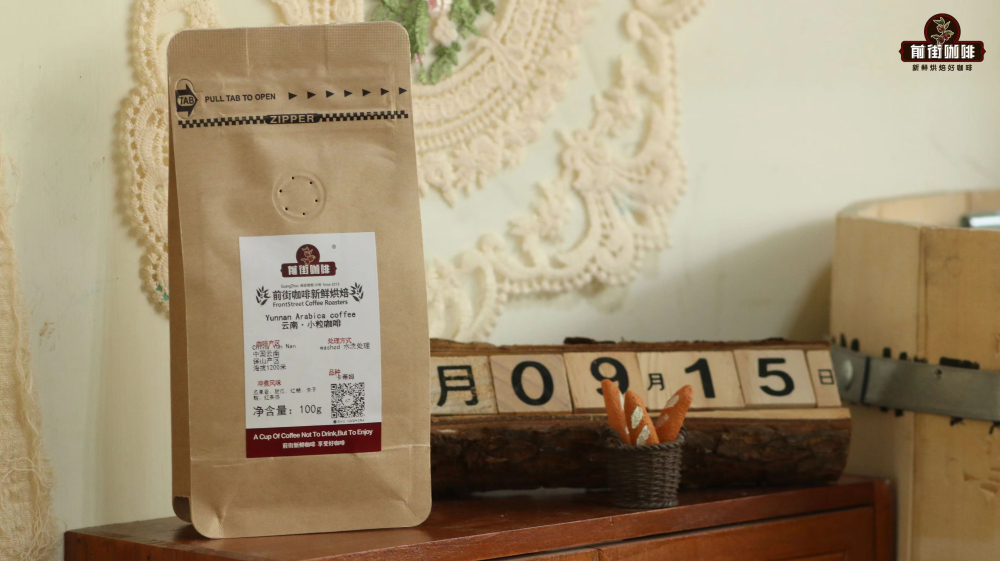
This washed Catimor small-grain coffee from Baoshan employs a traditional washed fermentation process during the green bean stage. Specifically, after harvest, the coffee cherries are first depulped, then placed in water tanks for fermentation lasting 18 to 36 hours. This process helps enhance the brightness of the acidity while contributing to a cleaner and crisper overall mouthfeel, allowing one to directly experience the unique flavor characteristics of the growing region, without interference from impurities or off-flavors due to poor fermentation.
When this batch of green beans arrived, it could be observed that the beans were relatively uniform in size, with a healthy greenish appearance. Upon light sniffing, a faint hint of grassy aroma could be detected, accompanied by a fresh fruity acidity reminiscent of plums. Since the Catimor variety contains a small portion of Robusta genetics, compared to other pure Arabica beans, its grassy or astringent notes are usually more pronounced. Therefore, how to moderately suppress this astringency during roasting while preserving the unique charm of the Yunnan terroir becomes a major challenge for roasters.
To balance the characteristics of these beans, the roaster chose to roast them to a medium level. At this stage, the bean surface color resembles cinnamon bark—not too dark, not too light—effectively softening the astringency while bringing out layered flavors. This roasting session was conducted using a Yangjia 800N roaster, with a charge weight of 300 grams. The overall roasting curve is as follows: the beans were dropped into the drum at a drum temperature of 190°C, initial flame power set to 120, and the air vent set to 3. Around 1 minute and 40 seconds, the turning point occurred. When the drum temperature reached 145°C, the air vent was adjusted to 4, with the flame power remaining unchanged. Subsequently, when the temperature hit 166°C and the bean surface turned yellow with almost no grassy aroma remaining, it entered the drying phase. When the drum temperature further increased to 188°C, the flame power was reduced to 60 and the air vent opened to 5.
At approximately 8 minutes and 37 seconds, noticeable wrinkles and black speckles appeared on the bean surface, and the aroma shifted from baked bread-like to a purer coffee fragrance—this marks the crucial moment just before first crack. By 9 minutes and 00 seconds, first crack officially began. At this point, the air vent setting remained unchanged, allowing the beans to continue developing for about 3 minutes after first crack, until the drum temperature reached 198°C, at which point the batch was dropped. According to Agtron color measurement, the bean color value was 63.1, the roast color value was 70.4, and the Roast Delta value was 7.3—indicating a classic and well-controlled medium roast.

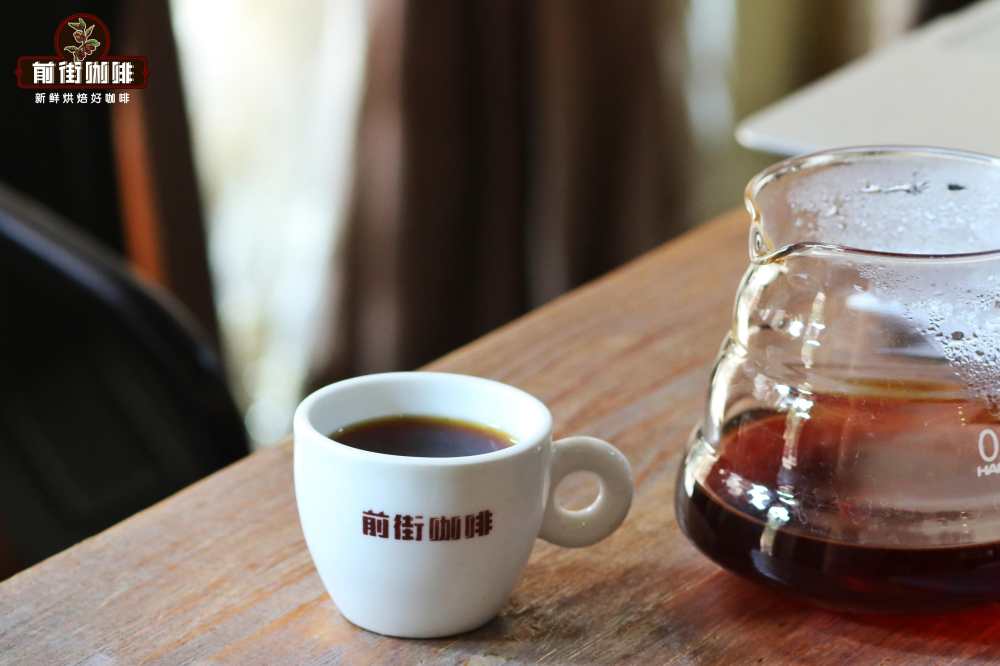
For this Yunnan small-grain coffee, it is recommended to use the pour over method to fully appreciate its delicate flavors. It is suggested to use a Hario V60 filter cone, with a coffee dosage of 15 grams, water temperature controlled at 90°C, grind size recommended to be around 75% passing through a #20 sieve, and a brew ratio set at 1:15. This combination helps to fully highlight the bean’s sweetness and fruit acidity, while avoiding over-extraction that could lead to bitterness.
For pour over brewing, it is recommended to use a three-stage pouring technique: First, wet the coffee grounds with twice the weight of the coffee (approximately 30 grams) of water and let it bloom for about 30 seconds. This helps release the aroma and activate the coffee grounds. Next, pour water in a slow, circular motion from the center outward with a fine stream until the total water volume reaches 125 grams, then pause briefly to allow the slurry to settle. Finally, when the coffee bed has settled to about half the height of the filter cone, pour the remaining water up to 225 grams with the same fine stream. Once all the coffee liquid has completely dripped through, remove the filter cone. The entire brewing process takes approximately 2 minutes. This method effectively controls extraction evenness, avoids over-concentration or localized over-extraction, and allows each sip to showcase the unique charm of Yunnan small-grain coffee.
The above content is compiled by CoffeeHunters, a coffee news website.


