







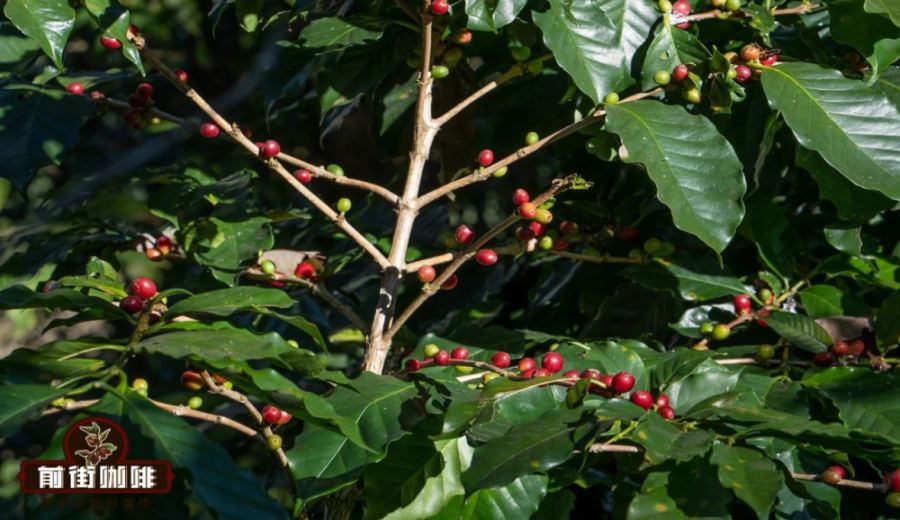
Introduction:From the first coffee tree introduced by missionaries in the late Qing Dynasty to becoming a representative specialty coffee producing region in China, Yunnan coffee has gone through a century-long development journey. This article delves into Yunnan's natural advantages, historical background, and the evolution of its main coffee varieties as China’s primary Arabica-growing region. It also provides practical brewing parameters and flavor profiles to help coffee enthusiasts better understand the potential and charm of this Eastern coffee-producing area.
Many newcomers to specialty coffee often start with Ethiopian Yirgacheffe or Sidamo, and instinctively think of Indonesian Mandheling when it comes to Asian origins. However, as domestic coffee consumption trends shift toward localization and premiumization, Yunnan coffee is gradually becoming a hot topic of discussion. Although some consumers previously had reservations about the quality of domestically produced coffee, the fact is that after years of technical improvement and variety optimization, Yunnan-grown Arabica coffee now has the capability to compete with internationally renowned origins.
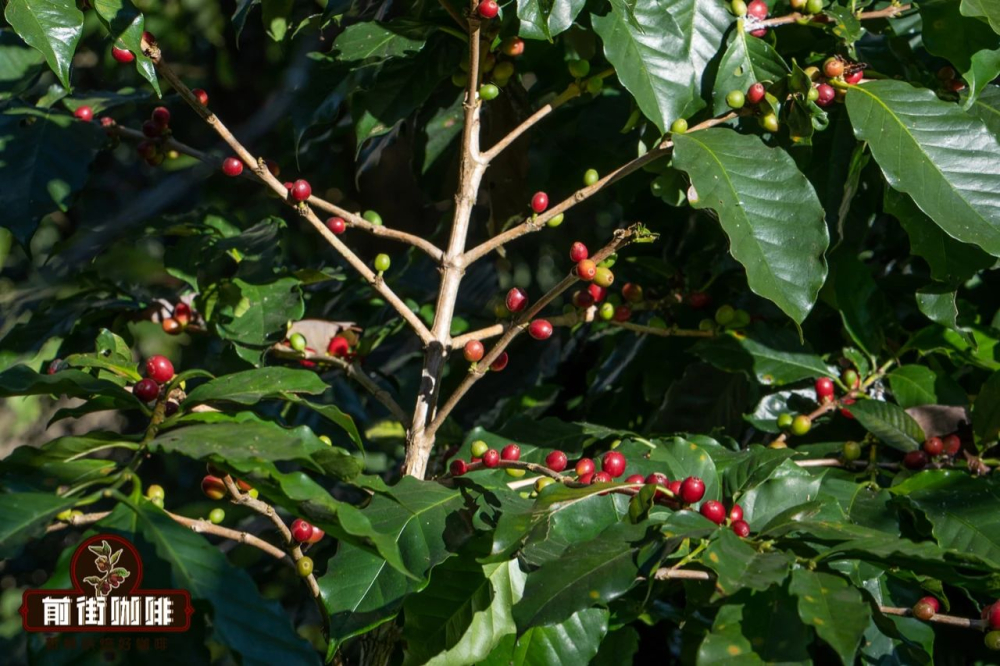
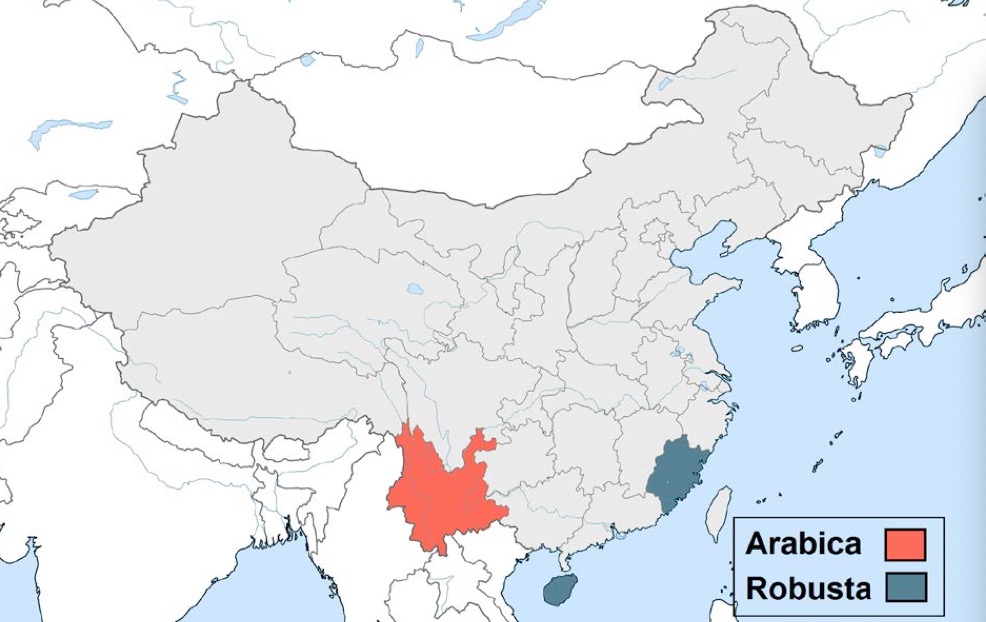
Coffee cultivation in China is mainly concentrated in three provinces: Fujian, Hainan, and Yunnan. Among them, since Arabica coffee thrives at altitudes between 900 and 2000 meters, while Robusta prefers lower altitudes of 200 to 800 meters, geographical conditions have determined the primary distribution. Fujian and Hainan are coastal lowlands, with average altitudes generally below 500 meters, making them unsuitable for Arabica growth, hence Robusta dominates. In contrast, Yunnan is located on the second step of China’s topography, with most areas situated between 1000 and 2000 meters in altitude—climate and elevation that perfectly meet the optimal growing requirements for Arabica.
The story of the first coffee tree planted in Yunnan dates back to the late Qing Dynasty. According to historical records, a French priest named Térence Desflèches, who had a habit of drinking coffee, personally planted a coffee tree next to the church in Zhukula Village, Pingchuan Town, Binchuan County, Dali. Official documents such as the "Binchuan County Annals" and the "History of Catholicism in Yunnan" both record that in the 30th year of the Guangxu Emperor’s reign (1904), Térence Desflèches was sent by the Dali Diocese, along with others, to preach and build a church in Binchuan. Although there are other claims about the planting year, such as 1892 or 1902, 1904 is currently widely regarded as the most credible reference point. It’s worth noting that there is still debate over the “planting year of Yunnan’s first Arabica coffee tree,” and it cannot be fully confirmed.
Commercial-scale coffee cultivation in the Yunnan region truly began in the 1950s. At that time, Professor Qin Renchang, a botanist from the Institute of Botany at the Chinese Academy of Sciences, discovered red coffee cherries in the courtyards of Dai farmers in Luxi County, Dehong Prefecture, which were identified as small-seeded coffee beans. With Professor Qin’s advocacy, relevant authorities conducted trial plantings in the Mangshi Forest Farm and the Ludian Dam area of Baoshan City. Among them, Ludian Dam officially went into production in 1955, marking the official launch of coffee industry research in New China.
Yunnan coffee’s true entry onto the international market began in 1988 with the establishment of a branch by Nestlé in the region. Nestlé not only introduced the disease-resistant and high-yield Catimor variety but also guaranteed purchasing coffee beans at the then current U.S. futures market prices, significantly boosting farmers’ willingness to grow coffee. Subsequently, international brands such as Starbucks and Maxwell House also entered Yunnan, driving a rapid expansion in overall planting area. However, in the early stages, due to a lack of systematic planting and post-harvest processing techniques among farmers, coupled with relatively crude processing methods, most Yunnan green beans were primarily used for instant coffee production, and their prices were constrained by international futures. Changing this situation became a key direction for the future development of Yunnan coffee’s premiumization transformation.
Among the many varieties, “Yunnan small-grain coffee” is the most commonly mentioned name, which actually originates from the earliest introduced Typica. Typica is one of the ancestors of all Arabica varieties and possesses the genetic potential for high-quality flavors. Its characteristics include copper-colored top leaves, long elliptical and smooth-surfaced leaves, slender branches with fewer offshoots, and beans mostly exhibiting a slim pointed or oval shape. Although its flavor profile is delicate and layered, Typica has weak resistance to diseases, particularly leaf rust, and relatively low yield. Nowadays, in Central and South America, Typica has gradually been replaced by varieties such as Caturra and Catuai, and its visibility is becoming increasingly low.
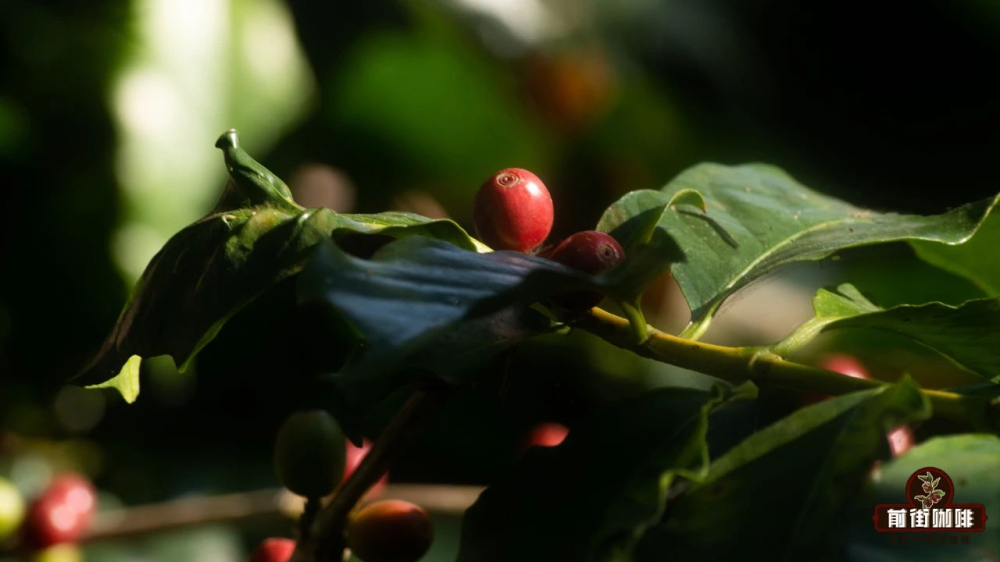
In the early days, driven by Nestlé, Yunnan coffee farmers were encouraged to cut down their original Typica trees and replace them with other varieties to improve yield and disease resistance. The first introduced was the leaf-rust-resistant S288, followed more widely by Catimor. Catimor is actually a hybrid variety of Robusta and Arabica, originating in 1959 when the Portuguese crossed Caturra—which has Bourbon lineage—with Timor, which carries Robusta genes. It offers the dual advantages of high yield and strong disease resistance, thus rapidly gaining global popularity, especially in regions plagued by leaf rust. To this day, Catimor has become the dominant variety in Yunnan coffee cultivation, although small amounts of Typica are still preserved in certain areas for specialty and boutique markets.
Below are information on two representative Yunnan coffee beans:
[Natural Typica]
Region: Lincang, Yunnan
Altitude: 1300 meters
Processing Method: Natural
Variety: Typica
[Washed Catimor]
Region: Baoshan, Yunnan
Altitude: 1200 meters
Processing Method: Washed
Variety: Catimor
For these two beans, it is recommended to adopt a balanced brewing strategy without overemphasizing acidity or intense finish. Suggested dosage is 15 grams, with a coffee-to-water ratio of 1:15; if you prefer a cleaner profile, adjust to 1:16. Use a V60 filter, with water temperature controlled at 88°C to soften acidity. Grind size is recommended to be medium-fine, approximately 80% passing through a #20 sieve, similar in size to fine sugar crystals.
It is recommended to use a three-stage extraction: first, perform a 30-second bloom with 30 grams of water, then pour in a circular motion with a slow stream until reaching 125 grams for the first pour. When the water level is about to expose the coffee bed, pour again up to 225 grams and stop. Finally, remove the filter when the water level drops again. The total extraction time should be around 2 minutes to fully showcase the coffee’s layers and balance.
The above content is compiled by CoffeeHunters, a coffee news website.


