







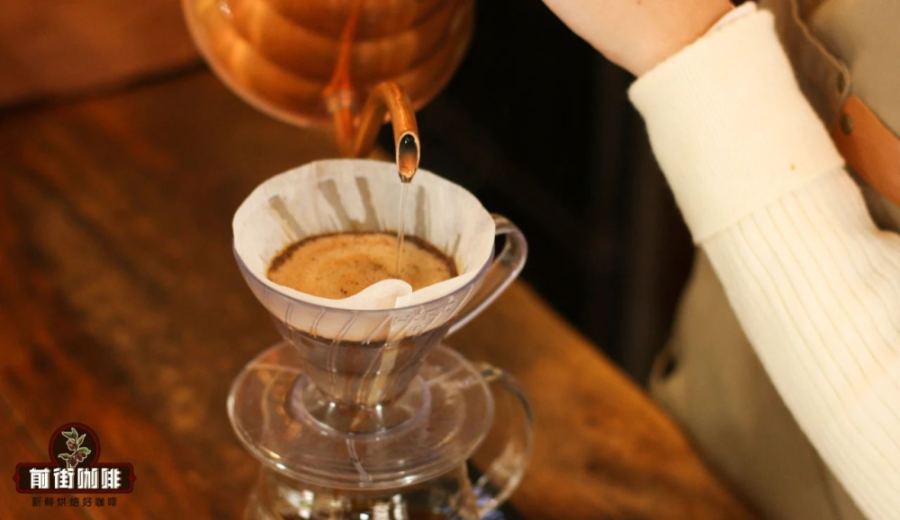
Introduction:Want to make your pour over coffee more layered and consistent in flavor? Beyond the basics like brew ratio, water temperature, grind size, and equipment, “pouring strategy” and “circling technique” are the true keys to success. This article dives deep into the differences between one-pour and three-pour techniques, the scientific rationale behind bloom time and water volume, and how pouring height, speed, stream thickness, and circling range affect flavor. At the end, we also provide full brewing guides for three classic single-origin beans from Ethiopia, Costa Rica, and Indonesia to help you solidify your pour over skills through hands-on practice.
The charm of pour over coffee comes not only from the inherent flavor potential of origin and processing methods, but is largely determined by the brewer’s technique and strategy. Even with the same coffee beans, different pouring methods and circling details can yield vastly different tastes and aroma profiles. Beyond the five core parameters—dose, brew ratio, water temperature, grind size, and equipment—the real difference between a barista and an amateur often lies in those seemingly simple yet highly nuanced “manual operation details.”
I can simplify the core actions of pour over into two main axes:Water volume distributionandpouring technique.The former involves the proportion and number of pours during the bloom and main extraction phases, while the latter covers practical skills such as stream control, height, speed, and circling method during pouring. The interplay between these two directly determines whether extraction is even and whether flavors are balanced.
Let’s start with “water volume distribution.” When other variables like water temperature and grind size are fixed, choosing between a “one-pour” or “three-pour” approach will greatly affect extraction efficiency and final flavor expression.One-pourrefers to pouring the remaining brew water all at once after the bloom; whereasthree-pourdivides the water into three segments and pours them rhythmically in stages. Although the total water volume is the same, one-pour results in a quicker rise in water level due to its continuous flow, leading to a shorter overall extraction time. It typically produces a cleaner but slightly less layered taste. In contrast, three-pour allows for finer control over the release of flavors in each stage, resulting in a cup that is rounder, richer, and more complex.
For example, if you use a one-pour method with a higher initial pour ratio on a light roast, it can highlight bright fruity acidity. But if not managed well, sweetness and body may be lacking. On the other hand, emphasizing the later stage can boost sweetness, but might also unintentionally bring out a bitter finish. Three-pour offers more flexibility in adjusting the timing of flavor release, making it a more beginner-friendly choice for those seeking balance and subtlety.
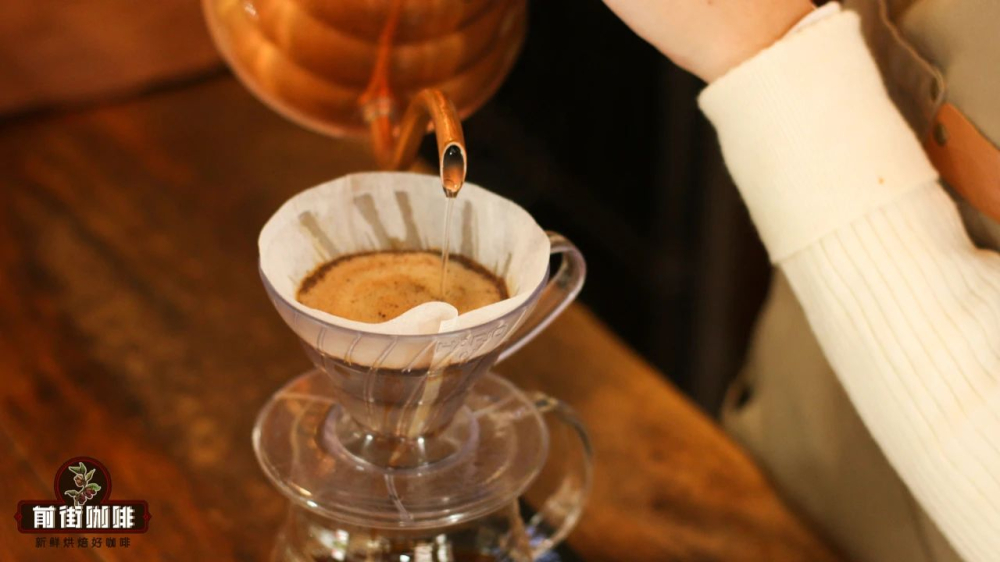
Now let’s look at “pouring technique,” which includes details such as the blooming method, circling speed, pouring height, stream size, and circling range. Each of these affects the evenness of coffee particle extraction and the resulting flavor profile.
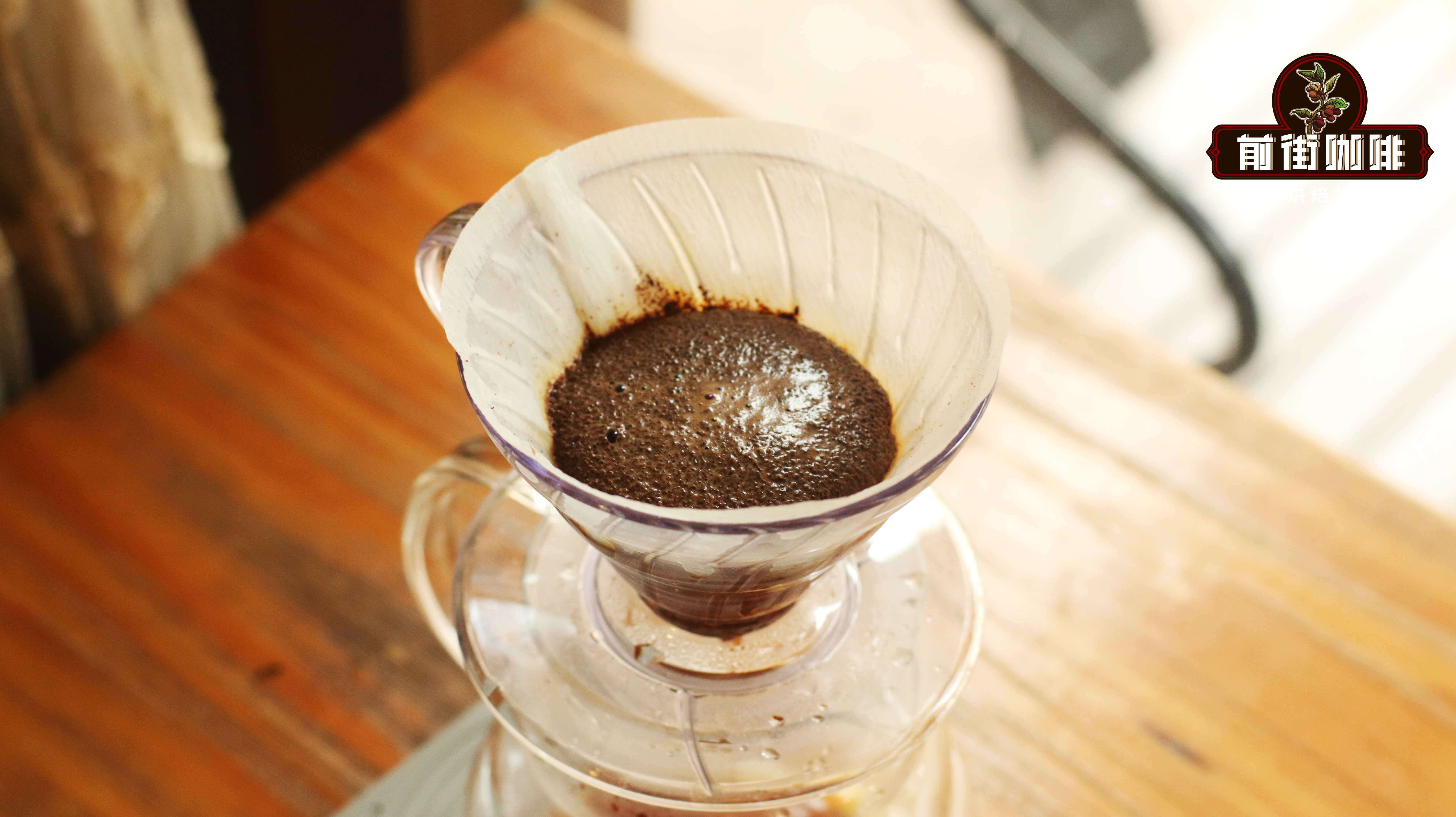
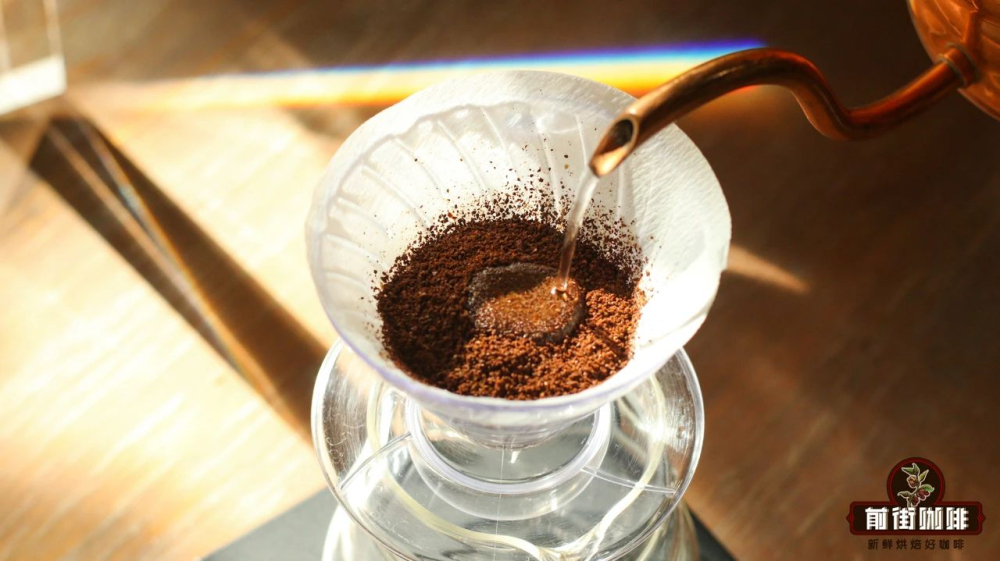
First isblooming.This step is the starting point of pour over and a foundational one. Its purpose is to allow the coffee grounds to fully absorb water and release carbon dioxide. Uneven absorption can lead to over-extraction in some areas and under-extraction in others, resulting in unpleasant astringency or off-flavors. A general recommendation is to use abouttwice the weight of coffee grounds in water(e.g., 30 grams of water for 15 grams of coffee) for blooming, for around 30 seconds. But this isn’t absolute—if you notice water starting to drip through the filter too early after pouring, it may be because coarser grinds haven’t had enough time to saturate. In this case, you can try reducing the water to 1.5 times the coffee weight, which can still achieve good blooming. Note that if the bloom time is too short, gases in the coffee bed won’t fully escape, affecting subsequent extraction. If it’s too long, it may cause excessive dissolution of large molecular bitter compounds during the main extraction phase.
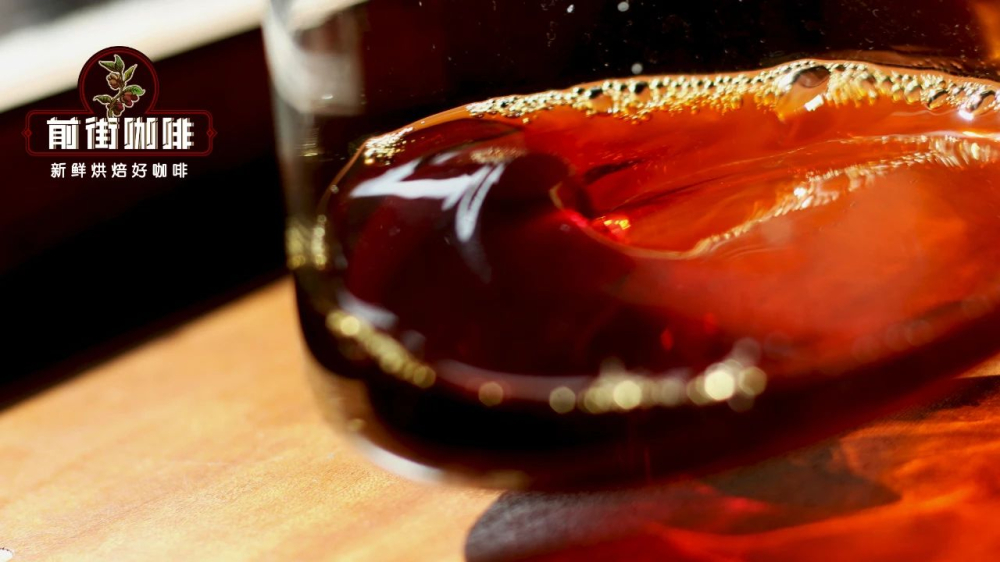
Next are circling speed and pouring height. Fast circling increases water flow, encouraging the coffee bed to move and helping improve extraction rate, resulting in more aromatic and intense flavors—but it also carries a risk of over-extraction. Conversely, slow circling is gentler and more stable, but without enough energy, some coffee particles may remain inactive, leading to lighter flavors. Beginners are advised to start with amoderate circling paceand gradually feel the changes in extraction at different speeds.
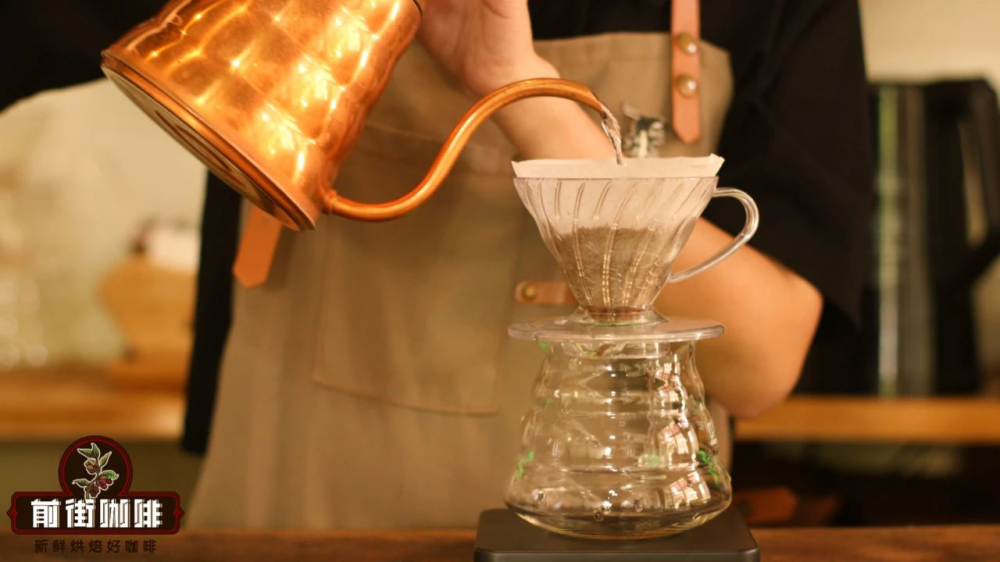
Pouring height is also crucial. It’s generally recommended tokeep the water stream about 6–7 cm above the coffee bed.Pouring from too high can speed up the flow, reduce contact time, and cause aroma loss; pouring too low can overly concentrate the stream on a specific area, leading to uneven extraction. Similarly, stream size affects how quickly the liquid level rises and how long the coffee bed is in contact with water. A larger stream can quickly raise the water level and cause it to flow along the edge of the filter, while a smaller stream extends extraction time and helps draw out more delicate flavors—but care must be taken to avoid over-extraction.
Finally, there’s circling range. A small circling range helps focus the flavor, especially useful for highlighting the sweetness and clear acidity of light roasts. But if you only circle in a small area for too long, it may lead to over-extraction in the center and under-extraction at the edges. A large circling range improves overall extraction uniformity, but focusing solely on the outer area without covering the center can result in a thin-tasting cup with overly sharp acidity. In practice, it’s recommended toalternate between small and large circlesand ensure the water stream covers the entire coffee bed during circling, avoiding just brushing the edges or certain fixed areas.
With these techniques in mind, let’s now take a look at how three distinct single-origin beans showcase their unique characteristics through different brewing parameters.

Recommended Pour Over Bean #1: Washed Yirgacheffe
From Yirgacheffe, Ethiopia, grown at 1800–2000 meters altitude using local heirloom varieties and washed processing. The flavor profile features bright lemon and citrus acidity paired with jasmine and berry aromas, delivering a clean, refreshing taste with a tea-like finish.
Recommended parameters: Water temperature 90–91°C, grind size similar to superfine sugar (EK43 grinder setting 10, 20-mesh sieve to 80%), brew ratio 1:15, dose 15 grams.
Technique: Bloom with 30 grams of water for 30 seconds, then pour 95 grams (total ~125 grams) over about 1 minute. When the water level drops to 2/3 of the coffee bed, pour another 100 grams (total ~225 grams) over about 1 minute 40 seconds. Complete the brew with the final drops between 1:55 and 2 minutes. Flavor highlights: Jasmine flower, berry juice-like notes, and clear citrus acidity, with an overall clean and bright profile.
Recommended Pour Over Bean #2: Costa Rica Tarrazú
From the Tarrazú region of Costa Rica, grown at 1500 meters altitude, using Catuaí and Caturra varieties with washed processing. The flavor focuses on sweet orange, honey, nuts, and toffee, with a smooth mouthfeel and balanced acidity and sweetness.
Recommended parameters: Water temperature 90–91°C, same grind size as above, brew ratio 1:15, dose 15 grams.
Technique: Same as above—bloom with 30 grams of water for 30 seconds, then pour 95 grams (~125 grams) within 1 minute. When the water level drops to 2/3, pour another 100 grams (~225 grams) over about 1 minute 40 seconds, completing the brew in approximately 2:03. Flavor highlights: Sweet orange acidity and fruitiness upfront, nutty and chocolatey layers in the middle, with a cedar-like finish and lingering caramel aftertaste.
Recommended Pour Over Bean #3: Indonesia Lintong Mandheling
From Lintong, Sumatra, Indonesia, grown at 1100–1600 meters altitude using Typica and Catuaí varieties, processed via wet hulling. The flavor profile includes herbal, dark chocolate, caramel, and pine notes, with a full body and pronounced sweetness.
It’s recommended to use a Kono filter, as its unique rib design prolongs coffee bed saturation time, improving extraction uniformity and enhancing body.
Recommended parameters: Water temperature 87–88°C, grind size similar to coarse sugar (EK43 grinder setting 11), brew ratio 1:15, dose 15 grams.
Technique: Bloom with 30 grams of water for 30 seconds, then pour with a small stream in small circles up to 125 grams. As the water level nears the coffee bed, continue pouring to 225 grams. Remove the filter just before the coffee bed is exposed, with total brew time around 2 minutes. Flavor description: Herbal, dark chocolate, and caramel notes are prominent, with a warm, sweet finish.
The above content is compiled by CoffeeHunters, a coffee news website.


