







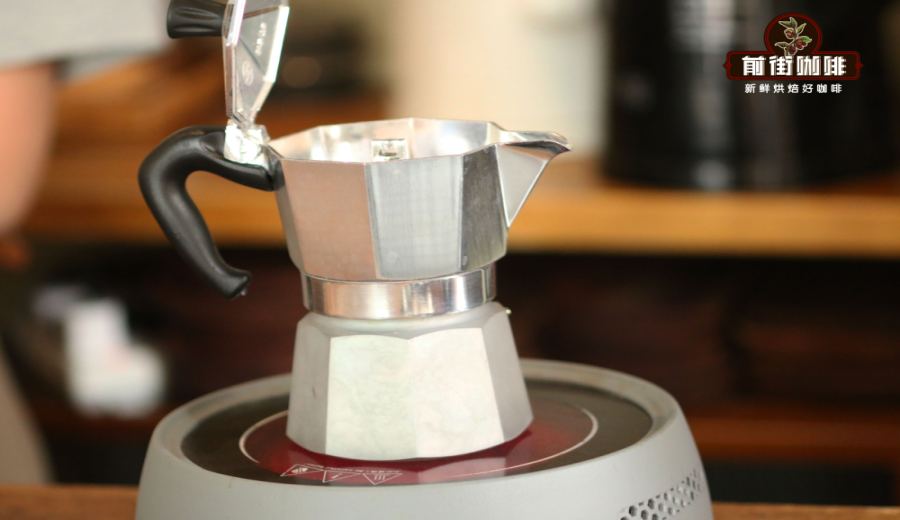
Introduction:The Bialetti Moka Pot is a classic brewing device commonly found in the homes of many coffee enthusiasts. It produces a strong, aromatic coffee that's perfect for everyday enjoyment. This article will provide a detailed guide on how to choose the right coffee beans, master grind size and dosage, understand the optimal flavor period, and share practical usage tips—helping you easily brew an espresso-style coffee with crema using a Moka Pot.
In Italian households, the Bialetti Moka Pot is almost a staple coffee tool. Compared to professional espresso machines, the Moka Pot is more affordable and simpler to use—just a few steps are needed to brew a rich, aromatic coffee at home. The resulting coffee has a concentration that falls between espresso and Americano, making it easier for the general public to enjoy, especially for those who are new to coffee.
Although the Moka Pot can’t fully replicate the finesse and complexity of a professional machine, its performance is still impressive—especially when you get the beans and brewing method right. This article focuses on the Bialetti Moka Pot, offering a complete set of practical insights, from suitable coffee bean types and roast levels to storage methods, as well as adjustments in grind size and dosage—to help you brew the ideal cup of coffee.
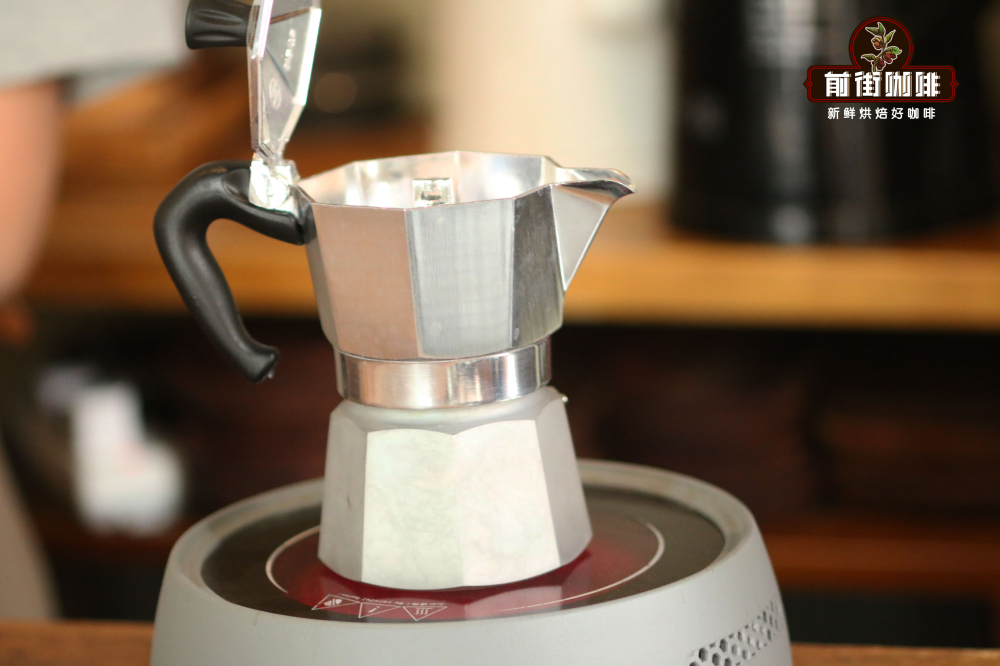
To achieve a coffee with distinct flavors and crema using the Moka Pot, it’s recommended to choose medium-dark or darker roasted beans. If you're unsure about the roast level, you might start with common commercial espresso blends—those designed for professional machines and known for their good crema performance. These beans are originally crafted for high-pressure extraction, so they perform well even with a Moka Pot.
Generally, espresso-roasted beans have lower acidity, balanced bitterness, and release rich aromas—making them a great choice for beginners as they significantly reduce the chance of mistakes. Additionally, medium-dark single-origin beans are also a solid option, especially if you also brew using pour over methods, allowing you to experience the flavor differences brought by various brewing tools.

If you prefer the flavor profile of single-origin beans, you might try specialty medium-dark roasted beans. For instance, certain beans from South America, when roasted appropriately, develop rich caramel and nutty notes. When brewed with a Moka Pot, they not only deliver concentrated aroma but also form a delicate layer of crema, enhancing the overall drinking experience.
For example, medium-dark roasted beans from Brazil often exhibit creamy, peanut, and sugarcane-like sweetness, with a subtle cocoa note in the aftertaste—making them highly suitable for producing a full-bodied coffee with the Moka Pot. Meanwhile, Indonesian Golden Mandheling, which undergoes multiple hand-sortings for uniform bean size, reveals a complex aroma of spices, dark chocolate, and cedar after medium-dark roasting. When brewed with a Moka Pot, it yields thick crema and a bold flavor, making it particularly popular among those who dislike acidic coffee.
No matter which beans you choose, freshness is key. Typically, the optimal flavor window for roasted beans is around 40 to 60 days after roasting. Beyond two months, even with proper storage, the flavor noticeably declines. Especially after opening, if not properly sealed, beans may start to lose their freshness in about 30 days—making it difficult to extract rich crema and aroma even with a Moka Pot.
Therefore, it’s advisable to purchase beans from reputable brands known for stable roasting quality, and opt for beans that have been recently roasted whenever possible. Some brands even manage to ship beans within 5 days of roasting, ensuring consumers receive the freshest product possible. For Moka Pot users, this is one of the key factors influencing the final flavor outcome.

In practical use, controlling the amount of coffee grounds with the Bialetti Moka Pot doesn’t need to be overly complicated. Usually, filling the basket up to the recommended line—or following the manufacturer’s specifications—is sufficient. However,grind size adjustment is crucial.To achieve noticeable crema, the coffee grounds should be ground to a fineness between pour over and espresso—finer than pour over but slightly coarser than standard commercial espresso grind.
This grind size allows the coffee to release carbon dioxide adequately during heating, helping form a golden layer of crema under pressure. If ground too fine, it can lead to over-extraction, resulting in overly bitter or burnt-tasting coffee; if too coarse, under-extraction may occur, leading to a weak and flat-tasting cup.
In summary, using the Bialetti Moka Pot isn’t complicated, but every step—from bean selection and storage, to grind size and coffee-to-water ratio—affects the final flavor. By mastering a few key points, you can easily brew a fragrant, crema-rich espresso-style coffee at home, and enjoy quality coffee time with family and friends.
The above content is compiled by CoffeeHunters, a coffee news website.


