







Introduction:To brew coffee with balanced flavor, grind size is key—but grind settings vary by grinder, and numbers alone aren’t enough to judge. This guide teaches you how to measure grind size using a Chinese Standard No. 20 sieve (0.85mm mesh) to determine the percentage of coffee particles that pass through, along with practical recommendations for different brewing methods like pour over and French press. You’ll also learn to assess grind suitability based on extraction time and coffee bed behavior, helping you build your own grind calibration system.
Many beginners to pour over coffee face a common dilemma: with a new bag of beans, which setting should they use on their grinder? In reality, different grinders have vastly different burr designs and scale definitions—even identical numbers can produce wildly different grind sizes. To establish a unified reference for grind size, the industry often uses a Chinese Standard No. 20 sieve (0.85mm mesh) to measure the percentage of coffee particles that pass through, enabling precise control over grind coarseness.
Some people liken coffee grind size to sugar granules, but white sugar itself comes in four grades: refined sugar (fine, 0.280–0.800mm), premium sugar (medium, 0.450–1.25mm), first-grade sugar (coarse, 0.63–1.60mm), and second-grade sugar (extra coarse, 0.800–2.50mm). Without specifying the grade, one person might assume fine sugar, while another pictures regular table sugar—easily leading to confusion. Moreover, even tiny variations in coffee particle size directly affect how quickly flavors are extracted, potentially causing over- or under-extraction. That’s why using a sieve for calibration is so important.
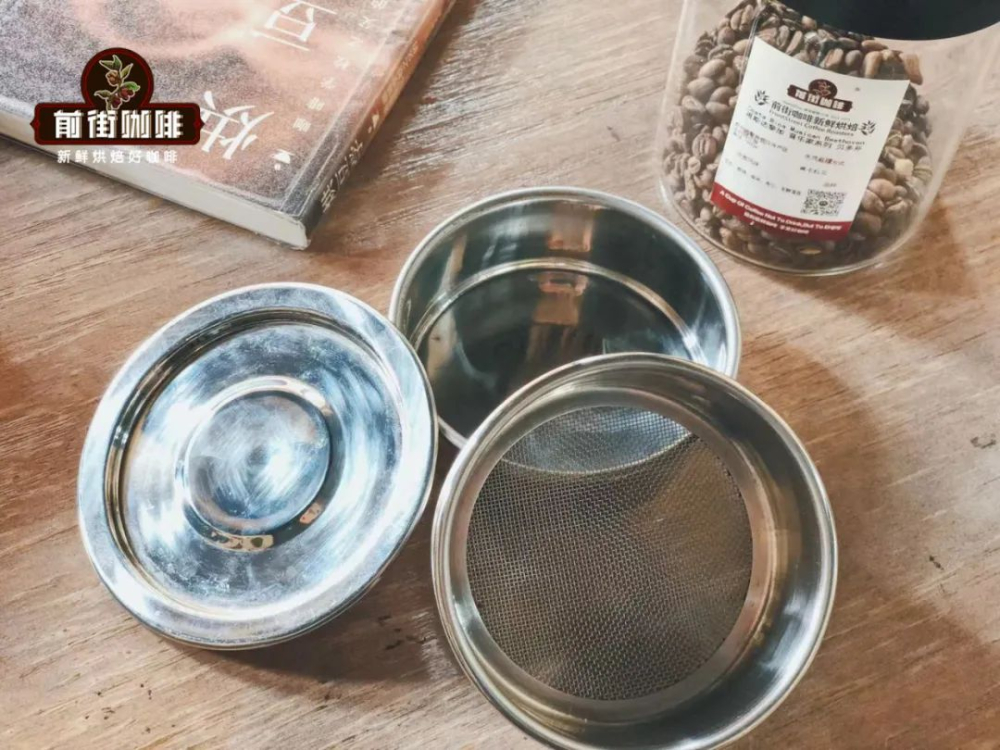
Calibrating grind size with a No. 20 sieve is straightforward: start by setting a grind level, then grind about 10 grams of coffee beans. Pour the ground coffee into the sieve and gently shake it horizontally back and forth for 3–5 minutes until no more particles fall through. Weigh the coffee that passed through, divide by the total weight, and you get the percentage. For example, if 5 grams passed through, the rate is 50%. If your goal is 80%, adjust the grinder finer, regrind, and remeasure until the rate stabilizes in your desired range.
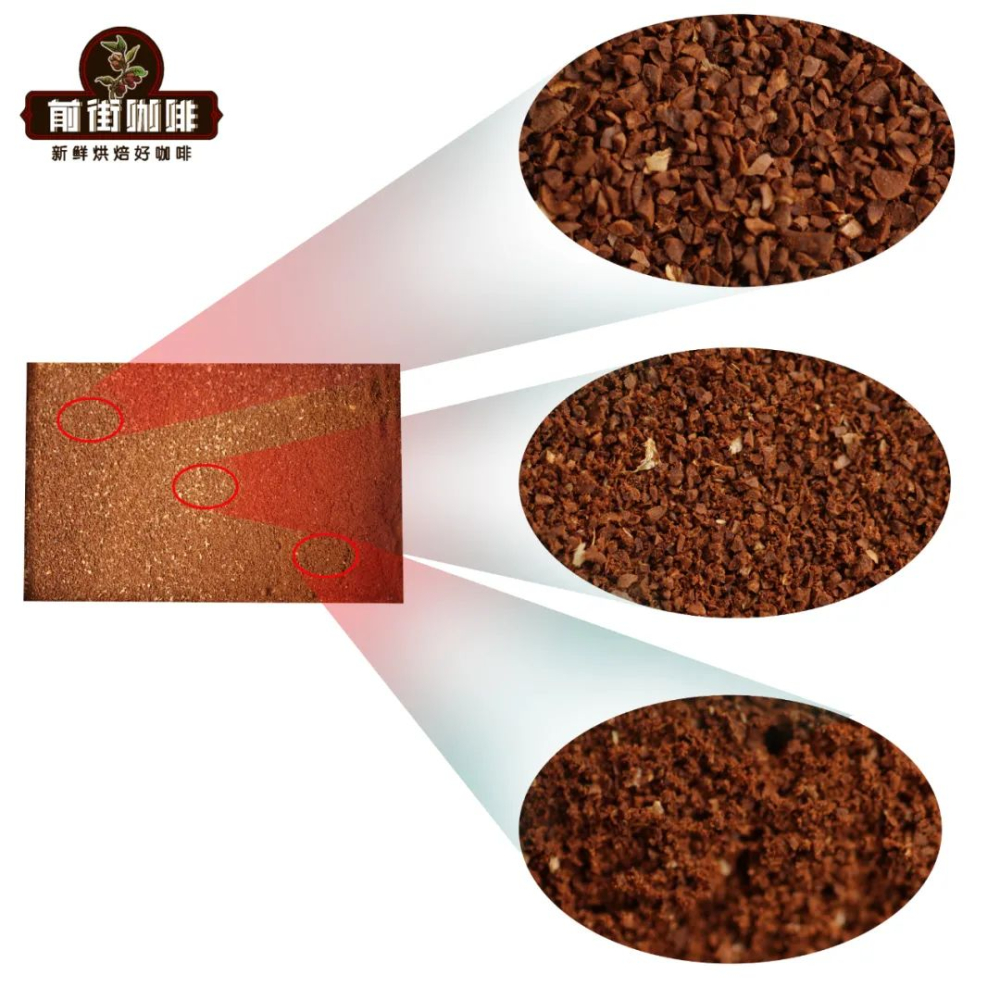
Grind size needs vary based on roast level and brewing method. For light to medium-roasted beans (often fruity or floral in flavor), brewed via pour over, drip machines, cold brew, or ice drip, aim for a 75%–80% pass-through rate (similar to fine sugar). For French press, adjust to around 70% (like regular table sugar).
For medium-dark to dark-roasted beans (typically nutty or dark chocolate flavors), use 65%–70% for pour over or drip machines (close to regular sugar), 75% for cold brew or ice drip (fine sugar), and 65% for French press (coarse sugar).
Regardless of roast level, if you’re cupping to evaluate coffee flavors, aim for 75% (fine sugar) and brew at 94°C for the most balanced results.
Beyond sieve percentages, you can also judge grind suitability by the actual brewing process. For standard pour over, a three-pour method with a total extraction time of about 1 minute 50 seconds to 2 minutes 10 seconds is recommended. If the grind is too fine, water flows more slowly, lengthening extraction time; if too coarse, it shortens. Additionally, observe the coffee bed’s behavior: ideally, it should sink evenly and steadily. If it sinks too quickly, the grind may be too coarse; if it drains slowly or clogs, with a muddy bottom layer, it’s likely too fine or has too many fines.
Note that pour-over speed and technique also affect extraction time and bed behavior. If you’re still unsure, rely on the final cup’s flavor: sharp, thin acidity usually means the grind is too coarse, while astringency, burnt bitterness, or a mix of sour and bitter suggests it’s too fine—time to adjust further.
The above content is compiled by CoffeeHunters, a coffee news website.


