








Introduction:Delve deep into Guatemala, a Central American powerhouse of specialty coffee. From the unique flavor profiles of its seven representative growing regions to a detailed breakdown of the washed processing method, this article systematically explores how altitude, climate, and soil shape the character of each coffee. Whether you're new to specialty coffee or looking to refine your bean selection and brewing strategies, this comprehensive guide will help you find your ideal flavor direction.
Guatemala is one of the world’s renowned specialty coffee-producing countries, blessed with majestic volcanic landscapes and fertile, mineral-rich soils that yield beans with a rich body and bright acidity. The country is broadly divided into seven major regions, each distinguished by variations in terrain, altitude, and microclimate, resulting in markedly different flavor characteristics. From the smoky chocolate notes of Antigua to the refreshing mountainous fruit acidity of Huehuetenango, these regions each offer distinctive profiles, making them essential starting points for coffee enthusiasts eager to explore the diverse flavors of Central and South American beans.
This article will provide an in-depth look at the history of Guatemalan coffee, the key steps of the washed processing method, and a detailed analysis of the altitude distribution and flavor profiles of eight major regions—including Antigua, Acatenango Valley, Cobán Rainforest, Volcán San Marcos, Lake Atitlán, Highland Huehue, Fraijanes Plateau, and Nuevo Oriente—to help readers grasp the unique traits of each bean and the most suitable brewing methods.
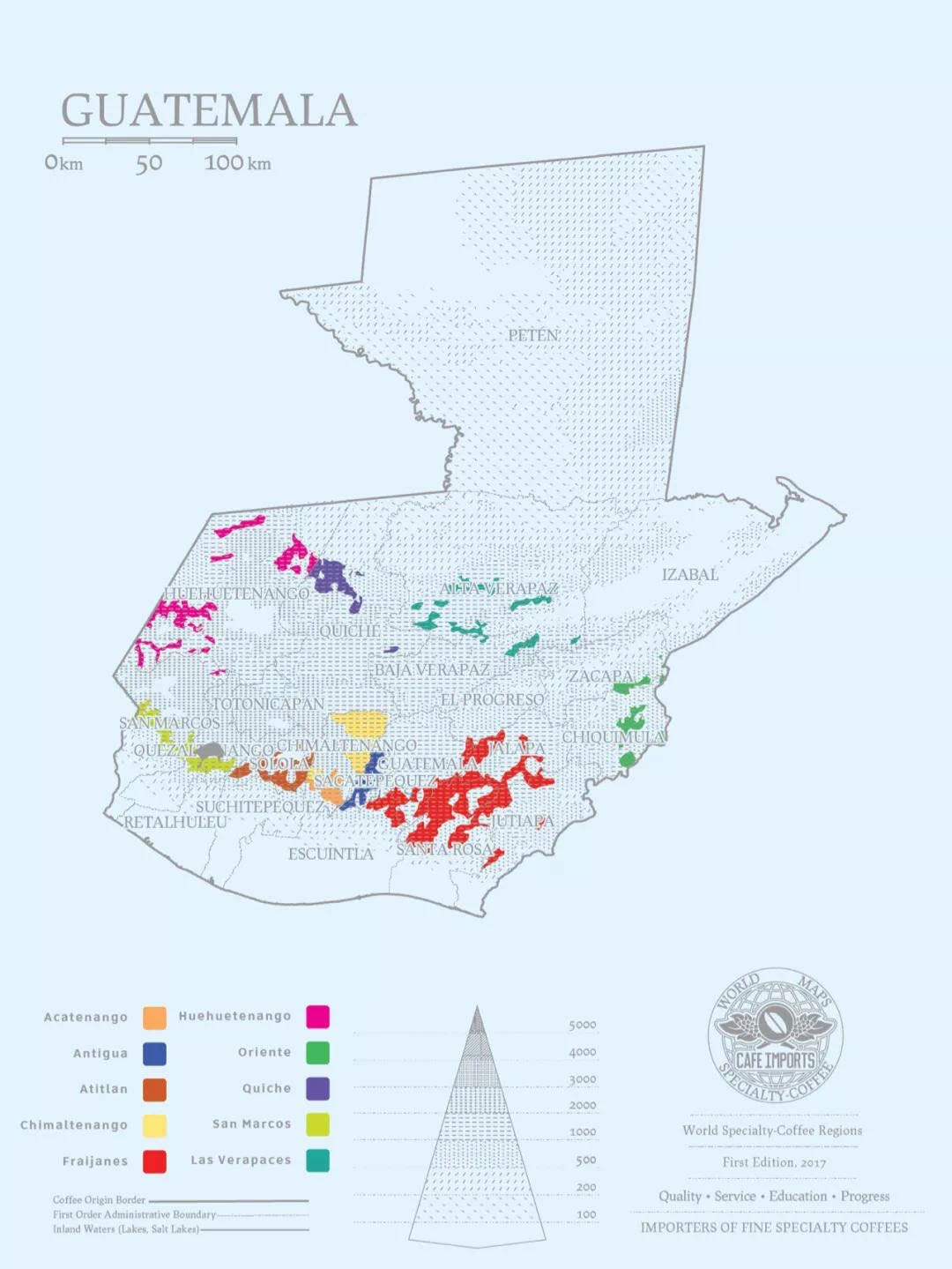
Coffee cultivation in Guatemala dates back to 1750, when it was first introduced by Jesuit missionaries. By the late 19th century, German immigrants further propelled the modernization of the industry. Most coffee farms are concentrated in the southern highlands, where fertile volcanic soils and altitudes generally ranging between 1,400 and 2,000 meters provide ideal growing conditions. High altitude not only slows the ripening of coffee cherries, allowing for the accumulation of richer flavor compounds, but also contributes to a dense, hard bean structure—key foundations for high-quality washed beans.
Among the many regions, Antigua stands out for its unique volcanic soils and historical-cultural background, often regarded as the birthplace of “smoky coffee.” Its flavor profile carries hints of smoke and chocolate notes, making it a popular entry choice for many coffee aficionados. Other regions, such as Acatenango Valley and Highland Huehue, also showcase more nuanced acidity-sweetness balance and fruity characteristics, thanks to their distinctive altitudes and climates.
In terms of processing methods, Guatemala primarily employs washed processing, with some farms supplementing with natural (sun-dried) processing. Washed processing clearly highlights the inherent flavor framework of the region—such as bright acidity and a clean finish—while natural processing can add more sweetness and fermentation complexity. Many consumers often wonder about the differences between the two; in fact, even within the same farm or region, washed and natural processed beans can exhibit vastly different profiles. It's recommended to experiment based on personal taste preferences.
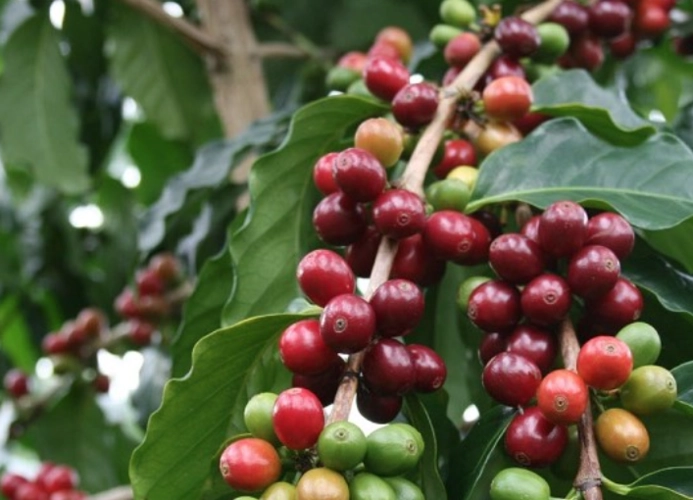
The basic steps of washed processing can be divided into four stages: First is the harvesting phase, where only fully ripe coffee cherries are selected; next, a pulper is used to remove the outer skin and pulp, leaving the seeds coated with mucilage; the third step is mucilage removal through fermentation, where the duration of fermentation in water tanks (typically 16 to 36 hours) is controlled to allow microbial action to break down the mucilage. This process releases organic acids such as citric and malic acid, which in turn influence the final acidity of the beans; finally, the beans are dried either in the sun or by machine to reach a moisture content of around 12%, facilitating subsequent storage and transportation.
The widely recognized growing regions within Guatemala include the following eight areas, each showcasing unique and identifiable flavor characteristics due to their geographical location and altitude differences:
Antigua: With an altitude of approximately 1,500 to 1,700 meters and renowned volcanic soils, its flavor profile is well-balanced between sweet and acidic, featuring smoky and chocolatey aftertastes. It is one of Guatemala’s most iconic regions.
Acatenango Valley: Spanning altitudes from 1,300 to 2,900 meters, the valley’s topography facilitates significant temperature variations, producing coffees with high sweetness, delicate acidity, and rich aromas—favorites among those who enjoy layered flavor experiences.
Cobán Rainforest: Located at 1,300 to 1,500 meters, this region features a humid and rainy climate with frequent cloud cover. When processed well, it can showcase gentle flavors of chocolate and tropical fruits.
Volcán San Marcos: At 1,400 to 1,800 meters, inconsistent rainfall affects the drying process, leading to more variable flavor profiles. However, when processed properly, it can express intense fruitiness and unique aromatic qualities.
Traditional Atitlán: Situated between 1,500 and 1,750 meters, with fertile soils and a lakeside location, the high-altitude environment contributes to a rich and viscous-textured cup.
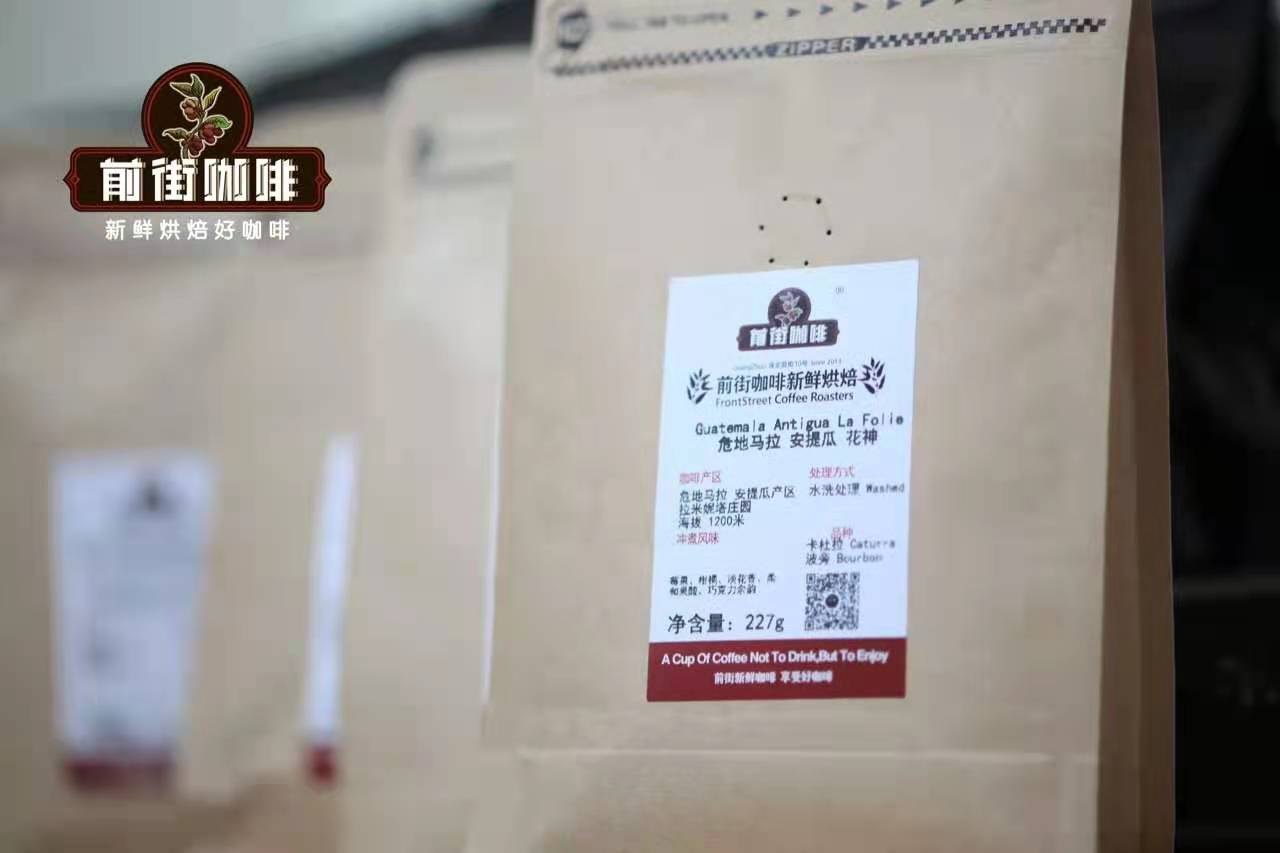
Highland Huehue: Ranging from 1,500 to 2,000 meters, it is the highest-altitude region on average in the country. Its cool climate, moderated by dry hot winds, produces coffees with bright acidity, floral notes, and versatile flavor profiles.
Fraijanes Plateau: At 1,400 to 1,800 meters, its volcanic soils are rich in pumice, yielding balanced flavors with unique aromas, gentle acidity, and a full body.
Nuevo Oriente: Between 1,200 and 1,700 meters, its climate is similar to Cobán but slightly warmer, offering flavors marked by distinct chocolate and spice notes, setting it apart from other typical volcanic regions.
With an understanding of these regional characteristics, consumers can make more informed choices when selecting Guatemalan coffee beans. Whether you prefer a rich, smoky profile or a bright, fruity acidity, you can find the region and processing style that best suits your taste.
The above content is compiled by CoffeeHunters, a coffee news website.


