







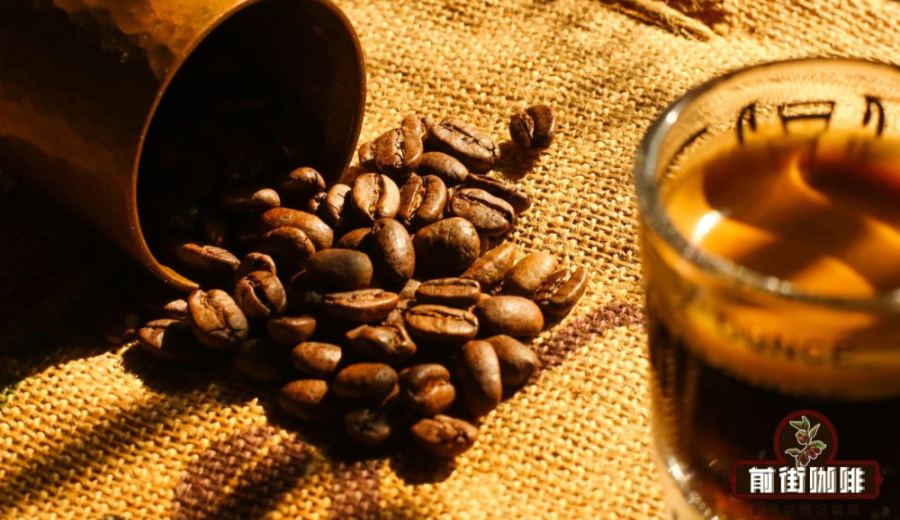
Introduction:Dark roasted coffee beans are the classic foundation for espresso, not only delivering intense, caramelized aromas but also forming an alluring layer of golden crema. This article delves into the science behind crema, explores the flavor differences between dark and medium-dark roasts, and carefully selects three blends ideal for both home and café use. From crema performance to cost-effectiveness, we provide a comprehensive analysis to help you find the best espresso bean choice.
In the world of espresso, dark roasted beans have long held a prominent position. In the past, lattes, cappuccinos, and Americanos in cafés were almost always based on espresso extracted from dark roasted beans. This roasting method imparts strong caramel and smoky notes to the coffee while producing a rich crema that enables clean, defined latte art. With the rise of specialty coffee trends, medium-dark blends have gained popularity, retaining a balanced sweetness while offering a more refined and nuanced mouthfeel.
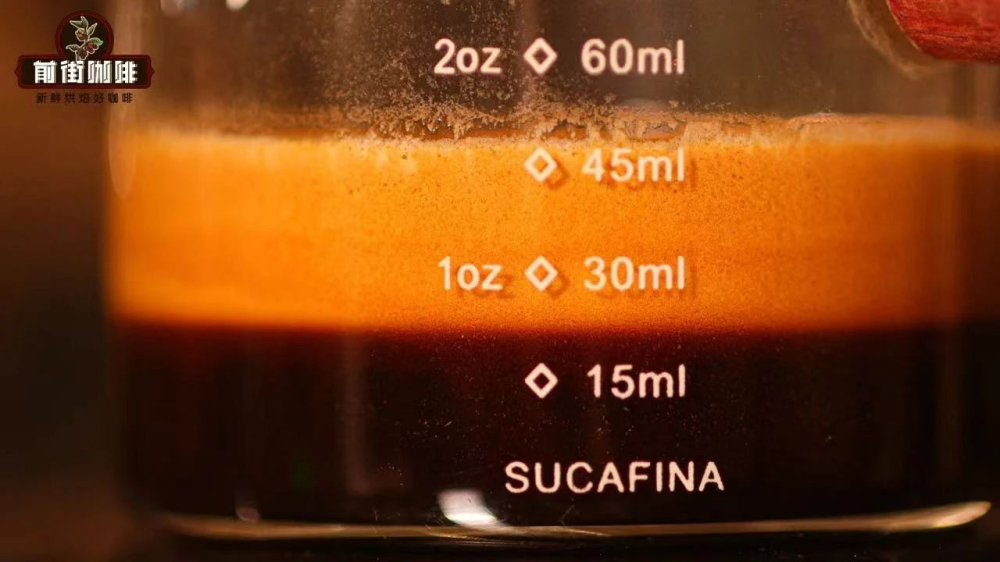
The unique charm of dark roasted coffee partly stems from the crema formed during extraction. This golden foam is the result of high-pressure conditions in an espresso machine. Typically, espresso machines extract at 9 bars of pressure, forcing water through a compact puck of coffee grounds. The carbon dioxide trapped in the grounds dissolves into the liquid under pressure and emulsifies with the coffee’s oils. Because oils are less dense, they eventually rise to the surface, creating a fine, glossy layer of crema. This not only enhances visual appeal but is also believed to influence the release of aroma and flavor.
For home users or beginners, a blend with excellent crema performance and balanced flavor is the ideal starting point. A popular classic blend on the market draws inspiration from the traditional "Mamba" recipe—combining the characteristics of Indonesian Mandheling and Brazilian beans, whose flavors complement each other: Mandheling contributes a full body and herbal notes, while Brazilian beans provide a nutty and chocolatey base. This formula dates back to the classic flavors of early Taiwanese cafés, later incorporating a small amount of Robusta to further enhance crema thickness and overall body. It’s well-suited for making milk-based drinks like lattes and also great for practicing latte art at home.
If the goal is to replicate the common café flavors of Americano and latte, a medium-dark commercial blend is a practical choice. These blends typically combine beans from Brazil, Colombia, and Vietnam. Through medium-dark roasting, they retain the inherent sweetness of the coffee while developing pronounced toasty notes. The resulting crema is fine and long-lasting. When used for Americano, it delivers a smooth and mellow taste; for lattes, it offers a rich and velvety texture. Affordable and ideal for daily consumption, this type is a staple in many cafés’ regular inventory.
For cost-conscious cafés or home users, budget-friendly blends offer consistent performance at an accessible price. For example, a blend combining Yunnan small-bean varieties with Brazilian Red Bourbon emits creamy chocolate-like aromas along with a subtle acidity reminiscent of ripe plums. The overall flavor is well-balanced and easy to extract. The crema layer of such beans is moderate—not only stable and easy to control but also suitable for various brewing methods. Whether using a home machine or a professional semi-automatic, it delivers consistent results, making it an ideal choice for great taste without breaking the bank.
No matter which blend you choose, understanding the characteristics of dark roasted beans and the principles of crema formation can help improve extraction quality. It’s recommended to adjust grind size and extraction parameters according to your specific needs (e.g., whether latte art is emphasized, or if you prefer sweetness or intensity). For instance, a recommended coffee-to-water ratio is 1:2 to 1:3, with extraction time controlled between 25-30 seconds, to fully unlock the potential of dark roasted beans.
The above content is compiled by CoffeeHunters, a coffee news website.


