







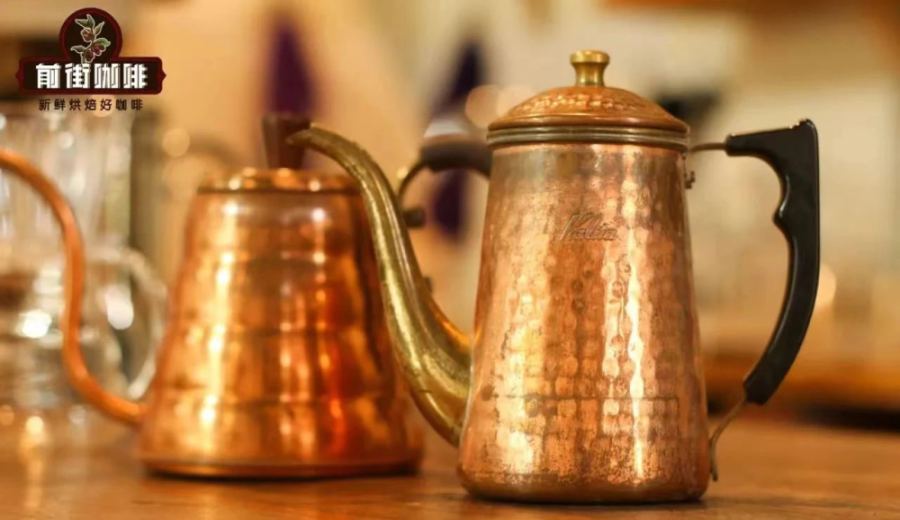
Introduction:For pour over beginners, choosing the right gooseneck kettle is a key step in improving extraction quality. This article provides an easy-to-understand guide on how to select the most suitable gooseneck kettle based on your needs, covering factors such as temperature-controlled vs. non-temperature-controlled designs, the effect of spout shapes on water flow, kettle body capacity and ergonomic handle design, as well as an analysis of the pros and cons of materials like stainless steel, copper, and enamel. It also includes a recommended sequence of coffee bean flavor profiles to try, helping you achieve stable extractions and ideal flavors.
The charm of pour over coffee lies not only in the inherent flavors of the coffee beans but also in the precise control of water temperature, water flow, and brewing time during the process. Among these, the gooseneck kettle is one of the core tools that significantly impacts overall extraction performance. A well-designed and easy-to-handle gooseneck kettle allows beginners to more easily control the water flow, thereby stably extracting captivating coffee aromas and layers.
Facing the wide variety of gooseneck kettles on the market, many beginners often don’t know where to start. Should you choose a temperature-controlled or non-temperature-controlled model? How does the shape of the spout affect pouring stability? How should you choose the kettle body capacity and handle design? The following section will explore five key points to help you deeply understand how to choose the right gooseneck kettle for yourself.
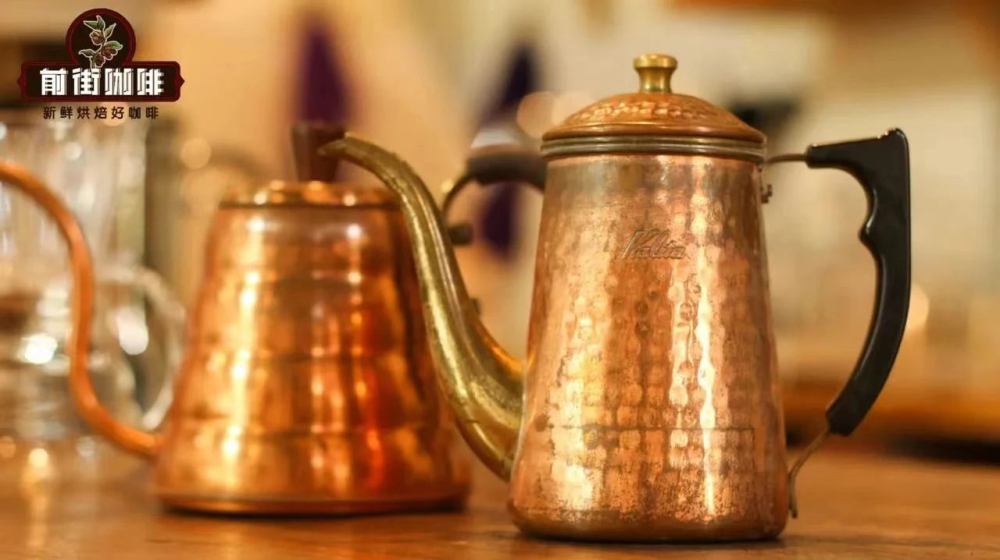
I. Choosing Between Temperature-Controlled and Non-Temperature-Controlled Models
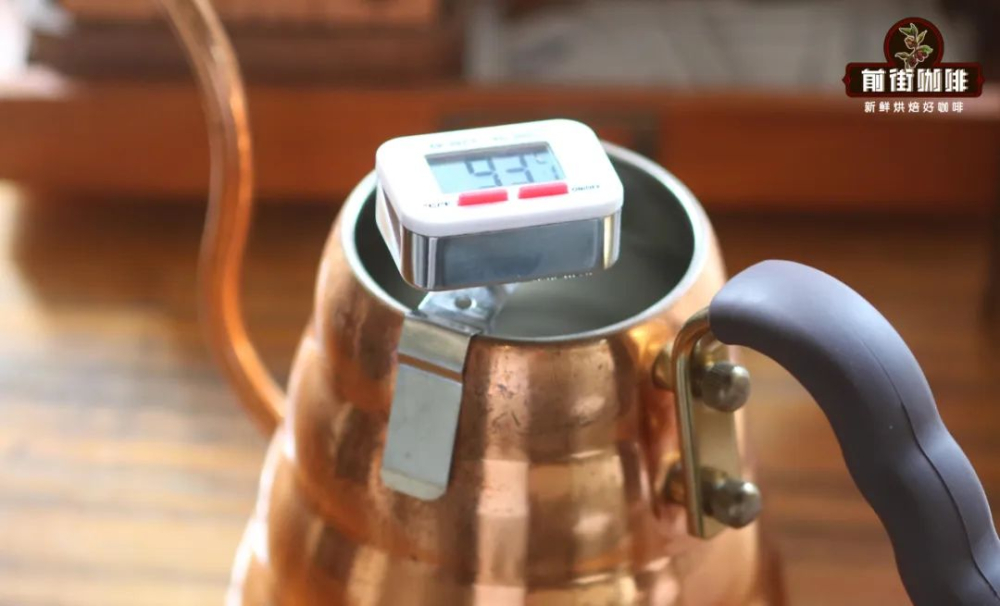
The first step in selecting a gooseneck kettle usually involves the decision of whether or not you need temperature control functionality. Non-temperature-controlled kettles, which are the common basic models, do not have heating capabilities and are relatively affordable, making them a popular choice for many coffee beginners. However, when using these, you’ll need to use a thermometer separately to ensure the water temperature stays within the ideal extraction range (typically 90–96°C).
In contrast, the biggest advantage of temperature-controlled kettles is that they have a built-in heating system that can precisely adjust and maintain water temperature. Not only does this eliminate the hassle of additional temperature checks, but it also prevents heat loss during pouring, ensuring stability with each pour. However, due to the added temperature control module, these kettles are usually heavier, have a lower center of gravity, and are generally priced about 300 yuan higher than non-temperature-controlled models.
In summary, if you only occasionally brew pour over coffee and have a limited budget, a non-temperature-controlled kettle is sufficient. But if you plan to use it frequently or want to maintain a stable water temperature for every brew, a temperature-controlled kettle will be the more convenient option.
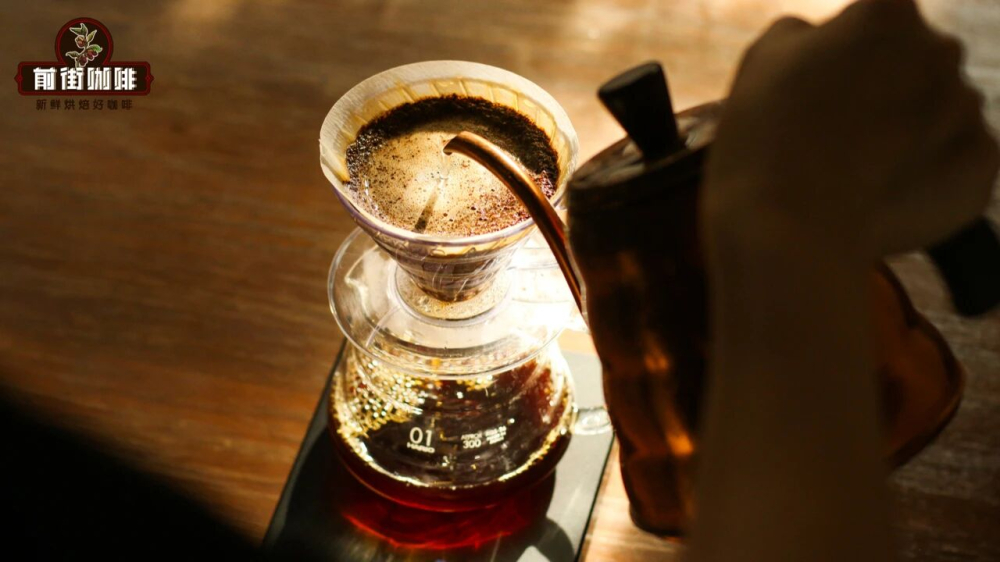
II. Spout Shape and Water Flow Control
The design of the spout is key to influencing the shape and controllability of the water flow during pour over. Common types of spouts include narrow-necked goosenecks, wide-necked goosenecks, as well as variations like crane-beak, eagle-beak, and flat spouts—each design affects how the water flows out and the level of difficulty in handling it.
For beginners just starting with pour over, it’s recommended to consider a narrow-spout kettle first. The narrow design allows for a more focused stream of water. Although the flow may appear thin, the impact is actually quite strong. It’s easy to handle and good for practicing stable pouring techniques, making it very suitable for beginners. However, narrow-spout kettles are less capable of producing large water flows and are better suited for basic center-pour methods, offering fewer variations in usage.
Wide-spout kettles have a relatively higher barrier to controlling the water flow and require more practice to master a stable stream. But they offer greater flexibility—once you’re skilled, you can freely adjust the water flow size and even handle advanced brewing techniques like the “drip method.” They are suitable for more experienced intermediate users.
Crane-beak kettles are a specially designed type of wide-spout kettle. The spout resembles a crane’s beak when viewed from the side, hence the name. Despite being a wide spout, the design incorporates a multi-hole water-blocking structure at the outlet, which effectively reduces the force of the water flow. Even beginners can more easily control the flow, combining stability with fun.
Eagle-beak kettles feature a downward-curved spout design that helps direct the water flow more vertically, reducing dispersion and aiding in stable extraction. Flat-spout kettles, on the other hand, have an opening that is nearly flat, causing the water to arc outward in a parabolic trajectory, making them harder to control—best suited for advanced users looking for a challenge.
III. Kettle Body Capacity and Handle Design
The capacity of pour over kettles typically ranges between 0.5 and 1.2 liters. It’s recommended to choose one based on the number of cups you usually brew and your pouring habits. In practice, however, it’s advisable to pick a kettle with about 200 milliliters more capacity than you actually need. This provides a margin for error during pouring, preventing weak water flow due to insufficient water volume, which could affect the uniformity of coffee extraction.
Additionally, the handle design is extremely important. While handle shapes vary by brand, an ergonomic and comfortable handle can effectively help stabilize the center of gravity of the kettle, making pouring smoother and less strenuous. When purchasing, try holding the kettle in person to see if it feels right in your hand.
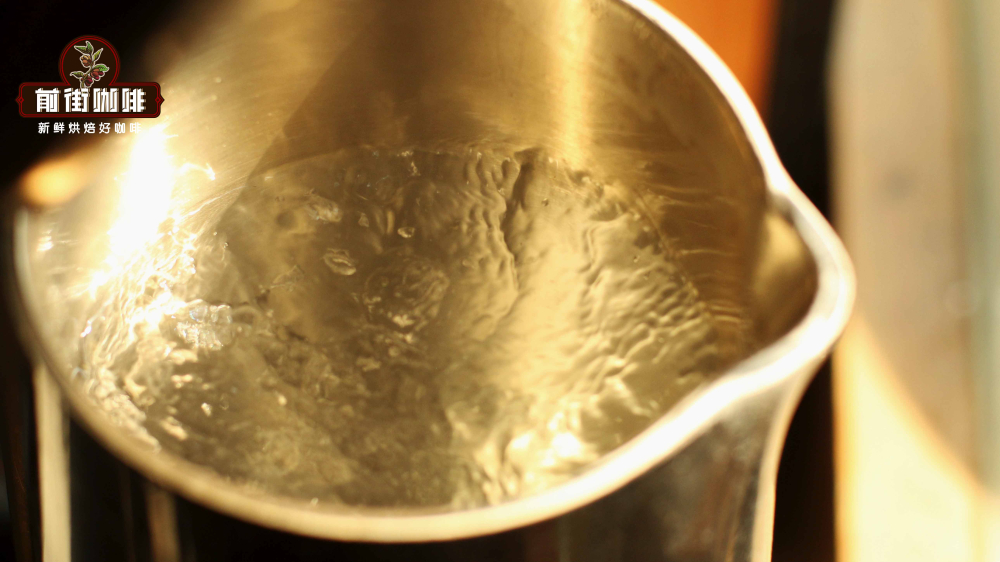
IV. Material Choices: Pros and Cons of Stainless Steel, Copper, and Enamel
Common materials for gooseneck kettles include stainless steel, copper, and enamel. Stainless steel kettles are the most common and offer great value for money—they’re affordable, durable, and easy to clean, making them highly suitable for everyday use.
If you care more about the kettle’s thermal insulation performance and texture, copper kettles are a better choice. Copper has excellent thermal conductivity and heat retention, and the material also feels more substantial. However, it is generally more expensive (when compared only among non-temperature-controlled kettles).
Enamel kettles are known for their beauty and artistic appeal. Their appearance is often delicate and carries a vintage charm, but they are relatively fragile and prone to damage from impacts, making them suitable for those who value aesthetics and are careful during use.
When choosing materials, in addition to appearance and budget, it’s also recommended to consider your daily usage scenarios and needs to select the most suitable style for you.
In summary, choosing a good gooseneck kettle not only enhances brewing stability but also makes the pour over experience more enjoyable. To explore different flavors, try the following recommended sequence of coffee beans: starting with the fresh jasmine and citrus notes of a certain brand’s Yirgacheffe, moving to the sweet nuttiness of Costa Rican beans, then to the herbal and plum characteristics of Yunnan small beans, followed by the rich creaminess of Brazilian Cerrado, the dark chocolate and caramel layers of Colombian Huila, and finally the spicy and herbal tones of Indonesian Mandheling. Gradually experience the charm of different regions and processing methods, taking you from a beginner to a pour over expert.
The above content is compiled by CoffeeHunters, a coffee news website.


