







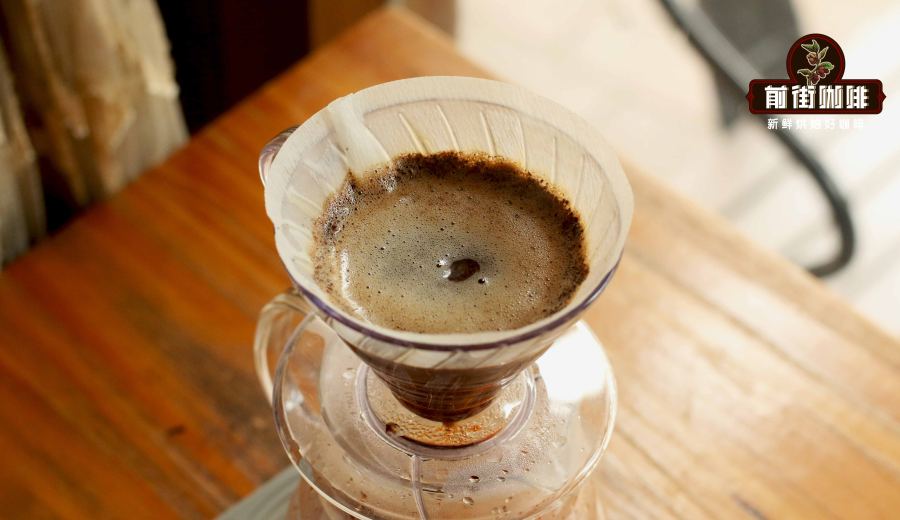
Introduction:The charm of pour over coffee lies in how the same coffee beans can reveal completely different flavor profiles through varying pouring techniques. This article delves into five classic pour over methods—single pour, three-stage, Rao spin stirring, 4-6 punch, and the Kawahara method—breaking down each step-by-step with operational procedures, key parameters, and suitable coffee bean types, while offering practical advice to help you find your ideal extraction style.
Pour over coffee may seem simple, but each pouring method can significantly affect the final flavor. Many beginners think that simply controlling water temperature and grind size is enough to brew a good cup, but in reality, the pouring technique, water flow stability, and segmentation strategy are equally crucial. This article will introduce in detail five common and distinct pour over techniques, including single pour, three-stage, Rao spin stirring (also called stirring method), 4-6 punch, and the Kawahara method. Beyond fully disclosing the core parameters of each technique, it also analyzes their impact on flavor expression, enabling you to experiment at home to find the extraction method that best suits your taste.
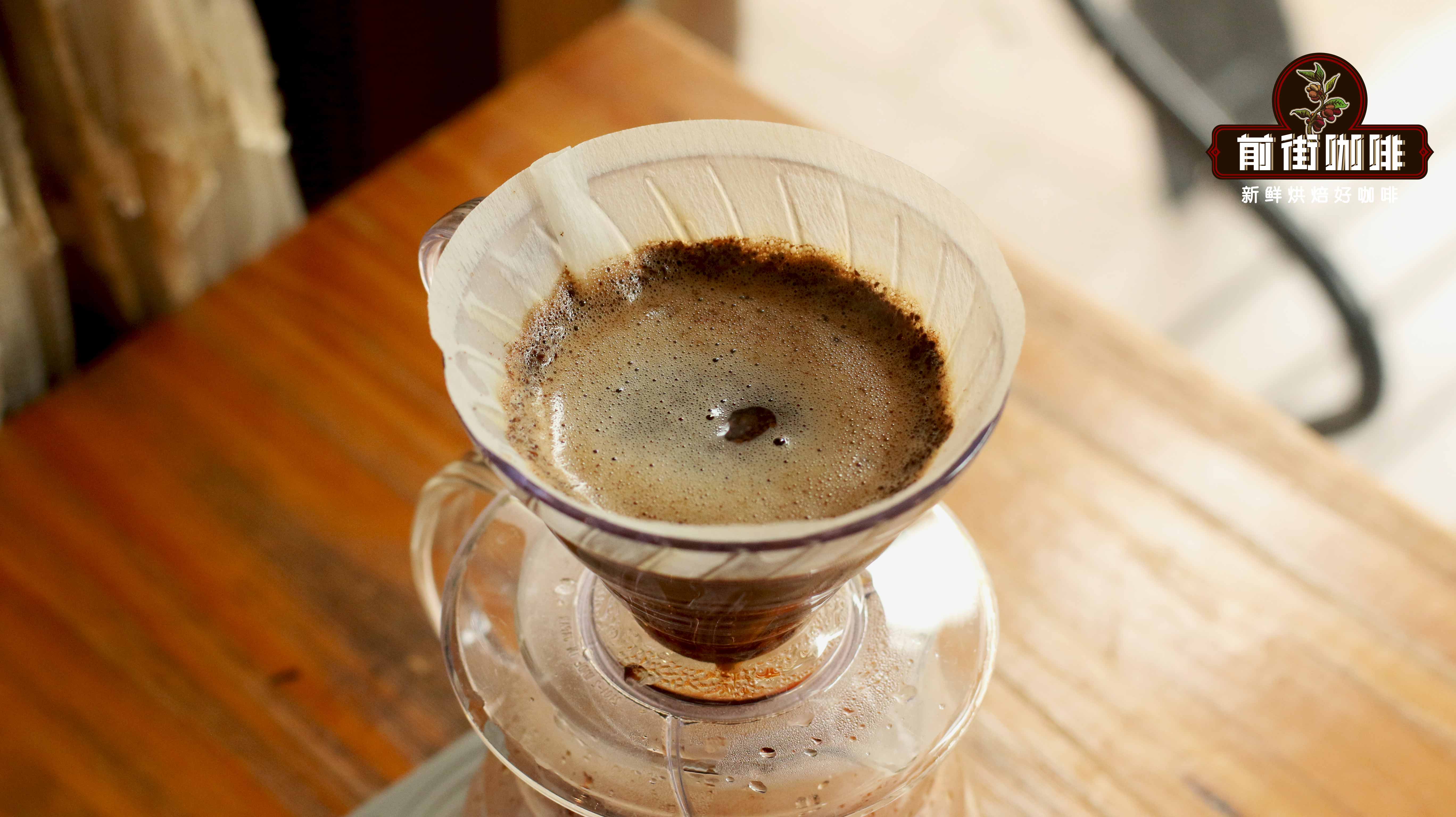
Many beginners might assume that pour over coffee is not very difficult, but for professional baristas, even changes in pouring height, water flow speed, number of pours, or even pouring angle can lead to vastly different flavor outcomes from the same coffee beans. Although cafés typically use the three-stage method for serving, baristas often experiment with different pouring logics during R&D and testing. Below, we’ll guide you through five classic pour over techniques, from basic to advanced, helping you gradually master the tricks.
Single Pour
The single pour is arguably one of the most beginner-friendly and widely used pour over methods. Its logic is relatively straightforward: after the bloom, the remaining brewing water is poured all at once and continuously without any segmentation. This technique is easier for beginners to grasp since it doesn’t require frequent adjustments to water flow or calculations of multiple pouring timings. As long as the water temperature, grind size, and coffee-to-water ratio are properly set, you can still brew coffee with clear flavors.
Since there’s only one pouring action throughout the process, the water level in the coffee bed remains relatively high, and the total extraction time usually falls around 1 minute and 10 seconds, which is noticeably shorter than multi-stage methods. This extraction characteristic results in a cleaner coffee flavor with pronounced acidity, but the overall mouthfeel may be thinner and less layered compared to multi-stage extractions.
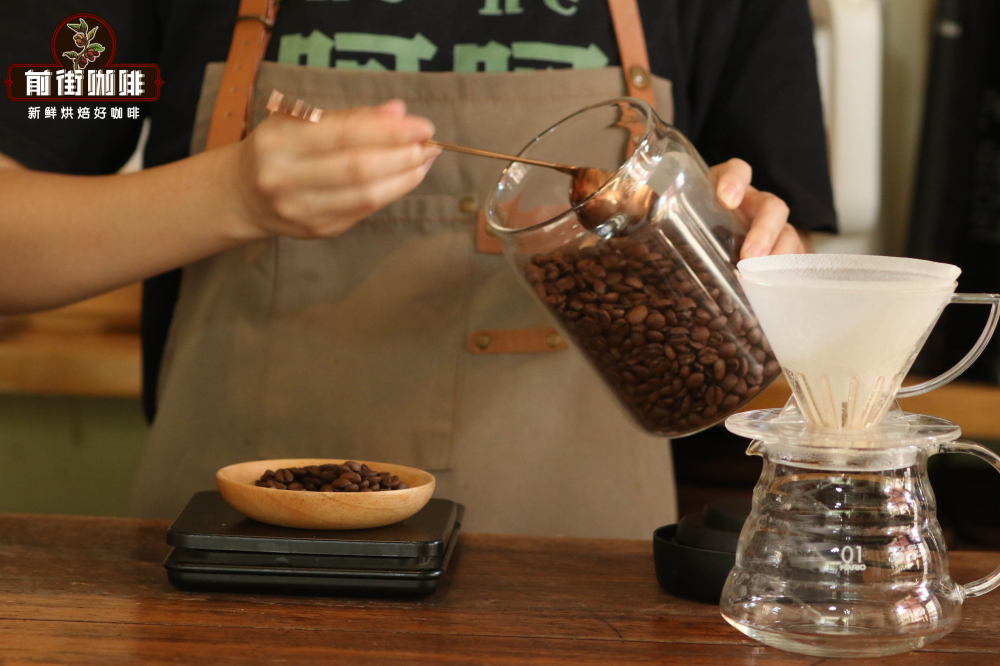
Single Pour Parameter Suggestions (Light Roast)
Coffee dose: 15 grams
Coffee-to-water ratio: 1:15
Grind size: 80% through a #20 sieve (medium-fine grind)
Water temperature: 91°C
Bloom: 30 ml of water, bloom for 30 seconds
Main pour: 195 ml, poured evenly in circular motions, total extraction time around 1 minute and 45 seconds
Three-Stage Method
The three-stage method is another common and easy-to-learn technique. Its main difference from the single pour is the addition of a “third stage” pour. The key is determining when to start the third stage—typically advised to wait until the water level in the filter drops to about half or two-thirds, which helps avoid the coffee bed drying out too early while also preventing uneven extraction due to excessively high water levels.
This segmented approach allows for more precise control over the extraction degree of each layer of coffee grounds, resulting in a more three-dimensional and layered flavor profile. It’s suitable for a variety of origins and roast levels, making it a popular choice for many coffee enthusiasts brewing at home.
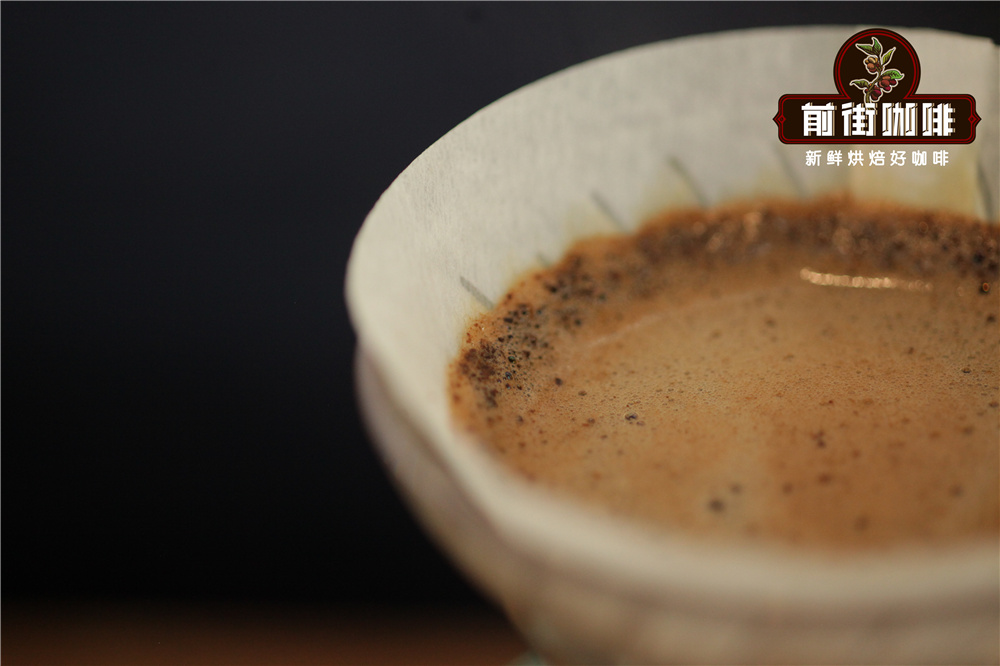
Three-Stage Parameter Suggestions (Light Roast)
Coffee dose: 15 grams
Coffee-to-water ratio: 1:15
Grind size: 80% through a #20 sieve
Water temperature: 91°C
First stage: 30 ml bloom water, bloom for 30 seconds
Second stage: 95 ml, poured steadily in circular motions from the center outward
Third stage: 100 ml, poured when the water level is about to expose the coffee bed
Total extraction time: approximately 1 minute and 55 seconds to 2 minutes
Stirring Method (Rao Spin Method)
Promoted by renowned barista Scott Rao, the stirring method, also known as the Rao spin method, is a technique that emphasizes uniformity in the coffee bed. By introducing external agitation, this method disrupts potential channeling effects within the coffee bed, allowing water to penetrate the coffee grounds more evenly. This improves overall extraction efficiency and reduces issues of over-extraction or under-extraction in localized areas.
This technique is especially suitable for users seeking balanced flavors and complete extraction, and is particularly effective for coffee beans with more fine particles or denser structures.
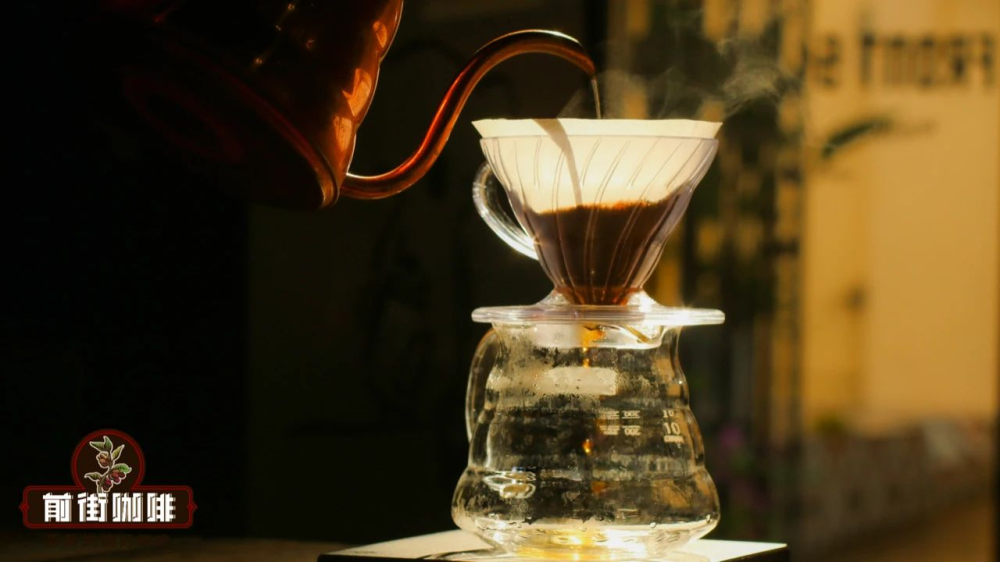
Rao Spin Method Parameter Suggestions
Bloom: 30 g of water, bloom for 45 seconds, while stirring the coffee bed with a spoon
Main pour: pour all the way up to 225 g in one go
Mid-stage operation: when the water level drops to half, gently shake the filter horizontally three times to prevent coffee grounds from sticking to the walls
Total extraction time: approximately 2 minutes
4-6 Punch Method
Proposed by 2016 World Brewers Cup (WBrC) champion Tetsu Kasuya, the 4-6 punch method is an intuitive and easy-to-understand segmentation logic: the first 40% of the water volume primarily influences flavor (such as the balance of acidity and sweetness), while the latter 60% determines the body and richness of the mouthfeel. This method simplifies the complex extraction process into two stages, allowing even beginners to brew coffee with a well-structured profile by controlling the number of pours and the rhythm of water flow.
The first 40% of water can be further divided into two segments to fine-tune the expression of acidity and sweetness; the latter 60% can be divided into two (for a brighter mouthfeel) or four (for a richer mouthfeel) segments based on personal preference.
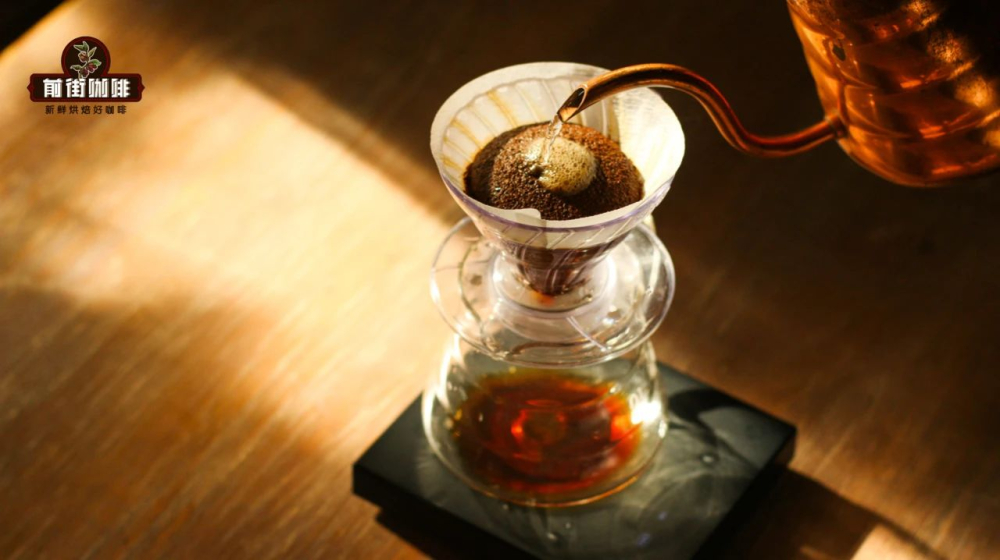
4-6 Punch Parameter Suggestions (Yirgacheffe – Red Cherry, Light Roast)
Coffee dose: 20 grams
Coffee-to-water ratio: 1:15
Total water volume: 300 ml
Water temperature: 92°C
Grind size: Coarse grind (approximately 70% through a #20 sieve, similar to coarse sugar)
Segments: 5 pours, 60 ml each, with 45-second intervals between pours
Total extraction time: approximately 3 minutes and 20 seconds
Kawahara Method
The Kawahara method was developed by the founding family of Japan’s KONO brand. Its hallmark is starting with a slow, steady stream to gently saturate and expand the coffee grounds, followed by a stronger flow for concentrated extraction. This method is usually used with a KONO filter and a lower coffee-to-water ratio (e.g., 1:10), highlighting the coffee’s sweetness while effectively suppressing excessive acidity and off-flavors.
The Kawahara method is well-suited for medium to dark roasts or coffee beans with rich textures, making it a highly worthwhile technique for those who enjoy a bold mouthfeel and caramel-like sweetness.
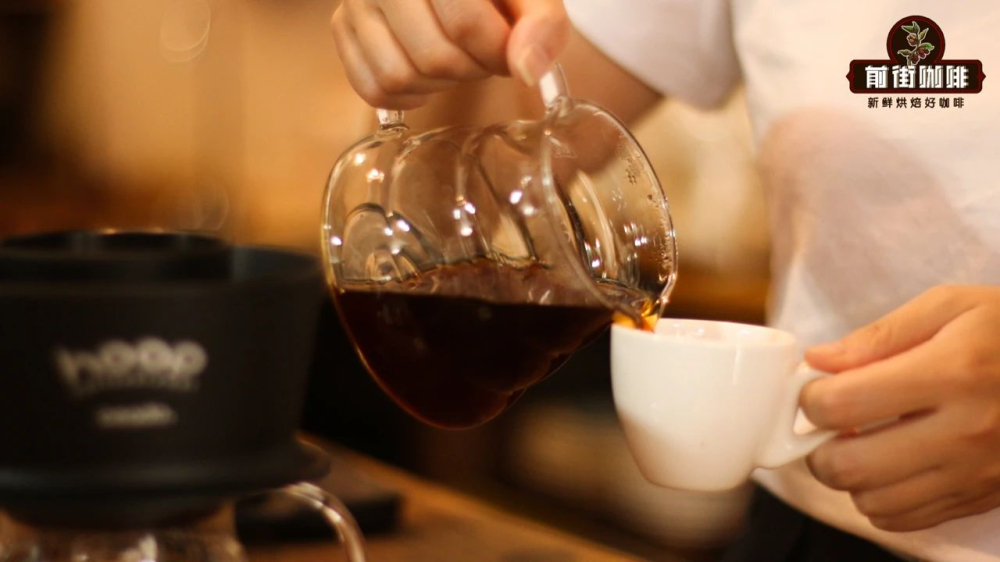
Kawahara Method Parameter Suggestions (Indonesian Golden Mandheling, Medium-Dark Roast)
Coffee dose: 20 grams
Water temperature: 88°C
Coffee-to-water ratio: 1:10
Filter: KONO
Steps: First, slowly saturate the coffee grounds with a dripping motion for about 2 to 3 minutes until the coffee bed shows “cracking” and expansion; then switch to a medium to large water flow, pouring in stages while controlling the rise and fall of the coffee bed, stopping when the 1:10 ratio is reached, with a total extraction time of about 4 to 4 minutes and 30 seconds
The above content is compiled by CoffeeHunters, a coffee news website.


