








Introduction:Gain an in-depth understanding of the regional characteristics and processing methods of Tanzania’s specialty coffee, from the northern highlands of Mount Kilimanjaro to the southern regions of Ruvuma and Mbeya. This article compares flavor profiles and washed coffee grading standards across different areas. It details the origins of Tanzania’s coffee varieties, altitude and harvest seasons, and offers practical washed processing workflows and brewing recommendations to help you capture the unique charm of East African beans.
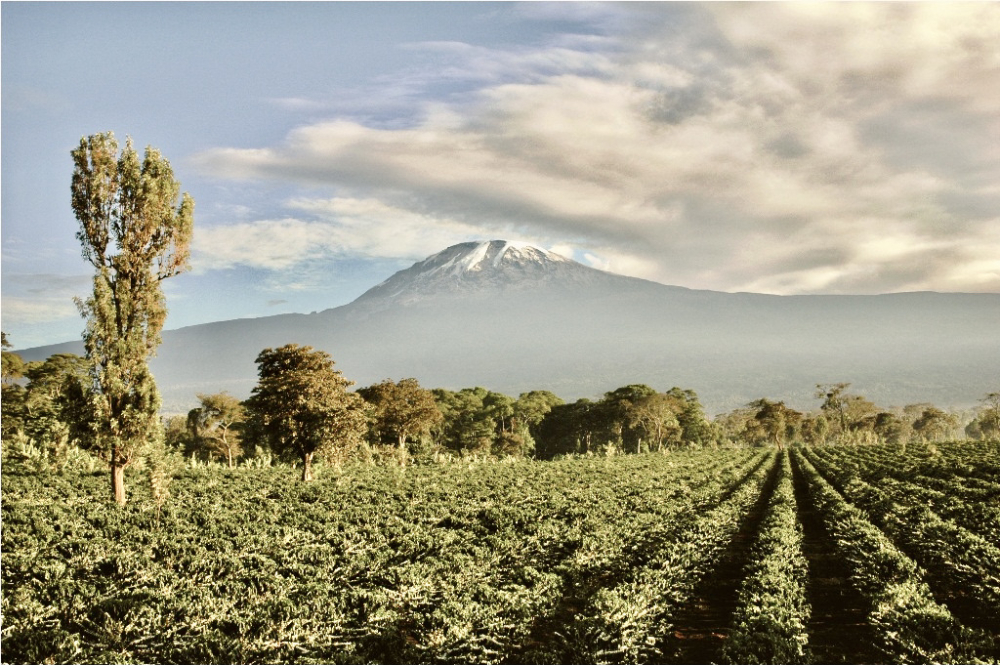
As an important East African producer of specialty coffee, Tanzania is renowned for its washed processing method, which yields bright acidity and soft sweetness, often compared to neighboring Kenyan beans. However, Tanzanian coffee generally leans toward a gentler and sweeter profile, especially in terms of acidity, which is less sharp than that of Kenyan beans. One of the most famous regions is Mount Kilimanjaro in the northeast, where coffee benefits not only from high-altitude mountain climates but also from the nourishment of volcanic soils, giving rise to distinctive flavor characteristics.
The history of coffee cultivation in Tanzania dates back to 1898, when Catholic missionaries introduced the Bourbon variety to the Kilimanjaro region. In the 1920s, the Kent variety was later introduced. To this day, these two varieties remain staples of Tanzanian coffee. Bourbon is known for its round fruitiness and high sweetness, with bright acidity and slightly higher yield than Typica, though it remains a low-yield and rust-susceptible variety. Kent is a hybrid of Typica originating from India, with strong disease resistance and stable yields.
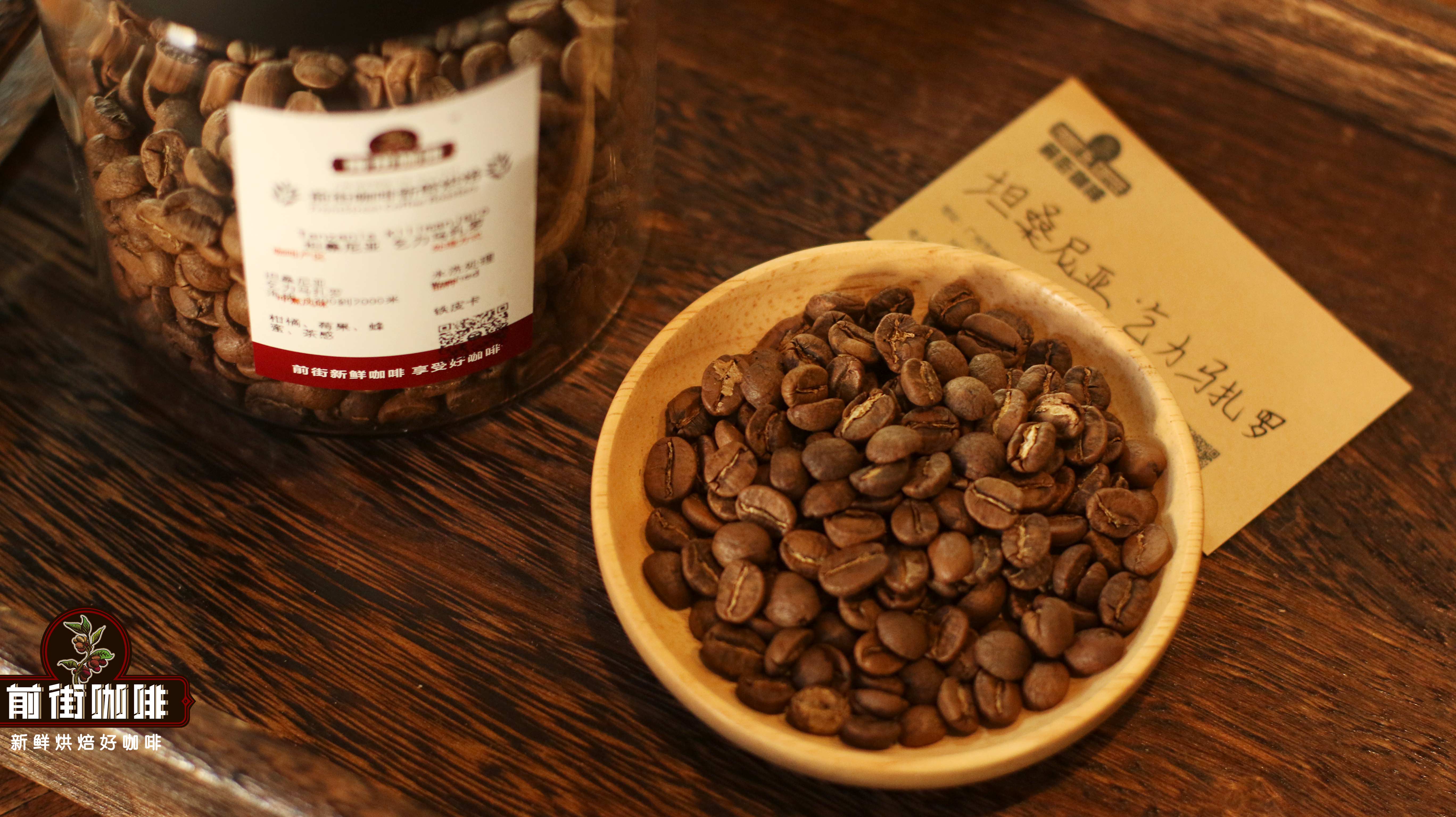
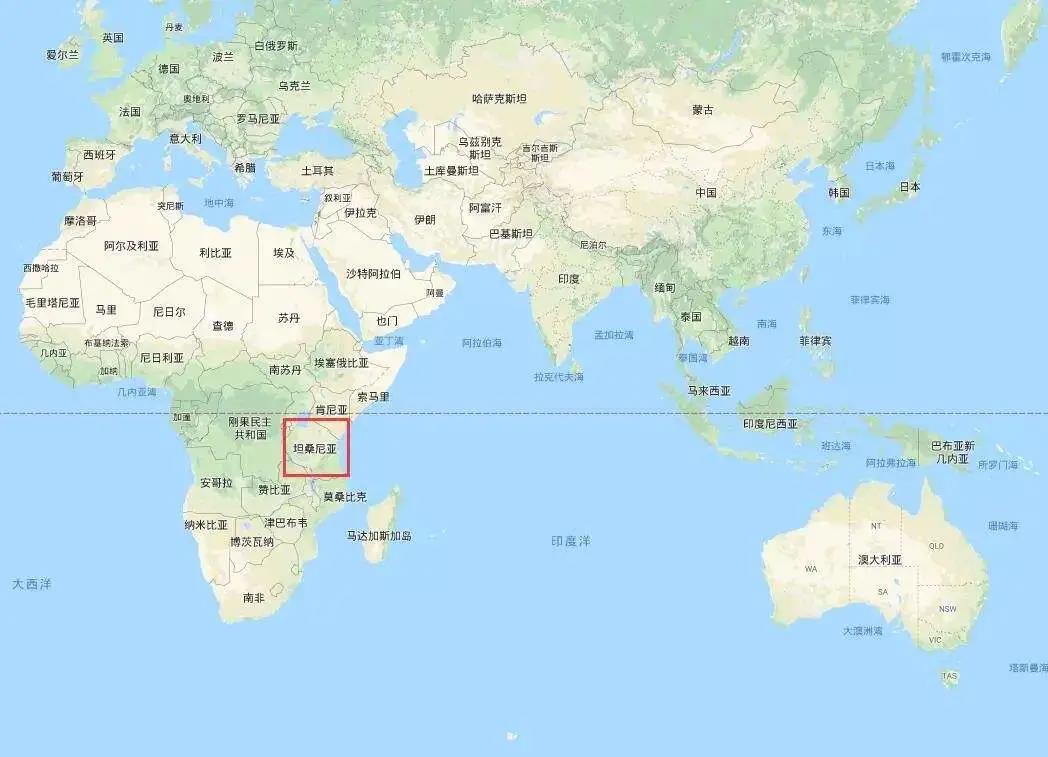
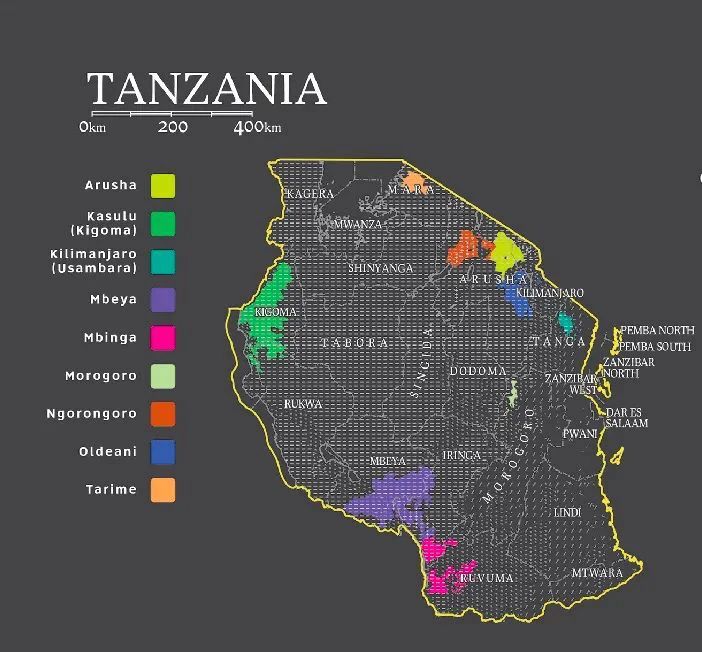
The main coffee-growing regions in Tanzania include Kilimanjaro in the north, and Ruvuma and Mbeya in the south. As the oldest Arabica-growing region, Kilimanjaro boasts a long planting history and well-established infrastructure, but some coffee trees are of advanced age, leading to limited yields and increasing competition from other crops in recent years. The elevation here ranges from 1050 to 2500 meters, with the main harvest season from July to December. Ruvuma, located at the southernmost tip of Tanzania and named after the Ruvuma River, has its primary planting areas concentrated in Mbingo, at elevations of 1200 to 1800 meters. Its harvest season runs from June to October and it is regarded as an emerging region with high-quality potential. Mbeya, situated around the southern city area, serves as a hub for high-value crops such as coffee, tea, cocoa, and spices. In recent years, it has attracted attention from various certification bodies and NGOs aiming to elevate the international reputation of local coffee. Elevation ranges from 1200 to 2000 meters, and the harvest season is also from June to October.
Tanzania’s coffee grading system is similar to Kenya’s, primarily based on bean size, using specific mesh sieves—higher sieve numbers indicate larger beans. Grade AA is the highest, with bean sizes between 17 and 18 mesh (approximately 7.20mm), followed by Grade AB, slightly smaller at 15 to 16 mesh (6.8mm to 6.2mm). Grade PB refers to peaberry beans, making up about 10% of the total. Grade C beans are even smaller, sized between 12 and 14 mesh (4.8mm to 5.6mm). This grading approach helps buyers make initial judgments about a coffee’s quality potential and consistency.
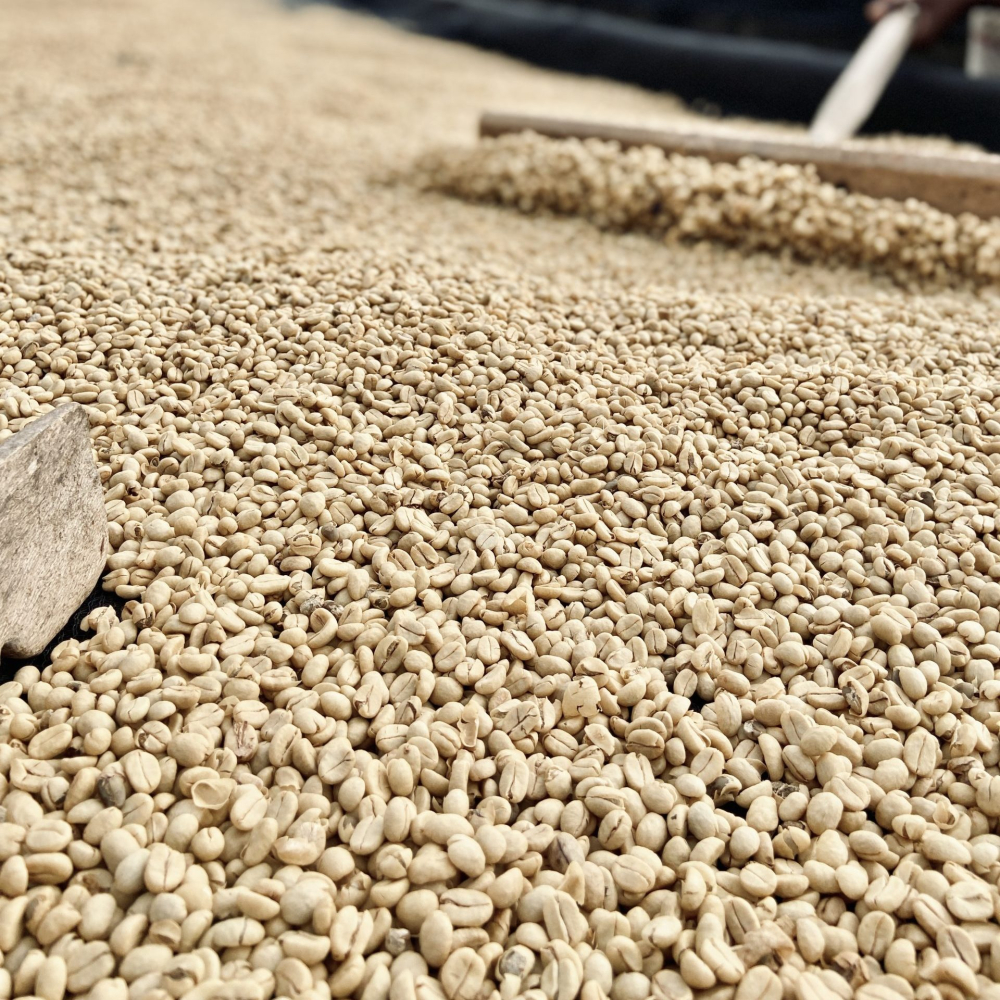
Tanzanian coffee is predominantly processed using the washed method, which highlights the coffee’s cleanliness and bright acidity. The process includes: first removing impurities, then stripping the pulp and outer skin, followed by fermenting the mucilage-covered beans in tanks to break down the fruit mucilage, and finally thoroughly washing and drying the beans. Washed processing not only enhances flavor clarity but also contributes to more stable quality performance.
Taking the Kilimanjaro region as an example, coffee here is mostly grown by smallholders on volcanic soils at altitudes of 1300 to 2000 meters. Volcanic ash is rich in minerals, and the significant day-night temperature variation at high altitudes allows the coffee beans to develop complex flavor layers. A cupping session of Kilimanjaro AA-grade washed beans showed that this coffee, of the Bourbon variety, processed via washed method and graded AA, had a full body and moderate acidity, with flavors of citrus, berries, and tea notes. The dry aroma presented caramel notes, while the wet aroma exuded berry scents. For brewing, it is recommended to use a V60 filter, with a coffee-to-water ratio of 1:15, water temperature around 91°C, and grind size at 80% passing through a #20 sieve. Employing a pulse pouring method can fully highlight its sweetness and delicate acidity.
In practical brewing, medium-light roasts can bring out the bright acidity and fruity notes of Kilimanjaro beans. The recommended extraction time is around 2 minutes, with attention to controlling water temperature and grind coarseness to avoid over-extraction or under-extraction. Coffees from southern regions like Ruvuma and Mbeya, although also processed using the washed method, may have flavor profiles leaning toward soft berry tones and subtle floral notes due to differences in altitude and microclimate. These are well suited for drinkers who prefer balanced taste profiles.
In summary, Tanzanian coffee, with its washed processing techniques and high-altitude advantages, holds a distinctive place among East African coffees. From the classic flavors of Kilimanjaro to the promising potential of southern regions, understanding each area’s terroir and processing characteristics will help coffee enthusiasts better appreciate the unique charm of these beans when selecting and brewing them.

The above content is compiled by CoffeeHunters, a coffee news website.


