







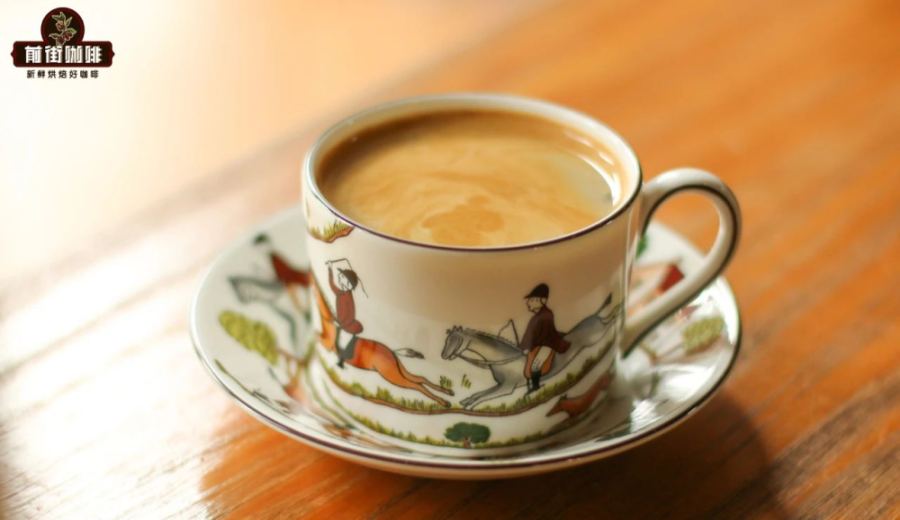
Introduction:Many coffee beginners often feel confused about the definitions, differences, and recommended ways to enjoy espresso and Americano. This article delves into the brewing principles and flavor characteristics of espresso and American coffee, while also exploring the features and selection tips of SOE (Single Origin Espresso). It not only explains whether you can add sugar to espresso but also provides professional ratios and brewing parameters to help readers build a comprehensive coffee knowledge system.
For those just entering the world of coffee, common questions include “What is Americano?”, “What’s the difference between espresso and Americano?”, and “Which one is more worth trying?” Understanding these basic concepts is the first key step toward further appreciating coffee.
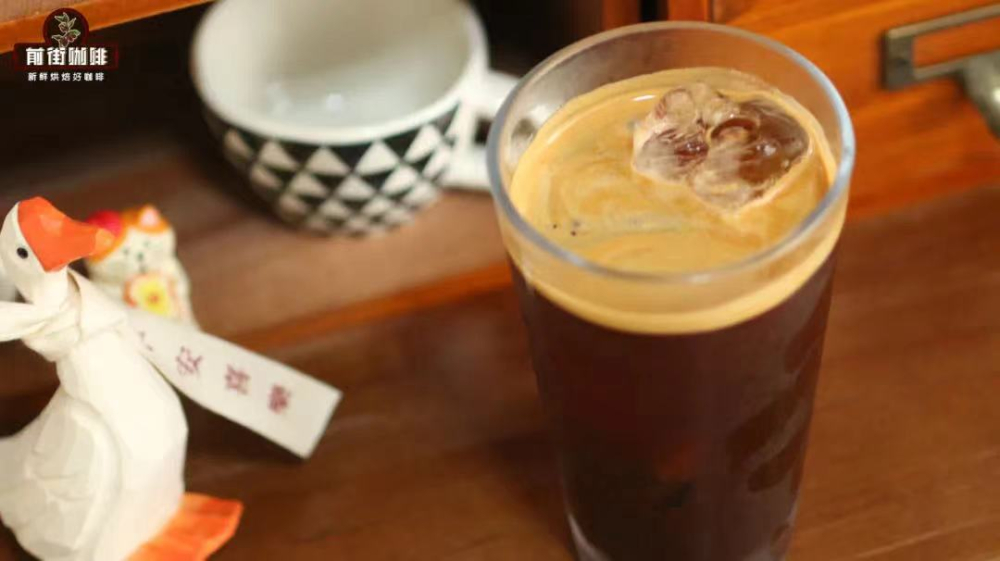
What is Americano?
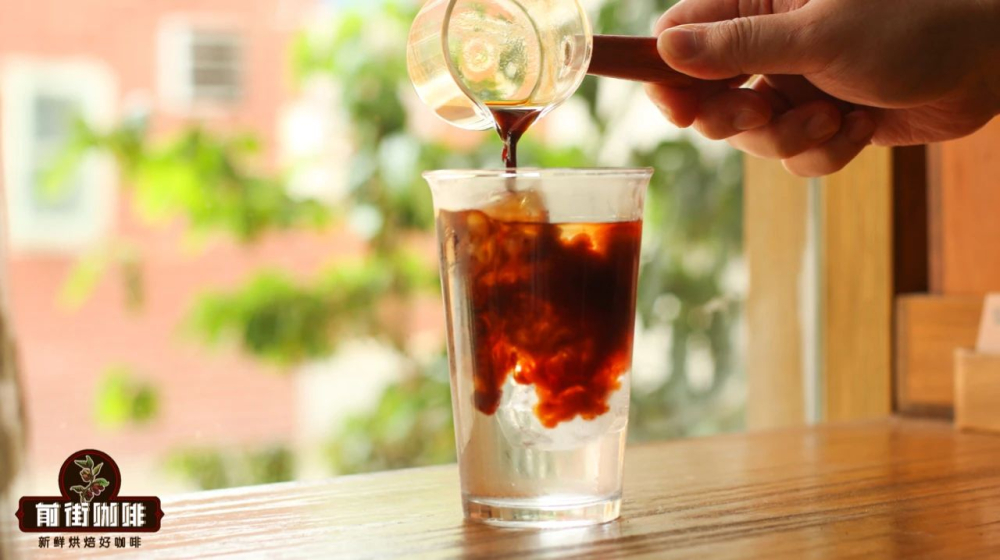
Americano is actually a coffee beverage made by diluting espresso with hot water in a certain proportion. This drink was introduced to Europe by American soldiers during World War II. As they were not accustomed to the intense taste of espresso, they added water to dilute it, which gradually evolved into what we now know as Americano. Despite the addition of a large amount of hot water, Americano still retains the aroma of espresso, and the overall flavor is smoother and more mellow.
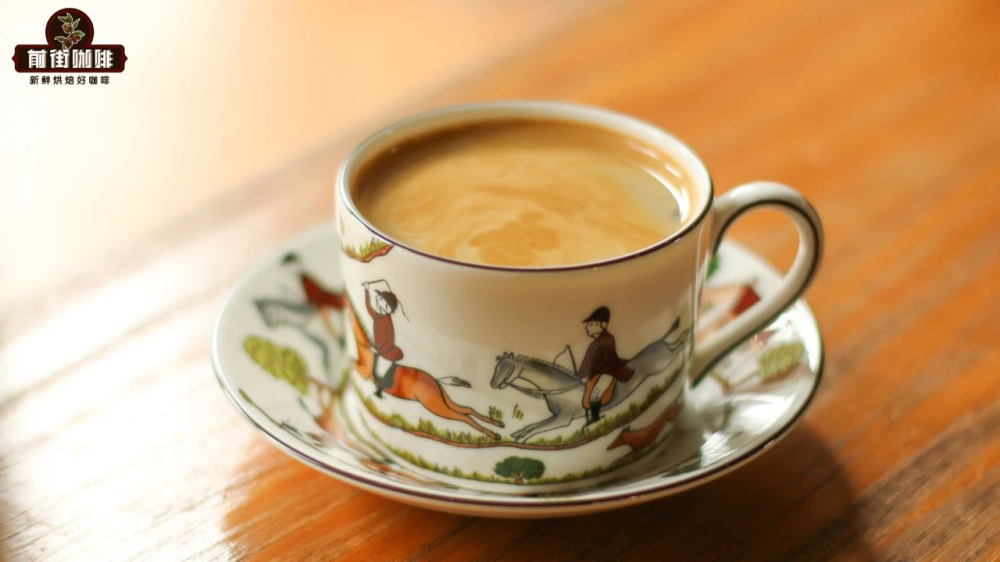
What is espresso coffee?
Simply put, any coffee made using an espresso machine can be broadly referred to as espresso coffee. These types of coffee are usually extracted under high pressure quickly and have a rich and layered taste.
What is Espresso (espresso)?
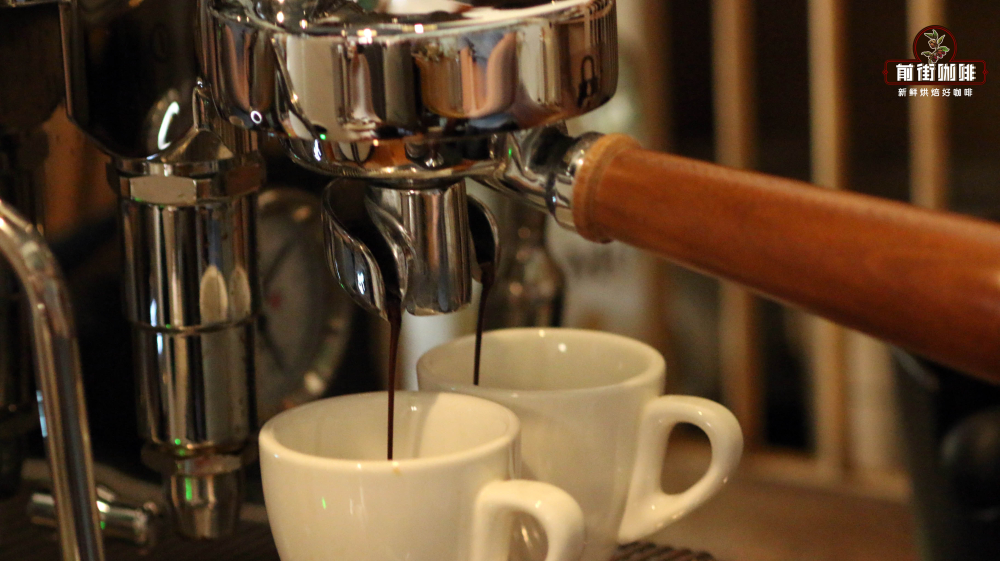
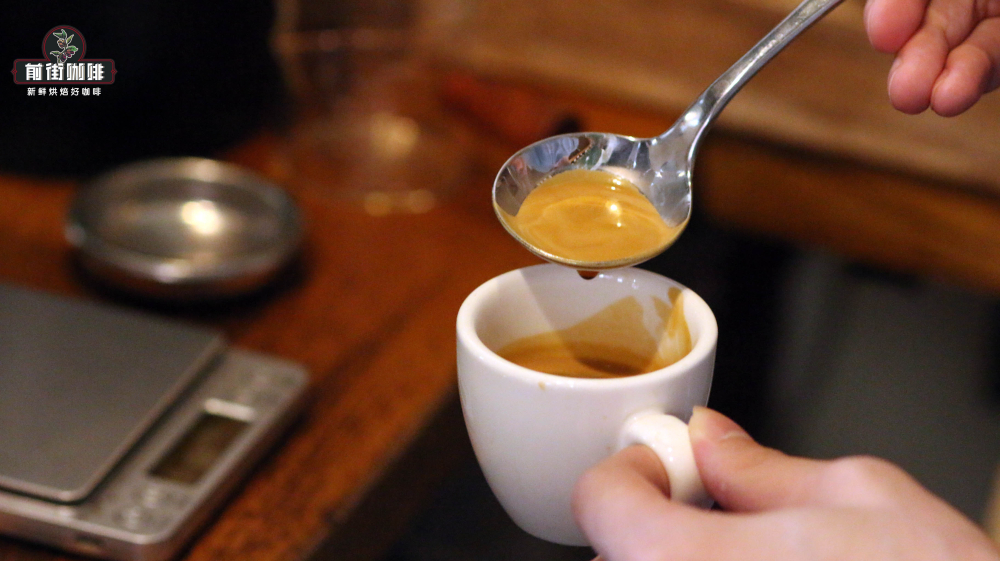
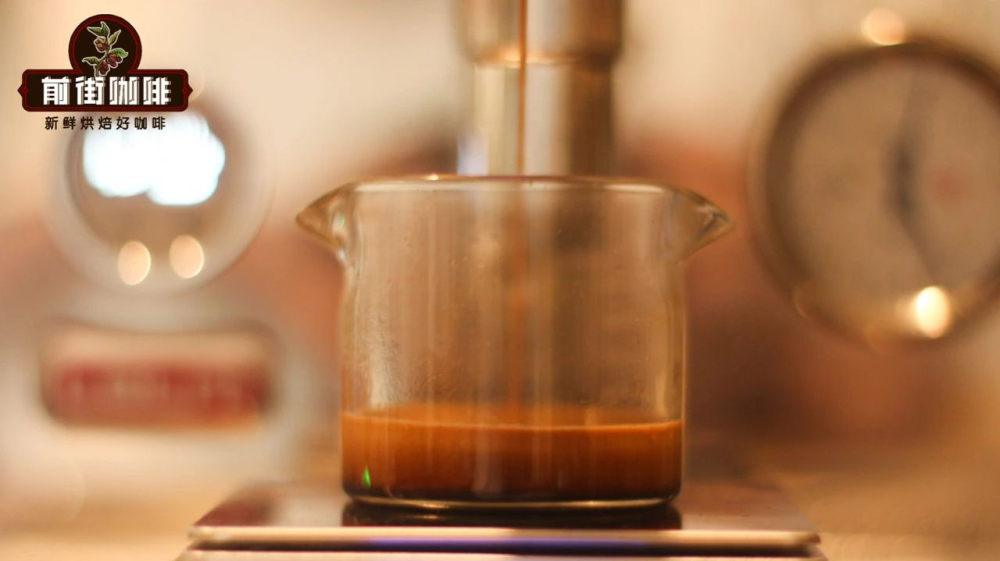
Espresso is a type of highly concentrated coffee made by forcing nearly boiling water through finely-ground coffee beans under approximately 9 BAR of high pressure in an extremely short time (usually 25–30 seconds). A standard shot of Espresso is about 30 ml, topped with a layer of golden to brownish fine crema. This crema, as we often call it, not only affects the appearance but also carries most of the aromatic compounds. During extraction, factors such as coffee dose, water temperature, pressure, grind size, time, and the ratio of coffee grounds to water significantly impact the final flavor.
Why is it recommended to drink ice water before having Espresso?
Drinking a sip of ice water before tasting Espresso can effectively cleanse your palate and reset your taste buds, allowing you to more acutely perceive the delicate flavors of the coffee. If there are residual food flavors in your mouth after a meal, they may also interfere with your judgment of the coffee’s aroma and layers.
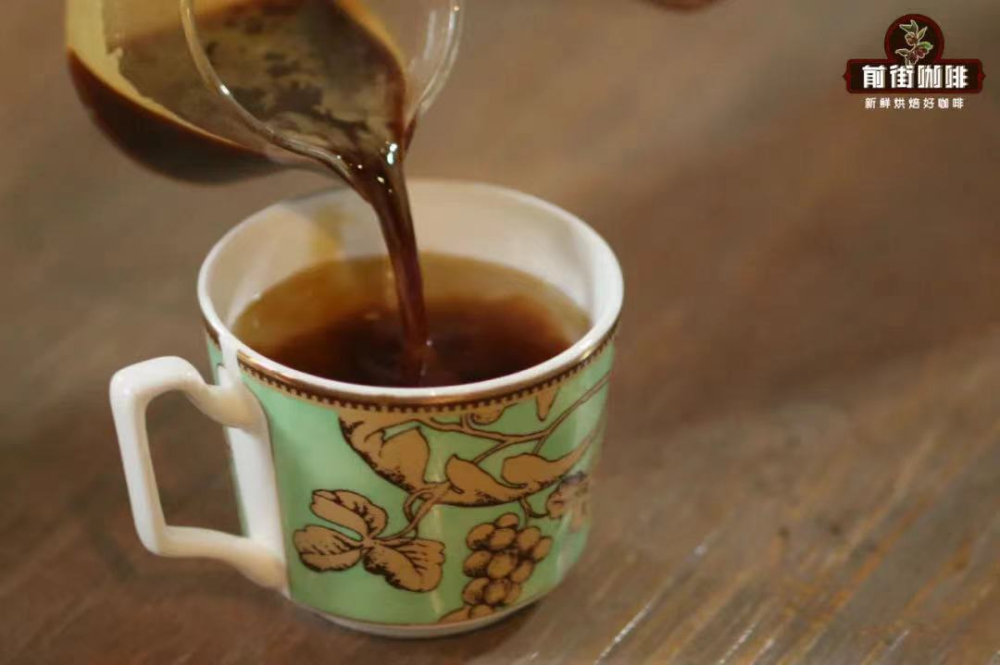
Can Espresso be sweetened with sugar?
Whether or not to add sugar depends on personal preference. However, from a professional standpoint, it is recommended to minimize the addition of sugar in order to appreciate the complex flavors of the coffee itself. In traditional Italian drinking styles, some people immediately add a spoonful of white sugar to the Espresso upon serving and stir it, making the overall taste rounder, reducing the sharp bitterness, and also bringing out a moderate fruity acidity. If you are new to coffee, it is recommended to try Espresso without sugar to experience its diverse flavors, such as fruity notes, caramel, wine-like aromas, and even subtle floral hints.
What is SOE (Single Origin Espresso)?
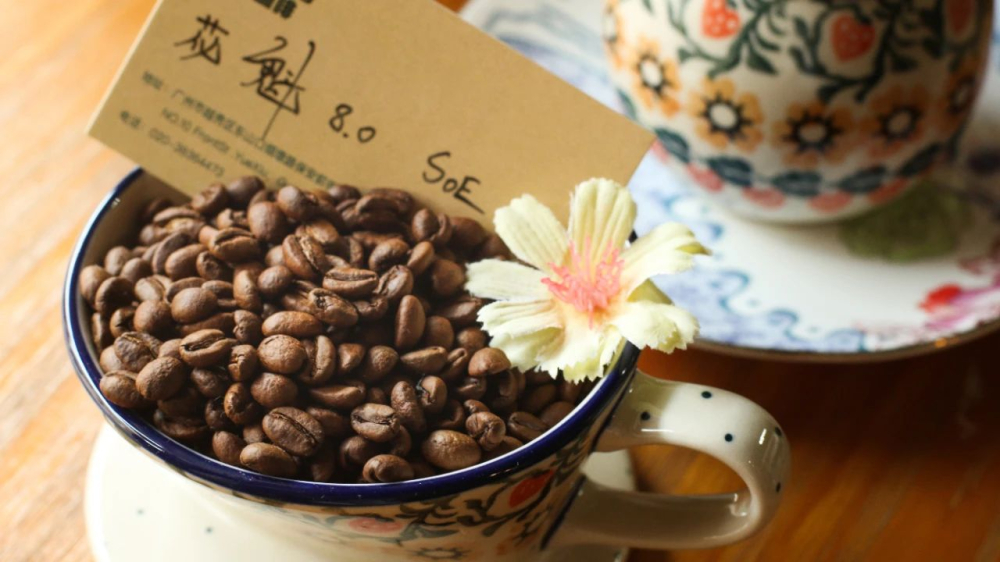
SOE, or Single Origin Espresso, refers to espresso made using coffee beans from a single origin. Compared to common blended coffees, SOE better highlights the terroir characteristics of a specific region, such as bright fruity acidity, unique spice notes, or distinctive floral tones. However, successfully roasting and extracting a high-quality SOE is not easy. Over-roasting may mask regional characteristics, while under-roasting can lead to fast flow rates and under-extraction due to high-pressure brewing, resulting in sourness and a thin taste.
What are the common types of espresso blends?
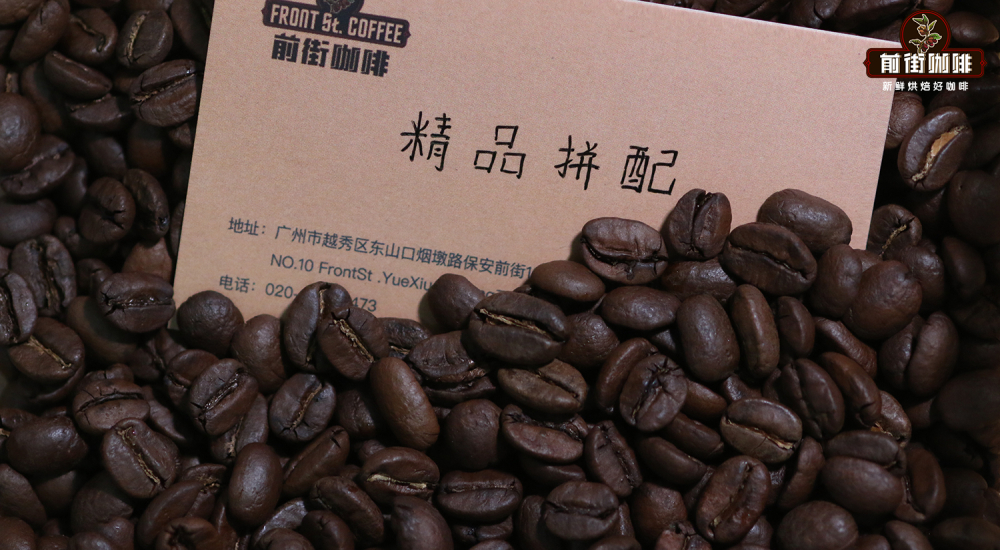
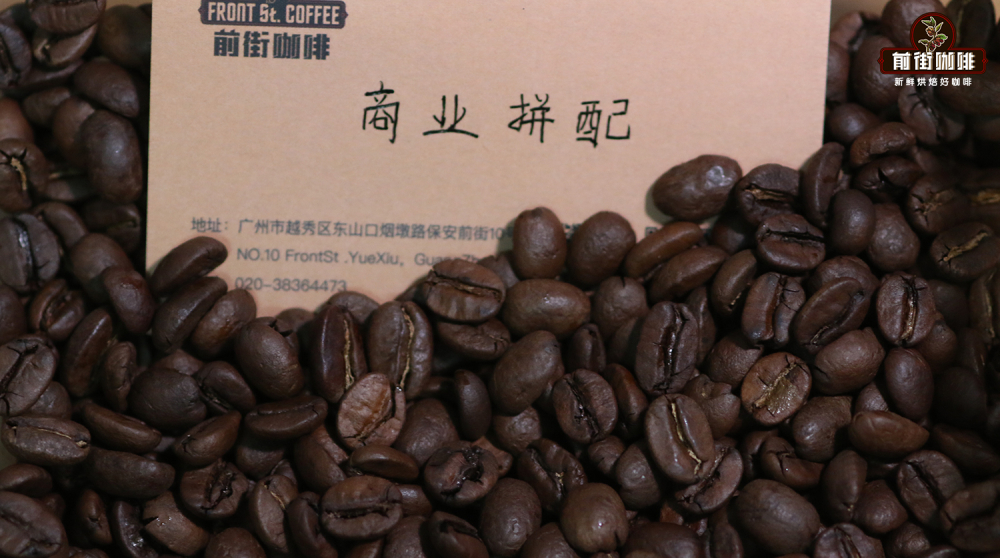
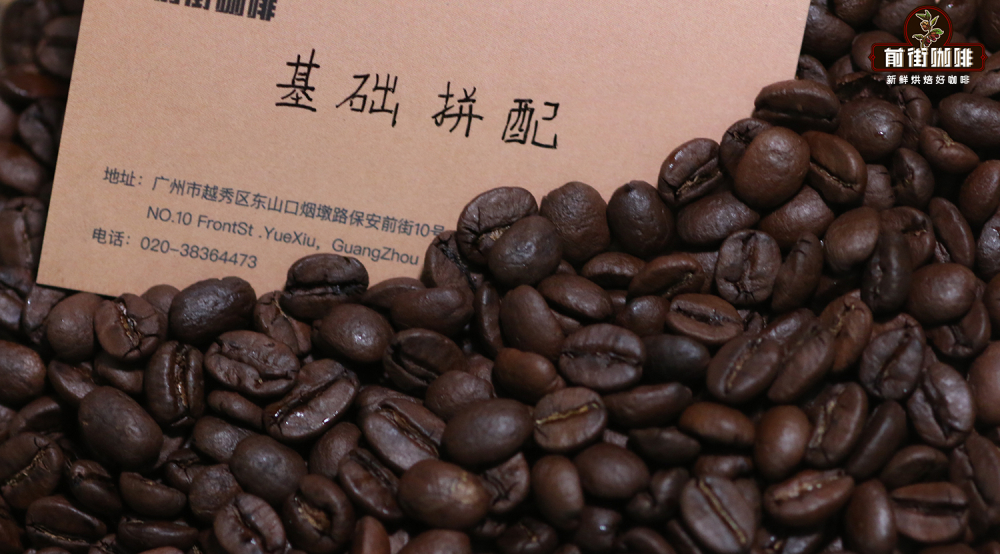
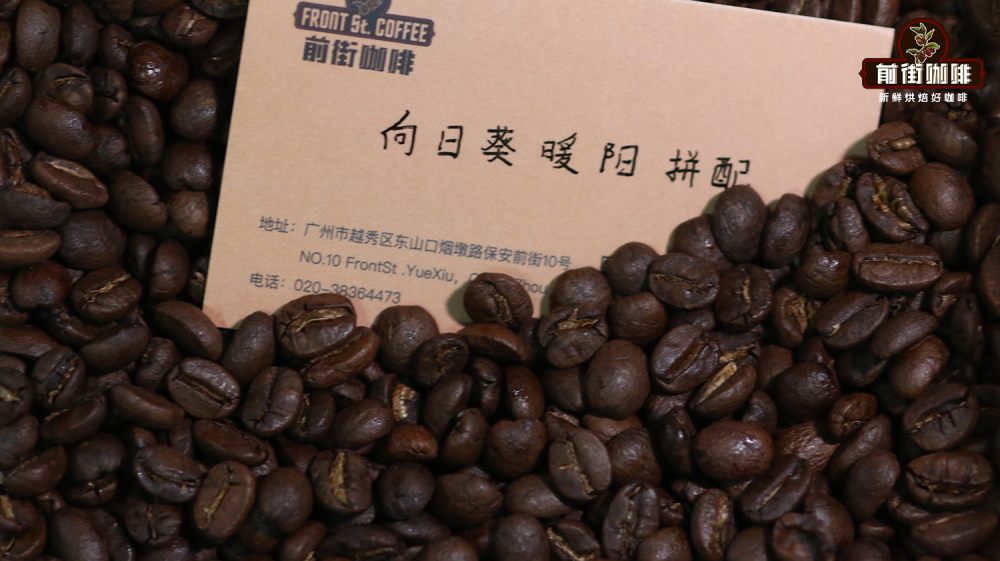
Commercially available espresso beans are mainly divided into two categories: Single Origin Espresso beans (SOE) and blended espresso beans. Blended coffee combines beans from different regions and varieties, carefully formulated based on flavor characteristics, aiming to achieve balance and a sense of layering in flavor. Below are several common types of blends:

1. Composed of 70% Brazilian beans and 30% Colombian beans, offering balanced acidity and bitterness, suitable for everyday drinking and café service.
2. A mix of 60% Brazilian, 30% Colombian, and 10% Robusta, delivering a bold flavor with nutty and chocolatey notes, ideal for those who prefer stronger tastes.
3. Blended with 60% Brazilian and 40% Yunnan beans, offering good value for money, suitable for users on a budget who still seek a balanced flavor.
4. Made up of 70% Honduran Sherry and 30% Yirgacheffe Red Cherry, highlighting wine-like and berry notes, perfect for consumers who enjoy rich layers of flavor.
Which is better tasting—espresso or Americano?
The answer varies from person to person, but in terms of flavor complexity, espresso (especially when using carefully blended beans) often showcases more intricate aromas and textures, such as berries, wine, chocolate, and caramel. Meanwhile, Americano is widely loved for its refreshing and low-intensity profile, making it suitable for daily consumption. If you’re just beginning to explore the world of coffee, it’s recommended to try both and find the one that best suits your taste buds.


The above content is compiled by CoffeeHunters, a coffee news website.


