







Introduction:Geisha coffee is renowned for its distinctive floral and fruity aromas and bright acidity, often found in high-priced auction lots. However, in the form of Single Origin Espresso (SOE), its charm can also be enjoyed at a more affordable price. This article delves into the flavor characteristics of Geisha SOE — from the fruit-layered complexity of Ethiopian natural Geisha to the suitability of medium-to-dark roasts that enhance caramel notes. It also details double-basket extraction parameters, as well as the proportions for americano and latte recipes, helping you master professional-level SOE brewing essentials.
Geisha (Geisha), hailed as the “geisha” of the coffee world, captivates with its delicate floral notes and pronounced citrus character, frequently scoring high in global specialty coffee competitions. This ancient variety originating from Ethiopia gained widespread recognition through Panama’s Hacienda La Esmeralda’s Red and Green Label offerings, but its premium pricing often deters consumers. For those wishing to experience the unique flavors of Geisha within a reasonable budget, Single Origin Espresso (SOE) is an ideal choice — especially the natural-processed beans from Ethiopia’s Granja La Esperanza farm. With a medium-light roast, they showcase a bright, sweet-tart profile of mango, dried apricot, and black tea; alternatively, a medium roast that enhances caramel notes also reveals the diverse potential of Geisha SOE.
 Geisha is an ancient native Ethiopian variety, and its name “geisha” is derived from Japanese cultural associations, emphasizing its exquisitely floral aroma profile. The classic Geisha from Panama’s Hacienda La Esmeralda is famed for its high-altitude cultivation and meticulous processing. The Red Label (Geisha 1500+ masl) exhibits clean layers of lemon, jasmine, and honey, while the Green Label (Geisha 1900+ masl) offers more pronounced peach and white wine acidity. Both are known for their high acidity and sweet balance, along with low astringency. However, these top-tier Geishas often exceed $100 per pound, making them better suited for occasional tasting rather than everyday drinking.
In contrast, the natural-processed Geisha from Ethiopia’s Granja La Esperanza farm provides a more cost-effective option. Under medium-light roast conditions, this SOE coffee bean releases tropical fruit notes — upfront are the sweet aromas of mango and dried apricot, which transition mid-palate to the soft acidity of black tea, with a lingering hint of guava freshness on the finish.Suitable for pour over (recommended water temperature 90–93°C, 1:15 coffee-to-water ratio), cold brew, or clever dripper extraction, it fully showcases the interplay of fruit and floral layers. For those who prefer espresso, the medium roast version, through extended roasting time, retains the dominant dried apricot flavor while adding a sweet foundation of caramel and toffee, better meeting the needs of SOE espresso applications.
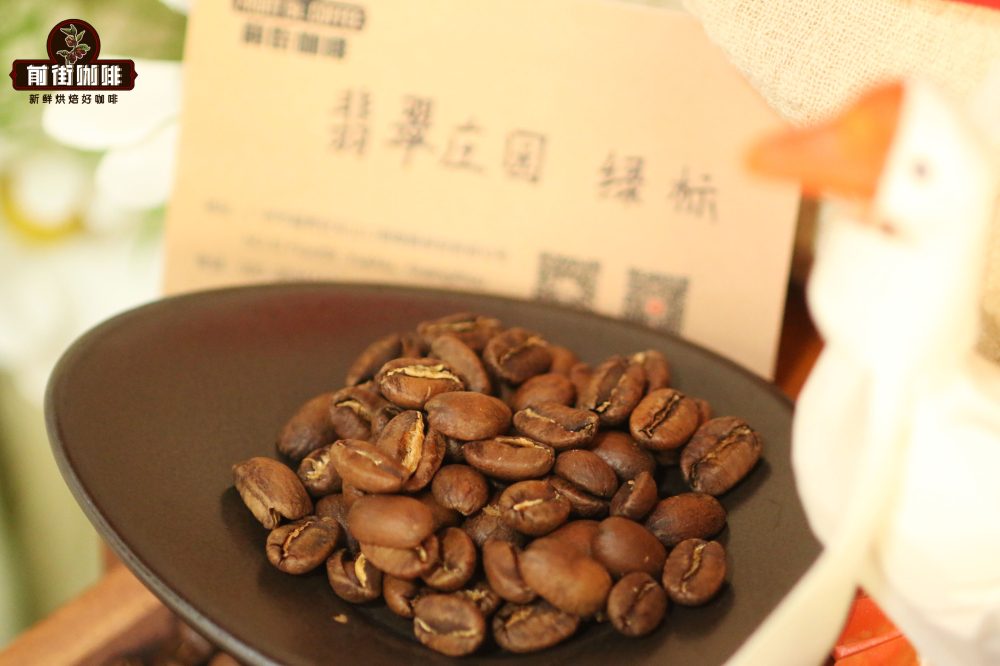 When brewing Geisha SOE espresso, it is recommended to use a double basket (approximately 20 grams capacity) and strictly control the parameters:Coffee dosage: 20 grams, coffee-to-water ratio: 1:2 (extracting 40 grams of coffee), total time: 25–30 seconds. Practical steps are as follows: First, clean any residual coffee grounds from the portafilter basket with a dry cloth. Start the grinder and adjust to a medium-fine grind setting (similar to the texture of fine sugar). Place the ground coffee into the basket, then use a distribution tool to evenly spread the grounds. Next, use a tamper to press down vertically, forming a compact coffee puck (with a pressure of about 30 pounds). During the pre-infusion phase, turn on the extraction switch for 1–2 seconds to rinse the group head and flush out old residue. Then reset the scale to zero, place the cup underneath, attach the portafilter, and begin the formal extraction.
Observe the extraction process with attention to flow stability — the ideal state is the even release of golden crema without noticeable channeling (localized overly fast flow). When the accumulated coffee liquid reaches 40 grams and the time is around 28 seconds, immediately stop the extraction to avoid over-extraction bitterness. The resulting Geisha SOE espresso should exhibit bright citrus acidity, clear floral and fruity aromas, and a well-balanced sweetness.
The above content is compiled by CoffeeHunters, a coffee news website.


