







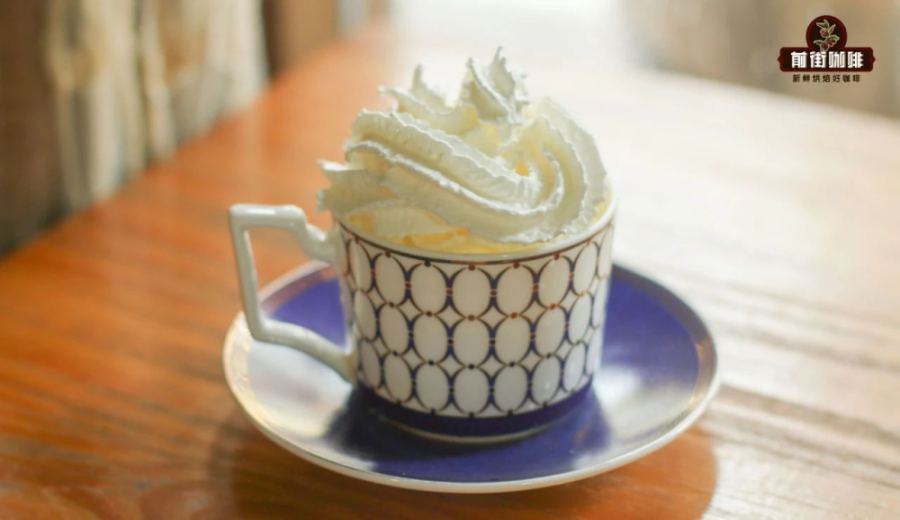
Introduction:White mocha and mocha may appear similar at first glance, but they differ significantly in chocolate type, flavor profile, and calorie content. This article delves into the ingredient composition, preparation process, taste characteristics, and calorie comparison of the two. Whether you prefer the bold richness of dark chocolate or the sweet creaminess of white chocolate, you’ll gain key blending knowledge to find your ideal coffee choice.
White mocha and mocha may share similar names, but their actual formulations and taste experiences are vastly different. The most obvious difference lies in the chocolate component: mocha uses traditional dark chocolate or chocolate syrup, while white mocha replaces it with white chocolate syrup, resulting in a distinctly different level of sweetness and texture. Additionally, there is a notable disparity in calorie content between the two, especially when whole milk is used—white mocha often has higher calories, earning it the title of “calorie champion” among many coffee drinks.
The hallmark of white mocha is its sweet yet non-cloying taste. White chocolate naturally carries a milky aroma and gentle sweetness, which blends harmoniously with the boldness of espresso and the smoothness of fresh milk, creating a layered yet velvety flavor. Typically, the drink is prepared by adding espresso and white chocolate syrup to the cup first, then slowly pouring in steamed milk, and finishing with a dollop of whipped cream topped with fine chocolate shavings—a treat for both the eyes and the palate.
As for mocha coffee, it is essentially a variation of the classic Italian latte. Its basic composition consists of one-third espresso and two-thirds hot milk, with an additional small amount of chocolate element. The chocolate is usually incorporated in the form of syrup, though some shops opt for instant chocolate powder as an alternative. Occasionally, to enhance texture and visual appeal, mochas are topped with whipped cream, cocoa powder, or even marshmallows, presenting a rich and enticing overall appearance.
It’s worth noting that mocha differs markedly from cappuccino. Mochas typically lack thick milk foam, instead combining smooth microfoam with whipped cream, sometimes accented with cinnamon or cocoa powder. Some shops even use hazelnut powder for decoration, further elevating the flavor complexity. When categorized by chocolate type, there are also creative variations that blend dark and white chocolate syrups—these combinations are sometimes playfully referred to as “zebra mocha” or “tuxedo mocha.”
Regarding the origin of the name, “mocha” derives from the port of Mocha on the Red Sea coast of Yemen. As early as the 15th century, this location was a pivotal hub for coffee trade, playing a crucial role in exporting coffee to the Middle East. Additionally, “mocha” also refers to a variety of Yemeni coffee beans with a chocolate-like coloration—its visual characteristics evoke the fusion of coffee and chocolate, indirectly contributing to the creation of chocolate-flavored coffee beverages. In some parts of Europe, mocaccino (Moccaccino) refers to a latte variant with added cocoa or chocolate, while in the United States, the term is often used to describe a cappuccino with added chocolate.
In practical preparation, mocha can be divided into hot and iced versions based on temperature preference. A hot mocha is typically made by mixing 1 ounce of chocolate sauce with 30 ml of espresso directly in the cup, stirring well, then pouring in hot milk to about three-quarters full, and finishing with a squirt of whipped cream and a sprinkle of chocolate powder or shavings. For an iced mocha, the chocolate sauce and espresso are mixed first, then combined with ice and cold milk, also finished with whipped cream and chocolate decoration. It’s important to note that the step of mixing chocolate sauce and espresso is critical—if not blended evenly, it can lead to sedimentation, negatively affecting the overall flavor.
From a calorie perspective, both mocha and white mocha are considered high-calorie beverages. A large cup (approximately 454 ml) of mocha made with whole milk can contain up to 370 calories; when made with the sweeter white chocolate syrup, white mocha’s calorie count can soar to 520 calories, surpassing many common dessert drinks. For consumers watching their calorie intake, it’s recommended to reduce the amount of chocolate syrup or switch to low-fat or skim milk to effectively lower the overall calorie load while still enjoying the unique fusion of coffee and chocolate flavors.
The above content is compiled by CoffeeHunters, a coffee news website.


