







Introduction:Jamaica Blue Mountain No.1 is hailed as one of the world’s top-tier coffees, but its high price and rarity often spark curiosity about the reasons behind it. This article delves into the CIB official grading system for Blue Mountain coffee, the impact of Japan’s historical quota in the market, and the differences between genuine Blue Mountain beans and common blended products on the market. It also provides recommended pour over parameters and brewing steps for No.1 Blue Mountain from a well-known coffee shop, helping you better understand the unique flavors of this classic coffee and the correct way to enjoy it.
Blue Mountain coffee has long been regarded as the pinnacle of specialty coffee, with its high price and rarity leaving a deep impression. When many people first hear about Blue Mountain, their first impression is often “expensive,” rather than any specific flavor. This article will focus on the authentic “Jamaica Blue Mountain No.1,” analyzing in detail its grading standards, the origins of its pricing, and how to correctly brew its classic flavors, allowing you to deeply appreciate the charm of this top-tier coffee.
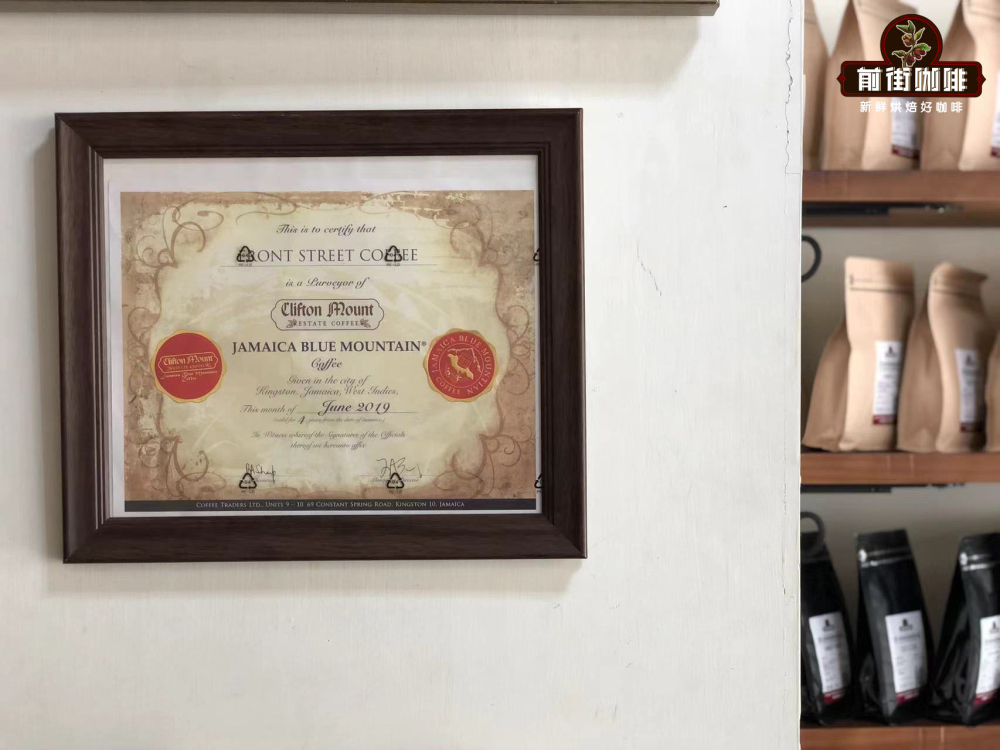
When it comes to Jamaica Blue Mountain, many people’s first reaction is its high price. In fact, there are many blends on the market that claim to have a “Blue Mountain flavor,” but they are actually made from beans from other regions, using darker roasts to mimic the taste of Blue Mountain. Although these products are labeled as “Blue Mountain,” they have nothing to do with coffee actually grown in the Blue Mountains. Authentic Blue Mountain coffee can only be called such if it is grown within the designated areas of the Jamaica Blue Mountain range and graded strictly by the CIB (Coffee Industry Board), and is of the Typica variety.
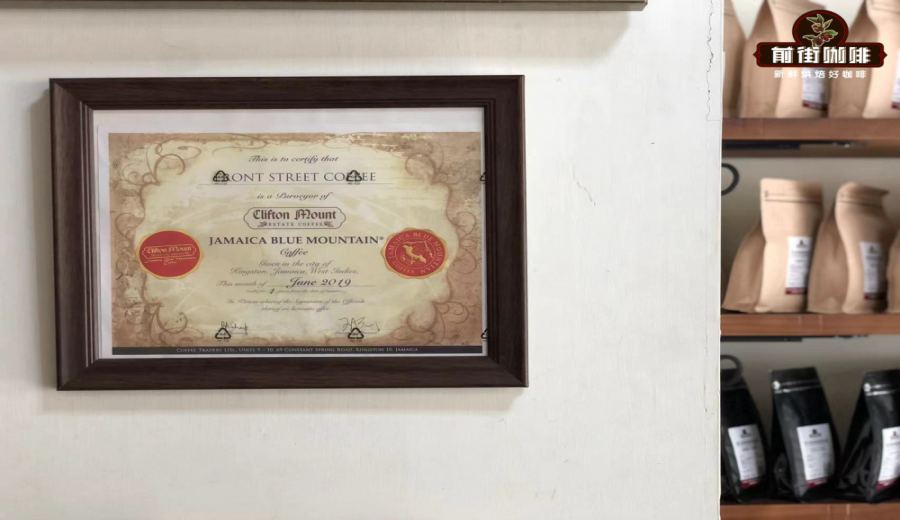
A well-known coffee shop sells Jamaica Blue Mountain No.1 coffee beans at 198 yuan per 100 grams, using washed beans from the Clifton Estate in Jamaica. This price is already reasonable in the current market, especially considering the limitations of its origin and historical background. Before the millennium, enjoying a cup of pure Blue Mountain black coffee domestically often cost tens or even hundreds of yuan, and there was a high chance of purchasing a counterfeit product. As the Jamaican government gradually relaxed quotas, trying authentic Blue Mountain has become relatively easier today, but truly high-quality No.1 Blue Mountain remains rare.
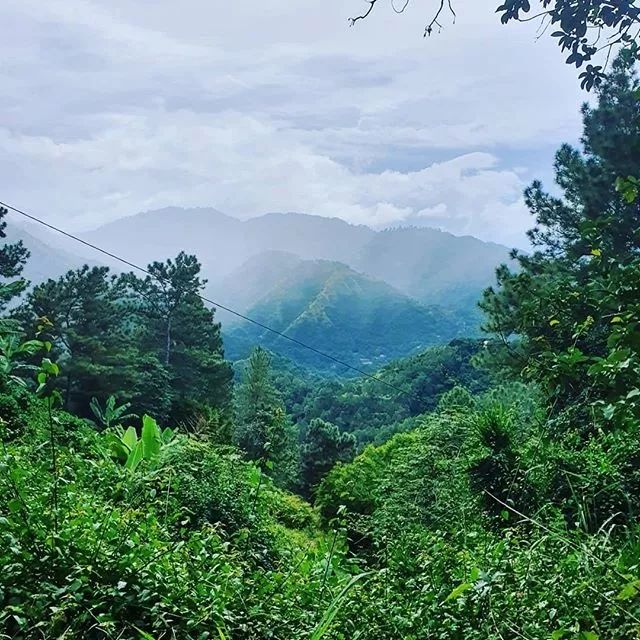
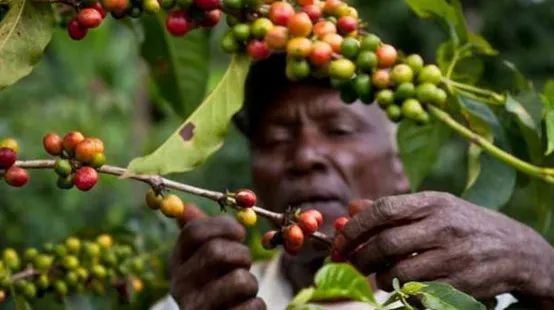
The rarity of Blue Mountain coffee is inseparable from its growing environment. The Blue Mountain range is surrounded by the Caribbean Sea, creating a unique island-type tropical rainforest climate with moderate rainfall, good drainage, and fertile volcanic soil. This environment means coffee trees require little artificial irrigation or fertilization. The region’s elevation ranges from 910 to 1700 meters, with a cool and foggy climate, particularly suitable for growing the delicate Typica variety. The main producing areas of Blue Mountain coffee include Saint Andrew, Saint Mary, Saint Thomas, and Portland—these areas together account for only about one-third of the total Blue Mountain planting area, roughly 6,000 hectares.
The CIB grades Blue Mountain coffee based on multiple strict criteria, including bean size, appearance uniformity, defect rate, moisture content, and cupping performance. Among these, the top-grade “Blue Mountain No.1” must meet criteria such as a green bean size of 17 mesh or above, a defect rate below 3%, a moisture content of around 13%, and exhibit rich aroma, balanced flavor, low acidity, and a lingering aftertaste in cupping. Only beans that meet these standards can be classified as the highest grade of Blue Mountain No.1. In addition, due to the rugged terrain of high-altitude regions, harvesting is difficult, and the annual production of Blue Mountain coffee is very low, at only about 900 tons, accounting for less than 15% of Jamaica’s total coffee output.
Interestingly, the Japanese market has played a key role in the history of Blue Mountain coffee. In 1969, Jamaica was hit hard by a hurricane, and the coffee industry was in jeopardy. At that time, Japan’s UCC provided financial and technical support, introducing advanced cultivation and management methods. In return, the Jamaican government signed a 30-year agreement with Japan, reserving 90% of the annual Blue Mountain coffee production quota for the Japanese market, with the remaining 10% allocated to other regions such as Europe and the United States. During this period, Japan not only successfully stabilized the absorption of this batch of Blue Mountain beans, but also promoted Blue Mountain’s fame through marketing, influencing consumers in places like Singapore, Hong Kong, Taiwan, and South Korea. It was not until after the 2008 global financial crisis, with the expiration of the agreement and the rise of the Chinese market, that Blue Mountain coffee gradually flowed into more countries, and its price was adjusted accordingly.
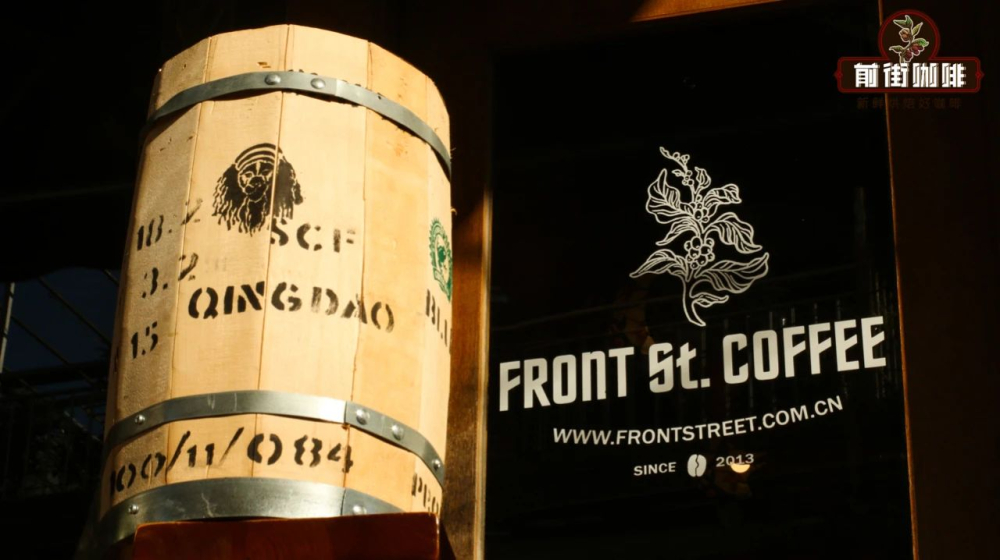
To maintain the high quality and freshness of Blue Mountain coffee, Jamaica still insists on using traditional hand-carried wooden barrels to transport green beans, which is not only a cultural symbol but also helps prevent the beans from becoming damp or deteriorating during transport. A well-known coffee shop adopts a medium-dark roast strategy when roasting Blue Mountain No.1, aiming to preserve the distinctive chocolate and nutty aromas of Blue Mountain coffee, while bringing out a gentle acidity and natural sweetness, resulting in an overall balanced and mellow flavor.
As for how to brew the best-flavored Blue Mountain No.1 at home, here are the actual extraction recommendations from a branch of a well-known coffee shop: First, make sure to use freshly roasted beans within 5 days of roasting to achieve the most complete aroma and flavor expression. It is recommended to use a KONO filter, with a grind size passing through a standard 20-mesh sieve at 75% (approximately scale 10.5 on the EK43s), and set the coffee-to-water ratio at 1:15, with water temperature controlled at 88°C.
The specific steps are as follows: Pre-wet the filter and attach it tightly to the dripper, then add 15 grams of Blue Mountain No.1 coffee grounds, and perform a gentle bloom for 30 seconds (using 30 grams of water). Next, pour water in small streams in a circular motion from the center outward until the water level reaches 125 grams for the first pour; once the coffee bed descends to the middle of the dripper, continue pouring until the total reaches 225 grams, then let it drip through completely before removing the dripper. This method helps fully extract the rich body and delicate flavor layers of Blue Mountain coffee.
The final brewed Blue Mountain No.1 coffee will present a rich, mellow aroma of dark chocolate, a gentle caramel sweetness, and a subtle yet refined acidity, with a smooth mouthfeel and distinct layers—it is a classic choice for experiencing the true flavors of Blue Mountain.
The above content is compiled by CoffeeHunters, a coffee news website.


