








Introduction:Want to enjoy professional-grade espresso at the office? This article takes you from zero to hero, guiding you through the entire process of making espresso — including portafilter cleaning, dosing, distributing, tamping, and extraction techniques — and provides recommended standard parameters. It also recommends several stable and easy-to-extract medium-to-dark roast blends tailored for office environments, helping you choose the right beans for daily use.
As people’s expectations for coffee quality continue to rise, more and more offices are moving beyond instant coffee or simple brewing methods by introducing espresso machines, allowing employees to enjoy a variety of coffee drinks akin to those in cafés. Espresso machines can produce popular beverages such as Americano, latte, cappuccino, and flat white, making them a popular choice for office coffee solutions.
This article will detail the complete process of making espresso, from preparation to actual extraction, breaking down each operational step — including portafilter cleaning, accurate dosing, even distribution, proper tamping, and correct extraction techniques. It also offers practical extraction parameter suggestions, such as using 20 grams of coffee grounds to extract 40 grams of espresso within approximately 30 seconds, making it easy for beginners to get started.

In the past, many people’s impression of coffee might have been limited to instant coffee or bitter, burnt flavors. However, coffee brewing technology has advanced significantly, not only offering more complex flavor profiles but also becoming more affordable. Whether at home or in the office, enjoying a good cup of coffee is now easier than ever.
Among various coffee tools, espresso machines are widely loved for their ability to make a variety of coffee drinks. They not only produce espresso as a base but can also be customized with hot water, milk, or sugar to create different flavors — for example, adding hot water makes an Americano, while steamed milk creates lattes or cappuccinos.
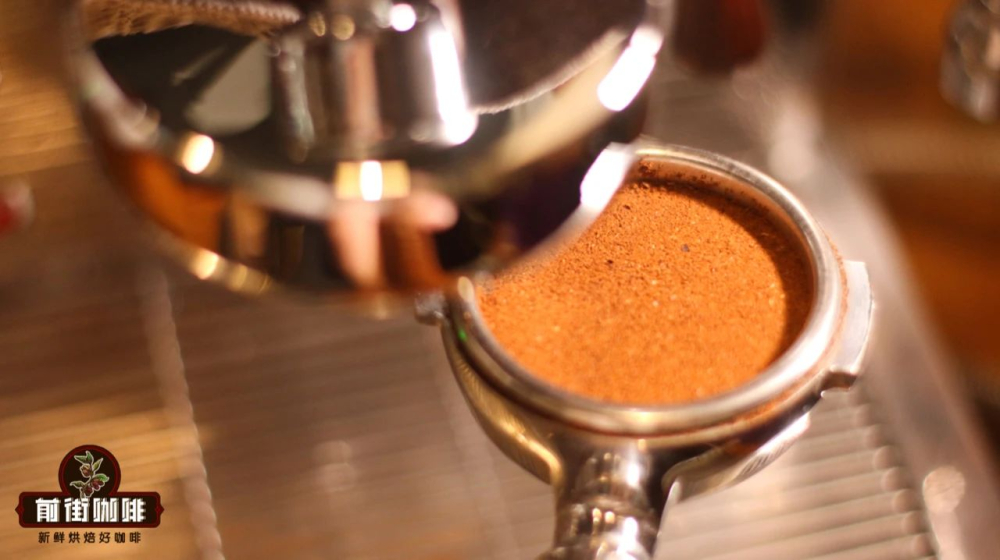
Many coffee beginners find espresso machines intimidating, but mastering just a few basic steps allows you to consistently produce good-quality espresso. Here is the standard espresso-making process: First, ensure the portafilter is dry and free of residual moisture — this is the first step in avoiding channeling and uneven extraction. Next, use an electronic scale to accurately weigh about 20 grams of coffee grounds, aiming to keep the weight error within ±0.1 gram to ensure proper proportions. Then distribute the coffee grounds evenly in the portafilter to avoid clumping. Immediately after, apply appropriate pressure (usually around 30 pounds) to tamp the grounds, ensuring stable water flow during extraction. Next, securely attach the portafilter to the machine’s group head in preparation for extraction. After pressing the extraction button, monitor the process — aim for an extraction time of around 30 seconds, yielding about 40 grams of espresso. Finally, remove the portafilter and immediately clean the group head to prevent residue from affecting the flavor of the next shot.

By following the above steps and parameters, you can make a basic espresso. To create other drinks, simply modify the espresso base — for example, add hot water to make an Americano, or mix with steamed milk to prepare a latte or cappuccino.
In an office environment, to ensure stable extraction and balanced flavor, it is recommended to choose medium-to-dark roast espresso blends. These beans typically offer better crema performance and deliver a smoother, more balanced taste, reducing the likelihood of excessive acidity or bitterness.
If you prefer a rich yet not overly bitter espresso with lower acidity, consider choosing a medium-to-dark roast blend. These beans often bring out notes of chocolate, nuts, and caramel, making them ideal for everyday office consumption.
For example, a blend with a dark chocolate flavor base often features gentle fruit acidity, pronounced caramel sweetness, and lingering notes of nuts and dark chocolate. It has a smooth and intense mouthfeel, along with a relatively friendly price, making it highly suitable for daily use at the office or home. Such blends are usually a great value option for those new to espresso.
Additionally, some blends combine beans from multiple regions — such as Costa Rica, Colombia, and Ethiopia — processed through various methods like natural, washed, and honey. These beans offer diverse flavor layers. When brewed as espresso, they often exhibit complex aromas of rose, grape, orange, cream, and almond. When used for milk-based drinks — such as a strawberry syrup latte — they can highlight creamy and strawberry shortcake notes, making them especially suitable for summer enjoyment.
If you’re aiming for café-like flavor profiles, it is recommended to choose blends based on classic Brazilian and Colombian beans, with a small proportion of Robusta. This combination delivers strong nutty notes such as almond, hazelnut, and walnut, along with good crema and low acidity. It is suitable for high-volume production and commercial use, offers good value, and is a common choice in many offices and cafés.
The above content is compiled by CoffeeHunters, a coffee news website.


