








Introduction:Whether you’re opening a coffee shop or brewing espresso at home, choosing the right blend is key to success. This article starts with how to judge bean freshness, explains why espresso works best with blends, and details five popular espresso blends on the market in 2025. These include classic dark roasts, fruity-toned profiles, nutty flavors, commercial-grade options, and beginner-friendly choices. We break down each blend’s origin combination, roast level, and actual flavor performance to help you find the most suitable espresso beans for your needs.
Whether you want to brew an authentic cup of espresso at home or are planning to open a coffee shop, choosing the right coffee beans is absolutely the first step. Especially for espresso, its rich flavor and layered crema are closely tied to your choice of beans. This article will start by exploring how to determine coffee bean freshness, then delve into why espresso is better suited to blends. We’ll recommend five well-received espresso blends in 2025, ranging from rich and bold classic choices, to innovative fruity-toned flavors, as well as commercial-grade and budget-friendly beginner options. We’ll analyze in detail each bean’s origin, roast level, and actual extraction performance to help you efficiently choose the most suitable coffee beans.
Many people’s first encounter with coffee is often through a latte or americano—the very drinks whose core is espresso. That’s why many often ask: do you have to use dark roasted beans for espresso? And if you’re brewing at home, how do you pick the right beans? In fact, before selecting beans, the most important step is to confirm whether they are fresh.
There are two simple ways to judge coffee bean freshness: First, check the roast date on the packaging. Beans roasted within five days offer the most vibrant flavors; if it’s close to a month, it’s best to use them soon. Second, observe during actual extraction. A freshly brewed espresso should have a thick, dark brown crema. If the crema is thin or pale yellow, it’s likely no longer fresh. It’s especially important to note that after fifty days post-roast, a coffee’s aroma significantly declines, and it may even develop off-flavors reminiscent of wood—no matter how high the original quality, it will struggle to perform as it should.

Blended coffee beans are a coffee bean combination specifically designed for espresso, typically made by blending two or more single-origin beans in specific proportions. This approach combines the characteristics of beans from different regions—for example, mixing beans with prominent aromas and those with rich body to complement each other, creating a more balanced and layered flavor profile. Blends usually select beans from various origins, aiming to deliver a consistent taste and harmonious flavor experience.
Next, we’ll introduce five popular espresso blends in 2025, each tailored to different needs and flavor preferences, with detailed breakdowns.
The first is a classic espresso blend, combining Brazilian Red Bourbon, Indonesian Mandheling, and Vietnamese Robusta, roasted dark. It fully showcases a rich and bold aroma while easily extracting a thick and creamy crema. Whether making an americano with added water or a latte with milk, it delivers a stable and full-bodied taste. This blend is ideal for those seeking traditional espresso flavors, especially excelling when used in large quantities at cafés.
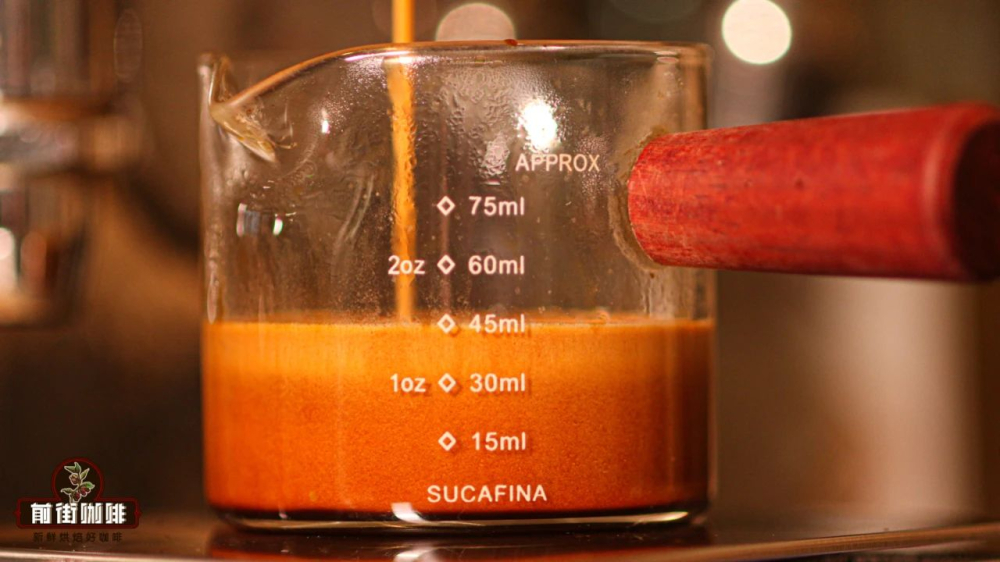
If you prefer an espresso with fruity floral notes, the Strawberry Candy blend is a great choice. Based on medium roast, this coffee mainly uses Costa Rican Tarrazu and Ethiopian honey-processed beans, along with some Colombian beans. When brewed, it has not only gentle acidity but also a refreshing sweetness reminiscent of strawberry taffy. The crema is delicate, suiting users who enjoy a clean and fruity profile. This blend maintains good extraction performance even at medium roast, making it suitable for home or small shop use.
The third is a nutty-toned premium espresso blend, combining beans from Brazil and Colombia. Brazilian beans bring distinct nutty aromas and a balanced acidity-to-sweetness ratio, while Colombian beans add notes of chocolate and subtle caramel. Together, they produce an espresso with complex flavors of butter cookies, roasted nuts, and dark cocoa—perfect for coffee lovers who enjoy warm, rich tastes.
For those preparing to open a coffee shop, the Commercial Espresso Blend is a cost-effective option. This blend consists of Brazilian, Colombian, and Vietnamese beans, roasted medium-dark, producing rich crema and pronounced roasty aromas. It’s ideal for mass-producing americanos and lattes. The americano has a mellow and smooth flavor, while the latte is rich and velvety. It’s a staple blend used daily by many cafés, offering great value and consistent performance.
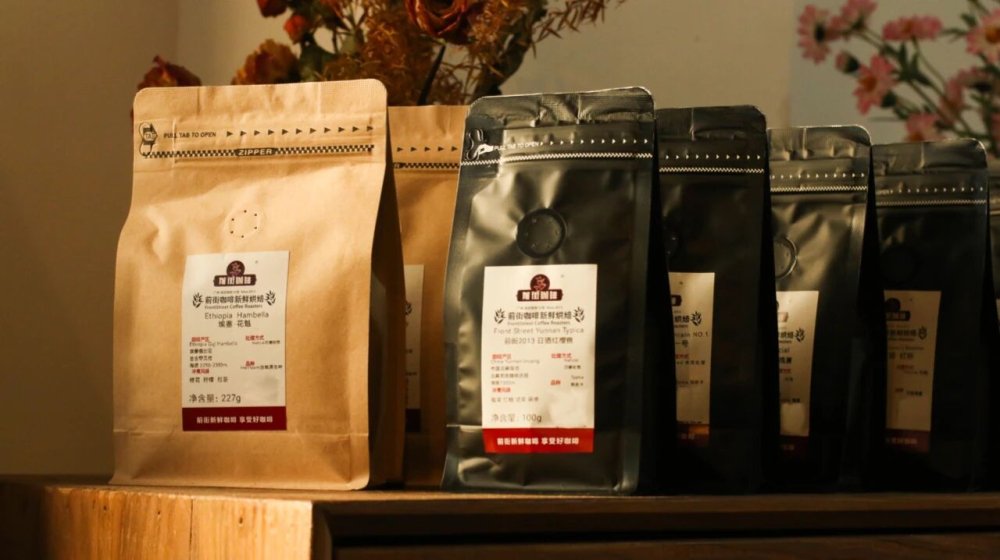
Finally, for beginners or users on a budget, the Basic Espresso Blend offers an entry-level choice. This bean has a milder flavor, featuring soft fruit acidity, caramel sweetness, and delicate notes of nuts and dark chocolate. It has a smooth texture and moderate body, suitable for daily home use and meeting the basic needs of general cafés, with excellent cost-performance.
In summary, choosing the right espresso blend involves not just considering roast level and origin combination, but also paying attention to bean freshness and actual extraction performance. By understanding these five blends of different styles, you can find the most suitable espresso beans based on your taste preferences, usage scenario, and budget—whether for opening a shop or brewing at home, you can easily make a satisfying cup of espresso.
The above content is compiled by CoffeeHunters, a coffee news website.


