







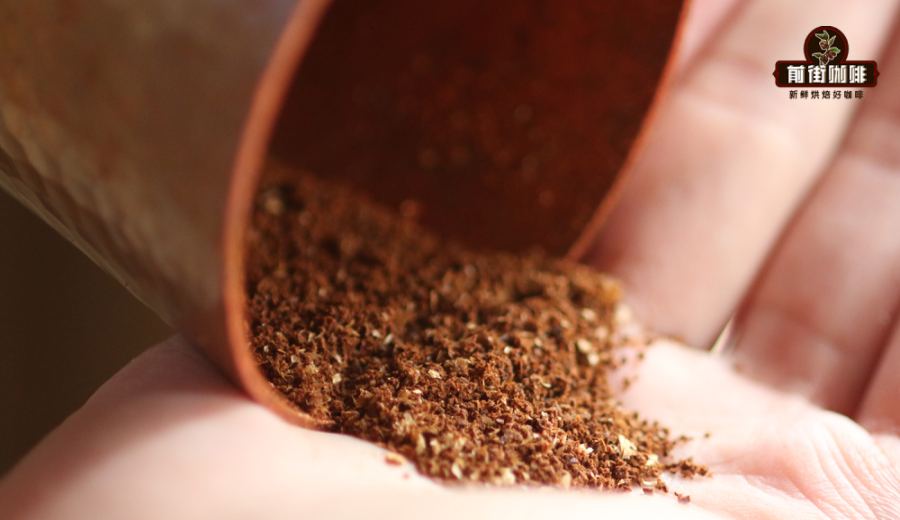
Introduction:A grinder is not only a foundational tool in coffee preparation but also a key factor influencing flavor expression. This article delves into the differences between hand-cranked and electric grinders, offering practical purchasing guidance tailored to various user scenarios—students, office workers, and advanced enthusiasts—based on budget and use case. It also breaks down hand grinder performance by price range, supplemented with electric grinder recommendations, helping you make an informed decision.
Grinding coffee beans is the most basic yet most critical step in the entire brewing process. Once coffee grounds are exposed to air, oxidation reactions begin immediately, causing aroma and flavor compounds to gradually dissipate. Therefore, for optimal extraction, it’s recommended to grind just before brewing. Although grinders are often not the most eye-catching equipment, their precision and efficiency directly determine the final cup’s quality.
Searching for “grinder” on major e-commerce platforms reveals astonishing price ranges—from entry-level models costing just tens of yuan to professional-grade machines priced as high as tens of thousands, with price differences exceeding thirty thousand times. Such extreme variation often leaves consumers at a loss, unsure how to choose the right equipment based on their needs. This article takes a practical approach, drawing on years of hands-on experience to analyze the characteristics of manual and electric grinders, helping readers find the best fit for them.
First, let’s examine the main differences between manual and electric grinders. Generally speaking, electric grinders outperform in grinding accuracy, stability, and ease of use, especially in higher-priced models where their performance and durability almost completely surpass manual options. However, within the same budget range, manual grinders often offer better cost-effectiveness, particularly in terms of flexibility and portability, making them more suitable for specific usage scenarios.
For different user groups, we offer the following suggestions: If you’re a student, dorm resident, on a limited budget (suggested under 1000 yuan), a beginner in pour over coffee, occasionally enjoy chain store coffee but want to improve your home brewing quality, or someone who frequently exercises, hikes, or travels, it’s advisable to prioritize a manual grinder and consider upgrading to an electric one later as needed. If you’re aiming for an all-in-one solution, have ample home space, brew in a fixed location, desire quick and stable grinding, and have an unlimited budget, then going straight for a high-end electric grinder is the more suitable choice. For gear enthusiasts who love collecting and pursuing the ultimate coffee experience, it’s worth considering both options and using them flexibly according to different situations.
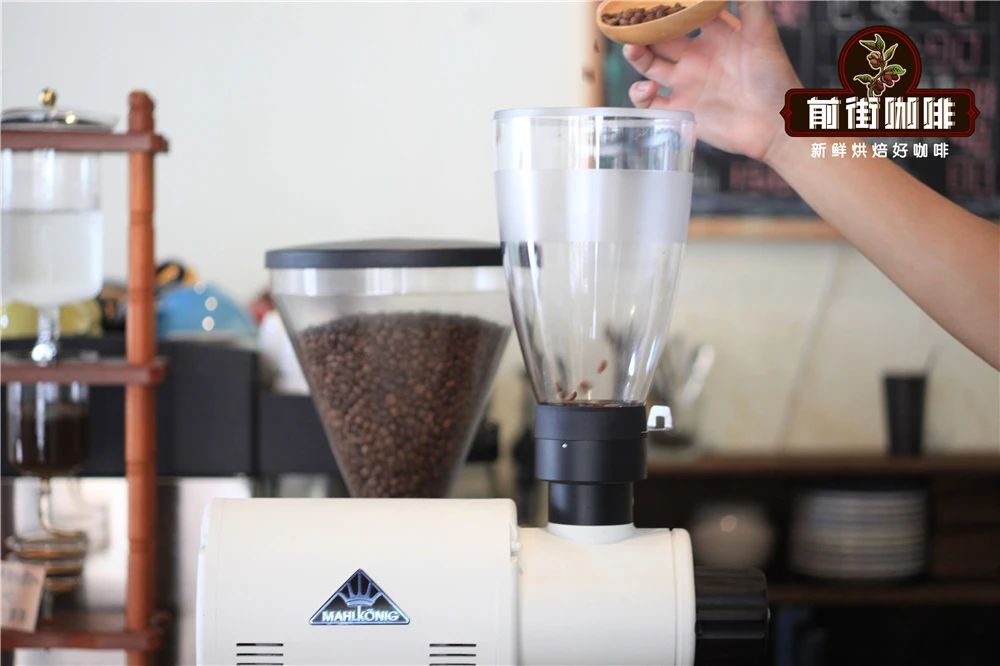
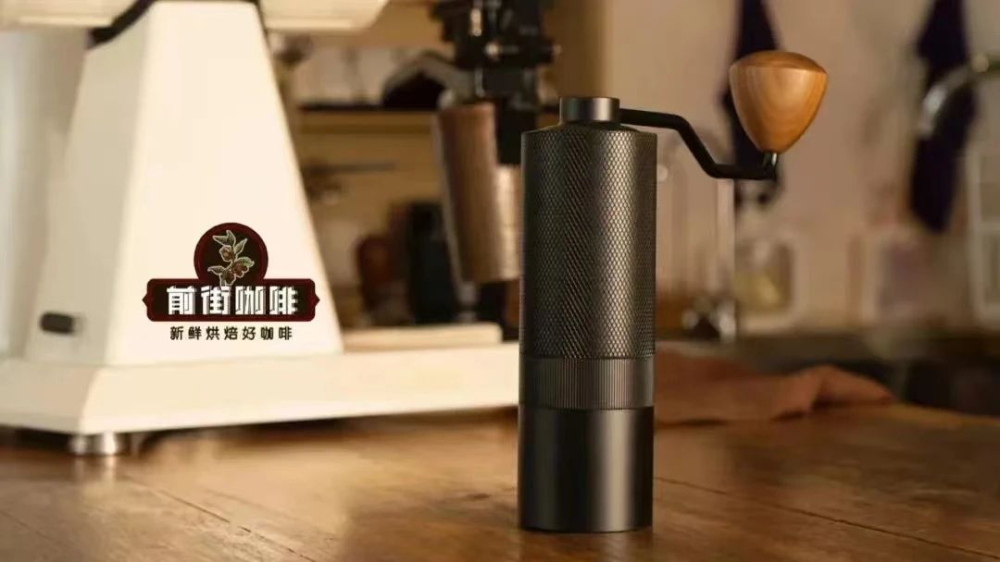
Next, we take a deeper look at the purchasing strategy for manual grinders. Currently, the quality of domestic hand grinders has improved rapidly, with many models originally priced over a thousand yuan abroad now having alternatives under 500 yuan in the domestic market. When selecting, it’s recommended to avoid models under 200 yuan that use ceramic burrs or emphasize retro styling, as these products generally have limited performance and durability.
Manual grinders can be roughly divided into the following price ranges: 200–499 yuan falls into the entry level. Products in this range can already achieve basic control over grind size and are suitable for beginners and everyday office use. When purchasing, it’s advised to confirm whether it features a dual-axis design to ensure basic stability and longevity. 500–799 yuan is the mid-range category, typically using higher-quality burr materials with upgraded bearing configurations, offering better overall durability. It’s recommended to choose models with larger burr diameters, which make the grinding process smoother and less effortful, and with proper maintenance, can last over two years. 800–999 yuan is the high-end selection, with fewer models available on the market, where the main differences lie in appearance design and user experience. Although manufacturer-provided data may show improvements, the actual brewing performance difference compared to mid-range models is not significant.
Above 1000 yuan is the professional-grade manual grinder category. Although there’s no further subdivision like 1000–2000 or 2000–3000 yuan, products in this price range show notable improvements in material quality, precision, and overall user experience. If your budget allows, it’s recommended to consider options in this tier for superior grinding quality.
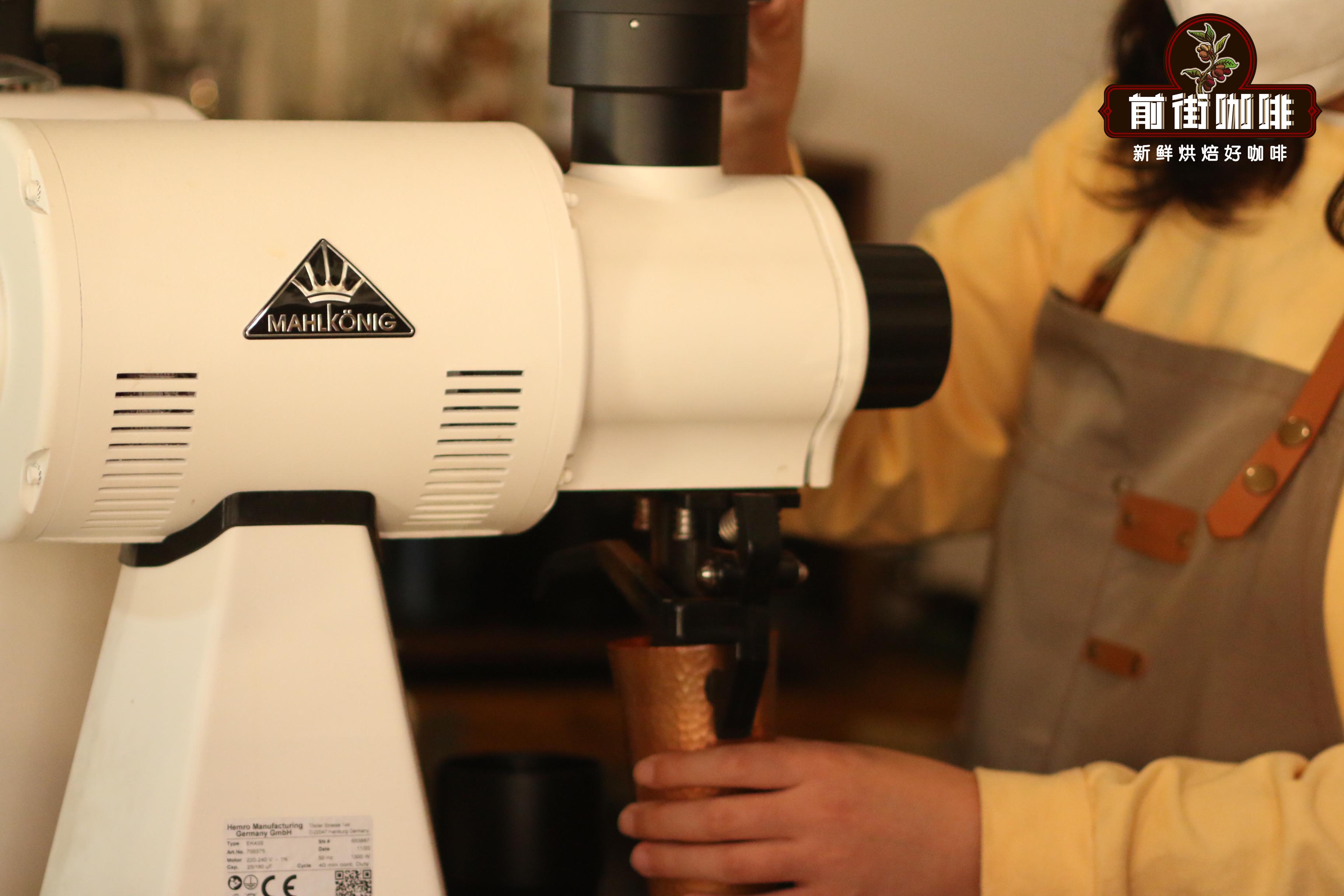
As for electric grinder selection points, first avoid cheap portable models, especially those that control grind size via time settings. These usually employ a dual-blade structure similar to a food processor, which tends to produce uneven grinding—commonly referred to as “bean choppers”—and are unsuitable for coffee lovers seeking precise extraction.
When purchasing, be clear about whether your needs are for espresso-level fine grinding or pour over-style medium-coarse grinding, as the required grind range differs greatly, and most models cannot effectively accommodate both. If your budget is generous—for example, around twenty thousand yuan—the Mazzer zm filter and Mahlkonig EK 43 are top-tier choices worth considering. Aside from their high prices and larger footprint, they have almost no significant drawbacks.
For most users with a budget under four thousand yuan, the Royal Kono Mini and Fellow ODE are two well-performing models. The Royal Kono Mini is primarily marketed for its conical burr design, which provides a grind profile closer to what pour over requires; the Fellow ODE is popular for its compact size and sleek all-black design, nicknamed the “little black box,” and is highly recognizable in appearance. However, both are compact electric grinders with relatively slow grinding speeds, so patience is required.
The market also commonly sees products priced between 300–600 yuan that claim to be “mini Fujis,” touting high cost-performance, but in reality, many are imitation or modified models. One business once tested a Fellow Little Flying Horse 610N priced around 800–900 yuan and found its grind accuracy and fines control were noticeably inferior to the genuine Kono Mini, especially in terms of the amount of fine particles. Although the difference might not be obvious when used alone, a direct comparison clearly reveals the quality gap. As for so-called “mini Fujis” in the 300–600 yuan range, since they haven’t been tested firsthand, no specific comments can be given.
Additionally, there are some reasonably priced and decent-quality electric grinders on the market, but as they haven’t been personally used, this article won’t detail them one by one. When purchasing, in addition to considering price and appearance, consumers should pay more attention to burr material, grind fineness range, and user reviews to ensure the purchased device truly meets daily brewing needs.
The above content is compiled by CoffeeHunters, a coffee news website.


