







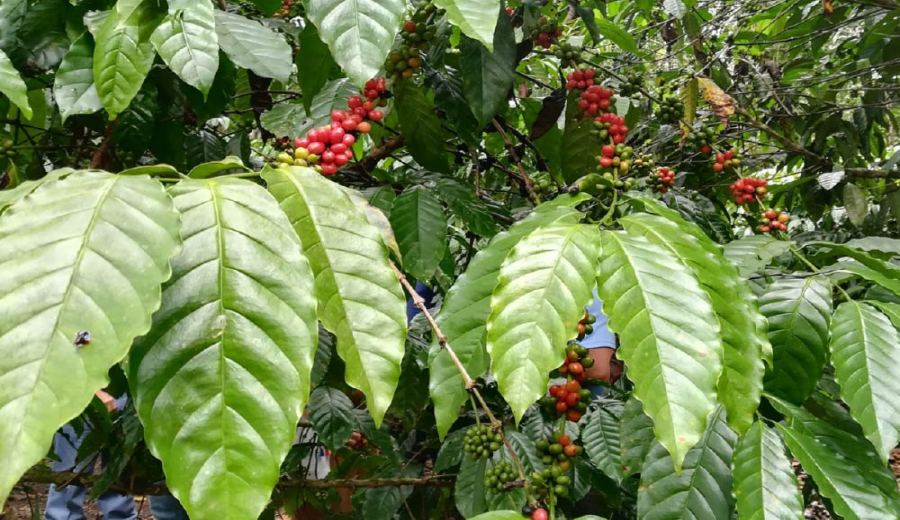
Introduction:Geisha coffee is renowned for its delicate floral aroma, pronounced fruity acidity, and unique sweet undertones, with Panama being particularly acclaimed as the benchmark of its flavor profile. This article delves into the evolution of Geisha—from its Ethiopian origins to becoming an international specialty coffee champion—explores the reasons behind its low yield and the conditions that create its refined flavors, and compares the differences in bean shape and flavor profiles between Panamanian and Ethiopian origins. It also provides practical identification tips to help coffee enthusiasts gain a deeper understanding of this premium coffee variety.
The reason Geisha coffee is so highly regarded lies in its layered and captivating flavor profile: it begins with subtle floral notes gently unfolding, followed by the refreshing acidity of citrus and peach, a velvety-smooth mouthfeel, and a finish that leaves a hint of oolong tea-like sweetness and crispness. This fruit-tea-like experience makes it easy even for those new to specialty coffee to appreciate. Among the many producing regions, Panamanian Geisha stands out for its consistently outstanding quality.
The Geisha (Geisha) variety can be traced back to the Gesha Forest in southern Ethiopia, where it was discovered by local researchers in 1931. It was then sent to the Kenya Coffee Research Institute for preservation and gradually introduced to countries such as Uganda, Tanzania, and Costa Rica. It wasn’t until the 1970s that it made its way to Panama, but initially, due to its low yield and minimal visual difference from regular coffee beans, it was often planted as a windbreak and did not receive the attention it deserved. The turning point came in 2004, when Hacienda La Esmeralda entered it as a separate category in the Best of Panama (BOP) competition and unexpectedly won the championship, sparking a global craze for the Geisha variety in the specialty coffee industry.
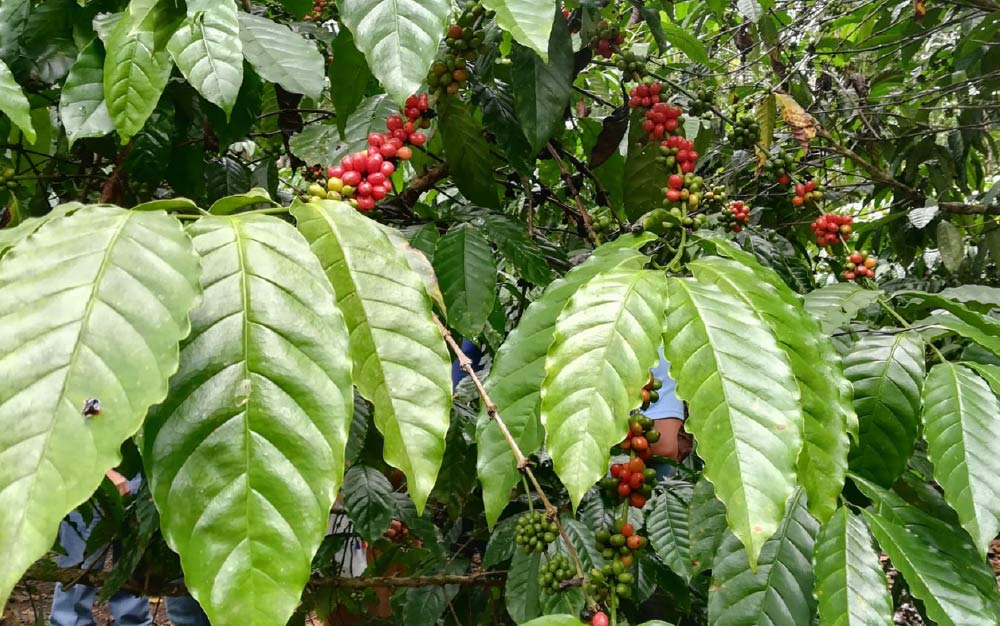
Geisha coffee trees are extremely particular about their growing environment. They not only require high altitudes (typically above 1,600 meters), but also need cloud cover or tree shade to protect them from intense sunlight, along with high demands on soil nutrient content and drainage. The high altitude extends the ripening period of the fruit, helping to more fully accumulate flavor compounds and creating its unique aroma and taste. However, Geisha leaves are relatively thin and the root system is more fragile, resulting in lower photosynthesis efficiency and slower absorption of water and nutrients, leading to a yield per plant that is far lower than other common varieties. For example, compared to Caturra, a single Geisha tree produces only about half the amount of fruit, which is one of the main reasons for its high market price.
Since its sensational win at the BOP competition in 2004, experts have confirmed through genetic testing that the winning beans were indeed the Ethiopian native Geisha variety. Subsequently, producers further improved cultivation and post-harvest processes, particularly investing more effort in batch selection and processing techniques to fully showcase Geisha’s potential. To experience its legendary explosive aroma and rich layers, look out for products that use refined natural processing methods, which often deliver astonishing citrus honey notes and floral intensity.
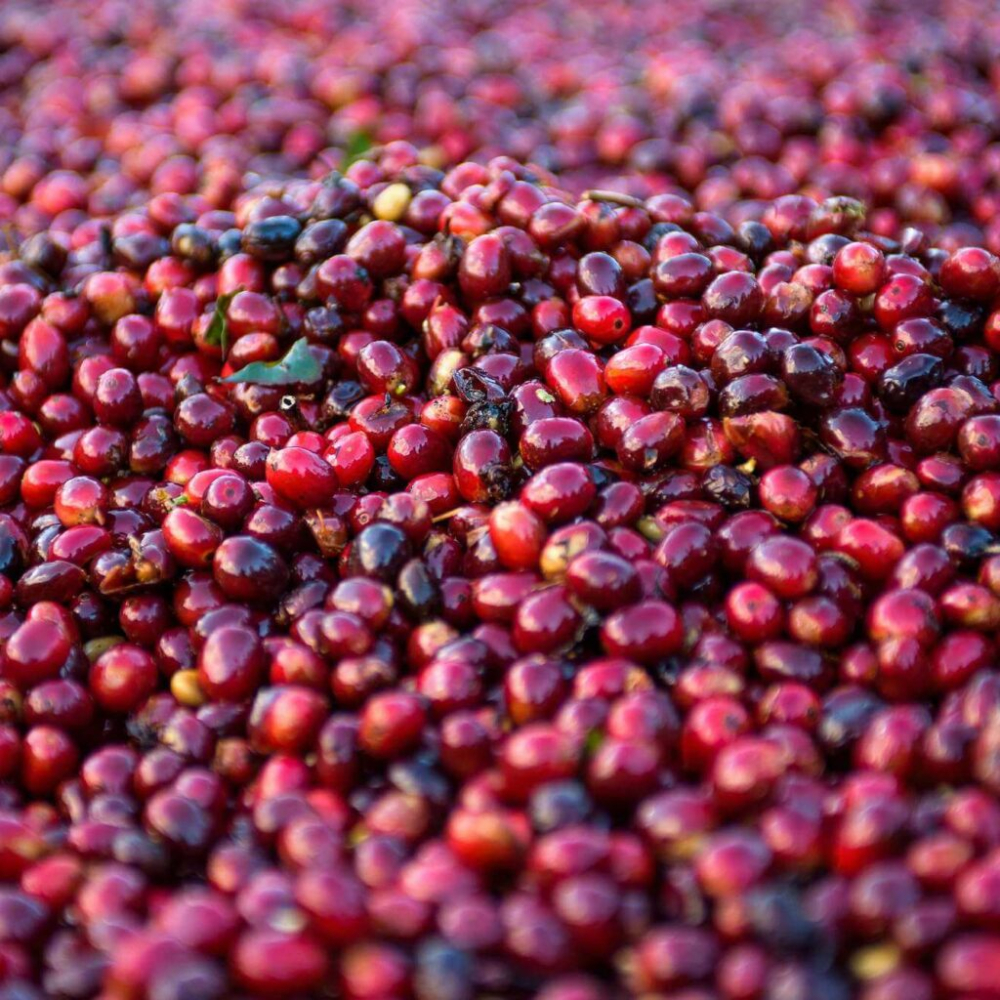
From a botanical perspective, Geisha coffee beans from Panama and Ethiopia exhibit clear visual differences that can aid in preliminary identification. Common Panamanian Geisha beans are slightly elongated, symmetrical overall with pointed ends, and plump in the middle, resembling a sausage bun after roasting. In contrast, Ethiopian Geisha beans usually have slightly rounded ends, a wider middle, and appear more stout overall. While these visual characteristics should not be the sole basis for judgment, they can serve as helpful reference points when selecting beans.
In terms of flavor, Panamanian Geisha typically showcases prominent jasmine floral notes, accompanied by distinct citrus tones (sometimes with berry aromas) and a rich honey sweetness. The overall profile is mild and balanced, making it suitable for drinkers who prefer a softer taste. As for Ethiopian-origin Geisha, commonly seen offerings such as the Gesha Village Red Label or Gold Label feature magnolia and citrus aromas as their main characteristics. Upon tasting, they offer a juicy mouthfeel with more explosive fruit flavors, fully demonstrating the juicy and vibrant traits unique to Ethiopian varieties. By comparing these details, coffee enthusiasts can gradually build a systematic understanding of Geisha flavors and further enhance their tasting skills.
The above content is compiled by CoffeeHunters, a coffee news website.


