







Introduction:As an important Arabica coffee-producing region in China, Yunnan has gradually attracted international market attention in recent years. This article delves into the main varieties of Yunnan coffee, its growing environment, cupping characteristics, and representative brand products, while providing detailed brewing recommendations to help you select the right Yunnan small-grain coffee and achieve its optimal flavor expression.
Yunnan is one of the few regions in China where Arabica coffee can be successfully grown, and its coffee industry has seen increasing visibility in the international market in recent years. With the popularization of specialty coffee concepts, more and more cafés are choosing to stock Yunnan-grown coffee beans. The current mainstream variety is Catimor, favored by local farmers for its strong disease resistance and stable yield. In contrast, Typica, while possessing excellent flavor potential, is less widely cultivated due to its susceptibility to rust and relatively low yield. Overall, the flavor profile of Yunnan coffee is grounded in notes of nuts and brown sugar, with gentle acidity, making it well-suited for drinkers who prefer a balanced taste.
Current Varietal Status and Cultivation Characteristics
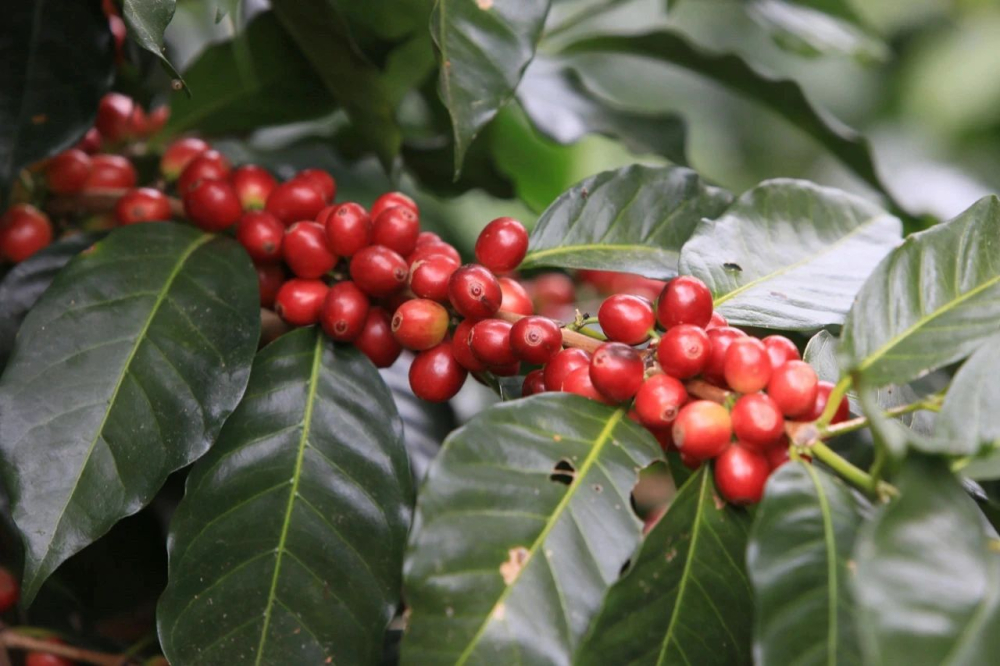
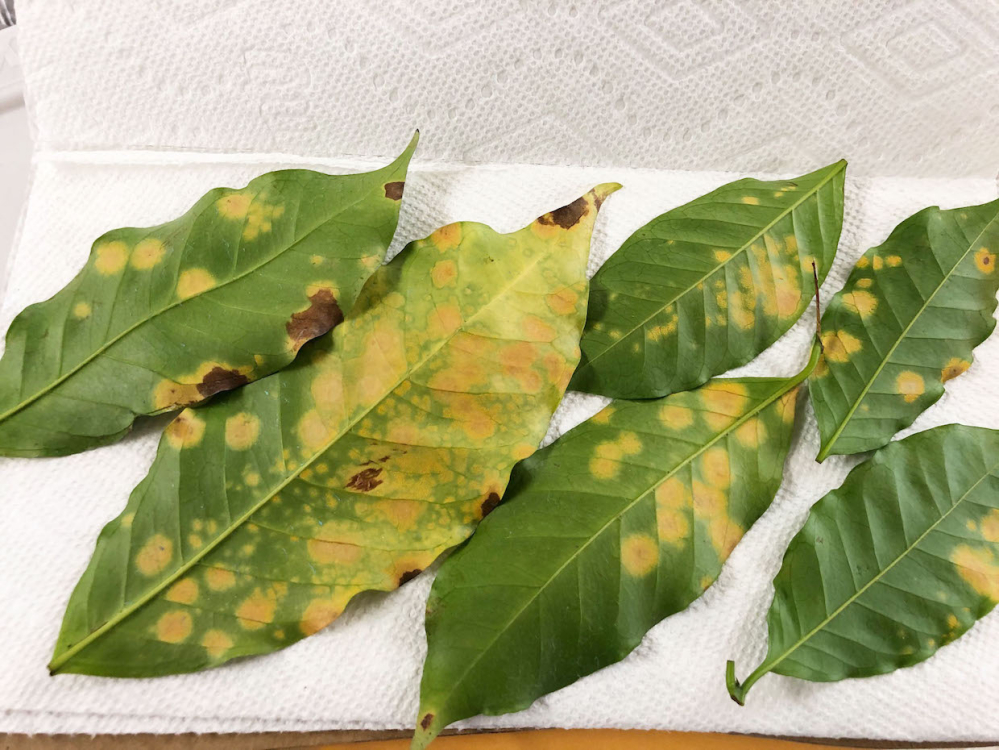
The widely planted Catimor variety in Yunnan is a hybrid of Timor and Caturra, offering good disease resistance and stable yields, thus becoming the top choice for local coffee farmers. This variety is extensively cultivated in areas such as Lincang, Baoshan, Pu'er (formerly Simao), Xishuangbanna, and Dehong. Early on, Yunnan also grew Typica, which originated in Yemen and is known for its elegant flavors. However, due to its low yield per unit and weak resistance to rust, it has gradually been replaced by the more commercially viable Catimor.
Catimor trees have a columnar shape, short internodes, dense branching, and dark green leaves. They adapt well to high altitudes and variable climates, and also exhibit good drought resistance and a certain degree of cold tolerance. However, the flavor profile of this variety often sparks debate—some critics describe the off-flavors in poor batches as a “devil’s aftertaste.” Yet actual flavor outcomes depend on processing methods, altitude, and meticulous agronomic management, and should not be generalized. Notably, the renowned Mandheling coffee from Indonesia also predominantly uses the Catimor variety, which speaks to its market acceptance.
Geographic and Climatic Advantages of the Yunnan Growing Region
Yunnan’s geographic environment is similar to that of Colombia, both located in low-latitude, high-altitude regions with significant diurnal temperature variations, which help coffee cherries accumulate sugars and flavor compounds. Most growing areas in Yunnan are situated at elevations above 1,000 meters, including Baoshan at approximately 1,653.5 meters, Kunming at 1,895 meters, and Dali at 1,976 meters—all within the “golden coffee belt” that effectively avoids frost threats. Additionally, the Gaoligong Mountain range blocks the direct intrusion of Siberian cold fronts, creating stable microclimates that provide ideal conditions for coffee growth.
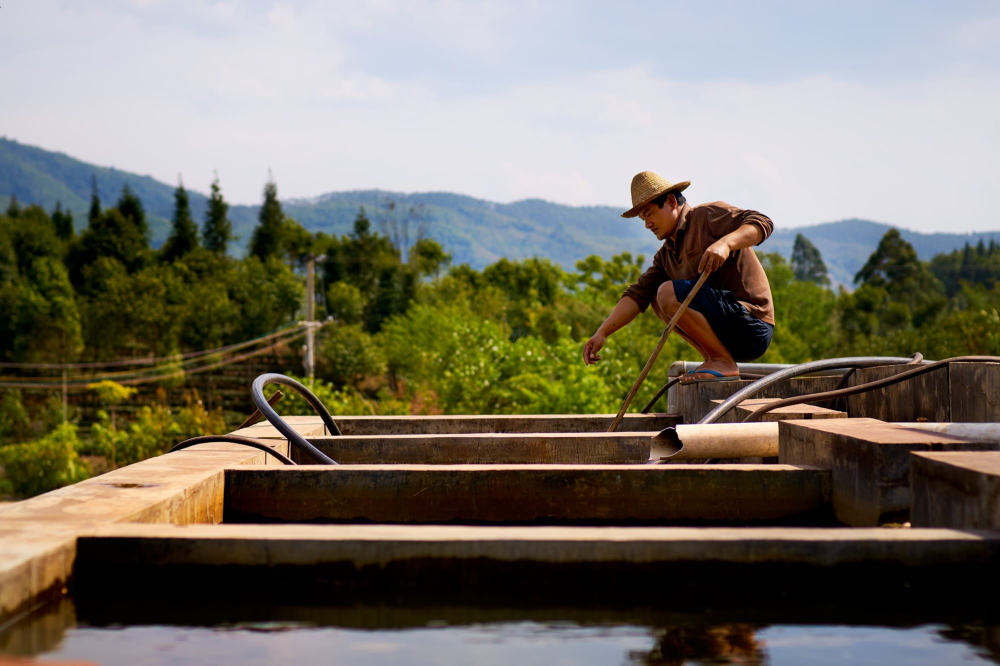
Coffee trees in Yunnan typically take about four years from planting to their first harvest. The flowering period is brief, lasting only two to three days, mainly concentrated between March and May each year. Rainfall and temperature during this period greatly impact yield. The region predominantly employs the washed processing method, which involves removing the pulp and flesh, fermenting to eliminate the mucilage, and then sun-drying to ensure cleanliness and consistency in the beans while preserving distinct regional characteristics.
Cupping Flavor Profiles and Roasting Strategies
According to actual cupping data, Yunnan coffee generally exhibits nutty and brown sugar tones, with soft and layered acidity. To fully highlight these characteristics, many roasters opt for medium roasting, which preserves the inherent flavors while avoiding excessive caramelization that could mask subtle details. For instance, one Yunnan small-grain coffee releases mid-palate notes of nuts and dark chocolate during cupping, with a honey and cane sugar sweetness in the aftertaste. Another Typica variety showcases livelier plum-like acidity and an black tea-like finish, demonstrating the unique potential of this cultivar.
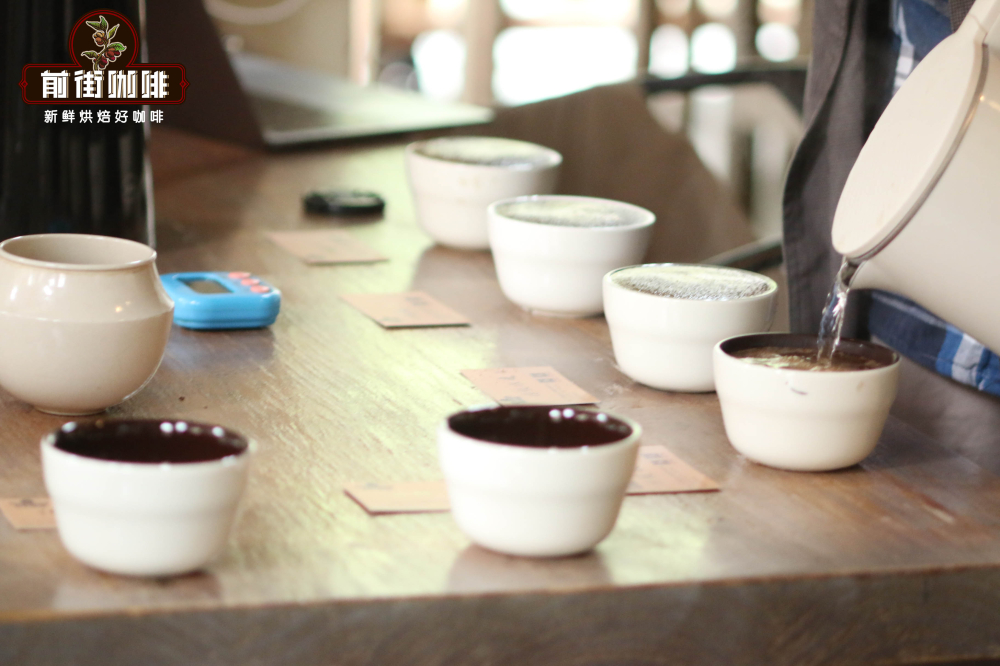
Cupping conditions follow SCAA standards, using a 200ml ceramic cup, a coffee-to-water ratio of 1:18.18, water temperature controlled at 94°C, grind size with 70%-75% passing through a #20 sieve, and an immersion time of about four minutes, ensuring extraction falls within the Golden Cup range, with concentration maintained between 1.15%-1.35%. This standardized process aids in objectively evaluating the true performance of each batch of beans.
Representative Products and Processing Method Differences
Among the many Yunnan coffee products, sundried Typica stands out due to its unique processing method. These beans are grown in the Lincang region at an elevation of about 1,300 meters. Through traditional sun-drying processing, the fruit flesh’s sugars and fermentation flavors are fully preserved, imparting citrus, berry notes, along with subtle wine-like aromas and pronounced caramel sweetness. The aftertaste lingers with a creamy, smooth texture.
The key to sun-drying lies in strictly controlling weather conditions and turning frequency to ensure even drying of the fruit flesh, preventing mold or over-fermentation. Compared to washed processing, this method better highlights regional flavor characteristics, making it ideal for coffee lovers who enjoy fruity and complex profiles.
Brewing Recommendations and Parameter Settings
If you choose to try sundried Typica, the following brewing parameters are recommended for optimal flavor expression: use a Hario V60 filter, set the water temperature to 90°C, use 15 grams of coffee grounds, with a coffee-to-water ratio of 1:15, and a grind size based on 80% passing through a Chinese standard #20 sieve. Begin by pouring 30 grams of hot water for a 30-second bloom to release carbon dioxide; then slowly circle the water from the center to reach 125 grams, and after the water level drops, continue pouring to 225 grams. The total extraction time is about two minutes. This process helps balance sweetness and acidity, highlighting delicate fruity notes and a rich body.
Please note that freshly roasted coffee beans are usually shipped within five days of roasting. It is recommended to let them rest for 4 to 7 days upon receipt to complete degassing, during which the flavor development is most complete. Additionally, to preserve maximum flavor potential, it is advised to purchase whole beans and grind them just before brewing to avoid rapid loss of flavor compounds after grinding. During your first brew, if you observe a nice “bloom burger” formation, it indicates that the coffee grounds are breathing well, laying a solid foundation for subsequent extraction.
The above content is compiled by CoffeeHunters, a coffee news website.


