







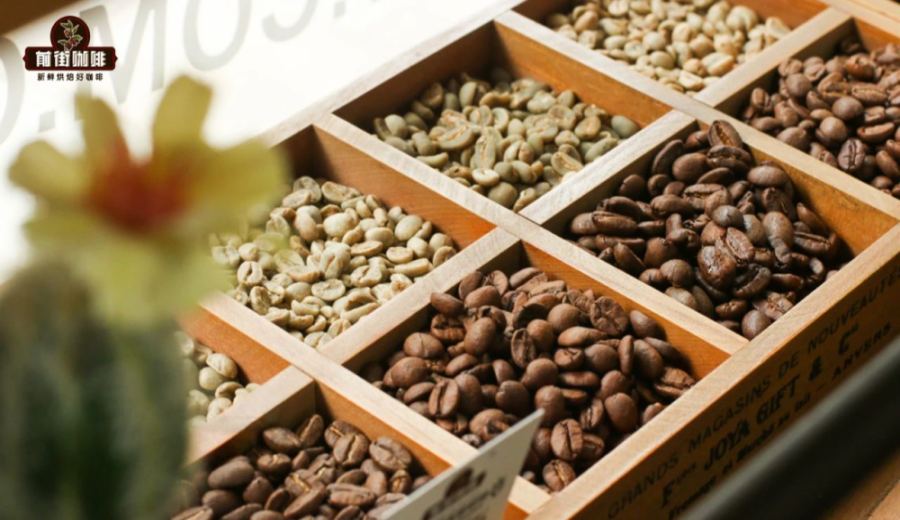
Introduction:Delving into the performance of Ethiopia’s Yirgacheffe Guji Dingding G1 washed beans under light roasting conditions, this article compares three distinct roasting profiles alongside detailed cupping notes and V60 pour over parameters to analyze the differences in their citrus, tea-like, and fruity floral characteristics. Not only does it offer practical roasting and extraction advice, but it also provides a comprehensive explanation of how varying water temperatures affect flavor layers—making it an essential reference for coffee enthusiasts pursuing precise flavor expression.
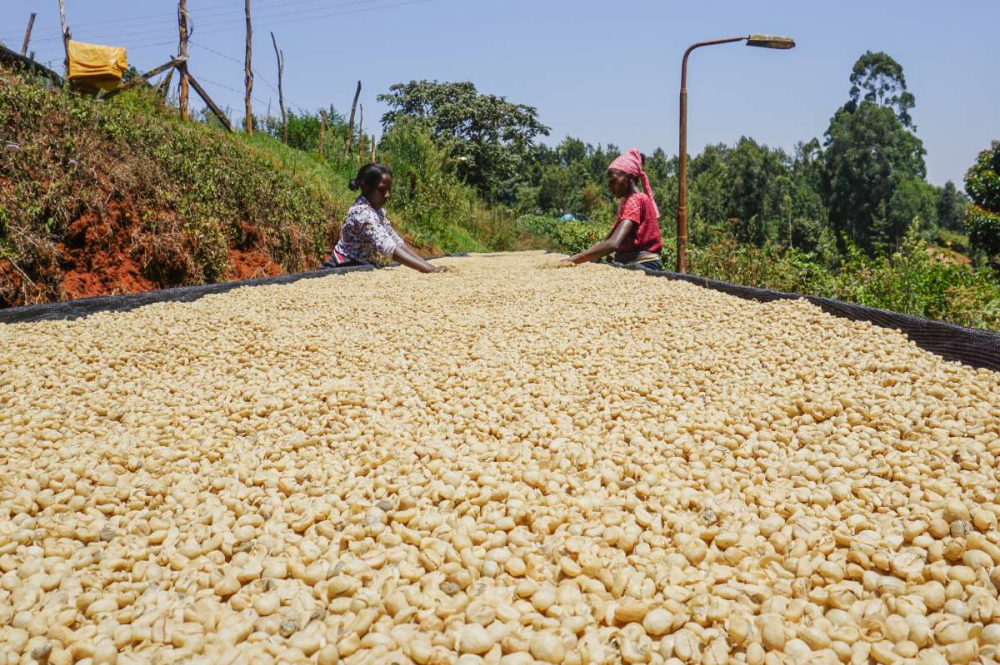
Ethiopia’s Yirgacheffe region has long been globally renowned for its bright acidity and delicate floral notes. Among its many sub-regions, the coffee beans from the Guji Dingding cooperative stand out particularly for their unique tea-like quality and citrus profile. The star of this evaluation—the Yirgacheffe Guji Dingding G1 washed beans—is grown at high altitudes between 1900 and 2300 meters, cultivated from native heirloom varieties, with defect rates strictly controlled to no more than 3 in 300 grams, classifying it as high-quality G1 grade. To uncover the roasting approach that best showcases its potential, three light roast profiles were tested using the Yangjia 800N roaster, and their flavors and extraction essentials were thoroughly examined through cupping and V60 pour overs.
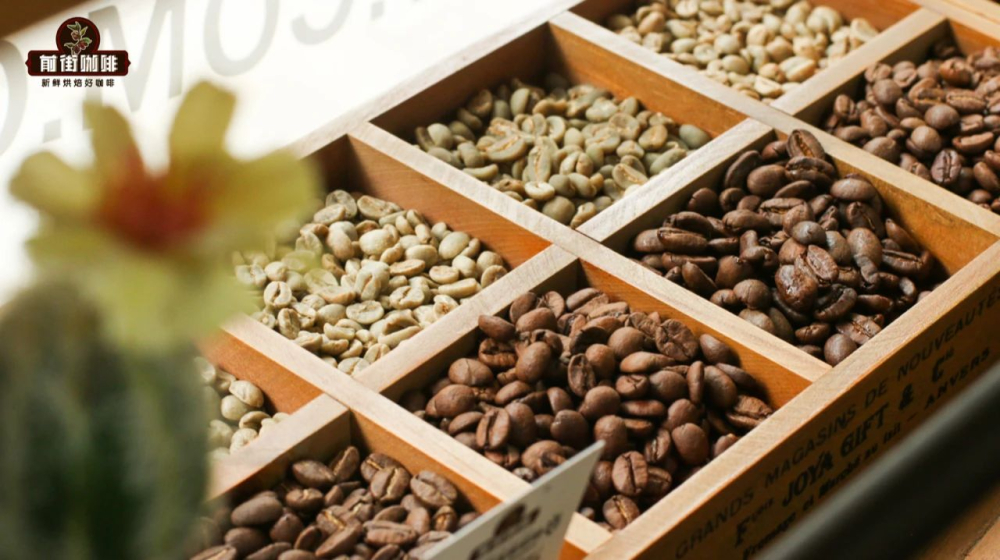
Yirgacheffe holds a pivotal position within Ethiopia’s coffee map. Initially part of Sidamo, it later became its own distinct region due to its unique flavor profile. This area generally sits at around 2000 meters altitude, representing a classic high-altitude coffee-growing zone, home to over 40 family-run cooperatives, each producing beans with distinct flavor characteristics. Among them, the Guji Dingding cooperative was originally part of the Wolkite cooperative but later split off independently due to its standout flavor performance. Its coffee not only retains the classic citrus and floral notes of Yirgacheffe but also carries a hint of refreshing tea-like elegance, with a lemon-tea-like complexity that leaves a deep impression.
This Yirgacheffe Guji Dingding G1 washed bean uses locally grown heirloom varieties (Heirloom), with small bean size typically ranging between 14 and 15 mesh, characteristic of typical small-bean varieties. The ECX (Ethiopian Commodity Exchange) enforces a strict grading system for export green beans, where defect rate is a key metric: beans with 3 or fewer defects per 300 grams are rated as G1—the high standard achieved by this coffee.
When discussing Ethiopian coffee, one cannot overlook its rich and diverse varietals. Since most coffee plants are local heirloom varieties, the general term “Heirloom” is used to encompass thousands of regionally distinctive types, each potentially contributing unique flavor attributes—resulting in the diverse and multifaceted flavor spectrum of the Yirgacheffe region.
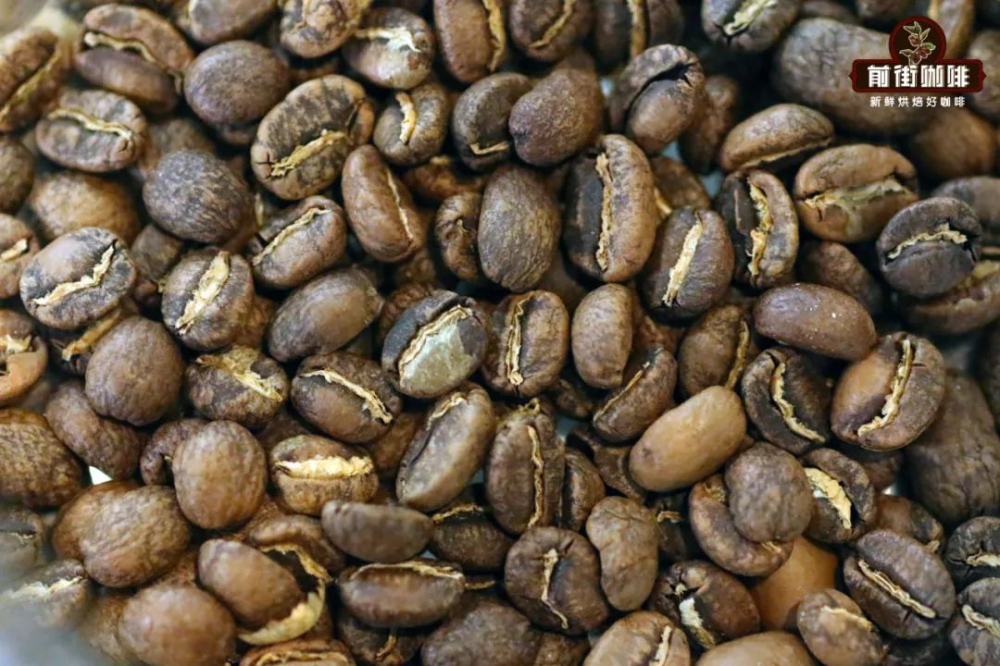
For this Yirgacheffe Guji Dingding G1, known for its pronounced acidity, the roasting strategy focuses on highlighting its clean mouthfeel and bright acidity while also balancing sweetness and aftertaste. After repeated testing, three light roast profiles were ultimately designed, and the most stable and flavorful option was selected for mass production based on cupping results. Roasting was carried out using the Yangjia 800N machine, with a charge weight of 550 grams. Below are the detailed parameters for the three roast curves:
Curve One
Charge temperature: 180°C, yellowing point: 5'00", 151.9°C, first crack: 8'30", 184.1°C, post-first crack development: 2'08", dropped at 194°C.
Curve Two
Charge temperature: 180°C, yellowing point: 5'00", 149.9°C, first crack: 8'42", 183.8°C, post-first crack development: 1'48", dropped at 193.5°C.
Curve Three
Charge temperature: 180°C, yellowing point: 5'10", 151.1°C, first crack: 8'46", 184.5°C, post-first crack development: 1'28", dropped at 192.3°C.
During the cupping phase, the three roast curves each revealed distinctly different flavor profiles. Curve One’s dry aroma featured citrus and honey notes, while the wet aroma exhibited floral and caramel tones. Upon tasting, smokiness was pronounced, and as temperature changed, floral, caramel, and honey layers emerged, with a creamy aroma in the aftertaste. Curve Two opened with dry aromas of citrus and lemon, while the wet aroma blended floral and berry notes. Upon entering the palate, creaminess stood out, and as temperature decreased, it presented sweet notes of berries, black tea, and caramel, with a noticeable citrus linger in the aftertaste. Curve Three had a dry aroma of citrus and caramel, but the wet aroma was comparatively simpler. Upon tasting, woody notes were evident, and although there were transitions of caramel and cream, the finish brought an unwanted astringent greenness.
After overall evaluation, Curve Two excelled in flavor balance, sweetness expression, and aftertaste longevity, making it the recommended roasting approach. However, freshly roasted beans are still in their degassing phase, so it is advised to let them rest for about 3 to 4 days until stabilization before brewing pour overs to achieve optimal extraction.
To fully showcase Guji Dingding G1’s acidity and refreshing character, it is recommended to use a higher water temperature and fine grind size, paired with a dripper that offers good flow control. The V60 dripper is well-known for its 60-degree conical design, which channels water flow centrally and extends contact time between water and coffee grounds. Its inner clockwise spiral ribs enhance airflow and breathability between the filter paper and dripper, accelerating filtration speed—which helps extract clear, bright flavor layers.
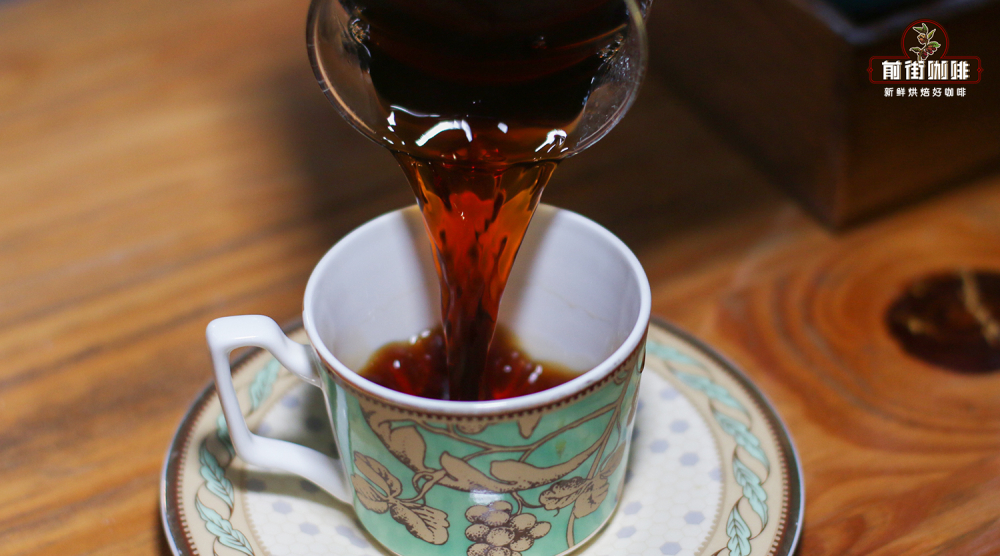
The actual pour over parameters are as follows: using a V60 dripper, set water temperature at 91°C, water-to-coffee ratio at 1:15, coffee dose at 15 grams, and grind size at superfine sugar level (approximately 80% passing through a Chinese No. 20 sieve). Employing a staged extraction method, begin with a 30-second bloom using double the coffee dose in water (30 grams), then pour in a small, circular motion up to 125 grams before pausing. As the water level drops close to exposing the coffee bed, continue pouring to reach a total of 225 grams, with the entire extraction process kept within around 2 minutes.
The final flavor profile is as follows: upon entry, citrus and black tea notes are distinct; as temperature changes, sweetness in the form of cream, caramel, and almond becomes apparent, with a clean and lingering aftertaste. Further experimentation regarding the impact of water temperature on flavor found that using 90–92°C optimally balanced acidity and sweetness. In contrast, when water temperature dropped to 86–88°C, although acidity stood out, aroma and body noticeably weakened, often resulting in a thin-mouthfeel issue.
In summary, the light-roasted Yirgacheffe Guji Dingding G1 is best brewed with slightly higher water temperatures and fine grind sizes—not only to highlight its fruity acidity but also to unfold its richly layered floral and tea-like nuances. By precisely controlling the roast curve and pour over parameters, this premium coffee from Ethiopia’s highlands can reveal its most pure and captivating flavor expression.
The above content is compiled by CoffeeHunters, a coffee news website.


