







Introduction:Mandheling coffee from Sumatra, Indonesia is renowned for its full body and low acidity, and among them, Golden Mandheling is particularly esteemed for its premium grade and high quality. This article delves into the origin of the name "Mandheling," the strict selection standards of PWN Golden Mandheling, and how the wet-hulled processing method contributes to its rich and bold flavors. Additionally, it provides practical pour over parameters, including filter choice, grind size, water temperature, and brew ratio, to help you consistently extract a classic Mandheling at home that is balanced, clean, and layered with notes of chocolate and caramel.
Indonesian coffee stands out in the global market for its bold, full-bodied taste and low acidity, with Mandheling from the Sumatra region being a classic representative. However, many coffee enthusiasts may find its unique herbal, earthy, or woody notes unfamiliar or even hard to appreciate upon first taste. But when you take a closer look at the top-tier offering within Mandheling—Golden Mandheling—you’ll discover that this meticulously selected specialty bean can showcase a cleaner, sweeter, and more complex flavor profile.
Mandheling is not actually a coffee variety but rather the result of a historical misunderstanding. During World War II, a Japanese soldier in Indonesia tasted a cup of richly flavored coffee and mistakenly thought the shopkeeper’s reference to “Mandheling” (曼代寧) was the name of the coffee. He later introduced this name to the Japanese market, which became what we now know as “Mandheling.” In reality, Mandheling is a transliteration of the name of an indigenous ethnic group in Indonesia, and this coffee mainly comes from the island of Sumatra.
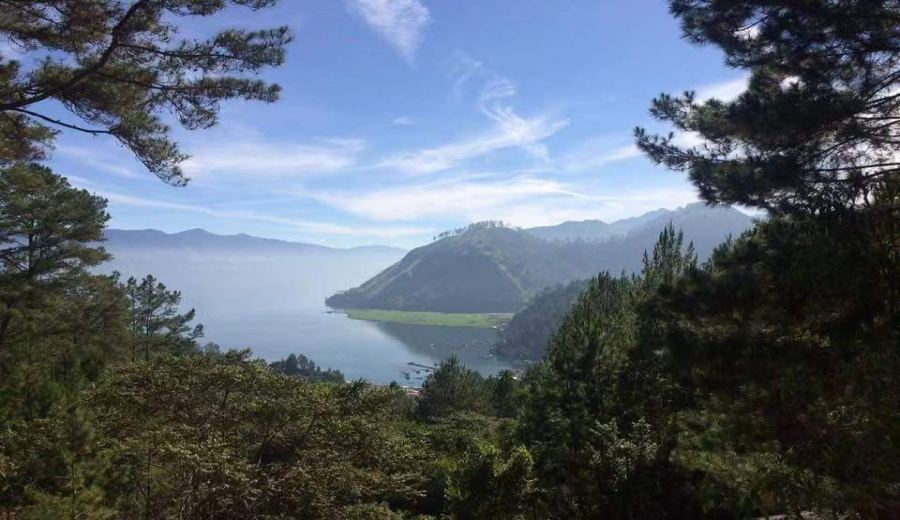
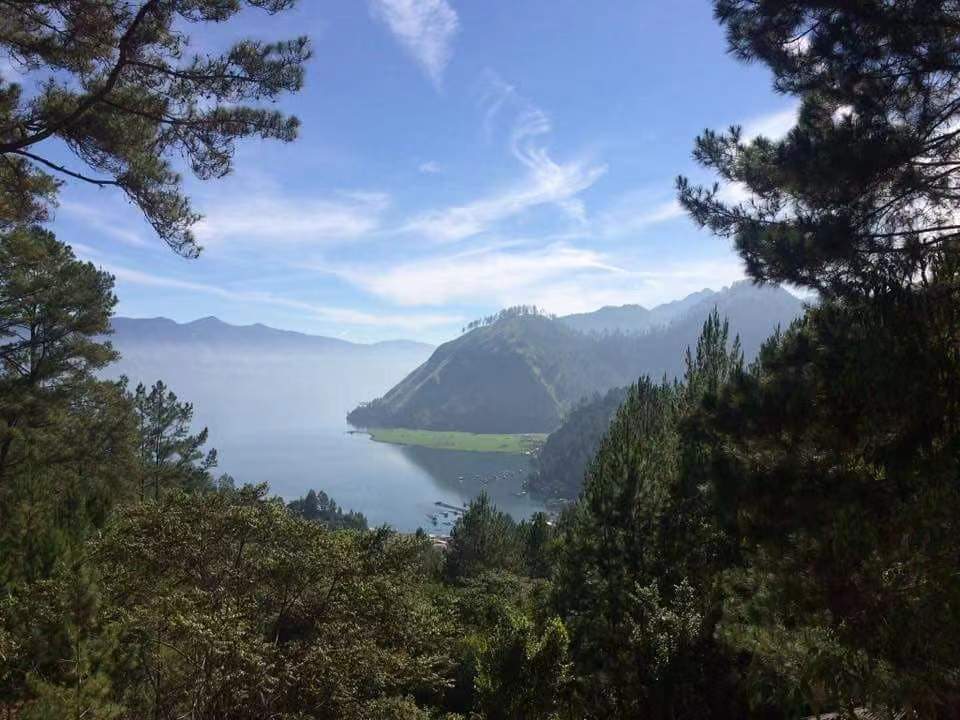
Sumatra is the most iconic coffee-producing region in Indonesia, and its terrain and climate conditions contribute to its signature low-acid, full-bodied characteristics. Among the many islands, Sumatra’s Mandheling is the most well-known, accounting for about 90% of the country’s Arabica coffee production. Although Indonesia predominantly produces Robusta, Sumatra’s Mandheling has successfully carved out a distinct identity with its unique wet-hulled processing method and geographical environment, resulting in a bold and solid flavor profile.
Traditionally, Mandheling has mostly used the Typica variety, but with increasing threats from pests and diseases, Indonesia’s PWN company began producing Golden Mandheling using the Ateng variety starting in 2020. Ateng is actually a type of Catimor, a hybrid of Arabica and Robusta, which offers certain disease resistance and is better suited to Indonesia’s growing conditions. However, the change in variety hasn’t affected its pursuit of high quality—PWN maintains an even stricter selection process to ensure every batch of Golden Mandheling meets specialty-grade standards.
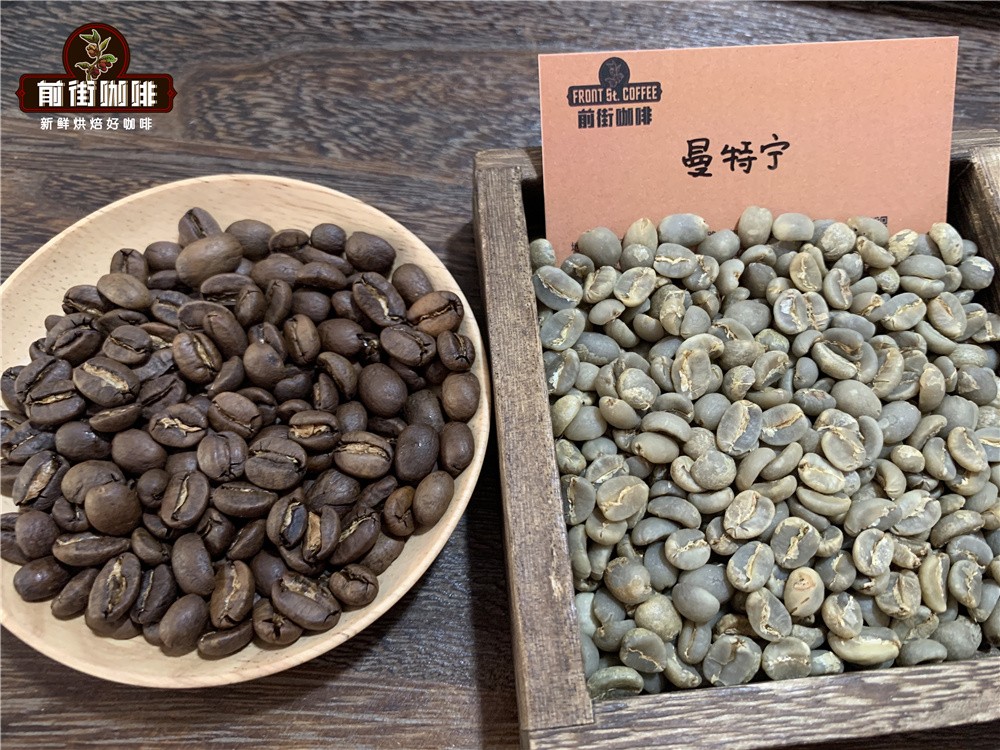
When it comes to the difference between Golden Mandheling and regular Mandheling, the most obvious aspects are its selection criteria and processing. Golden Mandheling refers specifically to Mandheling coffee beans produced by Indonesia’s PWN company that meet the highest G1 grade. These beans must go through multiple rounds of manual sorting, with no more than 3 defective beans per 300 grams of sample and all beans sized at 18 mesh or above. Only coffee beans that pass such rigorous checks qualify to be labeled as “Golden Mandheling.”
There are many products on the market that claim to be “large-bean selected Mandheling,” but unless they come from PWN, they are not considered authentic Golden Mandheling. Consumers who want to verify whether their coffee is genuine can ask the seller for green coffee sacks stamped with the PWN mark or accompanying certification documents. Compared to regular Mandheling, Golden Mandheling offers a cleaner flavor profile, with fewer of the common herbal, earthy, or woody off-notes, and instead features more pronounced caramel sweetness and gentle fruit acidity, with clear layers and a long aftertaste.
The reason why Sumatran coffee generally exhibits low acidity is closely tied to the local “wet-hulled” processing method. This technique originated from the region’s rainy and humid weather and economic constraints, which made it impractical for farmers to use the time-consuming and expensive washed or natural methods. The wet-hulled process involves fermenting and washing the coffee beans initially, then sun-drying them for 2–3 days while still wrapped in their parchment layer. Once the moisture content drops to 20%–24%, the outer parchment layer is removed early, and the beans move directly into the drying phase.
Due to the fast-paced processing, the wet-hulled method imparts a bold, full-bodied, and low-acid flavor to the coffee, but it also increases the risk of defects, such as the commonly seen “elephant ear” beans. However, it is precisely this unique processing method that allows Sumatran Mandheling to express distinctive notes of spice, earth, and sweetness, making it a favorite among those who enjoy bold and complex flavor profiles.
To brew Mandheling at home using the pour over method and highlight its bold characteristics, the key lies in controlling the brew ratio, grind size, and water temperature, while choosing an appropriate filter to enhance extraction efficiency and flow rate. Below are practical pour over recommendations tailored to the characteristics of Mandheling:
Filter Choice: It is recommended to use a KONO filter, whose unique rib design increases pressure at the bottom of the filter and extends contact time between water and coffee grounds, helping to bring out the bold body and soluble flavor compounds of Mandheling.
Coffee Dose: For a 1–2 person filter, it is suggested to use15 grams of coffee grounds, a range suitable for most home filters; using too much or too little may affect extraction evenness.
Brew Ratio: It is advised to use a ratio of1:151:15, meaning 15 grams of coffee to 225 milliliters of water, to balance intensity and smoothness while avoiding over-concentration that could lead to bitterness.
Grind Size: It is recommended to use a grind size with a75% passing rate through a #20 sieve, equivalent to a medium-coarse to medium-fine grind, suitable for dark-roasted Mandheling beans. This helps avoid over-extraction bitterness while fully releasing aroma and sweetness.
Water Temperature: A temperature of88°Caround 90–91°C is recommended; a slightly lower temperature helps suppress over-extraction, resulting in a more balanced flavor and avoiding harsh bitterness or astringency caused by high heat.
By combining these parameters, you can effectively highlight the layered profile of Mandheling, bringing out its signature bold notes of nuts, chocolate, and caramel, while retaining a soft backdrop of herbal and earthy aromas.
In summary, the unique charm of Mandheling coffee lies in its full body, low acidity, and the interplay of spice and sweetness. Golden Mandheling, having undergone stricter selection, presents an even clearer, cleaner, and more balanced flavor profile. Whether you’re trying Indonesian coffee for the first time or are already a Mandheling enthusiast, mastering the right bean identification and pour over techniques will allow you to enjoy a café-quality, richly aromatic cup at home.
The above content is compiled by CoffeeHunters, a coffee news website.


