








Introduction:Kenyan AA coffee beans are renowned for their bright acidity and juicy body, but their charm goes far beyond a simple tomato-like flavor. This article delves into Kenya’s coffee grading system, its six core growing regions, the characteristics of the SL28 and SL34 varieties, and the unique K72 washed processing method. Through practical cupping and brewing data, it helps you master the brewing techniques and flavor profiles of high-altitude Kenyan beans.
Kenyan AA-grade coffee beans have long been a focal point for specialty coffee enthusiasts. Many people’s impression of them stops at the bright fruit acidity reminiscent of “cherry tomatoes,” but in truth, the true essence of Kenyan coffee lies in its rich and vibrant juiciness. From the growing environment and variety selection to processing techniques and grading standards, every step contributes to shaping the unique flavor profile of Kenyan coffee.
As an important specialty coffee origin in East Africa, Kenya has a highly developed coffee production system, particularly known for its rigorous grading system and auction mechanism. Coffee beans are classified into grades such as AA, AB, and PB based on bean size, with AA typically representing larger beans and higher cupping potential. However, flavor performance still depends on the specific region and processing method. Many consumers mistakenly believe that the AA grade equates to the best flavor, when in fact, cupping results and microclimates are the key factors that define a coffee’s character.
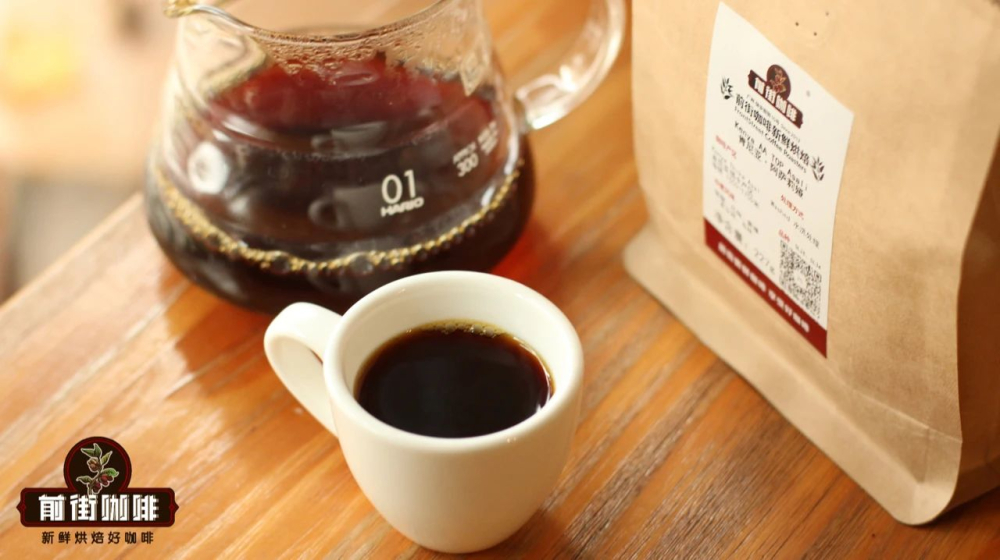
Kenyan coffee is primarily grown at high altitudes between 1,500 and 2,100 meters, which gives the coffee bright acidity and complex aromatic layers. Due to the diversity of terrain and climate, even coffee of the same AA grade from different regions can exhibit vastly different flavor profiles. Kenya’s harvest season is divided into the main season (October to December) and the fly season (June to August). To ensure only ripe cherries are picked, farmers often need to harvest multiple times on steep slopes, usually up to seven times or more.
Kenyan coffee is sold mainly through two channels: the centralized auction system of the Nairobi Coffee Exchange, which accounts for about 85% of total production, and so-called “second window” direct trade, making up about 15%. The auction system is held every two weeks, usually on Tuesdays. Twelve days before the auction, agents send samples to the exchange for buyers to cup and evaluate. The auction runs from 9:30 a.m. to 4–5 p.m., during which hundreds or even thousands of lots are bid on one by one. Buyers need to meticulously record each bean’s cupping performance and final price based on the catalog.
The grading of Kenyan coffee beans is mainly based on bean size and physical characteristics after processing. AA grade refers to beans sized 17–18 mesh, usually offering the most uniform roasting performance and extraction potential; AB grade is 15–16 mesh and is the most common grade in the market; PB stands for peaberry, which is less common but often found in the specialty market; C, E, T, and TT grades are further subdivided based on screening criteria and weight. Notably, AA+ represents batches within the AA grade that exhibit exceptionally outstanding cupping results and are highly sought after in the auction market.
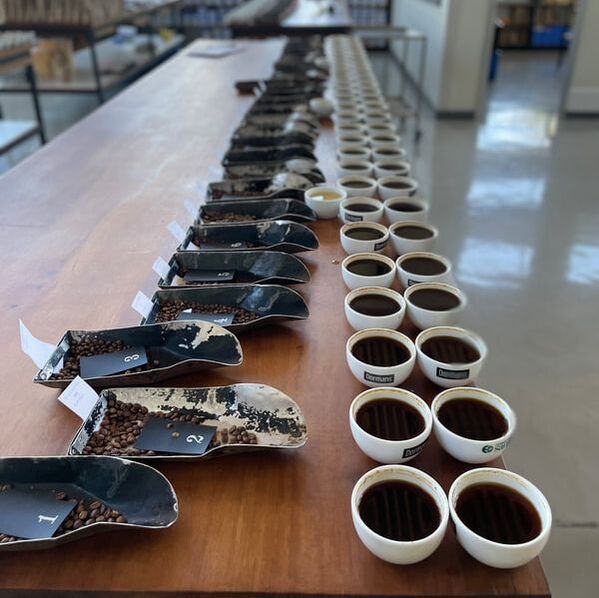
Kenya’s six major growing regions include Nyeri, Kirinyaga, Thika, Mt. Kenya West, Kiambu, and Muranga, among which Nyeri and Kirinyaga are considered the benchmarks of specialty Kenyan coffee. Nyeri is located at the foot of Mount Kenya, with altitudes exceeding 1,500 meters. Its fertile soil and significant day-night temperature variation produce coffee with bright acidity and rich layered flavors. Kirinyaga is situated on the slopes of Mount Kenya, at elevations between 1,300 and 1,900 meters, and is known for coffee with tight structure, intense flavors, and long-lasting aftertastes.
The main varieties of Kenyan coffee are SL28 and SL34, both originating from the Scott Agricultural Laboratories breeding program in the 1930s. SL28 is known for its outstanding drought resistance and rich fruit acidity, with a rounder and fuller bean shape, suited for medium to high altitude cultivation; SL34 has a slightly more elongated bean shape, and genetic research shows it is related to the Typica variety, with clear acidity and a unique mineral tone. These two varieties perform exceptionally well in Kenya’s high-altitude regions and are key pillars in shaping the unique character of Kenyan coffee.
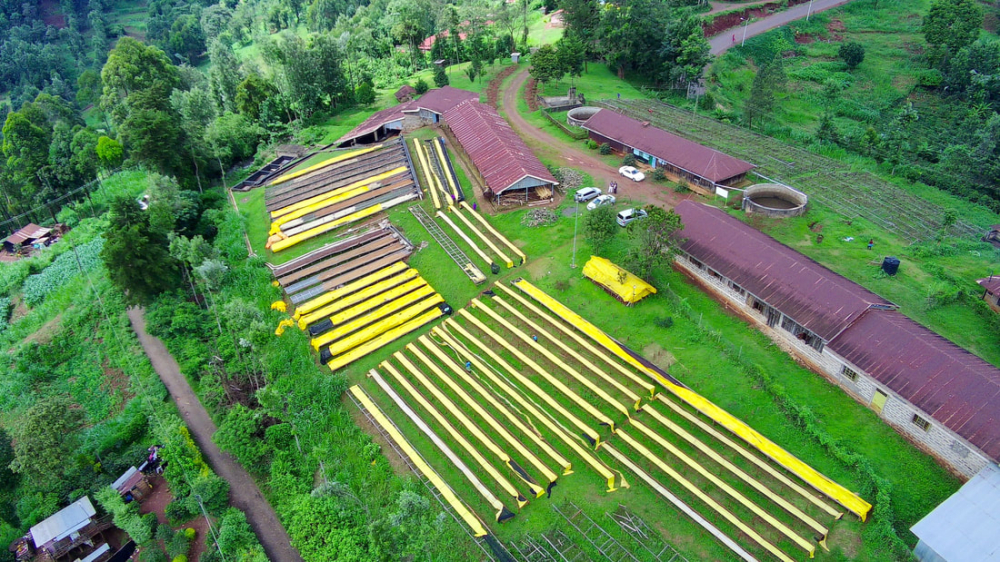
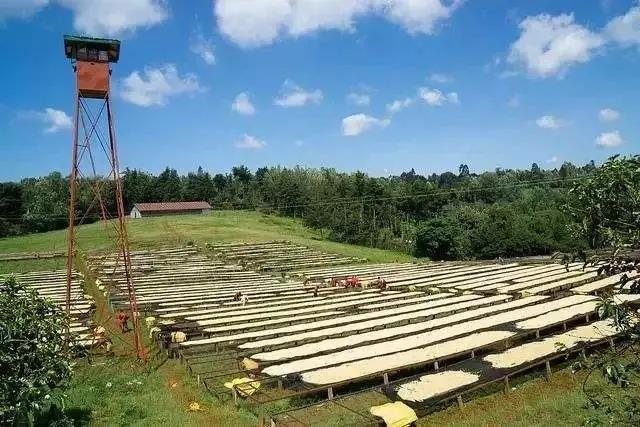
Kenya’s washed processing method also has its own distinctive approach, known as the K72 process. Unlike traditional 24-hour fermentation, Kenya uses three cycles of 24-hour fermentation, totaling 72 hours, with thorough rinsing in clean water after each fermentation cycle, followed by drying. This long, low-temperature fermentation process effectively enhances the coffee’s cleanliness and flavor complexity while preserving bright acidity and rich fruity notes. The K72 process has become a hallmark technique of Kenyan coffee, having a critical impact on the final cupping performance.
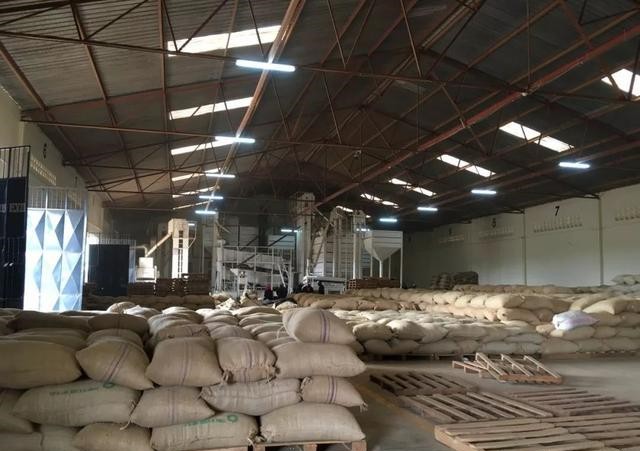
In actual cuppings, AB-grade coffee from the Gitweka Cooperative in Nyeri exhibited bright acidic notes of citrus, plum, and berries, paired with a soft honey and tea-like finish; whereas the slightly lower-altitude Mbuni Ya AB-grade beans featured darker tones of black plum, caramel, and nuts, resulting in a rounder, fuller-bodied taste. Both beans were processed using the K72 washed method, but due to differences in altitude and microclimate, they produced distinctly different flavor profiles, highlighting the combined influence of variety, processing, and regional environment.
For brewing recommendations, using a V60 filter cone, 90°C water, a 1:16 coffee-to-water ratio, and a medium-fine grind (approximately 77% extraction through a #20 sieve) can fully highlight the sweet-acid balance and layered profile of Kenyan beans. It is recommended to start with a 30-second bloom using 30 grams of water, then pour in small circles to reach 130 grams for the first pour, and finally pour up to 240 grams to complete extraction, keeping the total brew time around 2 minutes. This parameter setup helps balance Kenyan beans’ bright fruit acidity with a rich body, making it ideal for pour over coffee lovers who enjoy pronounced fruitiness and clear structure.
The above content is compiled by CoffeeHunters, a coffee news website.


