







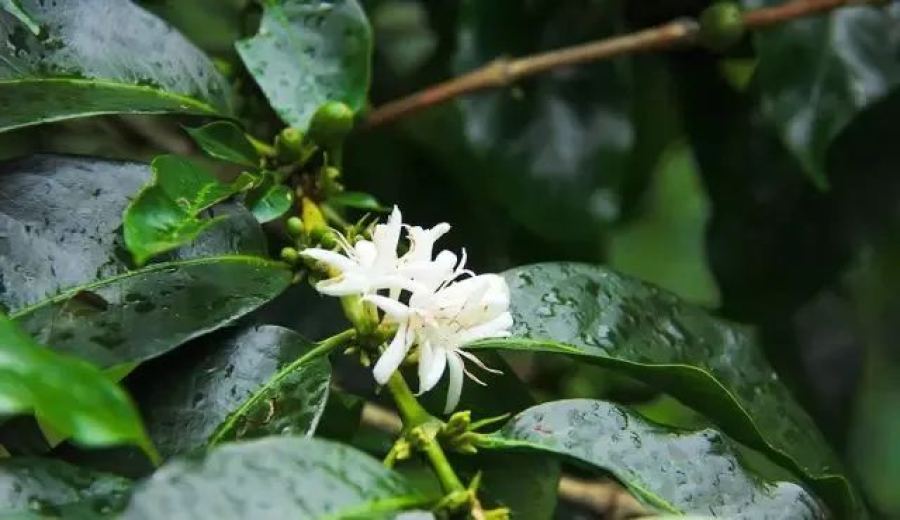
Introduction:Geisha coffee is renowned for its distinctive floral and fruity aromas, but its origins can actually be traced back to the wild coffee forests of Ethiopia. This article delves into the development journey of Geisha—from the African jungles, through Tanzania and Costa Rica, to Panama—and focuses on the Gesha Village Coffee Estate in Ethiopia. It analyzes the estate’s three main varieties and its rigorous grading system. Through detailed explanations of plot divisions and processing methods, it helps readers gain a more comprehensive understanding of the story behind this top-tier coffee and the key points of its appreciation.
Geisha (also spelled Gesha), known for its delicate floral notes, citrus tones, and tea-like aftertaste, has become a highly sought-after coffee among specialty coffee enthusiasts worldwide. However, many who enjoy this coffee remain only vaguely aware of its origins and development. In fact, the journey of Geisha began in the 1930s in Ethiopia, when a batch of wild coffee seeds was collected from the Gesha forest in the country’s southwestern region. These seeds were later transported to the Lyamungu Research Station in Tanzania for cultivation.
By 1953, this coffee variety had been introduced to the Tropical Agricultural Research and Higher Education Center (CATIE) in Costa Rica, where it was cataloged as T2722. Initially, the variety did not receive much attention, mainly because its plants had relatively fragile branches, making cultivation challenging for farmers. However, subsequent research revealed its strong resistance to coffee leaf rust, which led to its gradual introduction to Panama for planting in the 1960s by CATIE.
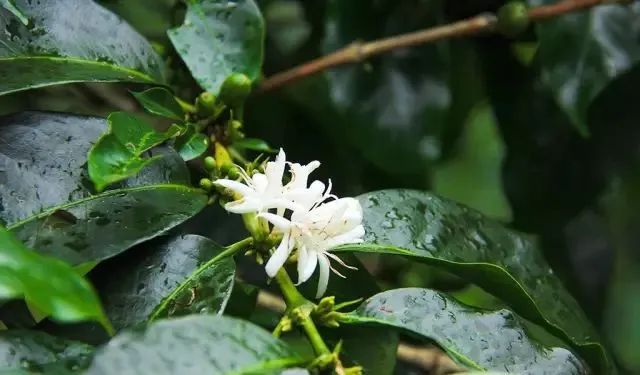
Geisha truly rose to prominence in 2005, when Panama’s Hacienda La Esmeralda entered it into the Best of Panama (BOP) competition. The coffee scored exceptionally high and impressed the market with its unique flavor profile, instantly becoming a star variety in the specialty coffee world. Although it is also grown in countries like Costa Rica and Colombia, in terms of lineage and flavor expression, Ethiopia’s Gesha Village Coffee Estate is undoubtedly one of the most important representatives.
The establishment of Gesha Village Coffee Estate originated from director Adam Overton and his photographer wife Rachel Samuel, who were filming a documentary for the Ethiopian government in 2007. During their work, they ventured into the Bench Maji region in southwestern Ethiopia, near the border with South Sudan. There, they discovered the Gori Gesha Forest, which deeply inspired them. They decided to establish a coffee estate focused primarily on the Geisha variety and to build their own brand.
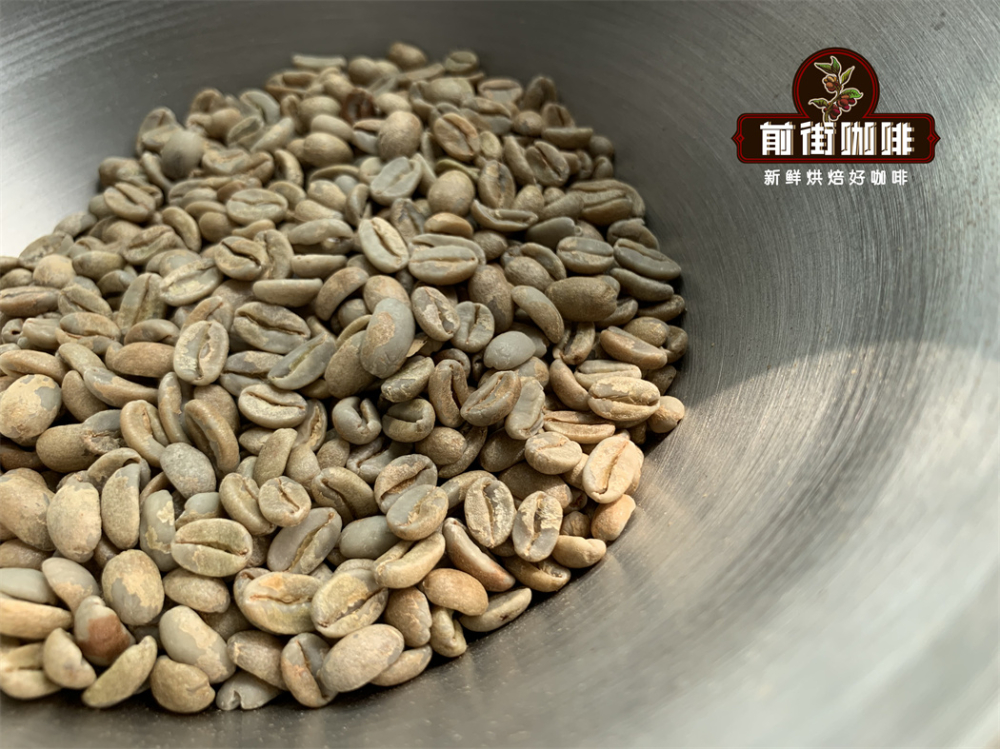
Currently, Gesha Village Coffee Estate mainly cultivates three core varieties: Gesha1931, Gori Gesha, and Illubabor. Among them, Gesha1931 (abbreviated as G31) has a genetic profile similar to that of Panamanian Geisha. It is believed to trace back to the original variety collected from the Ethiopian Gesha forest during the British colonial period in 1931. This variety was found among the native plants around the estate, and after genetic comparison, it was confirmed to be highly similar to Panamanian Geisha, hence its name.
Gori Gesha (abbreviated as GG) was discovered in 2011 by the founding team in the Gori Gesha Forest, located about 12 miles from the estate. It was named directly after its geographical origin. This variety exhibits distinct Geisha characteristics and has also received significant attention. The third variety, Illubabor, originated from an expedition in the Illubabor Forest in 1974. Later, it was developed into a disease-resistant improved variety by the Ethiopian Research Center and has become an important stable product of Gesha Village.
To ensure precise management and quality control, Gesha Village Coffee Estate has divided its cultivation areas into eight exclusive plots. Each plot grows only a single variety. For example, the Oma, Surma, and Narsha plots grow Gesha1931; the Bangi, Shewa-Jibabu, and Shaya plots grow Gori Gesha; while the Gaylee and Dimma plots are dedicated to Illubabor. This zoning approach not only helps track the flavor characteristics of each batch but also facilitates subsequent processing and grading operations.
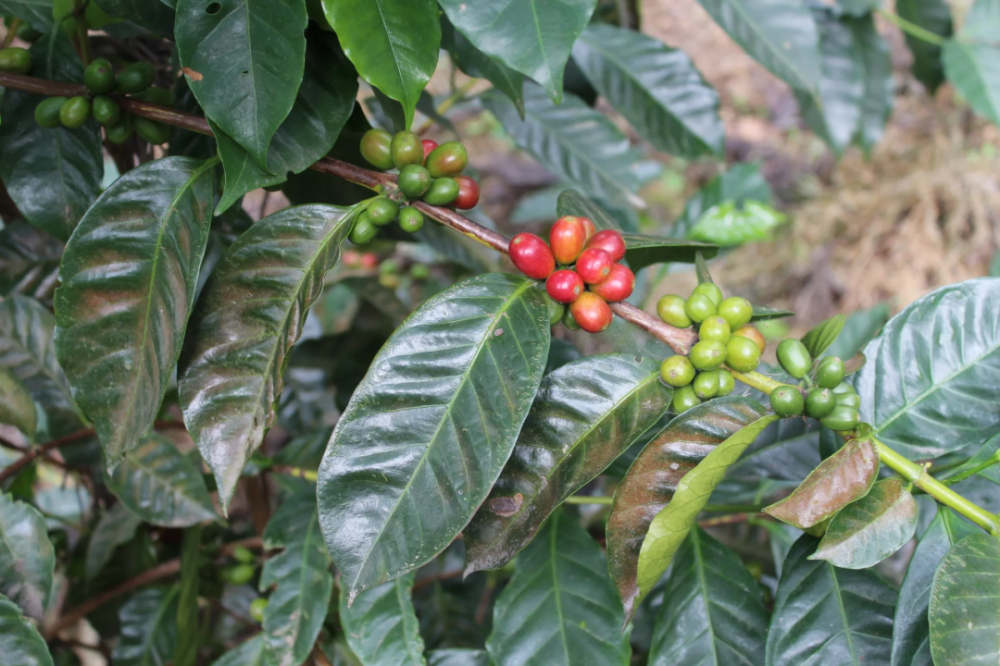
In terms of business model, Gesha Village Coffee Estate has drawn on the management experience of large coffee estates in Panama, implementing plot numbering and a strict grading system. Only 3.7% of the annual production is allocated to auction lots, which can only be obtained through official auction channels and represent extremely rare top-tier selections. Following these are the Gold Label lots, accounting for 5% of production, whose quality is only slightly below that of the auction lots and whose flavor performance is outstanding.
The Red Label lots offer a relatively higher cost-performance option, requiring a cupping score of 88 or above. They are suitable for consumers who want to experience the Geisha flavor but have a limited budget. The Green Label lots, although without a specific cupping score threshold, still provide complete information on origin and processing, making them suitable for users who are new to the Geisha flavor. Additionally, there is the Chaka blend lot, which combines the three varieties—Gori Gesha, Gesha1931, and Illubabor—and integrates the characteristics of different plots to deliver a diverse yet harmonious flavor profile.
In terms of processing methods, Gesha Village mostly employs sun-dried processing paired with medium-light roasting to preserve the richest layers of flavor. Generally, sun-drying enhances fruitiness and sweetness, while medium-light roasting helps highlight bright acidity and delicate aromatics. For coffee lovers who prefer pour over, it is recommended to use a medium-fine grind, with water temperature controlled at 90–92°C, and a coffee-to-water ratio of 2:1 to 1:15. Employing a multi-pour extraction method can better bring out the subtle layers of flavor in Geisha.

The above content is compiled by CoffeeHunters, a coffee news website.


