








Introduction:A deep dive into how Kenyan coffee has risen to the top of the specialty coffee world with its distinctive acidity and juicy profile. From the evolution of the SL28/SL34 varieties, the government-led grading and auction system, to the 72-hour extended washed fermentation process—this article fully breaks down the core competitiveness of Kenyan coffee. It also covers the terroir differences in key regions such as Nyeri and Kirinyaga, as well as the actual roasting profiles, cupping results, and pour over parameters for AA TOP and AB grade beans, guiding you from origin to cup to fully grasp the essence of Kenyan coffee.
When it comes to African specialty coffee, Kenya and Ethiopia are both known for their bright acidity, but their flavor profiles differ significantly. The unique charm of Kenyan coffee is inseparable from the refined management system established during the colonial period. Although British colonization brought heavy pressures, it also introduced a scientific framework to the coffee industry, laying the foundation for the rise of Kenya’s specialty coffee today.
The development of Kenyan coffee can be attributed to four key factors:Variety Development Mechanism,Government Policy Support,Rigorous Grading System, andthe Unique K72 Washed Process. Together, these elements shape the bright acidity and rich juiciness that define Kenyan coffee.
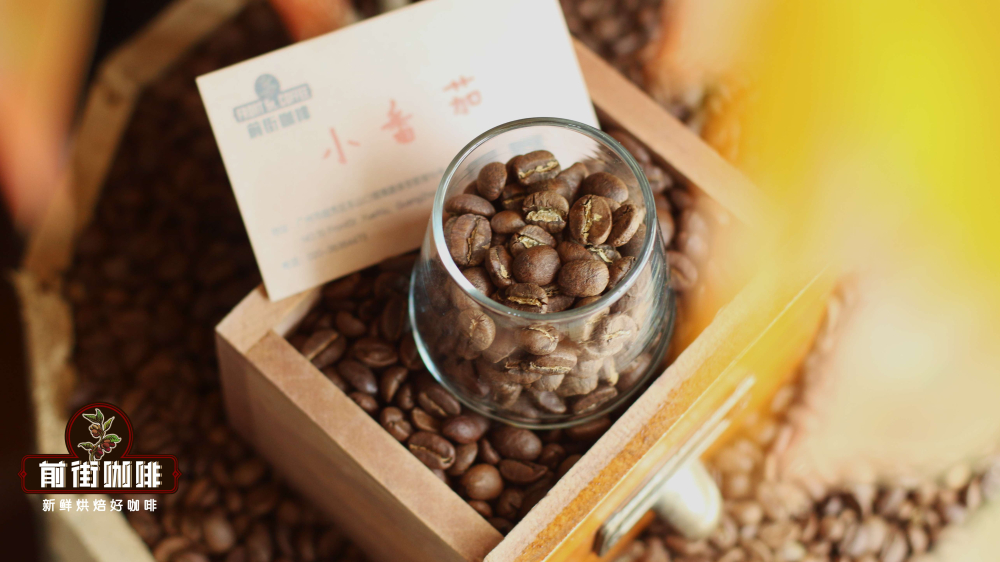
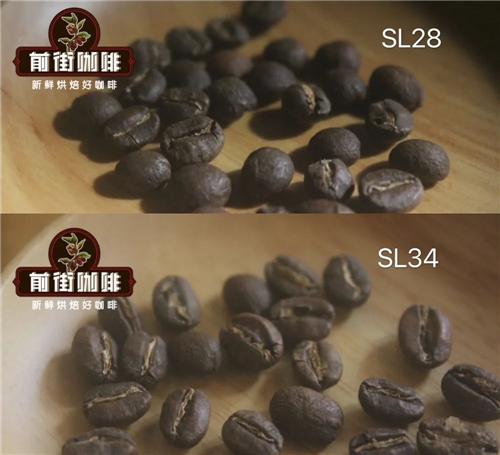
The development of Kenyan coffee varieties began in 1922 with the establishment of the Scott Agricultural Laboratories (Scott Labs), which is also the origin of the naming of the SL28 and SL34 varieties. The lab screened SL28 and SL34 from 42 varieties as the most suitable for the local environment, laying a solid foundation for the quality of Kenyan coffee. On the government side, the establishment of the Coffee Growers Cooperative Union and the National Coffee Board in 1931, along with the launch of the Nairobi Coffee Exchange auction system in 1937, ensured that high-quality coffee could receive fair compensation.
Kenya’sgrading systemis based on bean size combined with cupping results, and is divided into AA, AB, and PB grades. Among them, AA grade (17–18 mesh) and AB grade (15–16 mesh) are the main export grades, and there are unofficial TOP and PLUS cupping-based special grades. Notably, Kenya uses a uniqueK72 washed processwith a fermentation time of up to 72 hours (compared to the conventional 36 hours), giving the coffee brighter acidity and richer juiciness.
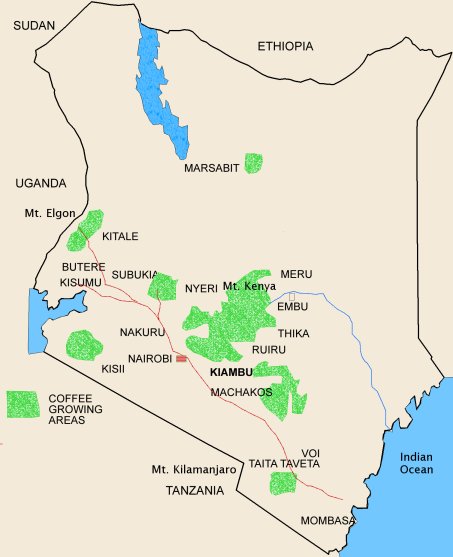
Kenya’s main coffee-growing regions are concentrated in the central and western parts. Central regions such as Nyeri, Kirinyaga, and Muranga are known for their volcanic soils and high altitudes (1200–2300 meters), and are major sources of specialty coffee.The Nyeri regionis located at the foot of Mount Kenya, where red soil produces high-quality coffee, mainly managed by smallholder cooperatives.The Kirinyaga regionlies on the slopes of Mount Kenya and is known for its complex flavor profiles, with producers mostly being smallholder cooperatives.The Muranga regionalso benefits from volcanic soils, with a majority of small coffee farmers.
Kenya’sauction systemis one of the most transparent in the world. Established in 1937, the Nairobi Coffee Exchange trades about 85% of its coffee beans through auctions using an agent system. Starting in 2006, about 15% of coffee beans can be sold through direct trade models, allowing producers to earn higher returns. This dual-track system ensures a positive correlation between quality and price.
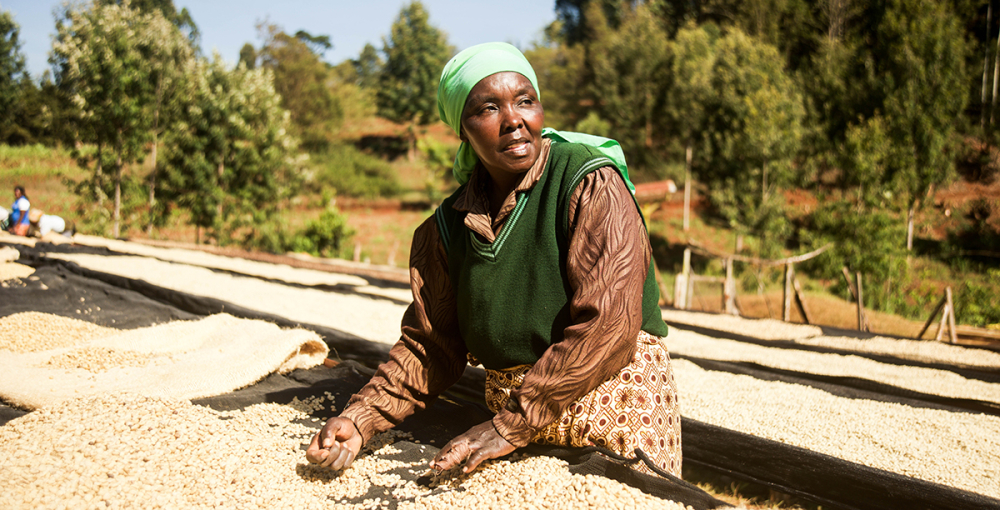
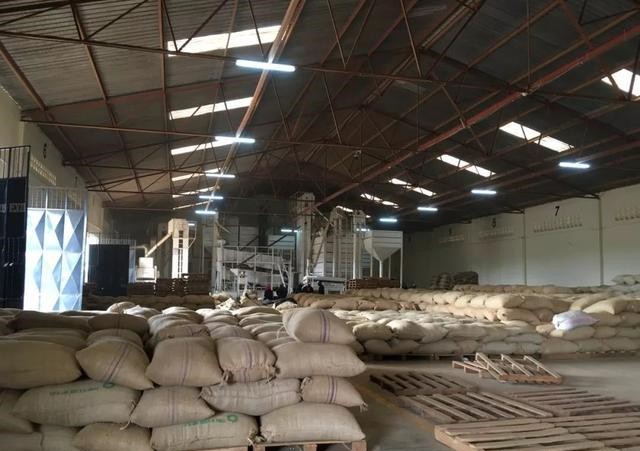
The farming model in Kenya is dominated bysmallholder agricultural cooperatives(accounting for 75%, or about 700,000 smallholder farmers), along with more than 3,000 large farms (accounting for 25%). This model allows smallholders to share processing facilities, improving coffee quality. For example, cooperatives in the Nyeri and Kirinyaga regions provide unified washed processing facilities, ensuring standardized processing procedures.
Tasting two representative Kenyan coffees:Kenya Little Tomato AA TOP(Region: Thika, Altitude: 1550–1750m, Processing Factory: Asali Honey Factory) andGachatha Cooperative AB Grade Beans(Region: Nyeri, Altitude: 1825m, Processing Factory: Gathaithi Factory). Both use the SL28 and SL34 varieties and are processed with the K72 washed method.

TakingKenya Little Tomato AA TOPas an example, a light roast is recommended to highlight its bright acidity. Roasting parameters: YJ-800N semi-direct-fire roaster, charge temperature 160°C, air vent 3, flame 120; turning point at 1’28”, temperature at 6’00” is 154.6°C with yellowing bean surface; first crack starts at 9’28”, development time 2’20”, dropped at 193.8°C. Pour over recommendation: V60 filter, 90°C water, 15g coffee, 1:15 coffee-to-water ratio, grind size EK43s setting 10 (80% passing rate). Technique: 30g bloom for 30 seconds, then pour in small streams to 125g, then continue to 225g, total brew time 2’00”. Flavor notes: Wet aroma of ripe tomato and floral notes, entrance of cherry tomato and dark plum acidity, mid-palate with prominent sweetness, finish with berry and green tea aromas.
The Gachatha Cooperative AB Grade Beanshave similar roasting parameters, but different flavor emphasis: dark plum and cherry tomato as dominant notes, mid-palate almond tones, ending with honey sweetness, presenting a juice-like mouthfeel. Pour over parameters are the same, highlighting its bright acidity and layered profile.
The above content is compiled by CoffeeHunters, a coffee news website.


