







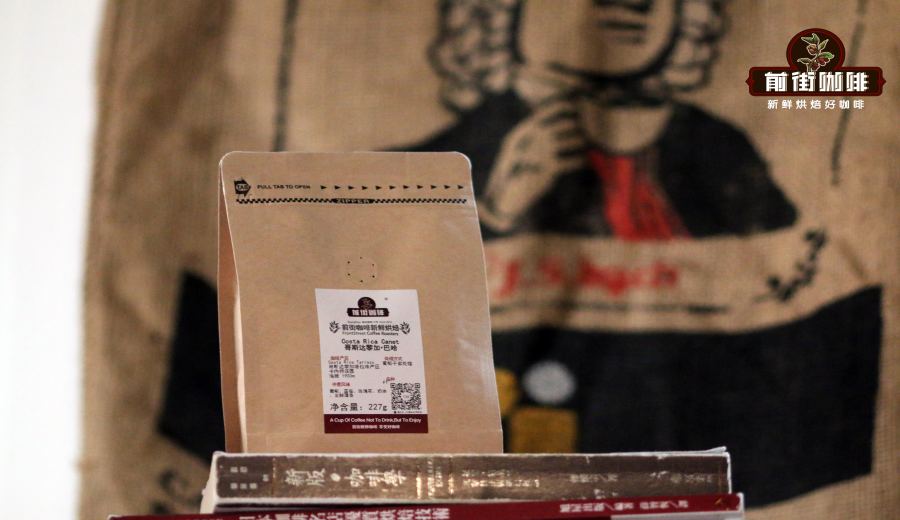
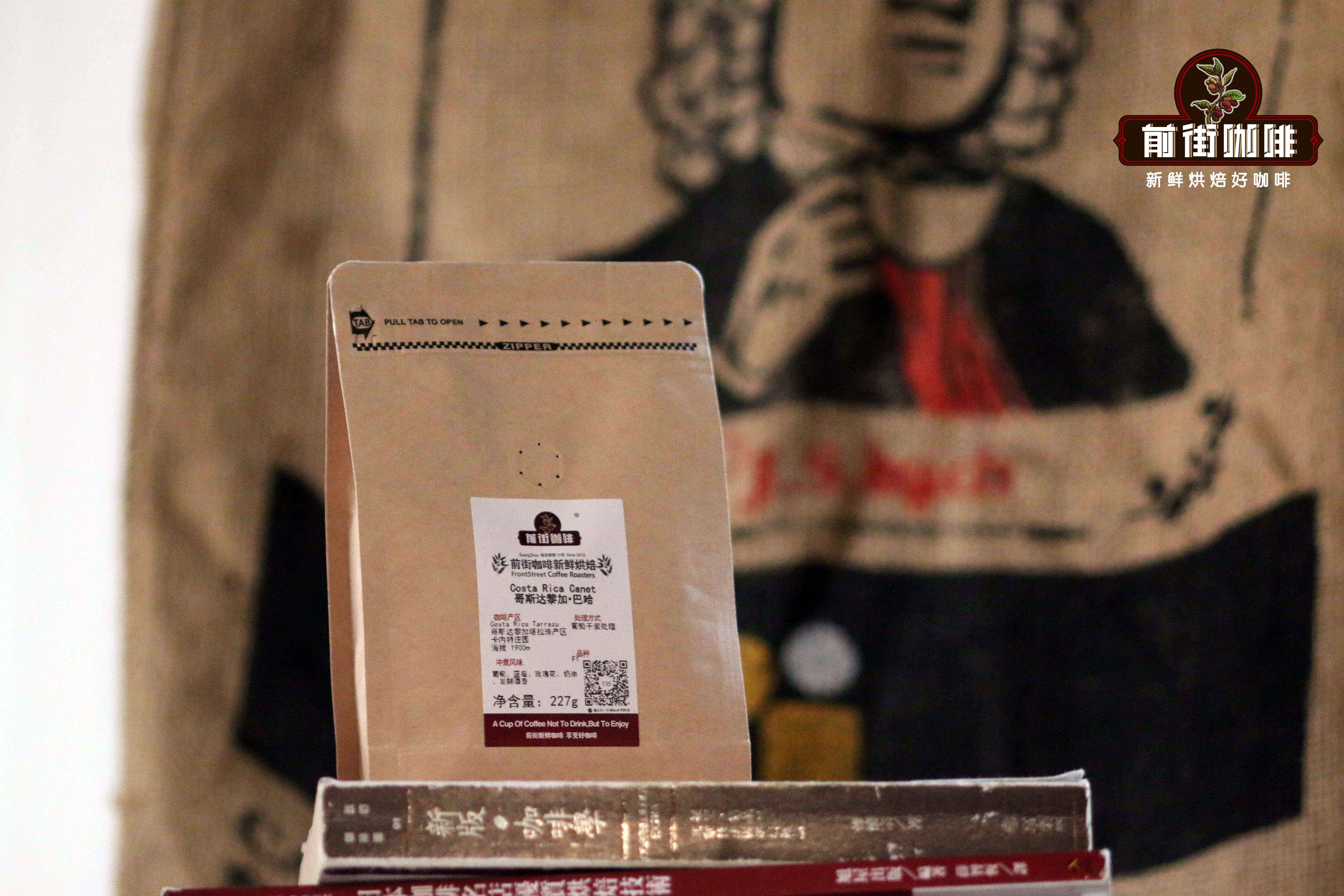
Introduction:The Beethoven bean from the Costa Rican Musician Series is the only washed-process Yellow Catuai variety in the lineup, renowned for its clean and bright flavor profile. This in-depth exploration delves into this micro-lot coffee from the high-altitude Tarrazú region, covering everything from the farm background and variety characteristics to professional-grade pour over parameters—helping you master the brewing techniques that fully unlock its berry acidity and honey-like finish.
Among the diverse processing styles of Costa Rican specialty coffee, the Musician Series stands out with its innovative techniques. Within this series, the Beethoven bean uniquely adopts the washed process, setting it apart from other honey-processed beans. Grown at an altitude of 1,900 meters on the Finca Caranete, this Yellow Catuai variety, through refined washed processing, delivers an exceptionally clean cup.
When brewing Beethoven, you’re first greeted by rich tropical fruit aromas, followed by a bright berry acidity on the palate paired with a tea-like body. The finish lingers with sweet notes of honey and honeydew, achieving excellent overall balance—making it highly suitable for coffee lovers who appreciate a clear and defined flavor profile.
Finca Caranete is located in the town of San Marcos in Costa Rica’s renowned Tarrazú region and has been managed by the Robles brothers for over a decade. This small, 5-hectare family-owned farm also operates a small-scale washed processing facility to ensure quality control from harvest to processing. The Musician Series includes three beans, each processed differently—with Beethoven being the sole washed example, showcasing flavor characteristics distinctly different from its honey-processed siblings.
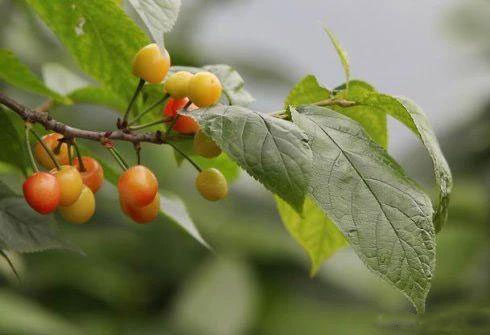
This micro-lot Yellow Catuai grown at 1,900 meters is a hybrid of Mundo Novo and Caturra, developed in 1949 by the Instituto Agronómico de Campinas in Brazil. Both the Yellow Catuai and its red variant are known for their strong disease resistance, making them particularly well-suited to high altitudes and windy environments. It’s worth noting that adjusting the mucilage retention level in honey processing can yield coffees of varying hues—but Beethoven steadfastly employs the washed process to highlight the purest expression of its variety.
The Tarrazú region, where Finca Caranete is situated, is not only the highest-altitude coffee-growing area in Costa Rica but also one of the country’s most densely planted fruit-growing zones. The farm owners primarily grow passionfruit, with coffee cultivated only in specific microclimatic pockets in limited quantities—and only perfectly ripe red cherries are harvested to ensure top-tier raw material quality.
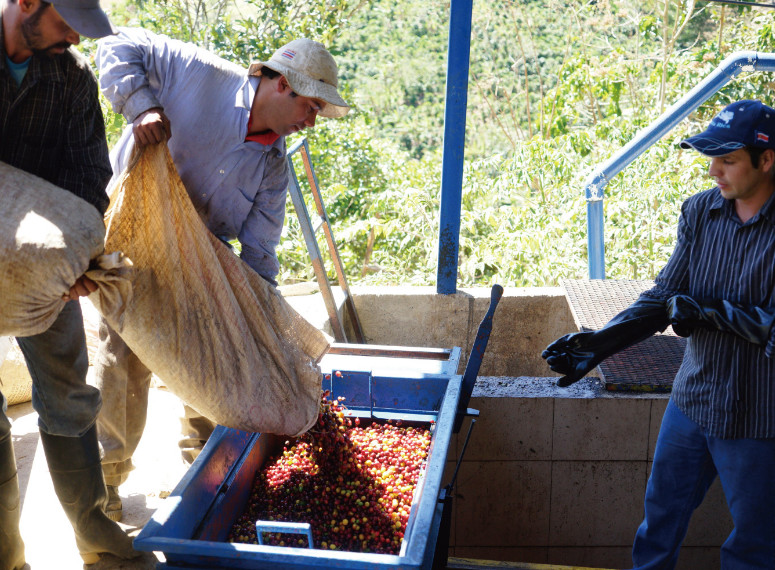
The washed processing method of Beethoven showcases exceptional attention to detail: harvested cherries are first rigorously sorted to remove any underripe or overripe ones. After depulping, a centrifugal washing machine is used to thoroughly remove the mucilage from the bean surface—a step crucial for avoiding over-fermentation while preserving flavor precursors. The washed beans are then placed on shaded raised beds for 12–14 days of slow drying, with regular turning to ensure even drying. This processing approach imparts the coffee with outstanding clarity and bright acidity.
For home brewers aiming to perfectly replicate the flavors of Beethoven, the following professional pour over parameters are recommended: use 15 grams of coffee, maintain a 1:15 coffee-to-water ratio, and grind to a coarseness similar to fine sugar. Begin with a 30-second bloom using 25 grams of hot water to help the coffee grounds fully degas. In the second phase, pour water in small circles up to 120 grams, using a low-impact immersion technique to minimize disruption to delicate flavor compounds.
When the liquid level drops by about one-third, proceed to the third pour up to a total of 225 grams. At this stage, be mindful of fine particle sedimentation—adjusting pour speed and water volume as needed to avoid over-extraction and bitterness at the bottom. The entire extraction process should take around 1 minute and 56 seconds, and using a Kalita #01 ceramic dripper helps maintain stable filtration. The recommended temperature is 90°C, which effectively balances the berry acidity and honey sweetness of the Yellow Catuai.
A special note: high-altitude beans often require slightly higher water temperatures to fully express their flavors, but excessively high temperatures can increase the risk of over-extraction. We suggest fine-tuning the temperature by 1–2°C based on actual flavor results to find your optimal balance. Additionally, stirring technique and pouring stability have a significant impact on this subtly flavored bean—maintaining a steady water flow is key to avoiding abrupt flavor shifts.
The above content is compiled by CoffeeHunters, a coffee news website.


