







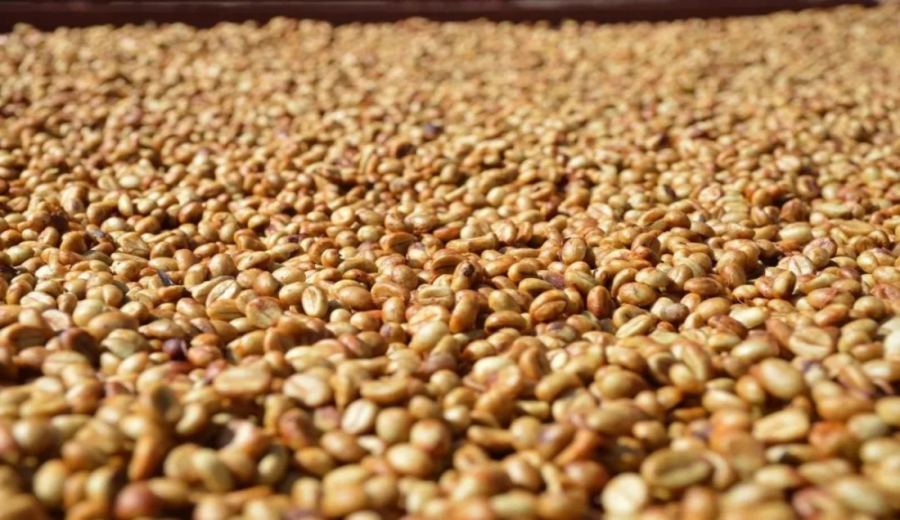
Introduction:The honey process is a specialty coffee processing method that lies between natural and washed methods, widely loved for its unique sweetness and fruity notes. This article delves into the origins of the honey process, its water-saving advantages, and the differences in mucilage retention, drying conditions, and flavor profiles among black honey, red honey, yellow honey, and white honey. Through practical examples, it helps coffee enthusiasts grasp the essence and appreciation points of this processing method.
The honey process (also known as Honey Process or Miel Process) is a coffee post-harvest method that combines characteristics of both natural and washed processes. Its name originates from the Spanish word "Miel," meaning honey. This term first became popular in Costa Rica, where the processing method retains a certain amount of mucilage — the sticky, sugary substance beneath the fruit's skin and pulp. During drying, this mucilage emits aromas similar to honey, hence the name. The honey process not only inherits the clean base of the washed method but also integrates the rich fruitiness of the natural method, becoming an innovative choice for many specialty coffee farms.
The emergence of the honey process was driven by both water conservation and innovation. Compared to traditional washed methods that often use large amounts of water, the honey process can save approximately 40% of freshwater, making it especially important in water-scarce regions. In the late 1990s, Costa Rica faced low international coffee prices, prompting many farmers to seek their own solutions and explore new processing methods. The honey process gradually took shape in the region as a result. In 2006, a Costa Rican farmer achieved outstanding results in a SCAA competition with honey-processed beans, and the following year, numerous honey-processed coffees were featured in the Cup of Excellence (CoE) competition, drawing increasing international attention to this method.
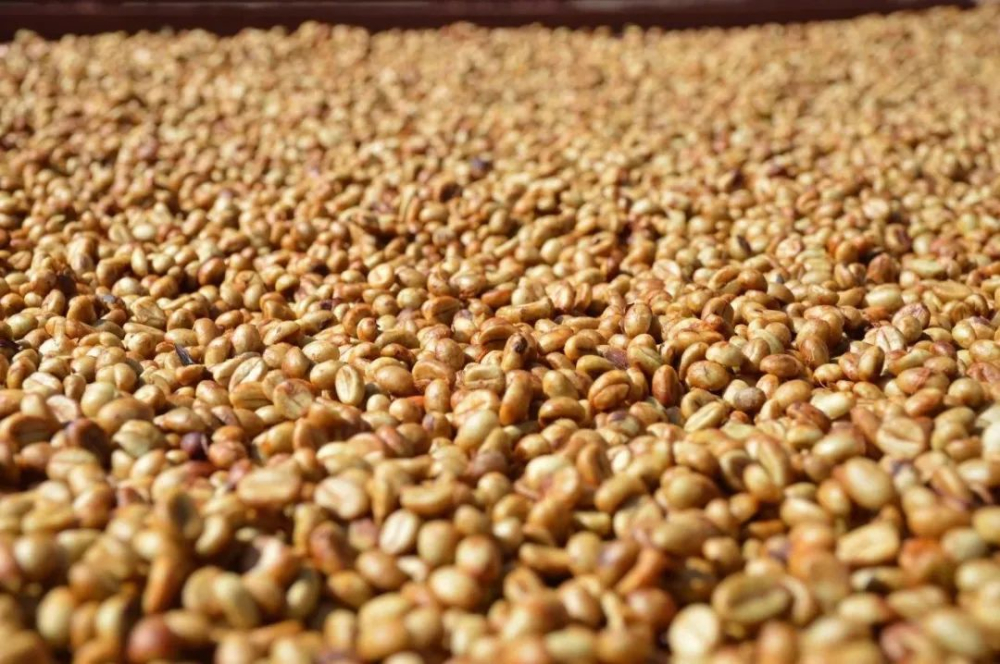
So, what does the “honey” in the honey process actually refer to? It actually denotes the sticky mucilage layer located beneath the fruit's skin and pulp, and outside the parchment seed layer of the coffee cherry. This mucilage layer is rich in sugars and moisture, serving as the main source of sweetness and aroma during fermentation. In the honey process, farmers choose to retain varying proportions of mucilage based on desired flavor profiles, and then influence the final flavor outcomes by controlling drying time, stirring frequency, and shading measures.
Depending on the amount of mucilage retained, the honey process can generally be divided into four main types: black honey, red honey, yellow honey, and white honey. These classifications not only affect the ease and duration of drying but also directly determine the flavor profile of the coffee. From the darker-toned black honey and red honey to the lighter-toned yellow honey and white honey, each type of honey process has its own unique aromatic, sweet, and acidic expressions.
First is black honey, which retains nearly all of the mucilage, typically around 90% or more, and has the longest drying time, requiring at least 14 days or more. To prevent uneven fermentation due to overly rapid drying, producers often use shade nets or opt for sun-drying in the shade, ensuring that sugars can fully penetrate the seeds. These beans often have uneven exterior colors and are frequently characterized by intense fermentation aromas. In terms of flavor, they exhibit rich notes of ripe fruit, syrupy sweetness, as well as complex wine-like and chocolatey tones.
Red honey retains about 50% to 80% of the mucilage and is one of the more common types of honey process in the market. The drying time is around 12 days, requiring moderate shading and frequent turning multiple times a day to control temperature and fermentation pace. Compared to black honey, red honey has a slightly milder fermentation character but still retains a rich sweetness and fruity profile, with soft and layered acidity. A coffee brand once launched a Guatemalan New Oriental Geisha processed in a similar way, showcasing tropical flavors such as sweet orange, bergamot, and toffee.
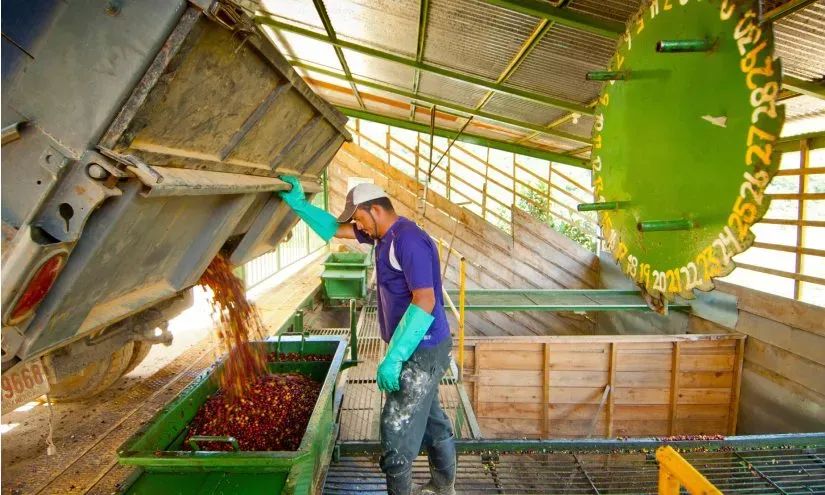
Yellow honey retains a reduced proportion of mucilage, between 15% and 50%, with a shorter drying time of about 8 days. It requires intensive sunlight and frequent stirring to accelerate moisture evaporation. These beans, after drying, tend to have a yellowish-green appearance with relatively uniform coloration. In terms of flavor, they emphasize bright acidity along with fresh herbal and rice-like aromas. The sweetness is more direct and clean, making it suitable for consumers who prefer a refreshing taste profile.
Finally, there is white honey, which retains the least amount of mucilage, usually only around 10% to 15%. This process is almost akin to light natural processing, with the shortest drying time of about 6 to 8 days. The coffee beans need to be spread thinly and stirred frequently to prevent mold and over-fermentation. White honey beans have the lightest-colored appearance, often featuring grassy and light floral notes. The acidity is clean and mineral-like, with a relatively simple flavor profile, making it suitable for those who prefer a subtle and mild style.
Overall, the flavor direction of the honey process is greatly influenced by the amount of mucilage retained and the drying conditions. Darker honeys such as black honey and red honey exhibit pronounced fermentation character, rich sweetness, and are closer in style to natural processing. Lighter honeys such as yellow honey and white honey are more akin to the clarity and brightness of washed processing, with prominent acidity. However, the industry has not yet fully standardized the definitions of each honey color, and different regions or farms may vary in the actual processing parameters for what is termed “red honey” or “yellow honey.” Therefore, when selecting, consumers can look beyond the honey color classification and also pay attention to information about the origin, altitude, and processing facility to gain a more comprehensive understanding of the flavor sources.
The above content is compiled by CoffeeHunters, a coffee news website.


