







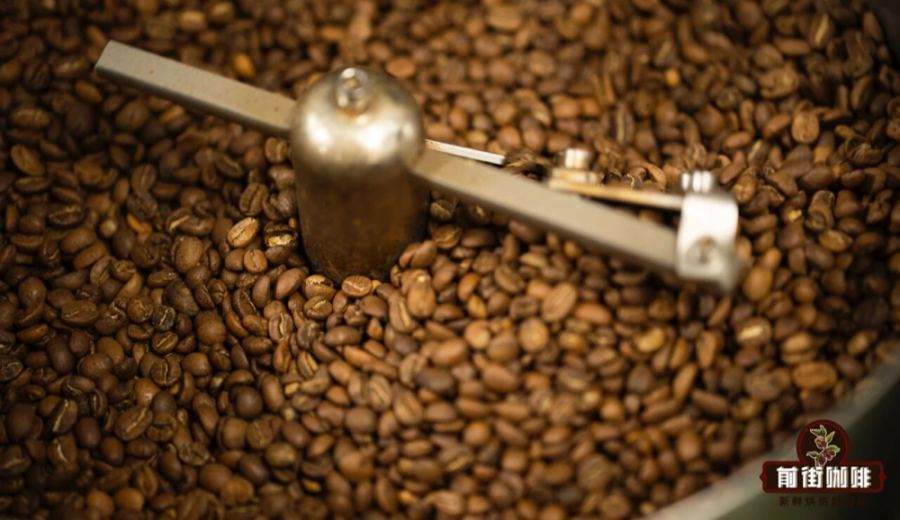
Introduction:Roasting is the core step that determines the flavor direction of coffee, from bright fruit acidity to rich roasted notes, all closely tied to the degree of roast. This article uses Agtron values to interpret roast level classifications and analyzes, with real coffee varieties as examples, how light, medium, and dark roasts affect the balance of acidity, sweetness, and bitterness, body, and aroma in coffee, providing practical guidance for selecting beans for pour over brewing.
The final flavor profile of a cup of coffee is the result of the combined effects of origin environment, variety genetics, green bean processing methods, and roasting techniques. Among these, roasting is not only key to activating flavors but also allows for the amplification or softening of a bean’s inherent characteristics through control of temperature and time. From Nordic extremely light roasts to traditional Indonesian dark roasts, each roast level corresponds to unique taste expressions, and understanding the Agtron value is a scientific tool for judging roast depth.
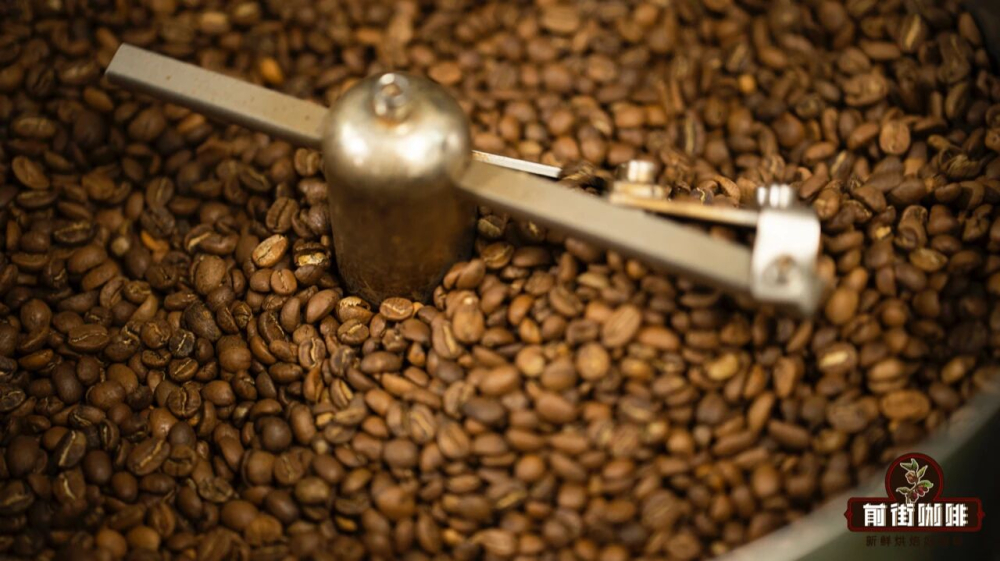
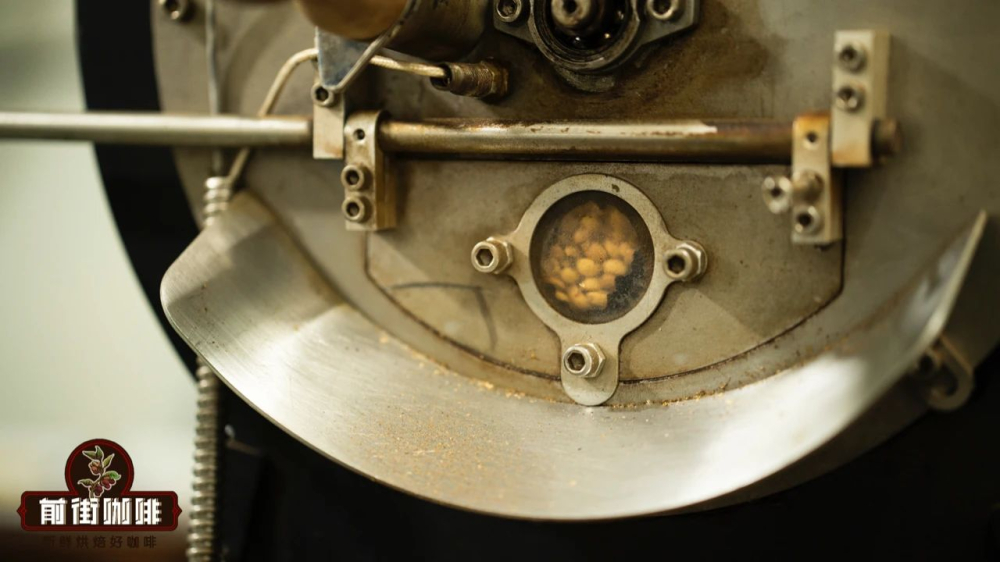
As green coffee beans transform into brown roasted beans, they go through distinct stages such as drying, yellowing, first crack, and second crack. These transitions not only change the color of the beans but also directly influence the final flavor presentation. The "first crack" is a critical turning point where the coffee bean releases internal moisture and volatile compounds, and it is also an important moment for the roaster to control the direction of flavor development. When the internal pressure of the bean breaks through the outer shell, the popping sound, similar to popcorn, marks the start of the Maillard reaction and caramelization.
To accurately distinguish roast levels, the industry commonly uses the Agtron value system. This infrared detection technology, developed by the American Agtron company, quantifies roast depth by measuring the intensity of light reflected off the bean surface: the higher the value (close to 95), the more original pigments the bean retains, indicating a light roast; the lower the value (such as below 65), the more thorough the caramelization reaction, indicating a dark roast. For example, when beans are dropped at the end of the first crack dense phase (Agtron around 95), the coffee retains bright acidity and floral-fruity notes; if extended to after the first crack ends (Agtron around 85), a warm spicy note like cinnamon will develop; continuing to the early stage of the second crack (Agtron around 75) is a medium-dark roast, bringing chocolatey and nutty richness; the dense phase of the second crack (Agtron around 65) forms an intense charcoal-like flavor.
Different roast levels play a decisive role in shaping coffee flavors. Light roast coffee (Agtron 85–95), due to its short heating time, can preserve the unique terroir characteristics of the origin to the greatest extent, often exhibiting bright citrus acidity, fresh jasmine floral notes, and a black tea-like aftertaste, making it suitable for drinkers who prefer fruity acidity. Medium roast (Agtron 75–85) balances the three elements of acidity, sweetness, and bitterness, showcasing caramel sweetness and nutty aromas, and is the common choice for most blends. Dark roast (Agtron below 65) uses high temperatures to induce the Maillard reaction and caramelization in the beans, resulting in rich chocolate, dark brown sugar, and even smoky flavors, but over-roasting can easily mask the original characteristics of the bean variety and may introduce astringency.
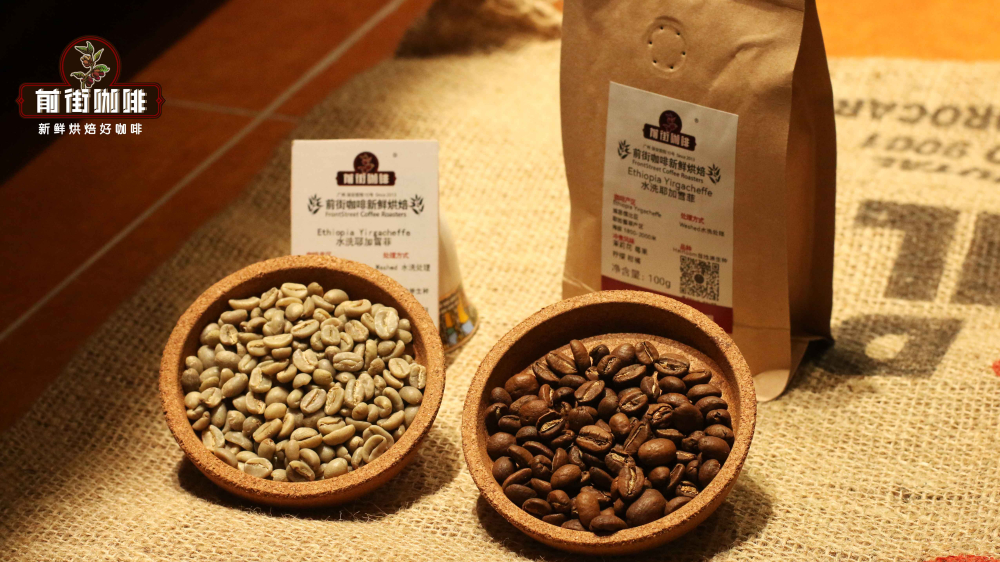
In actual tasting, the impact of roast level on mouthfeel is equally significant. Take the washed beans from the Gedeb Guji Yirgacheffe Cooperative in Ethiopia as an example. This variety naturally possesses bright fruit notes such as lemon and blueberry. When processed with a light roast (Agtron 80.8), dropping the beans at the early stage of the first crack can lock in the vibrant acidity and floral-fruity aromas. After brewing, it presents a light tartaric acid and citrus aftertaste, with a silky-smooth mouthfeel. In contrast, Indonesia’s Golden Mandheling, a typical Sumatra bean, inherently carries herbal and earthy tones. Through a dark roast (Agtron 61), the caramel and cedar notes are enhanced, and after brewing, it releases rich dark chocolate and nutty aromas, with significantly increased body, making it suitable for consumers who enjoy a full-bodied taste.
For pour over enthusiasts, choosing a roast level should also take into account the pairing with brewing parameters. Light roast beans, due to their higher density, are recommended to be brewed with slightly higher water temperature (92–94°C) and medium-coarse grind size, extending the blooming time to fully extract the acidity; dark roast beans are suitable for slightly lower water temperature (88–90°C) and slightly finer grind to avoid over-extraction that could lead to bitterness. Additionally, roast date is also an important indicator—whether light or dark roast, freshly roasted beans (within 7–21 days after roasting) deliver the best flavor performance, and it is advised to avoid beans roasted more than a month ago.

The above content is compiled by CoffeeHunters, a coffee news website.


