







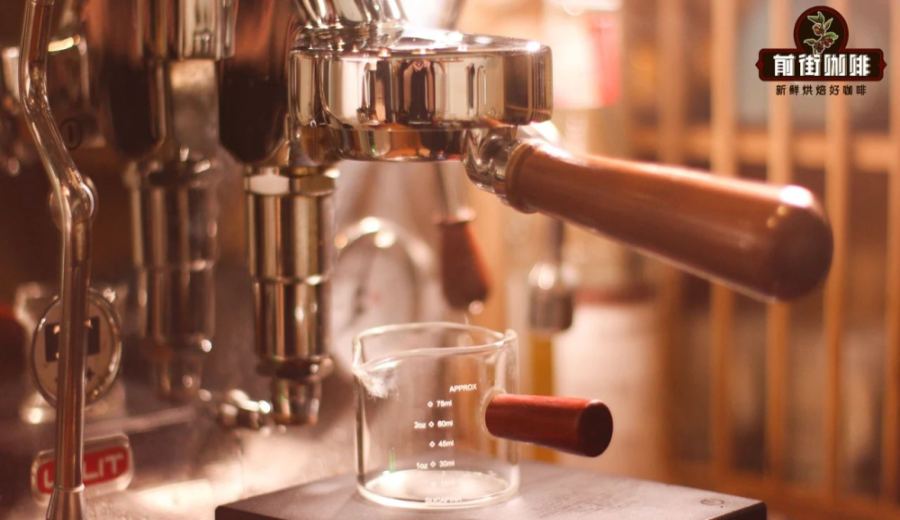
Introduction:Learn how to determine if your espresso beans are fresh, master the art of selecting blends that match your flavor preferences, and grasp the key techniques for brewing the perfect shot of espresso at home. This article delves into the principles behind coffee blends, explores the flavor profiles of four classic blend styles, and walks you through the full process from grinding to extraction — all to help coffee enthusiasts elevate their home brewing quality.
To enjoy a well-balanced and complex shot of espresso, choosing the right beans is essential. Beyond simply considering the beans' inherent flavors, body, and acid-bitter balance, it's also crucial to pay attention to the roast date and freshness of the beans. The appropriate roast level and freshness ensure that espresso blends perform at their best.
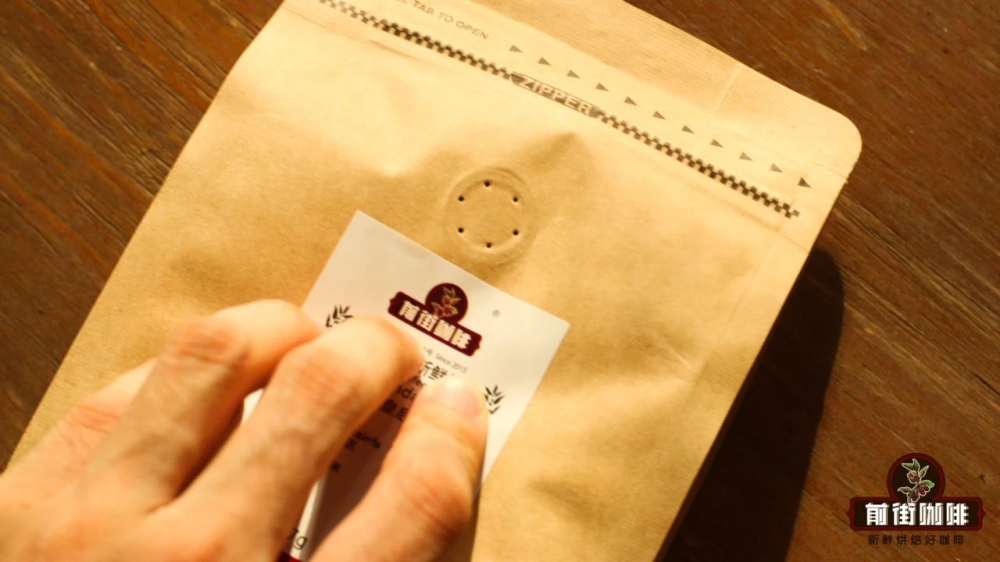
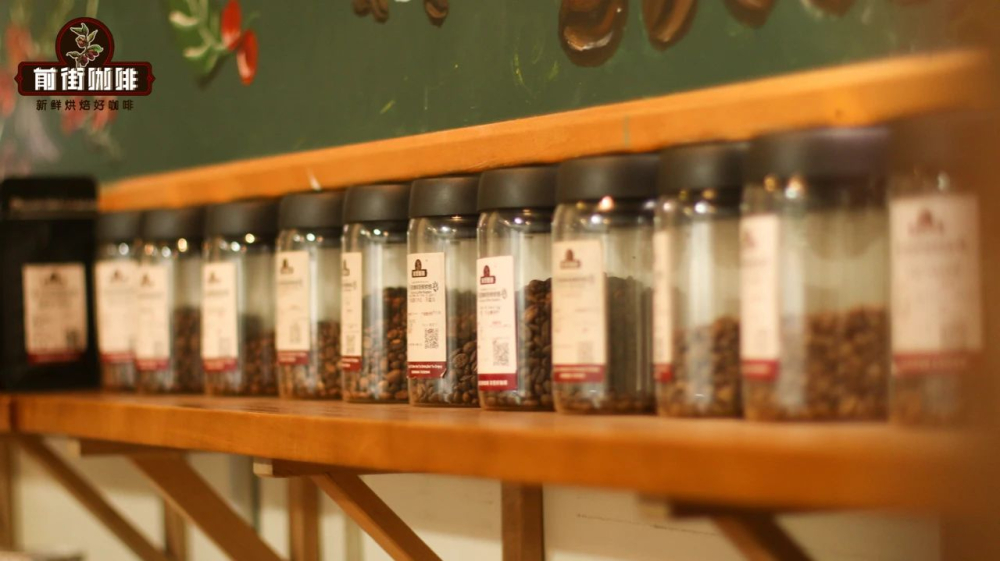
To judge whether coffee beans are fresh, first check if the product has a clearly marked roast date, rather than just an expiration date. It’s recommended to choose beans from reputable, specialty roasters who emphasize freshly roasted beans. Additionally, high-quality coffee packaging often comes with a one-way valve (the small circular button-like hole on top of the bag), which allows the beans to release carbon dioxide during maturation while preventing oxygen from entering. Bring your nose close to the valve and gently press the bag — if you detect a rich and inviting aroma, the beans are still fresh. Conversely, if there’s a rancid smell or weak fragrance, they may have passed their prime.
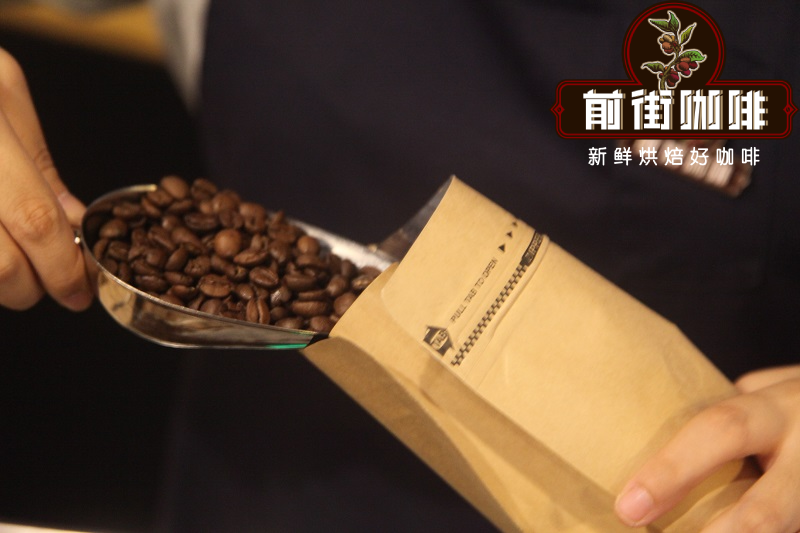
It’s important to note that coffee beans will begin to show a noticeable decline in aroma after about 50 days post-roast. However, during the first two days after roasting, the beans are still releasing gases and stabilizing, so their full flavors haven’t yet emerged. As such, it’s advisable to let them rest for a bit after purchase. For medium-to-dark roast espresso beans, which contain a lot of carbon dioxide, it’s recommended to let the beans rest (or “degas”) for around 7 days in their unopened original packaging, stored in a cool and dry place, before brewing to achieve better flavor performance.
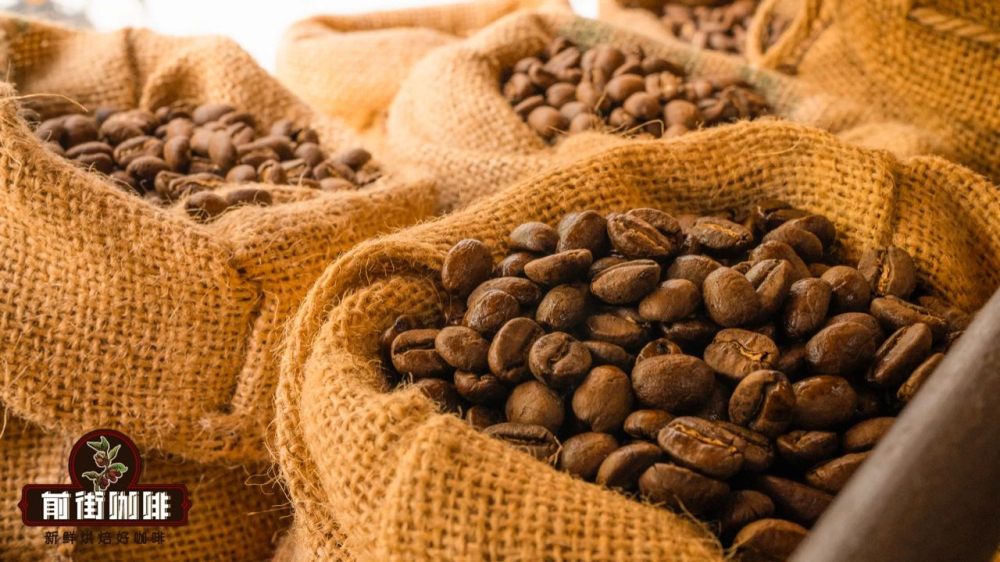
Espresso blends refer to the mixing of single-origin coffee beans from different regions and varieties in specific ratios. The goal is to combine the strengths of each bean to create a more balanced and complex overall flavor profile. Some blends complement each other to make up for deficiencies in aroma or body, while others enhance sweetness or acidity. Blending methods can be divided into "pre-blend" (mixing green beans before roasting) and "post-blend" (roasting beans individually and then blending them according to a recipe). Both approaches have their own advantages, and the key lies in the recipe design and the roaster’s understanding of the characteristics of beans from each origin.
The design of coffee blends usually serves several purposes: First, to achieve flavor consistency. Since coffee beans are agricultural products, even within the same origin, annual climate variations can cause fluctuations in the flavor of a single-origin bean. Blending helps maintain stable flavor year after year. Second, blending effectively balances taste. Especially under the high-pressure extraction environment of espresso machines, a single-origin bean might become overly dominant in a particular flavor (such as being too bitter or too acidic), leading to imbalance. Blending allows flavors to harmonize, resulting in a smoother and more palatable shot of espresso.
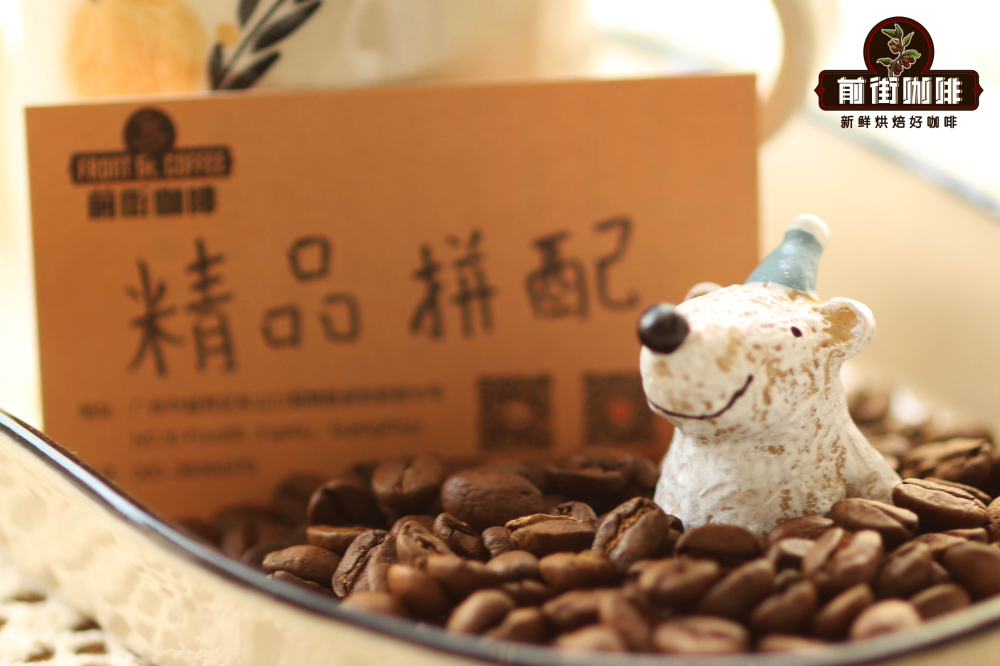
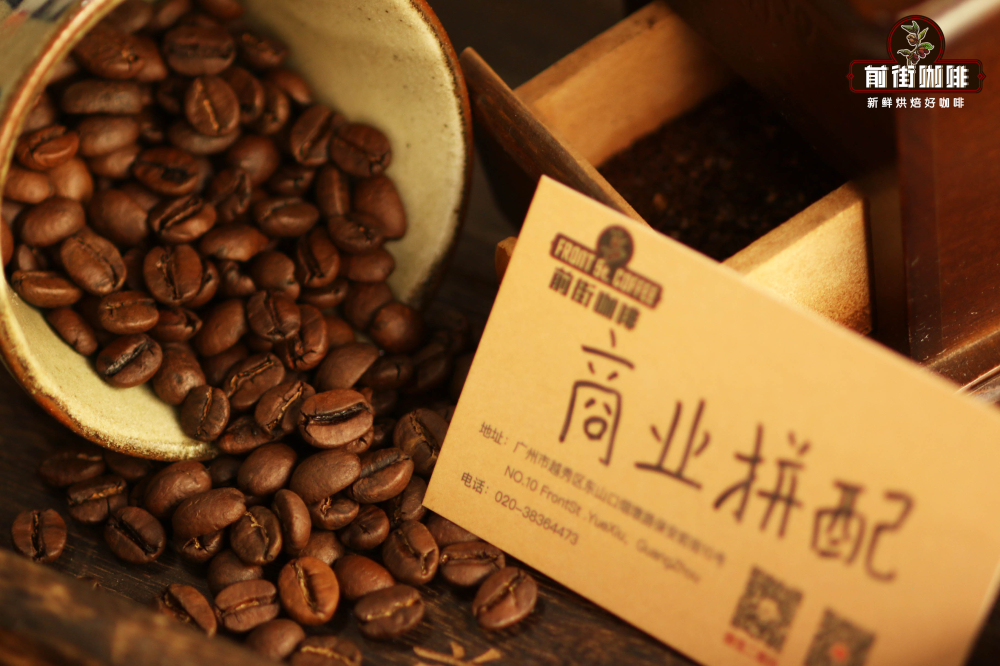
Below are four classic espresso blend recipes along with their flavor characteristics:【Sunflower Sunshine Espresso Blend】A post-blend of Honduran and sun-dried Red Cherry beans in a 7:3 ratio, offering pronounced fruity acidity and berry aromas, accompanied by rich wine-like notes and chocolate undertones. It has a smooth and comfortable finish, making it ideal for those who value layered flavors and prefer a lighter extraction.【Premium Blend】A post-blend of Colombian and Brazilian beans in a 3:7 ratio, delivering a balanced and smooth flavor with subtle grassy notes and gentle bitterness-sweetness. Suitable for everyday use in most specialty coffee shops.【Commercial Blend】Combining Colombian, Brazilian, and a small amount of Robusta beans with flexible ratios, this blend provides caramel sweetness, nuttiness, and dark chocolate notes, with rich crema. It’s suitable for various types of coffee shops aiming to meet stable commercial production needs.【Dark Cocoa Blend】A mix of Yunnan AA and Brazilian beans, this blend offers a mild flavor with a delicate balance of fruit acidity, caramel, and dark chocolate. It’s suitable for users with limited budgets who still want basic flavor quality, such as small shops or home use.
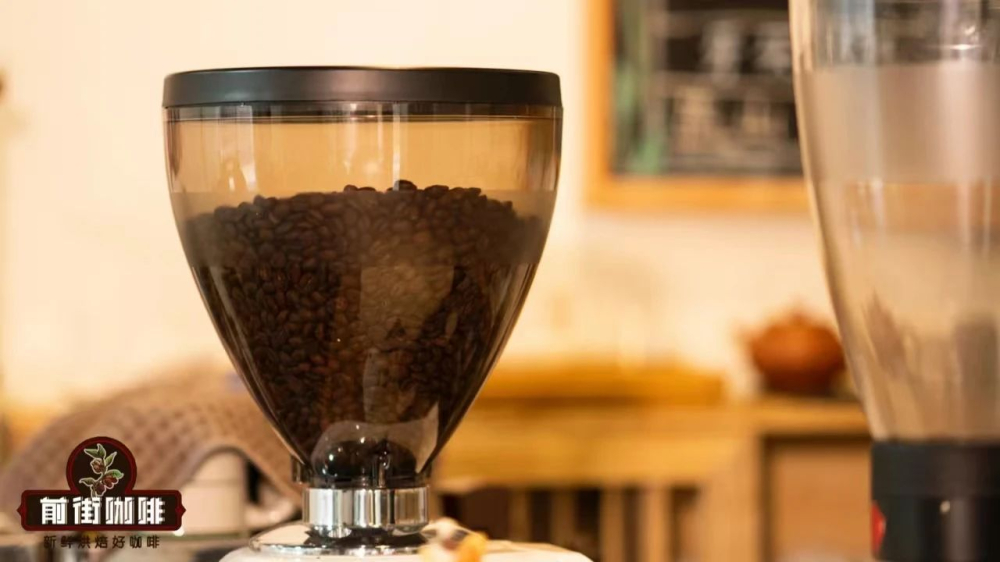


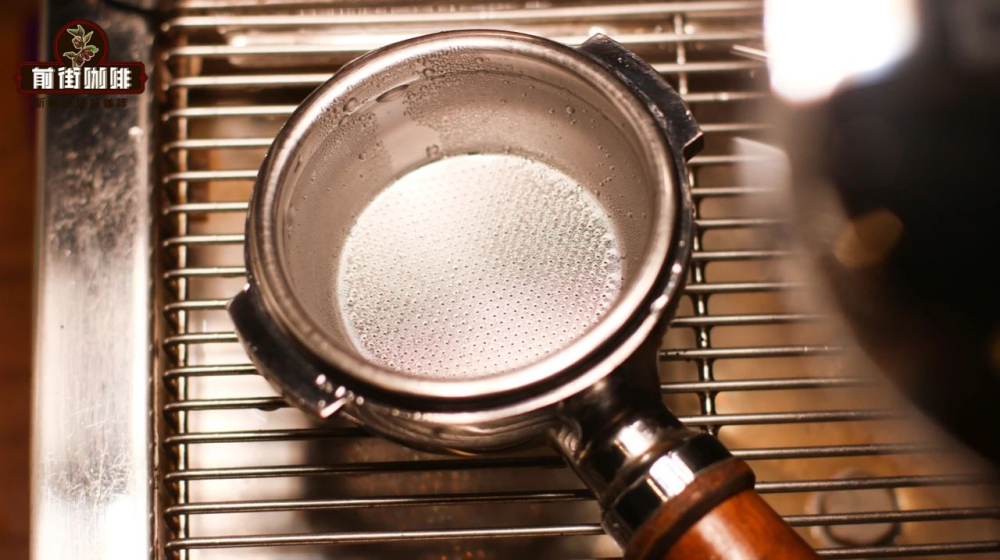
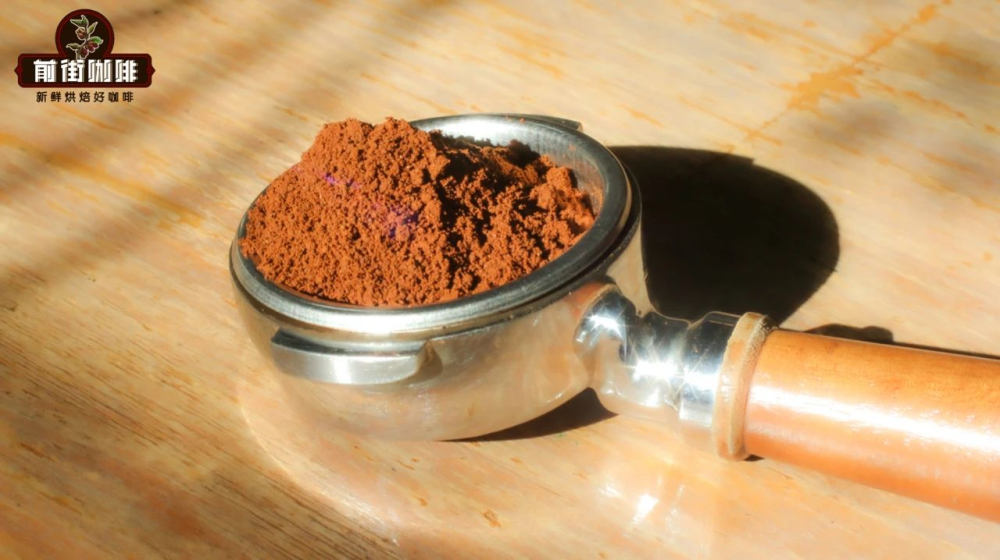
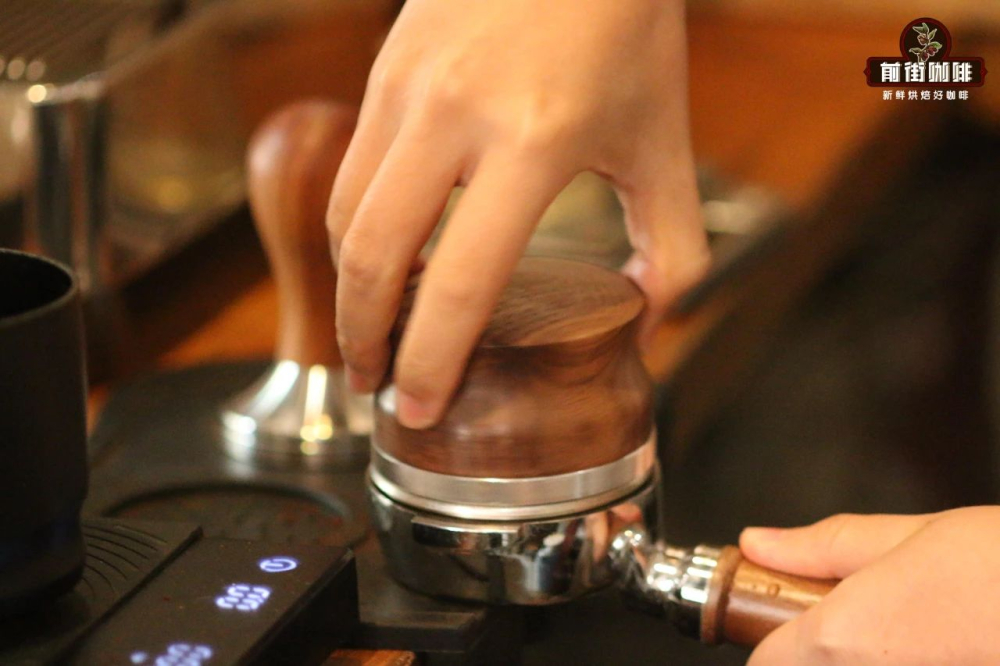
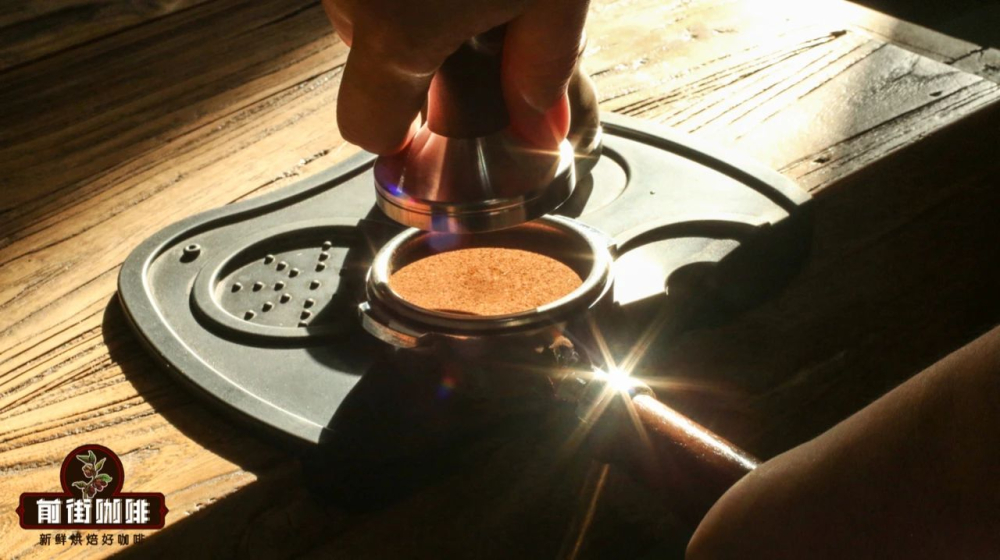
If you want to brew professional-grade espresso at home, here are the basic steps: First, clean the portafilter basket to ensure no leftover coffee grounds or water stains remain. Then, adjust your grinder to a medium-fine grind suitable for espresso (typically powdery but with slight granularity), and accurately weigh the coffee grounds — about 7–9 grams per single shot is recommended. After placing the coffee grounds in the basket, use your fingers or a distribution tool to level them evenly, avoiding uneven density zones. Next, use a tamper to apply even pressure — around 30–40 pounds of force is suggested — to form a compact yet not overly dense puck, which helps ensure even water flow.
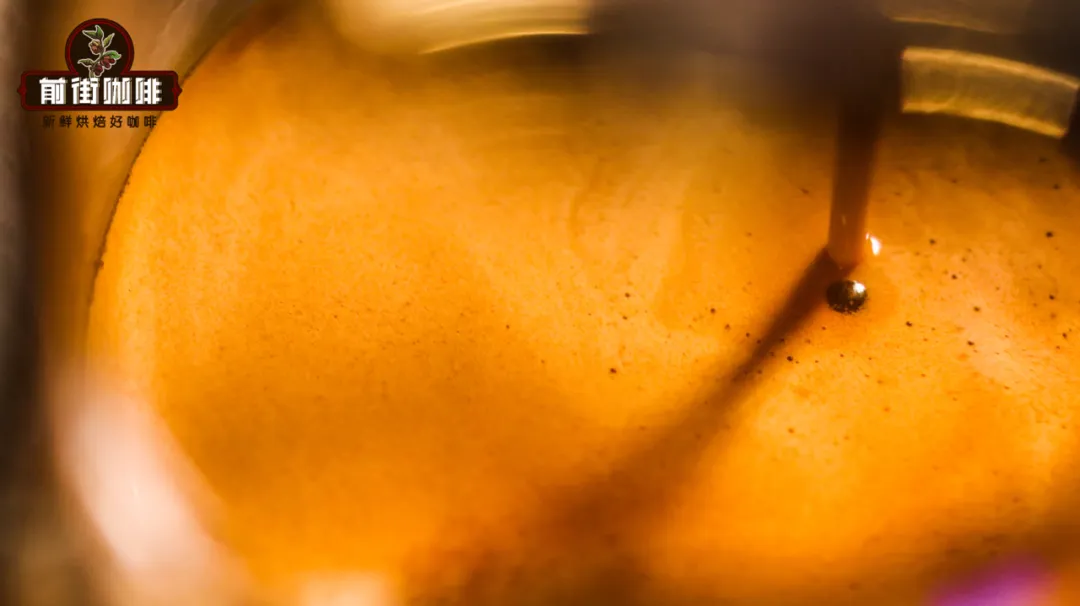
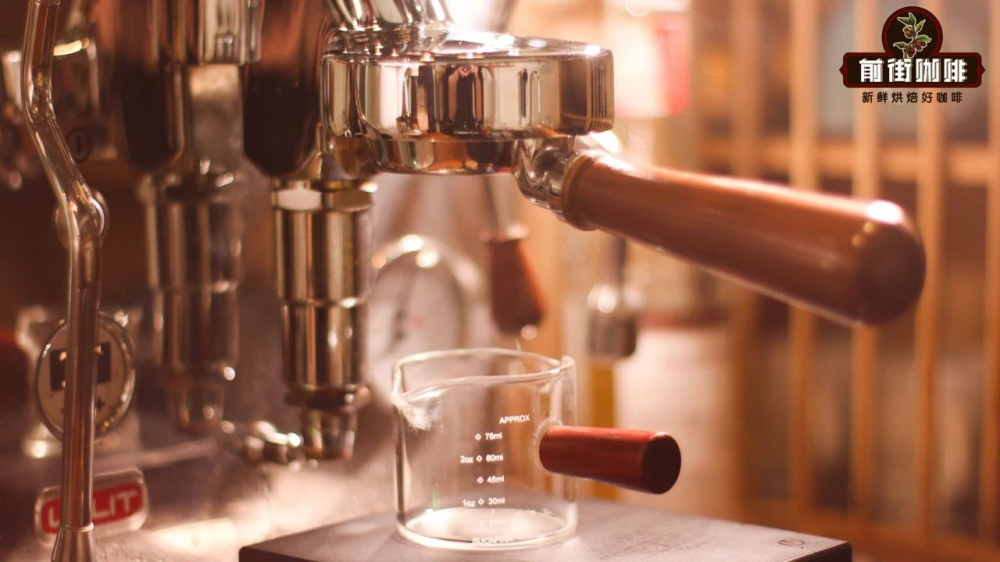
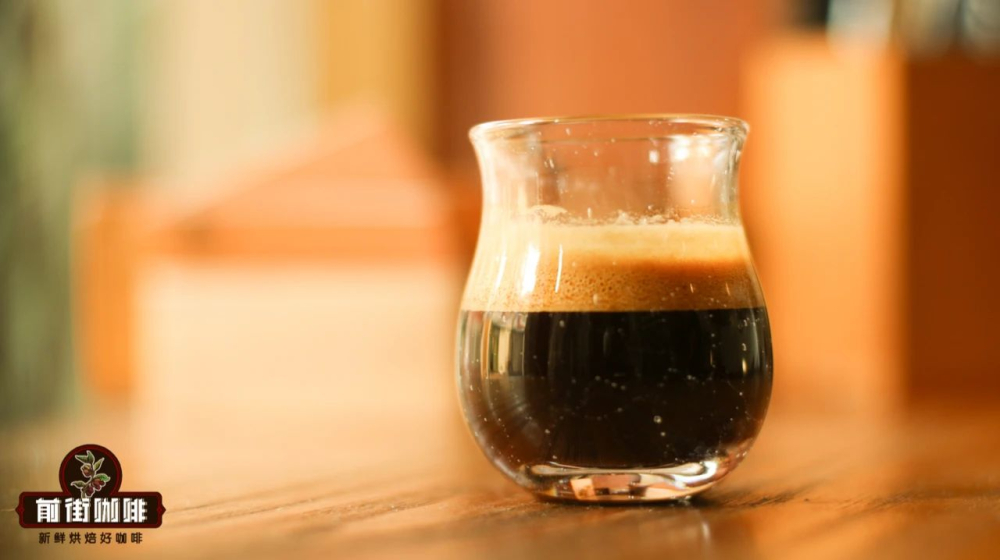
Gently place the tamped basket into the portafilter, avoiding impacts that could crack the puck or cause channeling. Begin extraction immediately. Observe the flow rate and color changes during extraction. Ideally, the espresso should take 25–30 seconds to extract 30–36 milliliters of golden liquid. The flavor should feature clear sweetness, moderate acidity, and a rich body, with a chocolatey or caramel-like aftertaste. After brewing, remember to clean the basket to maintain hygiene and extend the lifespan of your equipment, ensuring consistent extraction quality.
By understanding blend principles, mastering how to assess bean freshness, and practicing proper extraction techniques, you can enjoy espresso at home that rivals the quality of a professional café — and embark on your own journey of exploring unique coffee flavors.
The above content is compiled by CoffeeHunters, a coffee news website.

